
Pre-order ZOPP drinks · Launch 2027/28
Domaine Zoppelberg™ZOPP Zoppelberg DE
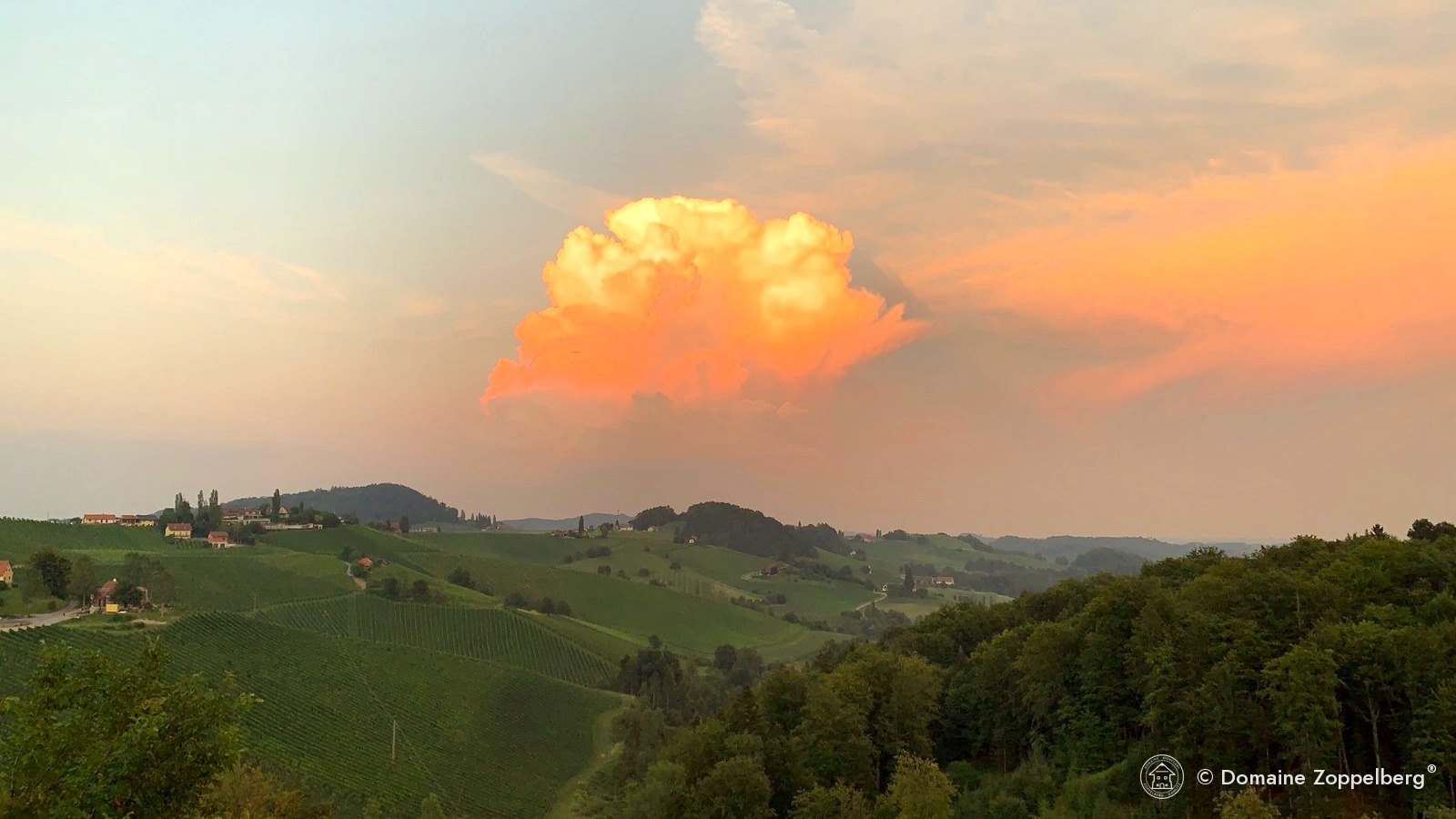
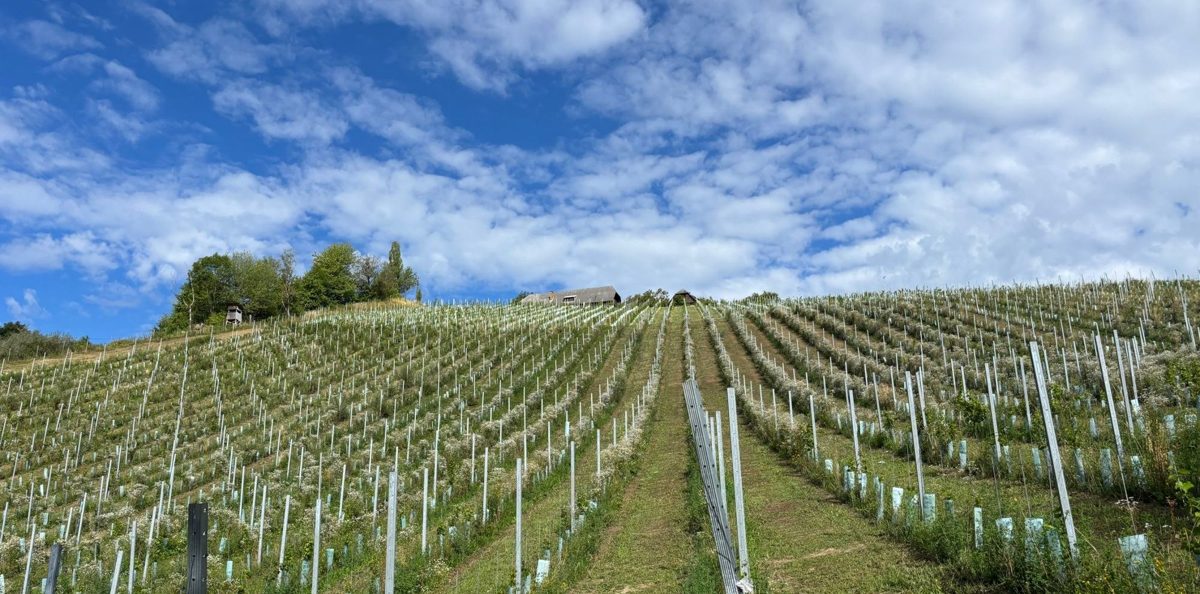
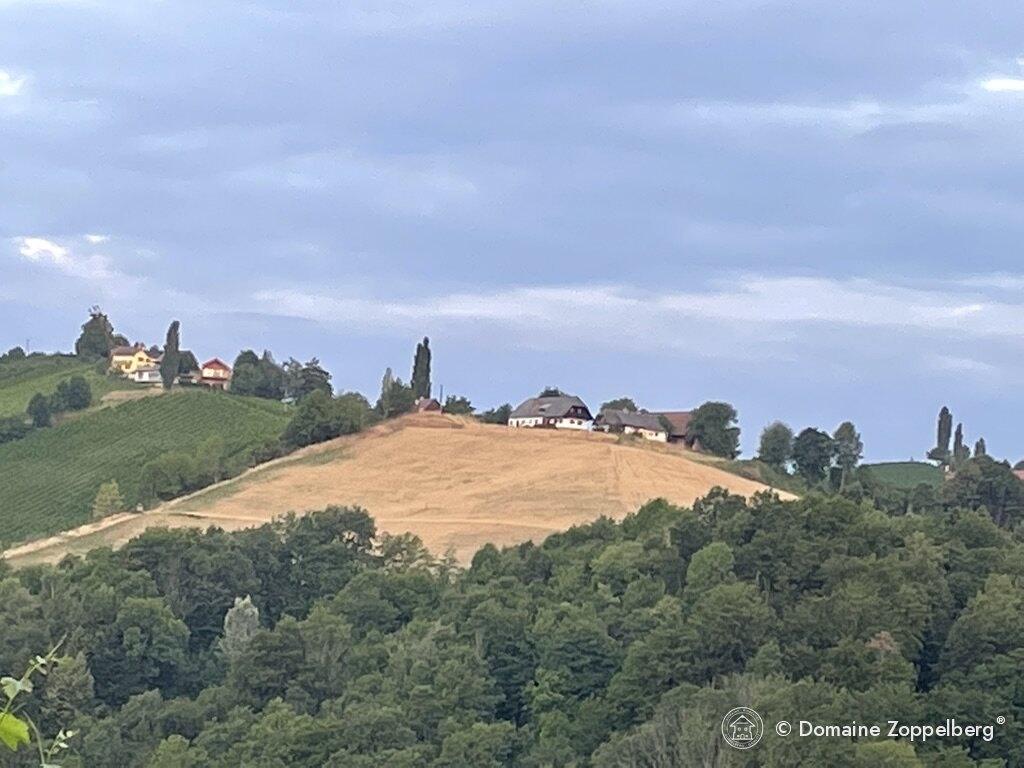
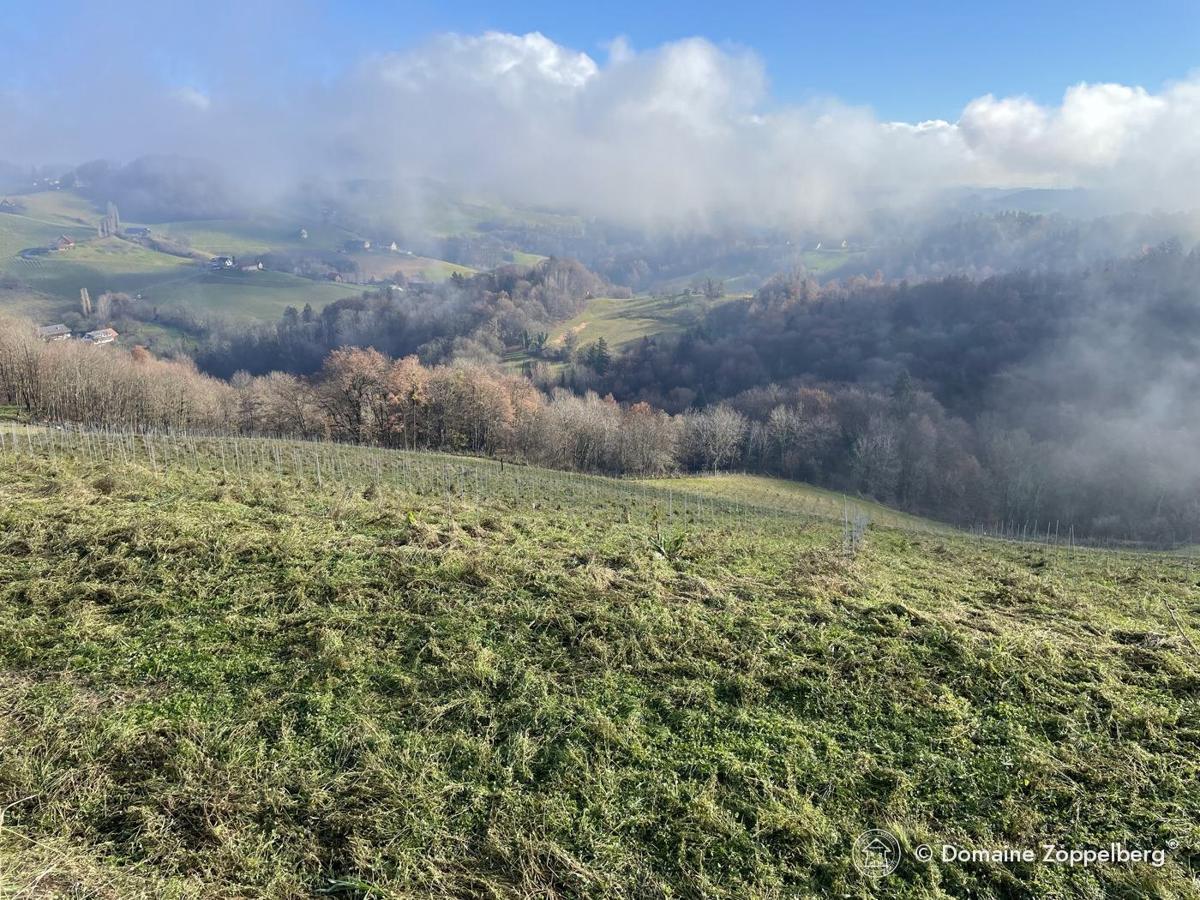
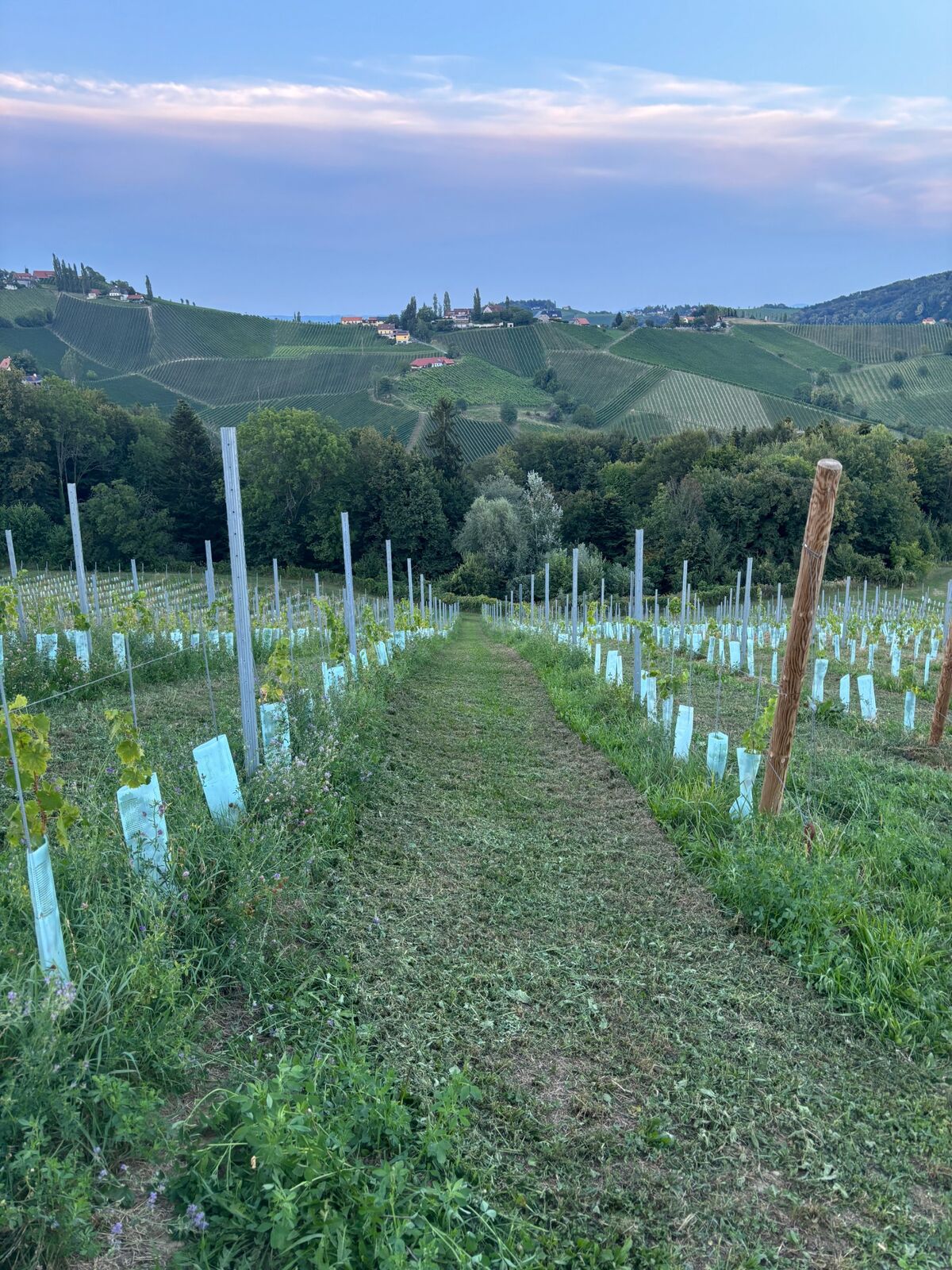
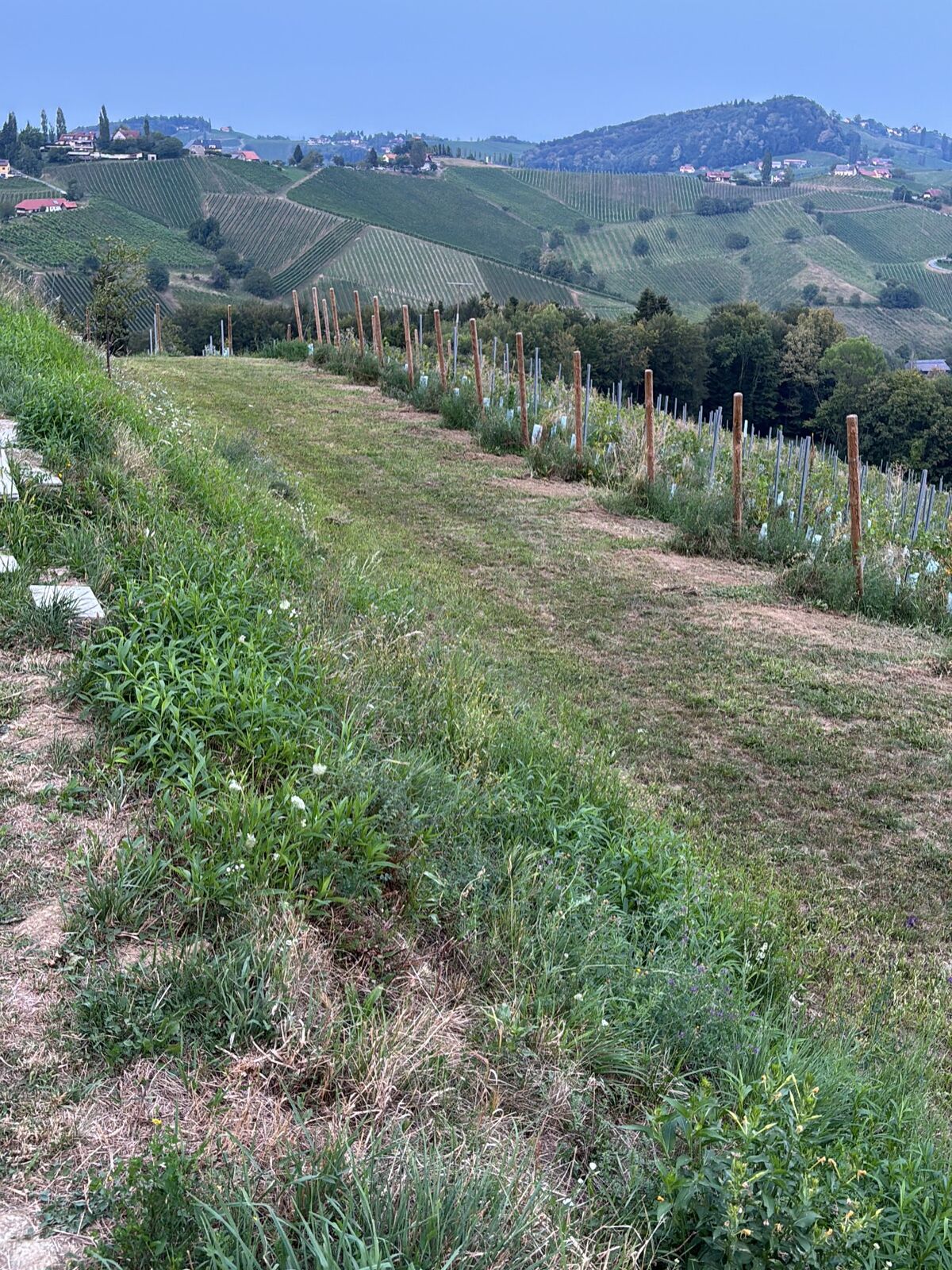
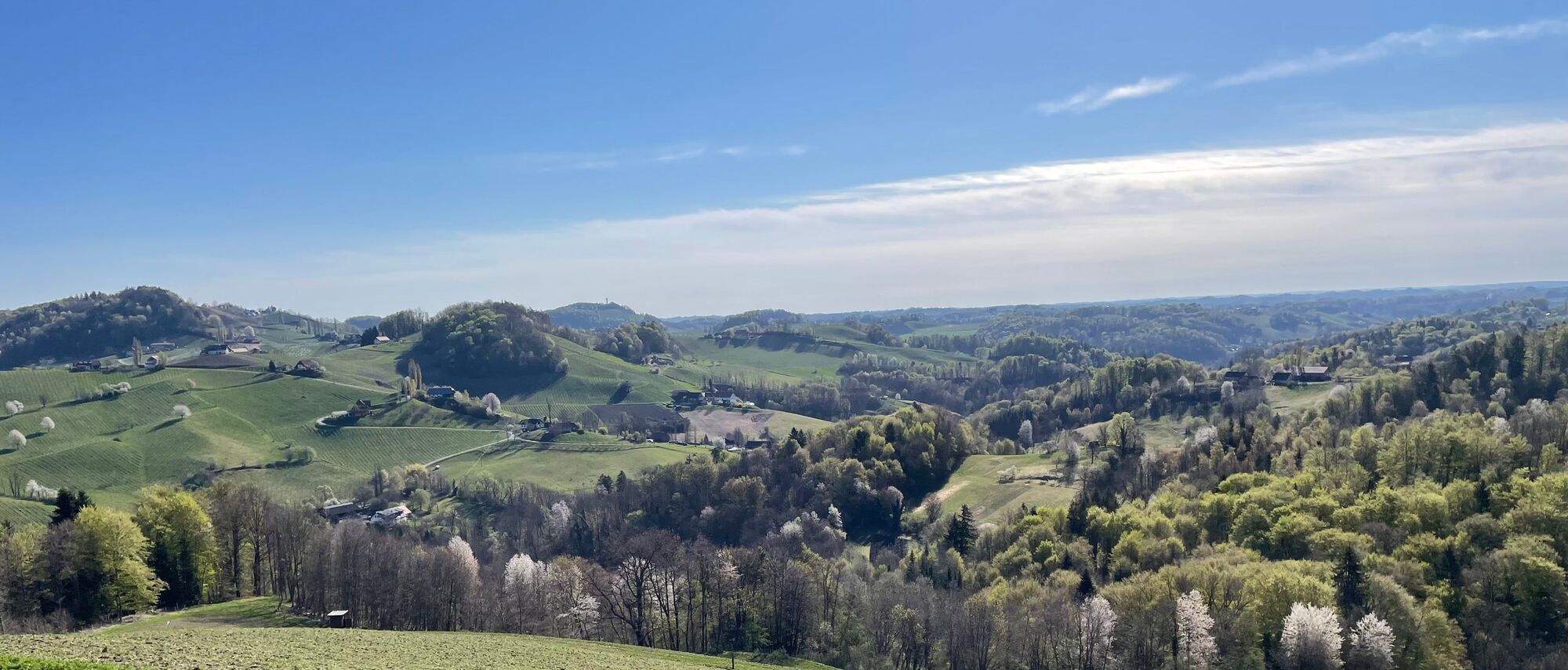
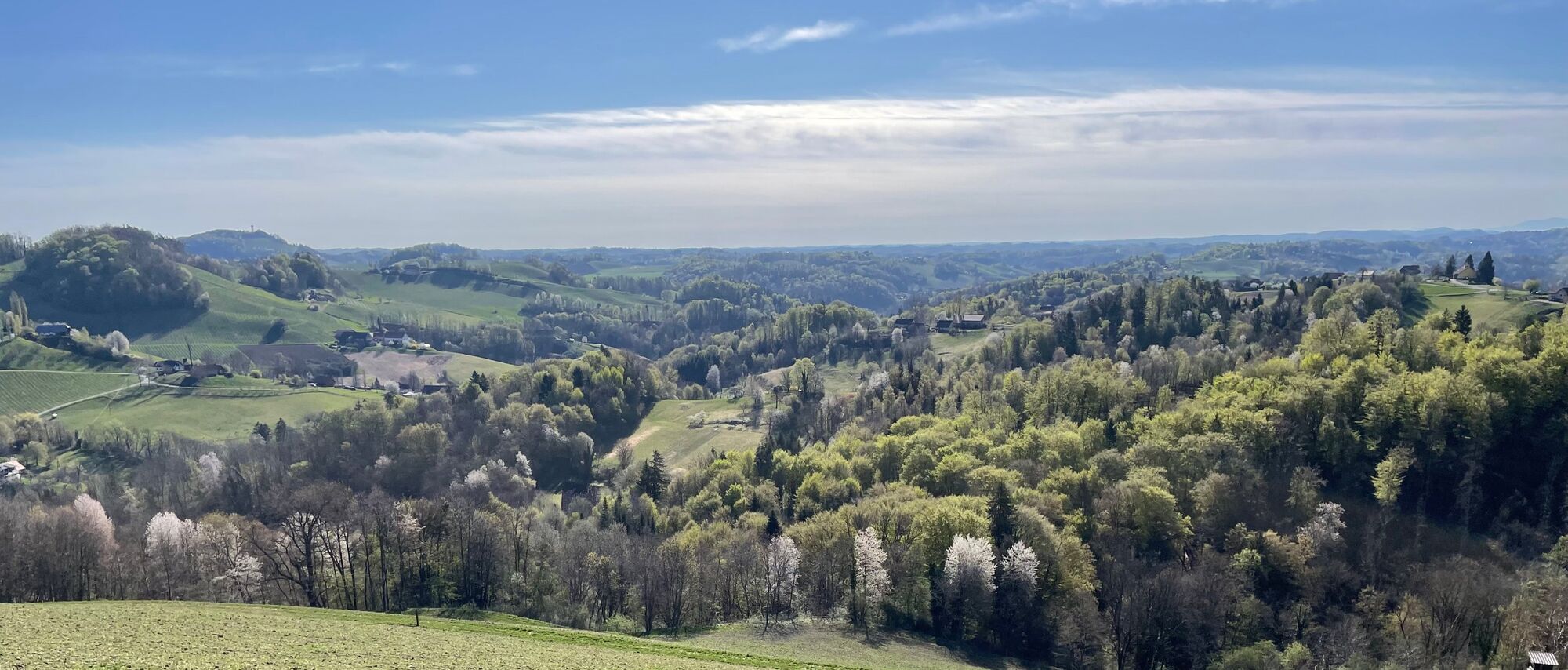
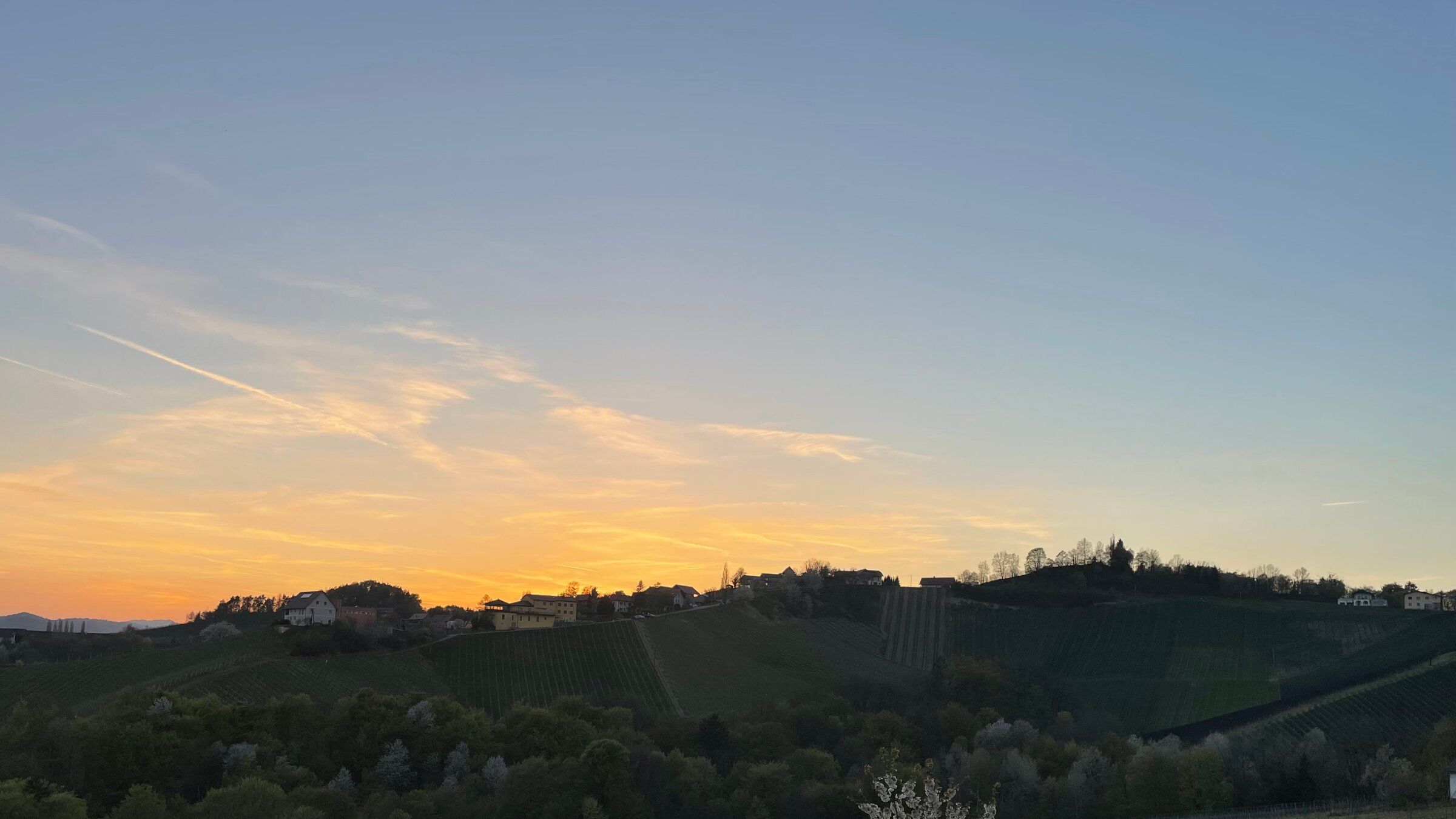
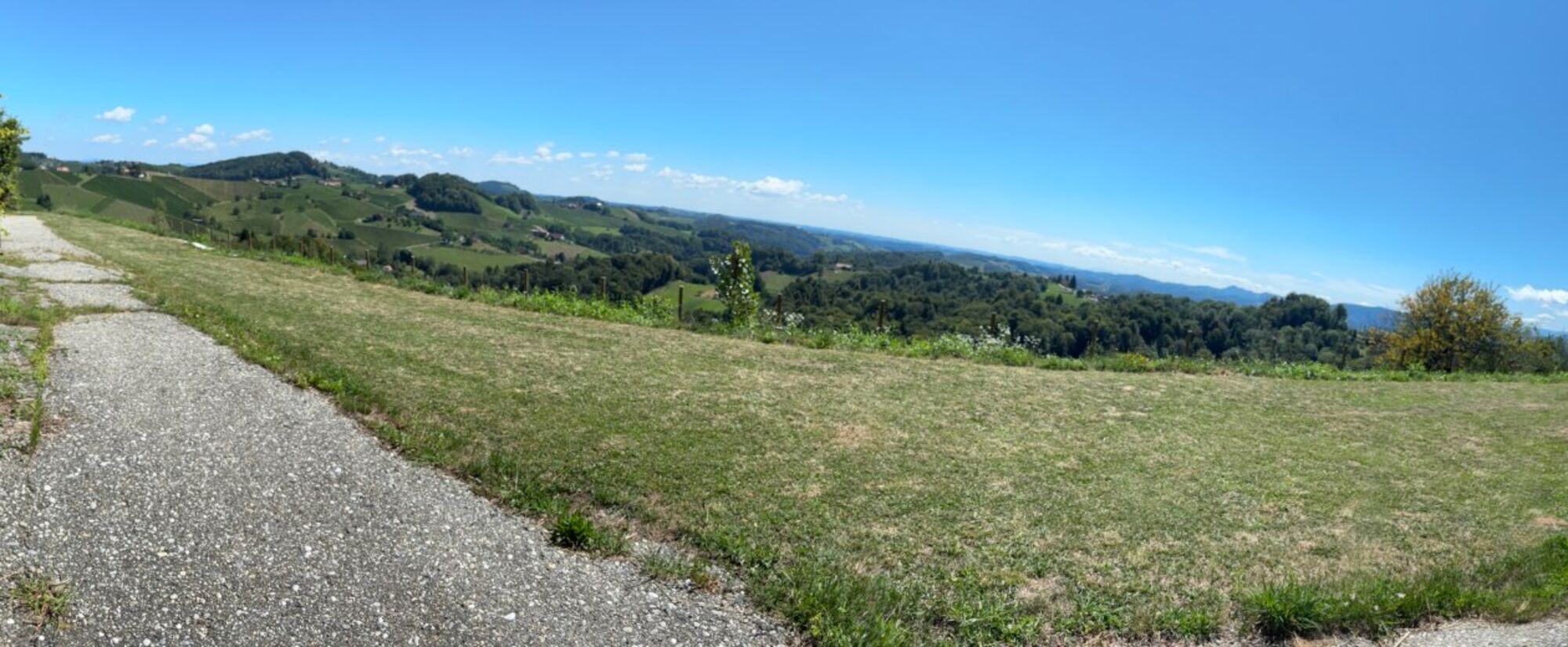
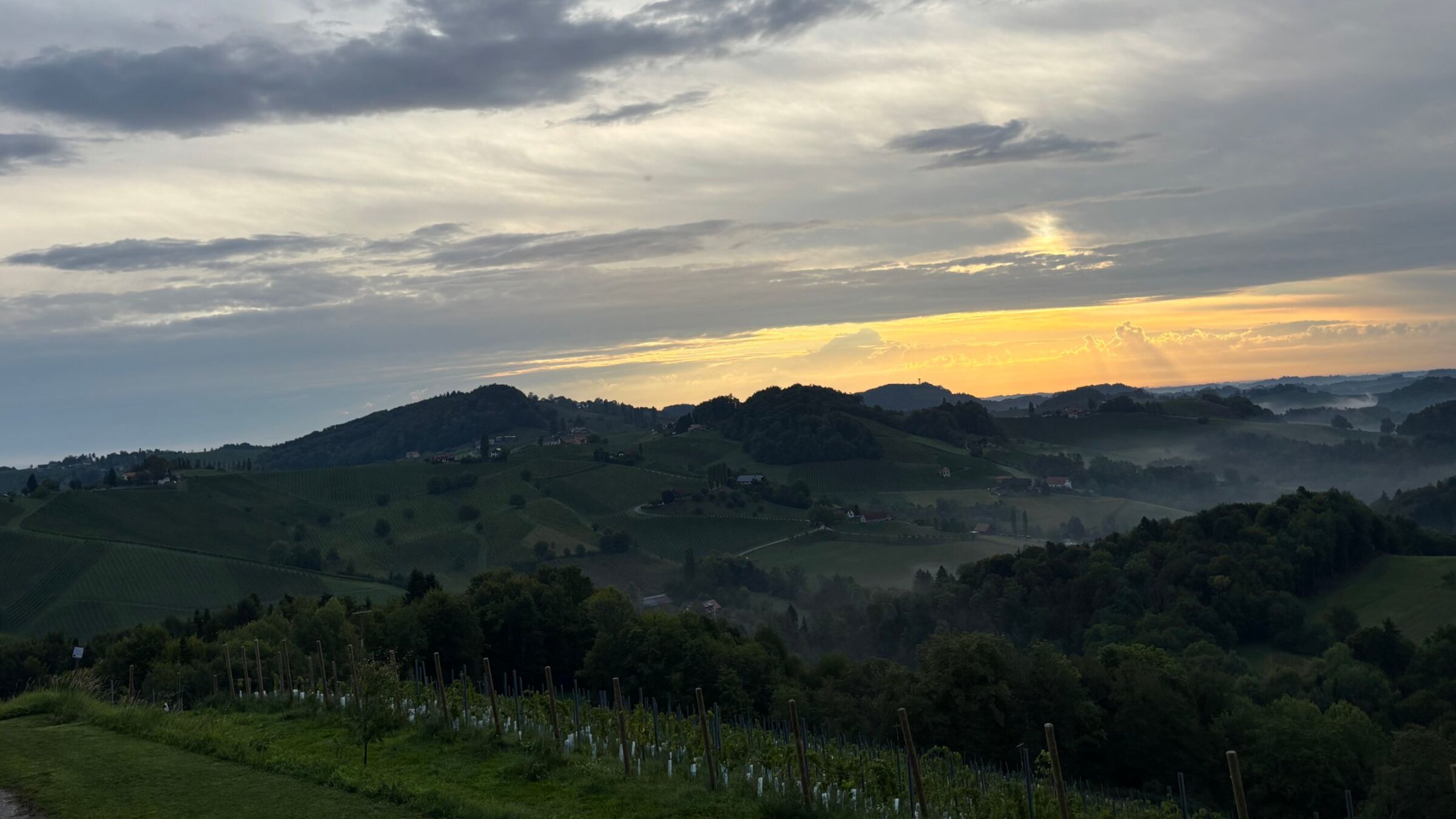
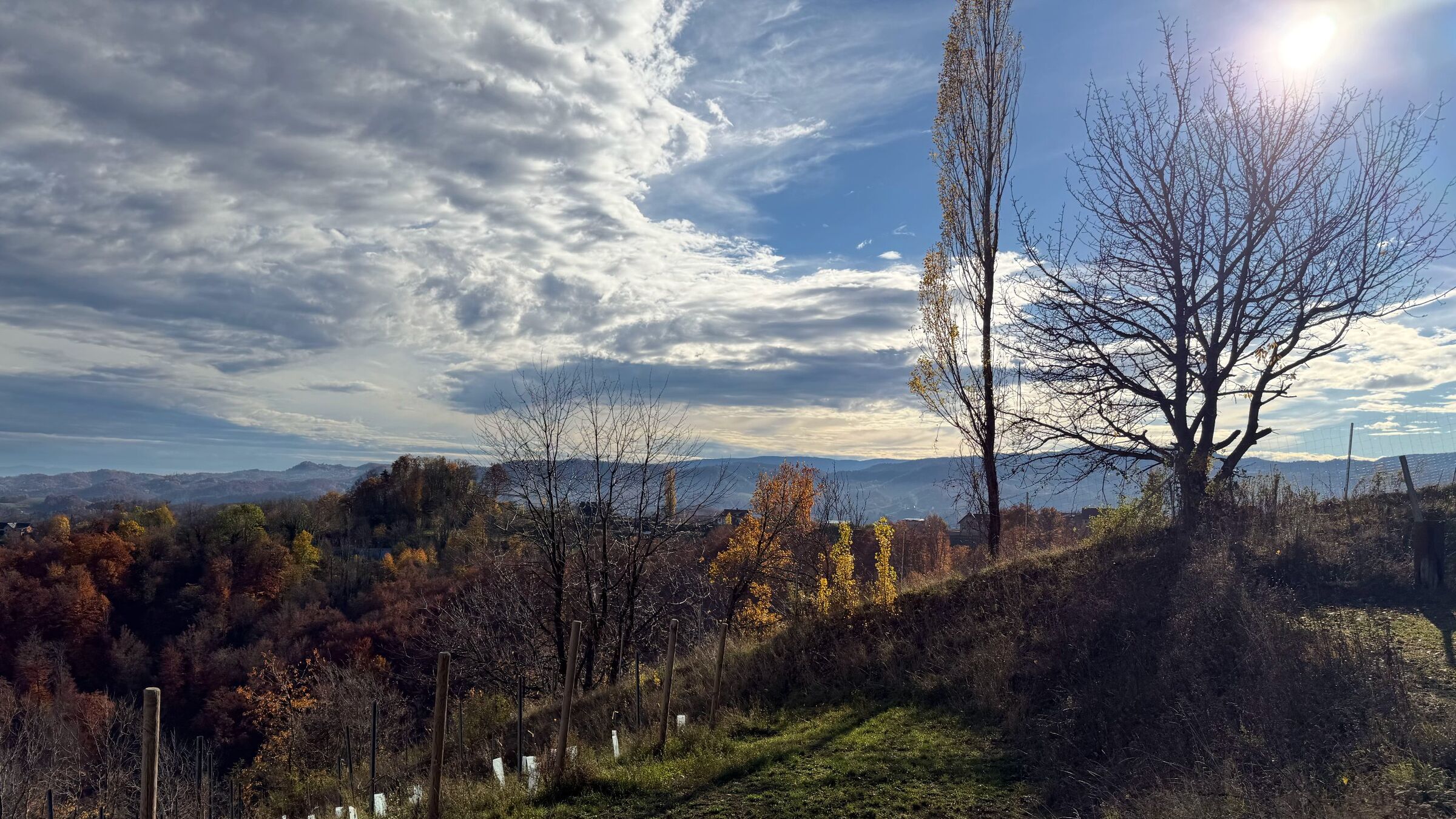
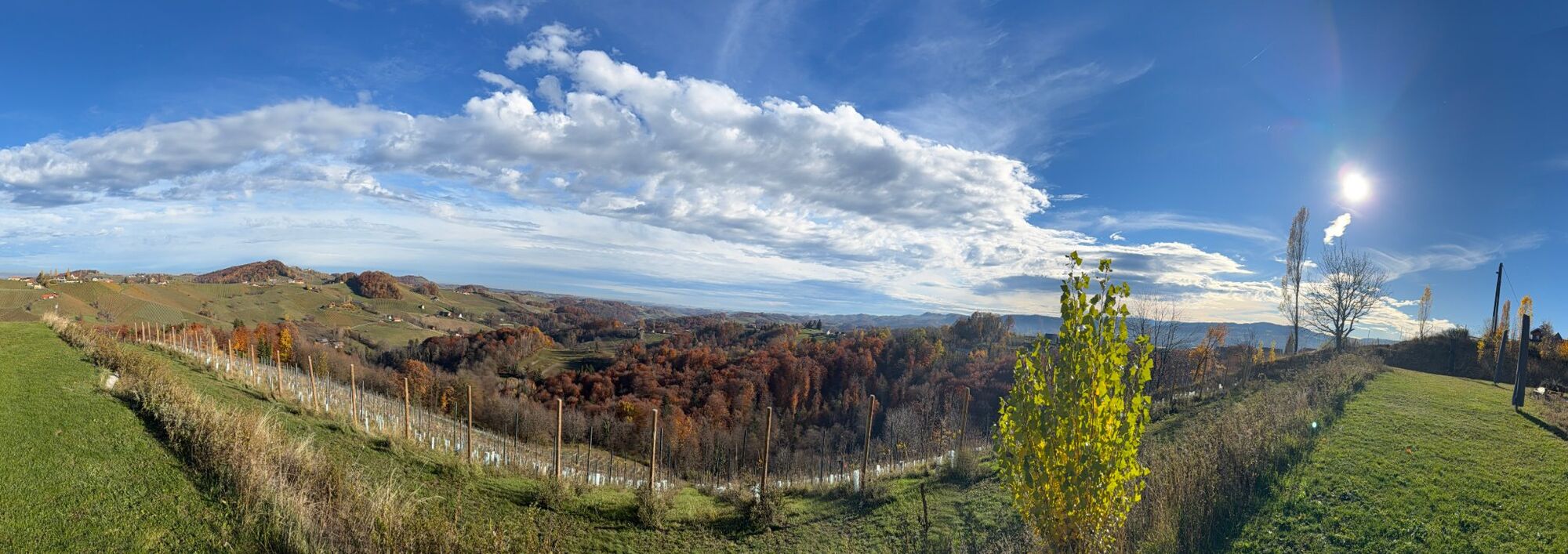
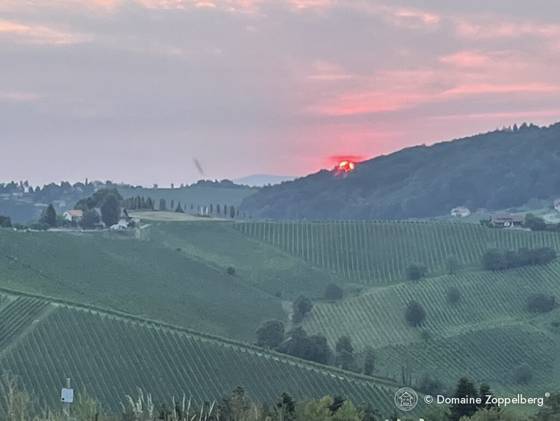
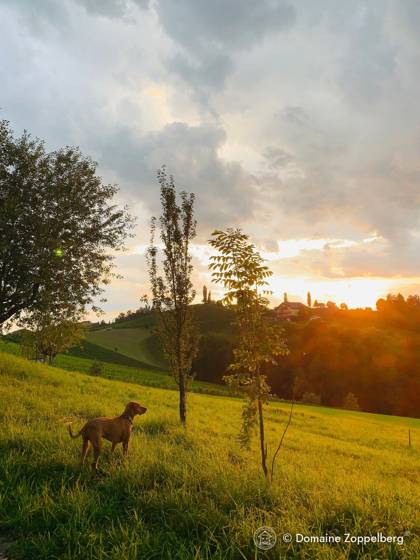
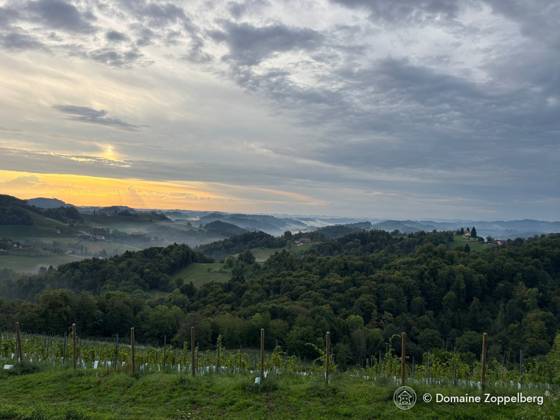
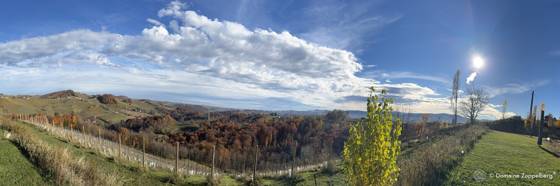
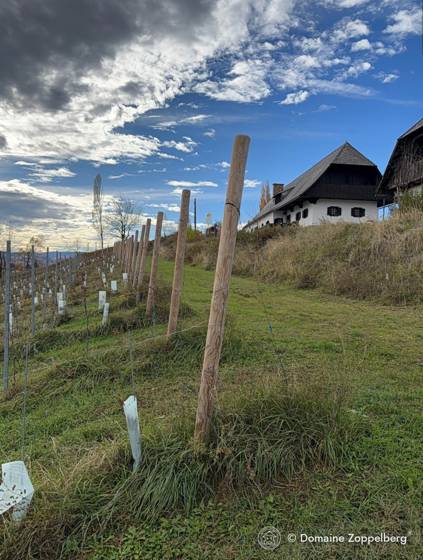
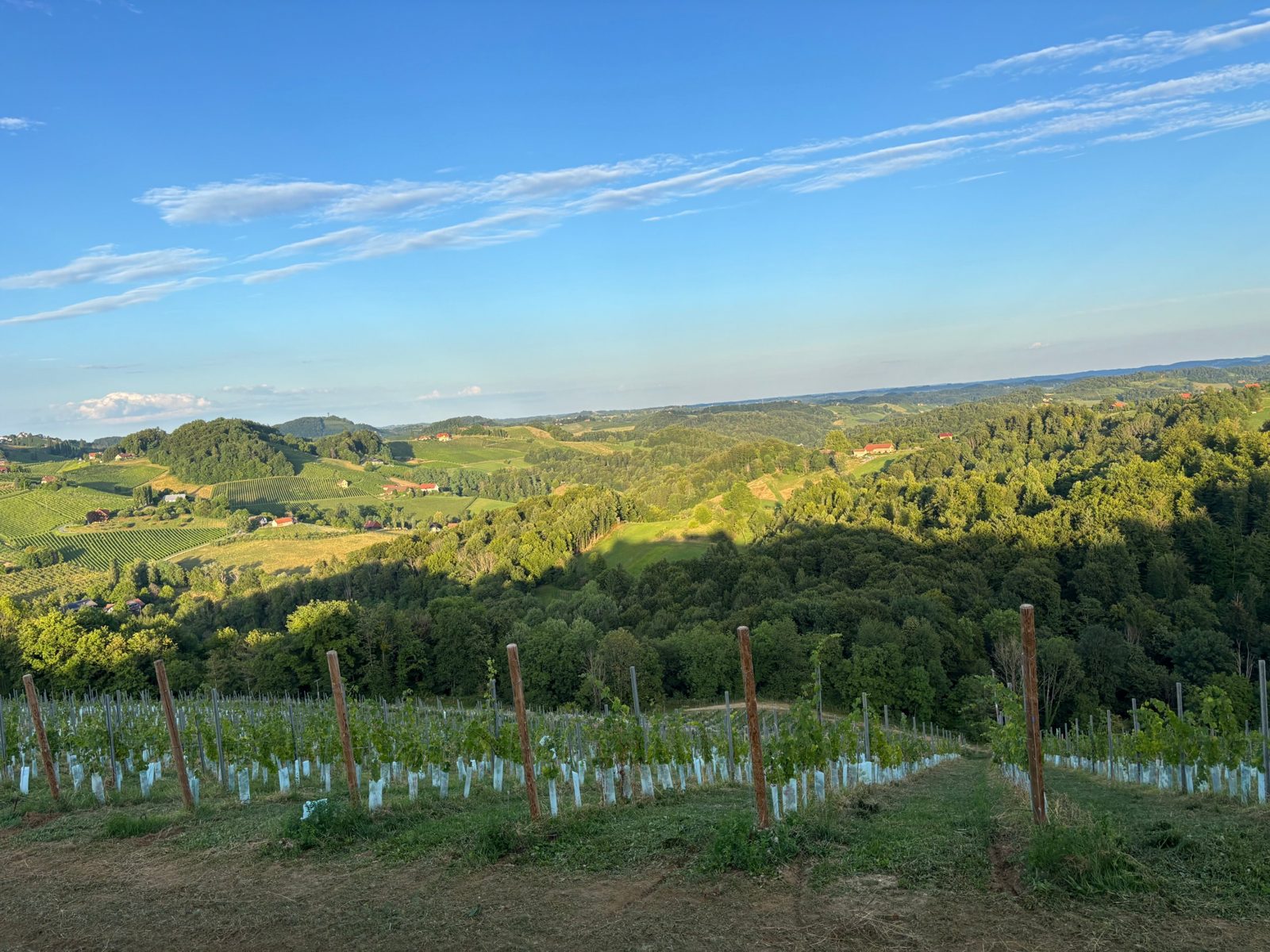
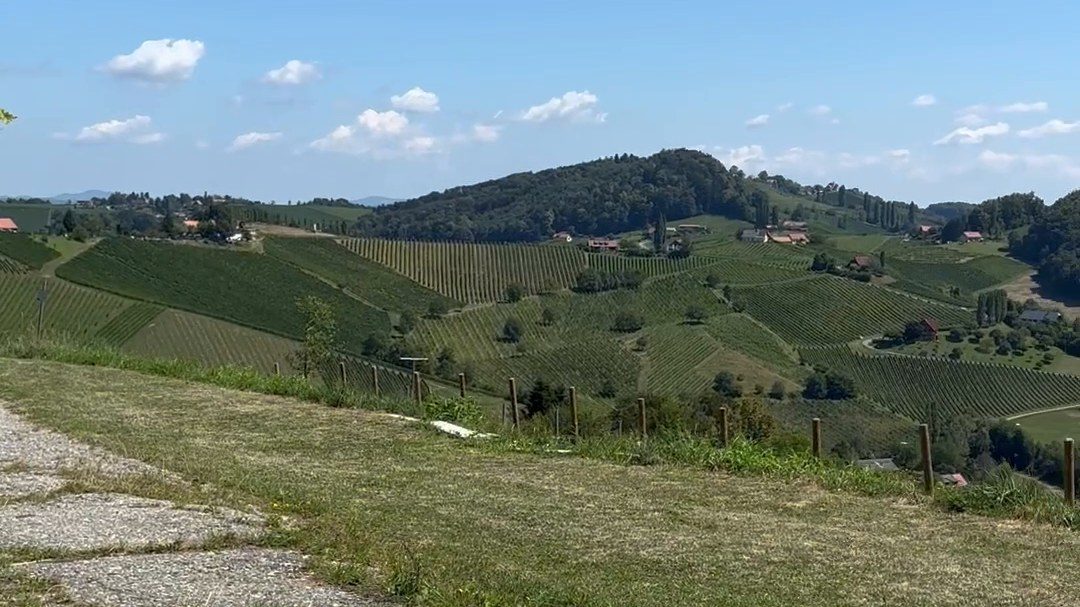
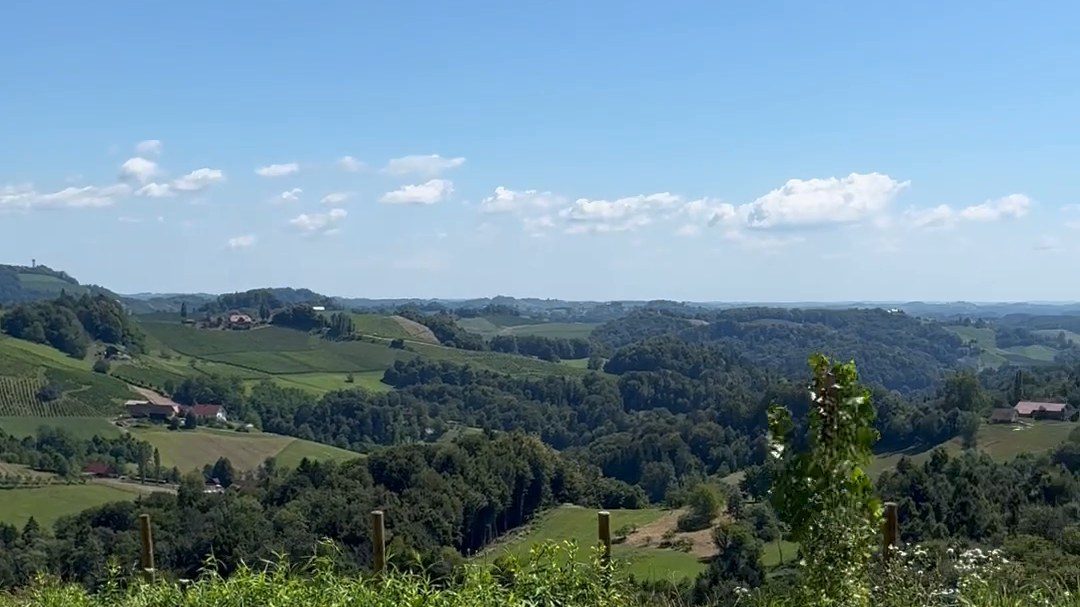
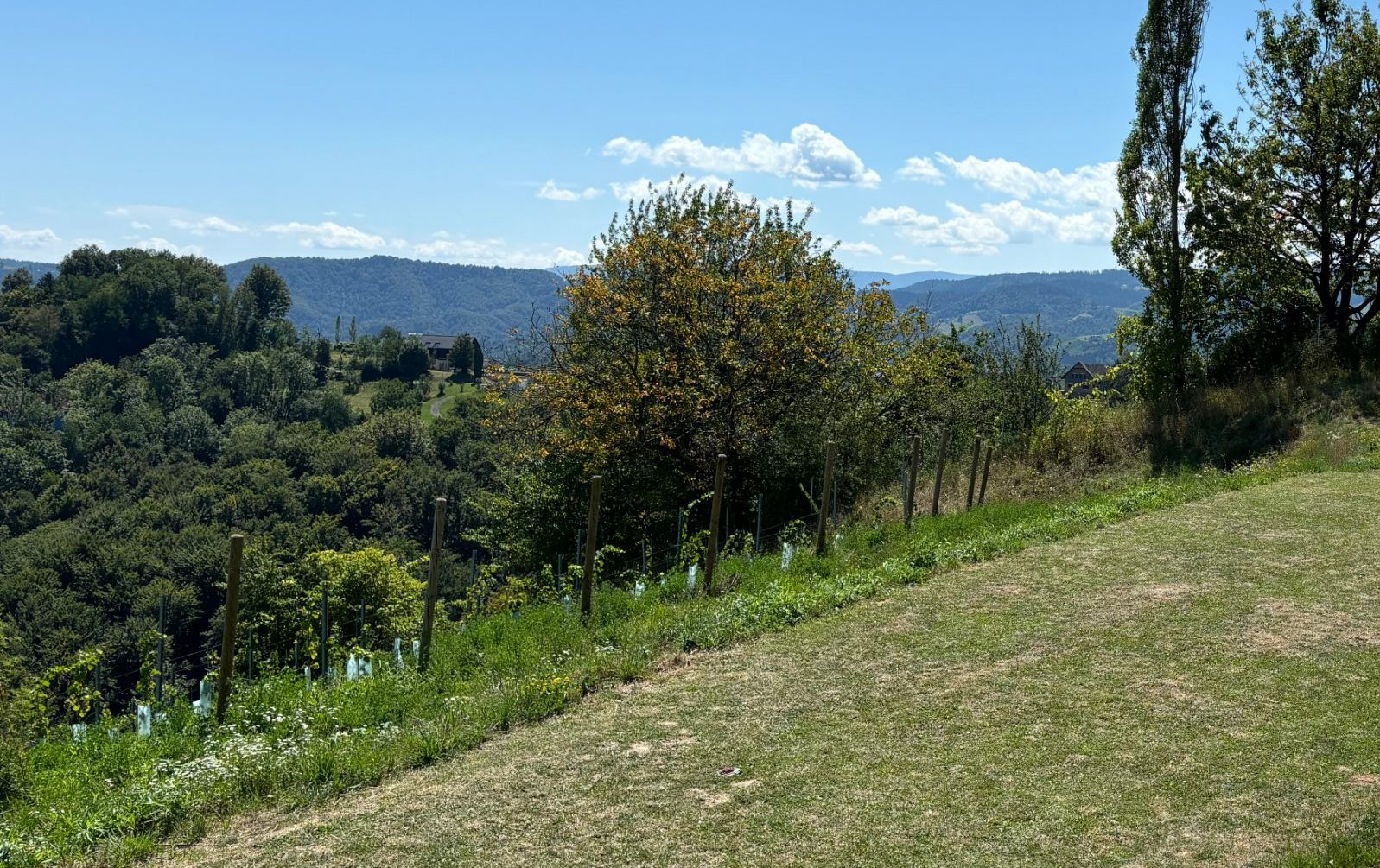
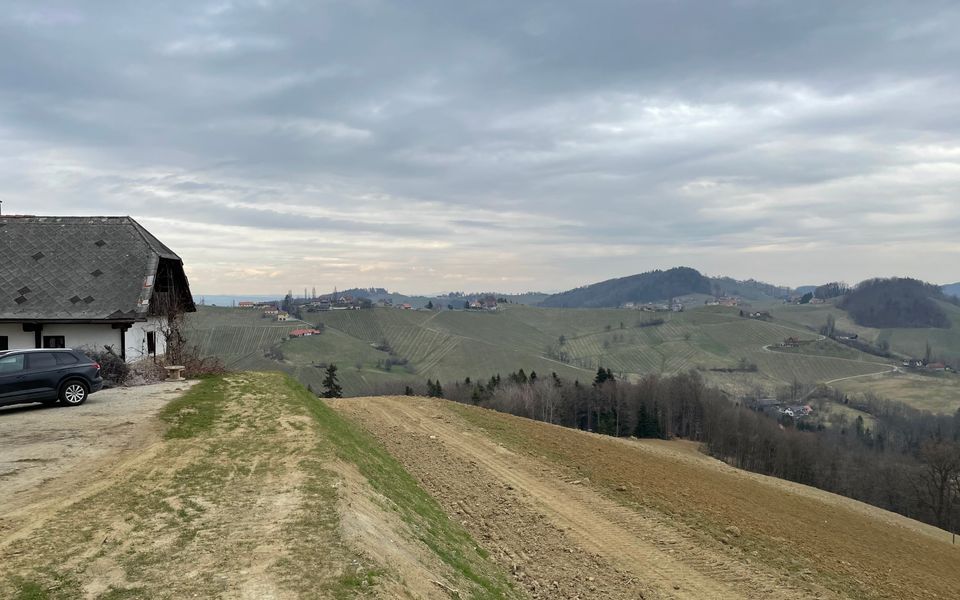
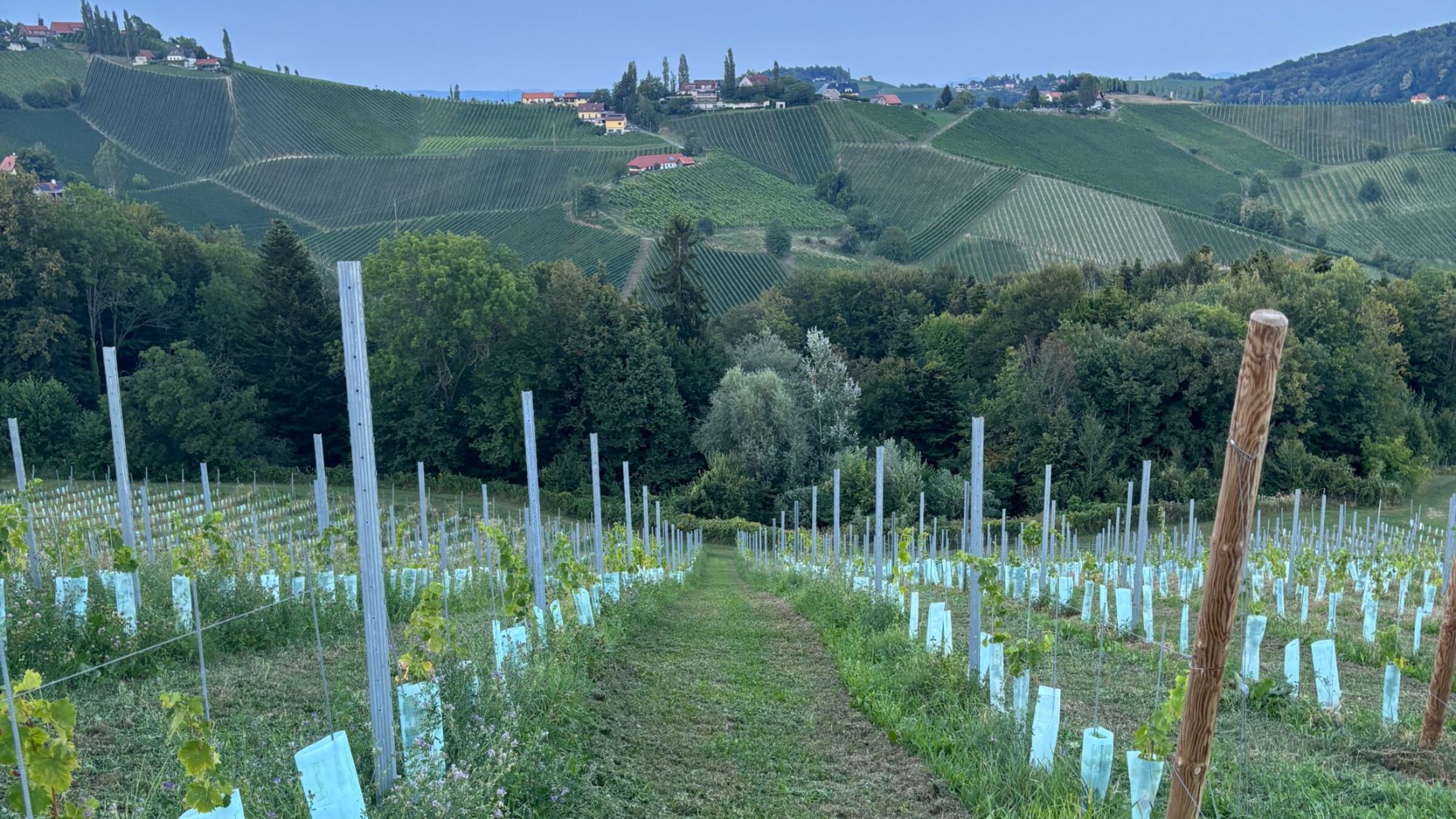
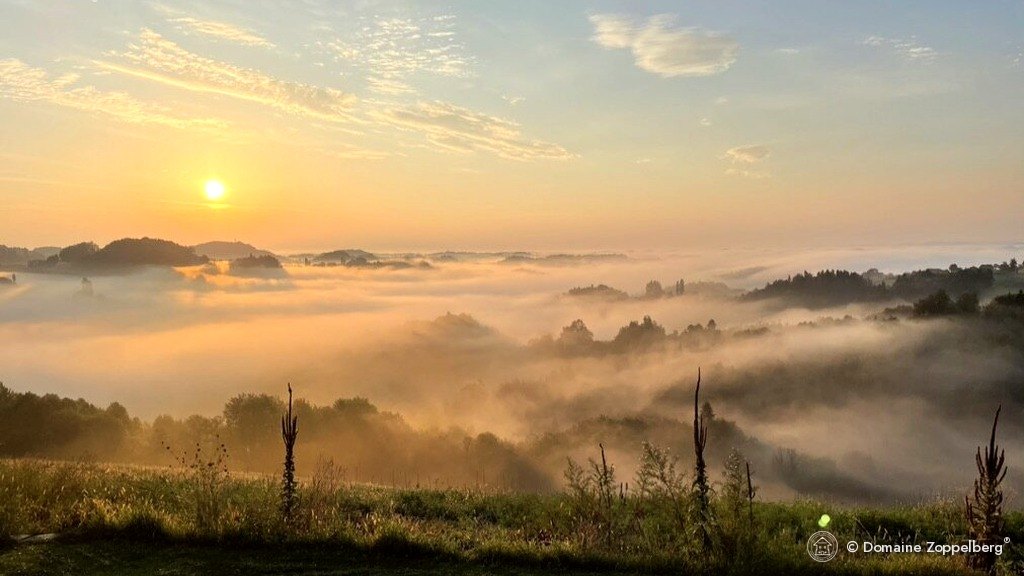
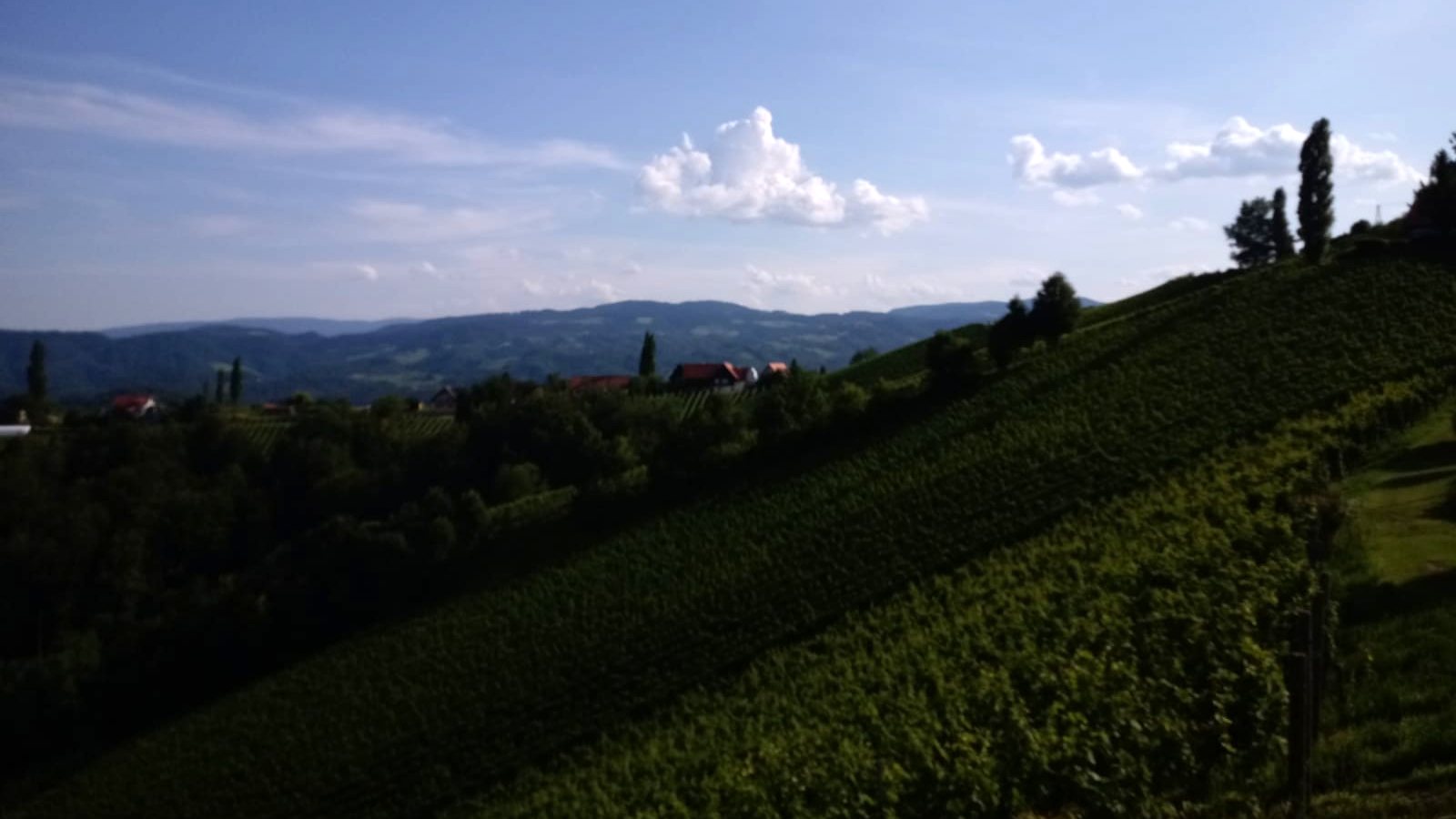
Evening light over the young vineyard at Zoppelberg with a view of the hills

Domaine Zoppelberg and ZOPP Zoppelberg

ZOPP Zoppelberg

Naturally vibrant grape beverages.

Alcohol-free for GenAlpha and GenZ

Discover ZOPP
DOMAINEZOPPELBERG™

Wine, sparkling & spritzers from the Zoppelberg.

Launch 2028/29

Discover Domaine

Two brands. One estate. One family. One hill: Zoppelberg, Gamlitz.

Pre-order ZOPP drinks · Launch 2027/28 →

© Domaine Zoppelberg™

OnlineShop · Pre-order

Two lines. One pre-registration.

Pick your line. Pre-orders come by the carton: 0.75 l in cartons of 12, ZOPP also small at 0.33 l in cartons of 24.

How pre-registration works

1 · Choose a cartonPre-orders come by the carton only: 0.75 l in cartons of 12, ZOPP 0.33 l in cartons of 24 (minimum 24 bottles). No single bottles.
2 · Pre-registerPre-registration is non-binding. We will contact you before launch.
3 · Order bindinglyA binding order is confirmed with a 50 % deposit.
4 · Prices & shippingPrices ex farm, incl. VAT and duties, excl. shipping. Free shipping from 3 cartons.

Have a discount code? Enter it in your cart before you pre-order. Alcoholic products 18+ only.

ZOPP Zoppelberg

Naturally vibrant.
Always alcohol-free.

Grape beverages from the Zoppelberg for GenAlpha and GenZ. The 2027/28 launch: three varieties, three moods.

See the varieties ↓

How do you want to enjoy?

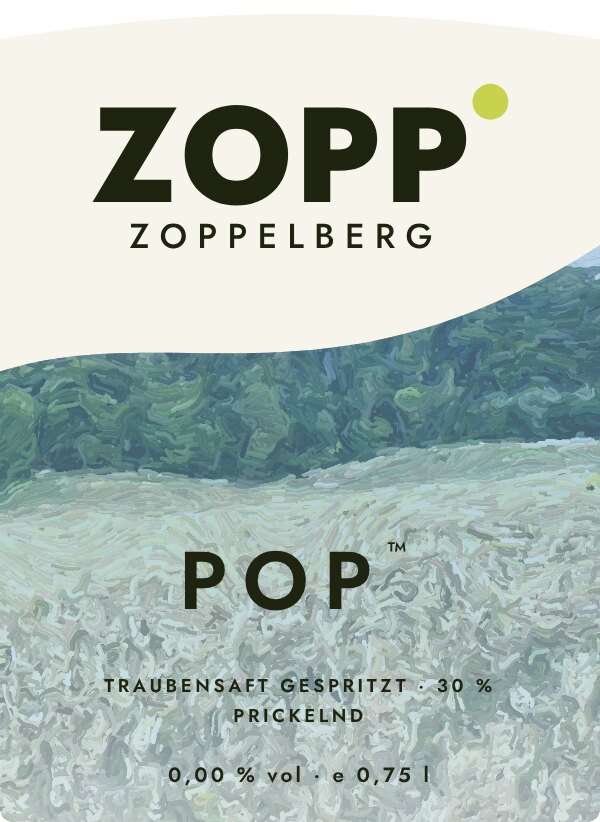
ZOPP Pop™

Fresh & sparkling

gooseberryelderflowerlightly sparkling

0.00 % vol · 0,75 l

€ 9 Guide price ex farm · € 12.00 / l

Pre-order
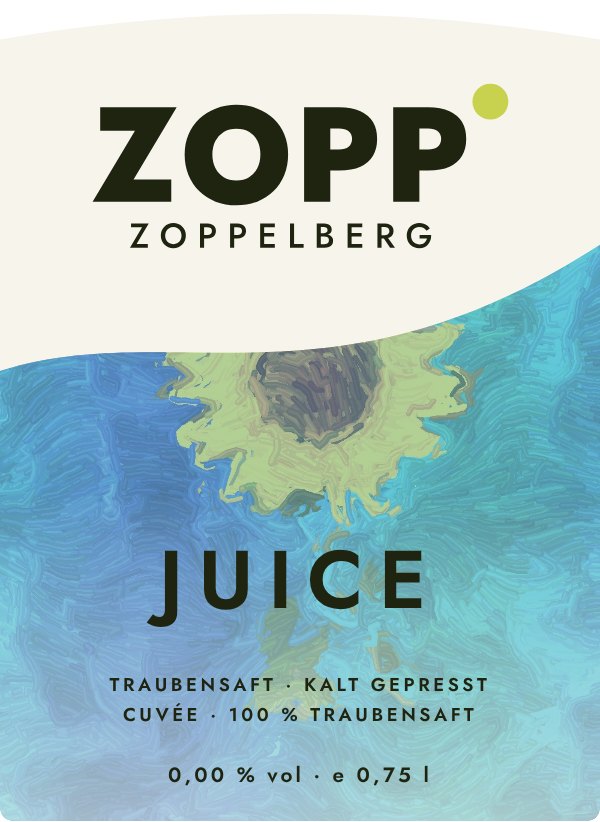
ZOPP Juice

Juicy & clear

ripe grapemuscat blossomfine acidity

0.00 % vol · 0,75 l

€ 9 Guide price ex farm · € 12.00 / l

Pre-order

ZOPP Dry

Dry & fresh

gooseberryblackcurrant leafcitrus

0.00 % vol · 0,75 l

€ 17 Guide price ex farm · € 22.67 / l

Pre-order
To get to know us and to give as a gift

The Whole Zopp

One bottle each of ZOPP Pop™, Juice and Dry: three ways to the grape, always alcohol-free.

€ 35 Guide price ex farm · 3 bottles · € 15.56 / l

Pre-order

More ZOPP

The ZOPP family is growing

Concentrate and powder: already in the shop as concepts.

ZERUPNO ADDED SUGAR
Current product planning

ZOPP Zerup

The grape concentrate in a small 65 ml plastic squeeze bottle: a splash for water, sparkling water or ice, always alcohol-free.

65 mlveganalkoholfrei

Price to follow

FLAVOUR
POWDER
Grape flavour to stir in
Current product planning

ZOPP Flavour Powder

The flavour powder in a round plastic tub with label: one spoonful for water, sparkling water, yoghurt or muesli.

Price to follow
First vintage 2027, limited edition.Pre-ordering means: secure a carton, 12 × 0.75 l or 24 × 0.33 l. Just add it to the cart and pre-order.All prices ex farm, incl. VAT and duties, excl. shipping. Free shipping from 3 cartons. 25 % discount with the code ZOPPELBERG27; 50 % deposit for a binding order.
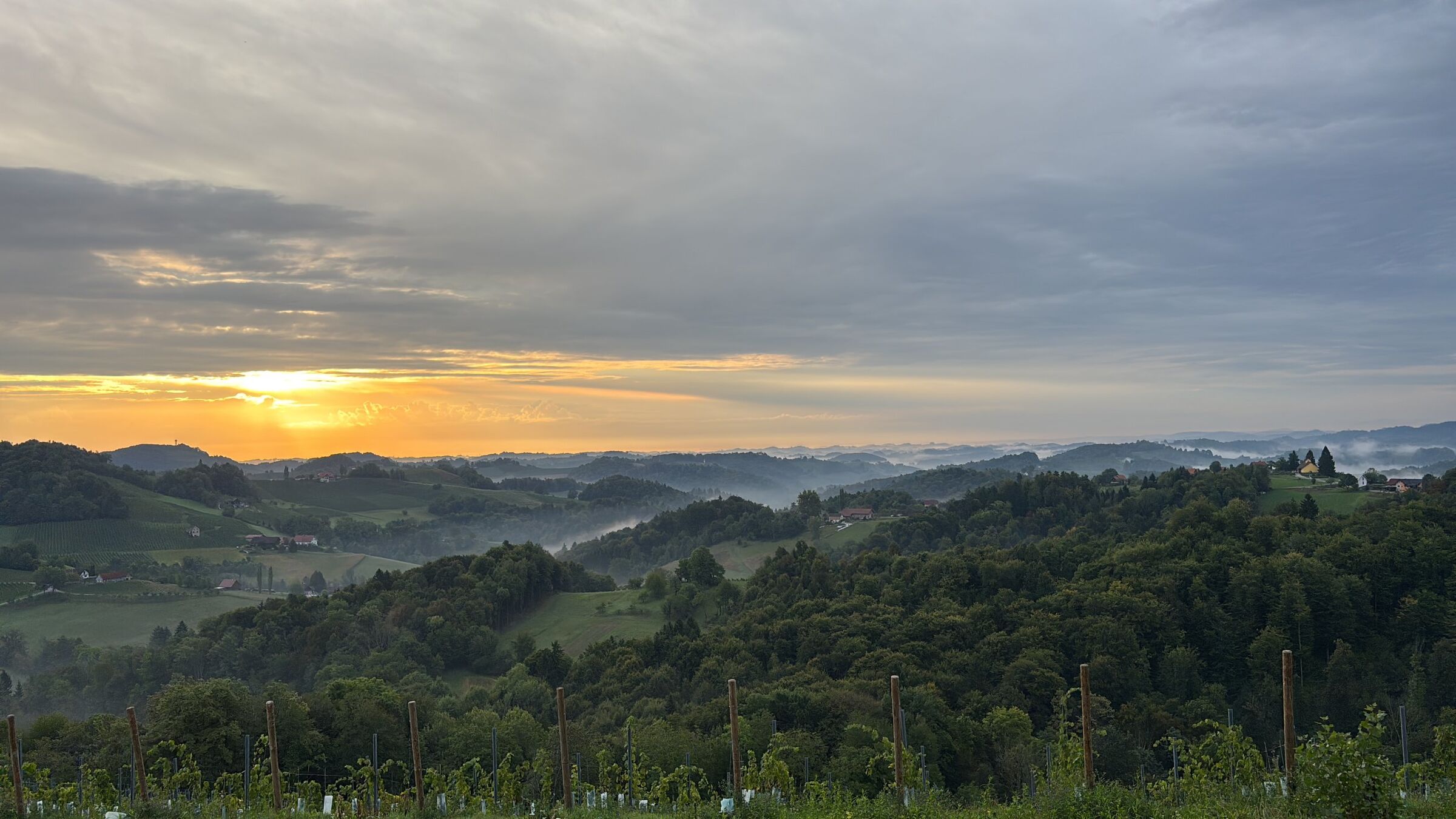
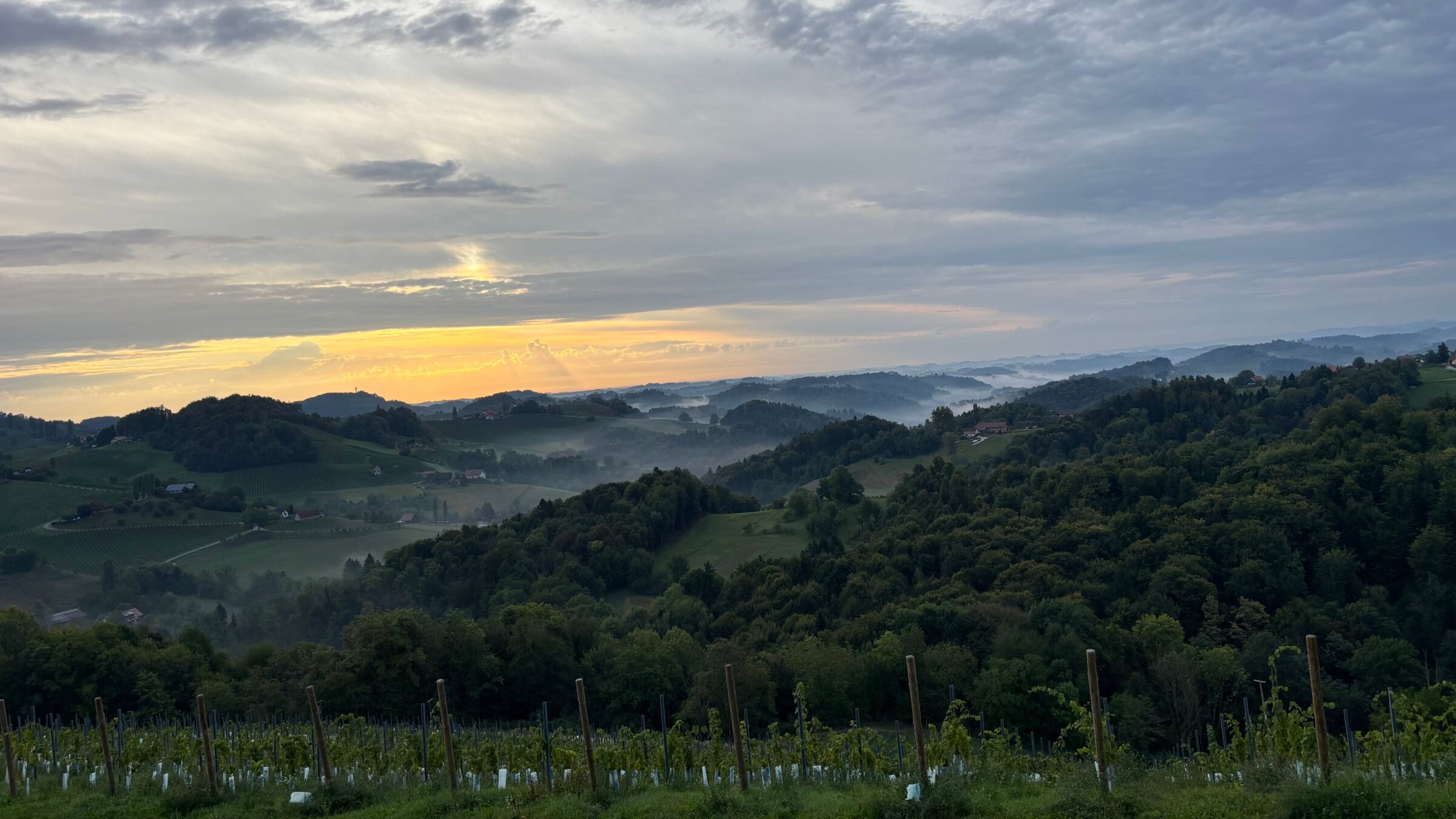
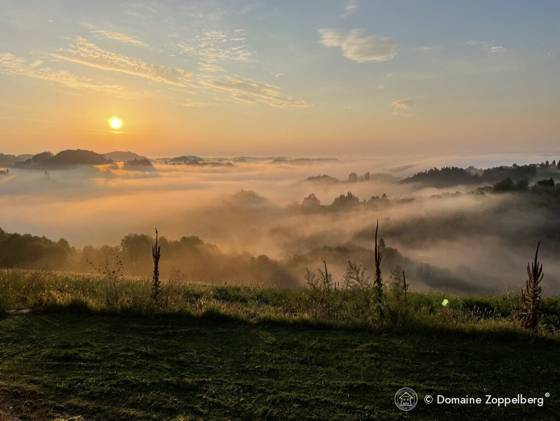
Morgennebel über den Hängen am Zoppelberg
DOMAINEZOPPELBERG™

Classic line · Launch 2028/29

Domaine Zoppelberg

Spritzer, wine and sparkling wine with the classic labels.

To the Domaine ↓
DOMAINEZOPPELBERG™

Classic line · Launch 2028/29

Domaine Zoppelberg: Spritzers, wine & sparkling

Our classic labels with pictures from the Zoppelberg. Alcoholic drinks launch in 2028/29, after the ZOPP launch in 2027/28. Pre-order now and we will let you know at launch.

Alcohol content: from 2.75 to 11.5 % vol. · Tap a value

2.75 % volTraubenSprizz™
4 – 7 % volSommerSprizz™ · ZoppelbergSprizz™ · WinterSprizz™
≤ 11.5 % volWine · Cuvée · Sparkling

TraubenSprizz™

Delicate & fruity

2.75 % vol · 0.75 l

€ 12 Guide price ex farm · € 16.00 / l

Pre-order

SommerSprizz™

Fresh & sparkling

4 % vol · 0.75 l

€ 13 Guide price ex farm · € 17.33 / l

Pre-order

ZoppelbergSprizz™

Fruity & fresh

5.5 % vol · 0.75 l

€ 13 Guide price ex farm · € 17.33 / l

Pre-order

WinterSprizz™

Round & spicy

7 % vol · 0.75 l

€ 13 Guide price ex farm · € 17.33 / l

Pre-order

Sauvignon Blanc

Crisp & dry

≤ 11.5 % vol · 0.75 l

€ 30 Guide price ex farm · € 40.00 / l

Pre-order

Gelber Muskateller

Fragrant & light

≤ 11.5 % vol · 0.75 l

€ 23 Guide price ex farm · € 30.67 / l

Pre-order

Pinot Blanc

Creamy & mild

≤ 11.5 % vol · 0.75 l

€ 23 Guide price ex farm · € 30.67 / l

Pre-order

Cuvée Zobe™

Lively & dry

≤ 11.5 % vol · 0.75 l

€ 26 Guide price ex farm · € 34.67 / l

Pre-order

ZobeHauch™

Light & airy

9 % vol · 0.75 l

€ 19 Guide price ex farm · € 25.33 / l

Pre-order

Cuvée Opokiano™

Taut & mineral

≤ 11.5 % vol · 0.75 l

€ 23 Guide price ex farm · € 30.67 / l

Pre-order

Cuvée Zoppeliano™

Soft & fragrant

≤ 11.5 % vol · 0.75 l

€ 23 Guide price ex farm · € 30.67 / l

Pre-order

Cuvée 1781™

Layered & dry

≤ 11.5 % vol · 0.75 l

€ 30 Guide price ex farm · € 40.00 / l

Pre-order

Zoppelberger 1 l

Light & everyday

≤ 11.5 % vol · 1 l

€ 18 Guide price ex farm · € 18.00 / l

Pre-order

Sparkling Blanc de Blancs

Fine bubbles & dry

≤ 11.5 % vol · 0.75 l

€ 27 Guide price ex farm · € 36.00 / l

Pre-order

Labels · Classic line

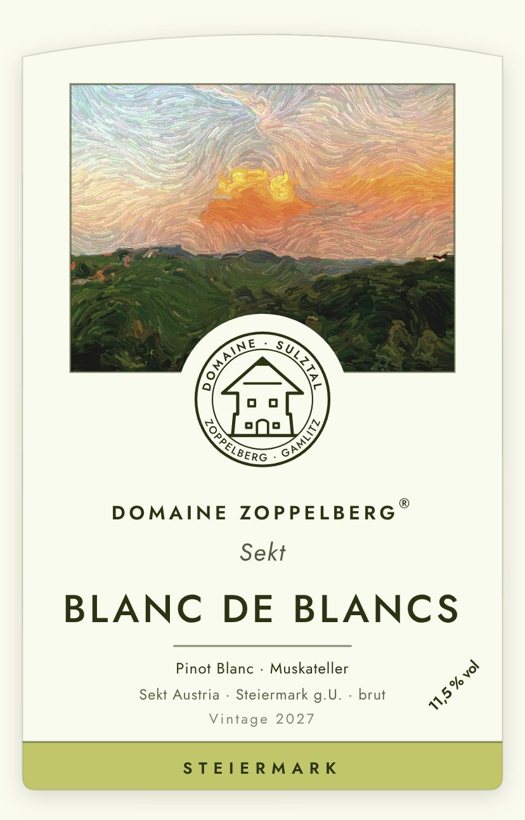
The labels of the Domaine

Front and back: tap a label to see its reverse side. Every picture comes from the Zoppelberg.

The labels of Domaine Zoppelberg in a row
Pre-order: carton of 12 (0.75 l) or 24 (0.33 l)Age 18+ for the alcoholic products of the DomainePrices: ex farm, incl. VAT and duties, excl. shippingFree shipping from 3 cartonsDiscount code: ZOPPELBERG27 (25 %)Collection at the farm possible
ZOPP Zoppelberg

Alcohol-free for GenAlpha and GenZ

Grape beverages, colourful and lively. Launching 2027/28 with Juice, Dry and Pop™.

DOMAINEZOPPELBERG™
Classic line · Launch 2028/29

Spritzers, varietal wines, cuvées and sparkling wine from the Sulztal.
Two brands. One grape.

Mission · Grape beverages

Naturally vibrant grape beverages.

Origin

Zobelberg since 1265

Opok slope, Sulztal, the Keglovics family.

Future

ZOPP for GenAlpha and GenZ

On the way to an organic Traubengarten™.

Naturally vibrant: we make grape beverages from the Zoppelberg, from clear juice to sparkling wine. It always starts with the grape from the Opok slope in the Sulztal. Everyone belongs at the table.

Alcohol content: from 0 to 11.5 % vol.
Grape firstTraube zuerstVariety and slope come before every name.
A seat for everyoneFür alle am TischAll grape beverages are equal, the alcohol-free ones in blue.
Honestly labelledEhrlich gekennzeichnetIngredients, juice content, % vol., only what can be proven.

Grapes · From farming to vinification

Organic by conviction, inspected to EU standards

No synthetic pesticides, no herbicides, no mineral fertiliser. Since planting.

Less ↓

Organic since planting

With a passion for grapes and the region, the vineyard has been farmed since planting without synthetic pesticides, herbicides or mineral fertiliser. Fertilisation is organic, with an organic fertiliser approved for organic viticulture. Grasses, herbs and flowers between the rows hold the slope and feed soil life.

Steep slopes against frost

The vines stand on the slope, where cold air drains away at night. This protects above all the early-budding Muskateller. The vineyard is designed to last 25 to 30 years.

Where we stand: from conventional to biodynamic

Between the legal minimum and Demeter lies a wide range. The scale shows the main levels in Austrian grape cultivation and where the Zoppelberg stands today. Tap for details.

Zoppelberg · since 20253 / 5EU organic

Regulation (EU) 2018/848: no synthetic chemicals, no readily soluble mineral fertiliser.

Synthetic pesticides
prohibited
SO₂ dry white wine
max. 150 mg/l
Inspection
yearly, control body
Legal minimum standardStrictest standards

Values simplified: SO₂ for dry white wine below 2 g/l residual sugar (Demeter: below 5 g/l). The standards in force are binding.

BioInspection & standards

Inspection & certification

Since 2025 the estate has been under contract with Austria Bio Garantie – Landwirtschaft GmbH, the organic control body for farms within the ABG group. Inspections take place at least once a year, including unannounced visits, under the EU organic regulation. Our certificate is publicly available – in the EU directory TRACES and in the control bodies’ certificate database easy-cert.

Control body, farmingAT-BIO-302

Austria Bio Garantie – Landwirtschaft GmbH

Control body, processingAT-BIO-301

Austria Bio Garantie GmbH, responsible for processing and trade of organic products.

The road to organic wine

  • 2025Control contract with Austria Bio Garantie – Landwirtschaft, effective 1 January 2025. The whole estate is inspected: 4.1 ha of vineyard, no conventional part.
  • from 2028First wine with the EU organic logo.

Legal basis

  • Regulation (EU) 2018/848 on organic production with its implementing and delegated acts
  • Guideline for agricultural products from organic production and derived products
  • Austria Bio Garantie certification programme

In the vineyard

  • No synthetic pesticides or herbicides
  • No readily soluble mineral fertiliser
  • Cover crop, humus building, beneficial insects

In the cellar & on the label

  • Only grapes from organic farming
  • Restricted list of permitted treatments
  • Less sulphur: dry white wine max. 150 instead of 200 mg/l
  • EU organic logo, control body code and origin “Austria agriculture”
BioWine law & legal framework

Austrian Wine Act 2009

The Austrian Wine Act governs origin, quality levels and designations. Every quality wine needs a state test number; inspections are carried out by the Federal Cellar Inspectorate.

Südsteiermark DAC

Ordinance BGBl. II No. 299/2018, in force from the 2018 vintage: regional, village and single-vineyard wine, permitted varieties, max. 4 g/l residual sugar, sale from 1 March or 1 May, glass bottles only.

EU wine law & labelling

Common market organisation Regulation (EU) 1308/2013 and labelling Regulation (EU) 2019/33. Since 8 December 2023 ingredients and nutrition values must be declared, also digitally via a QR code on the label.

Organic law

Regulation (EU) 2018/848 on organic production with Implementing Regulation (EU) 2021/1165 (permitted products and cellar practices).

Summary without guarantee. The legal texts in force are binding.
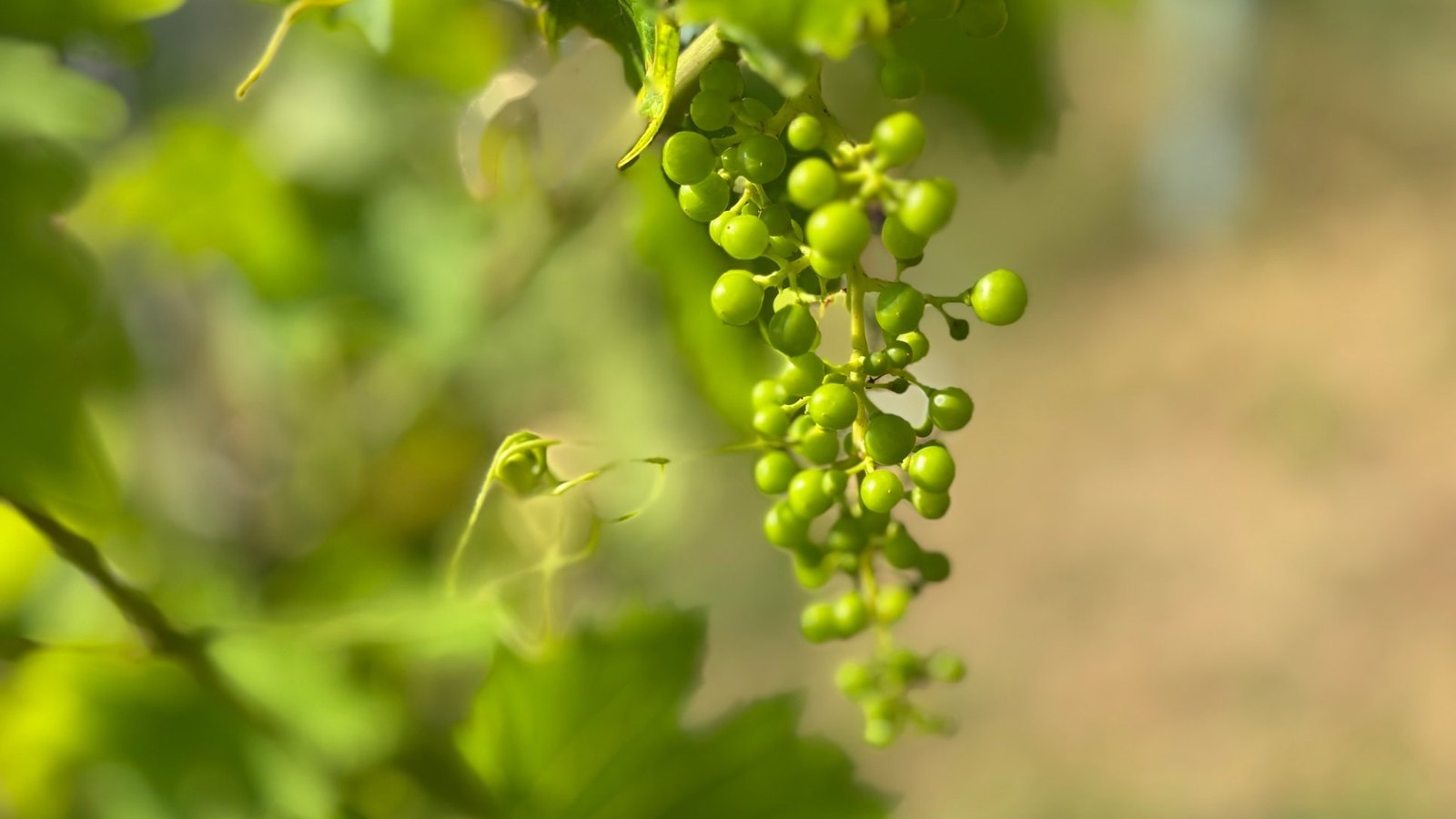
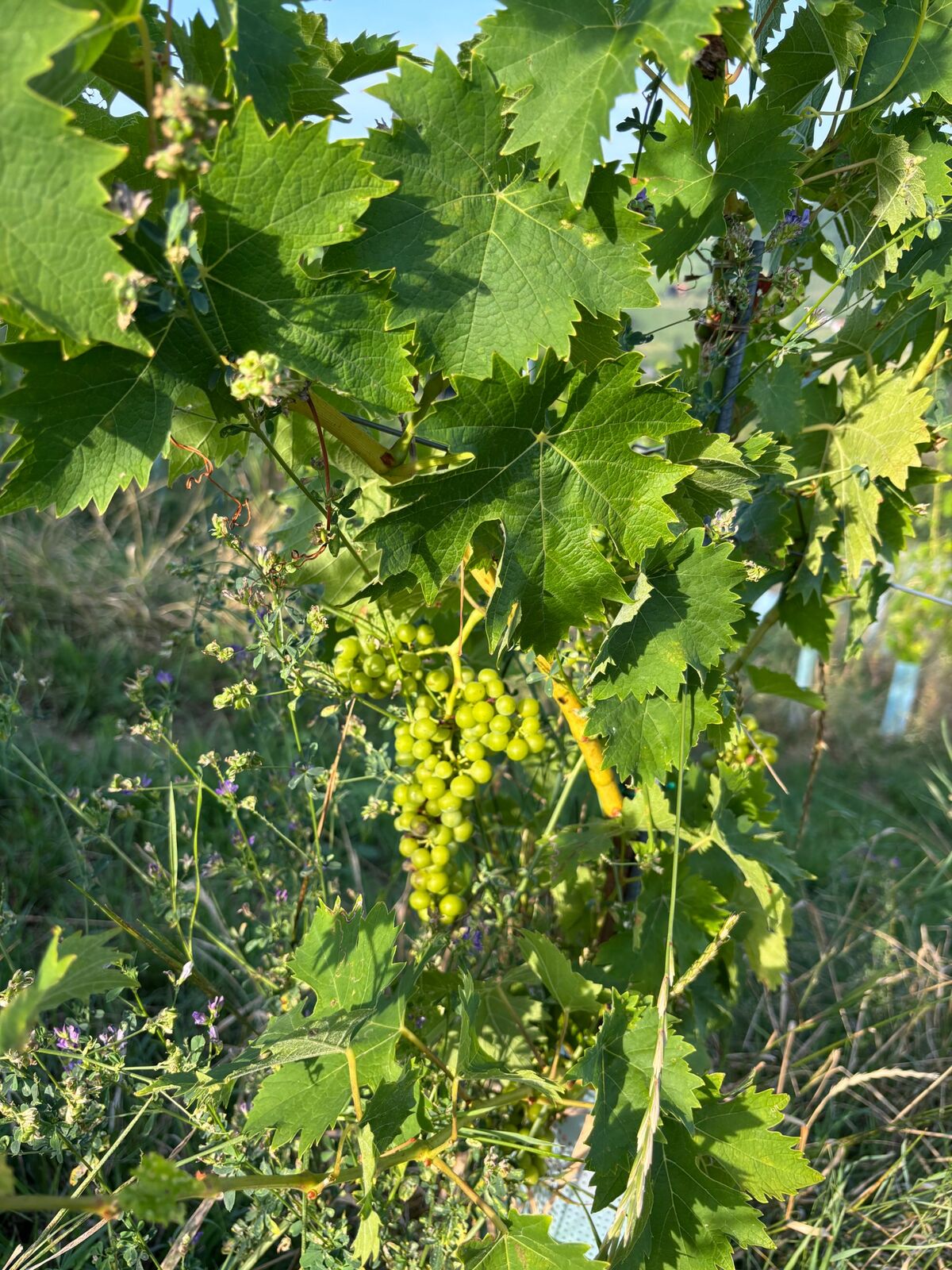
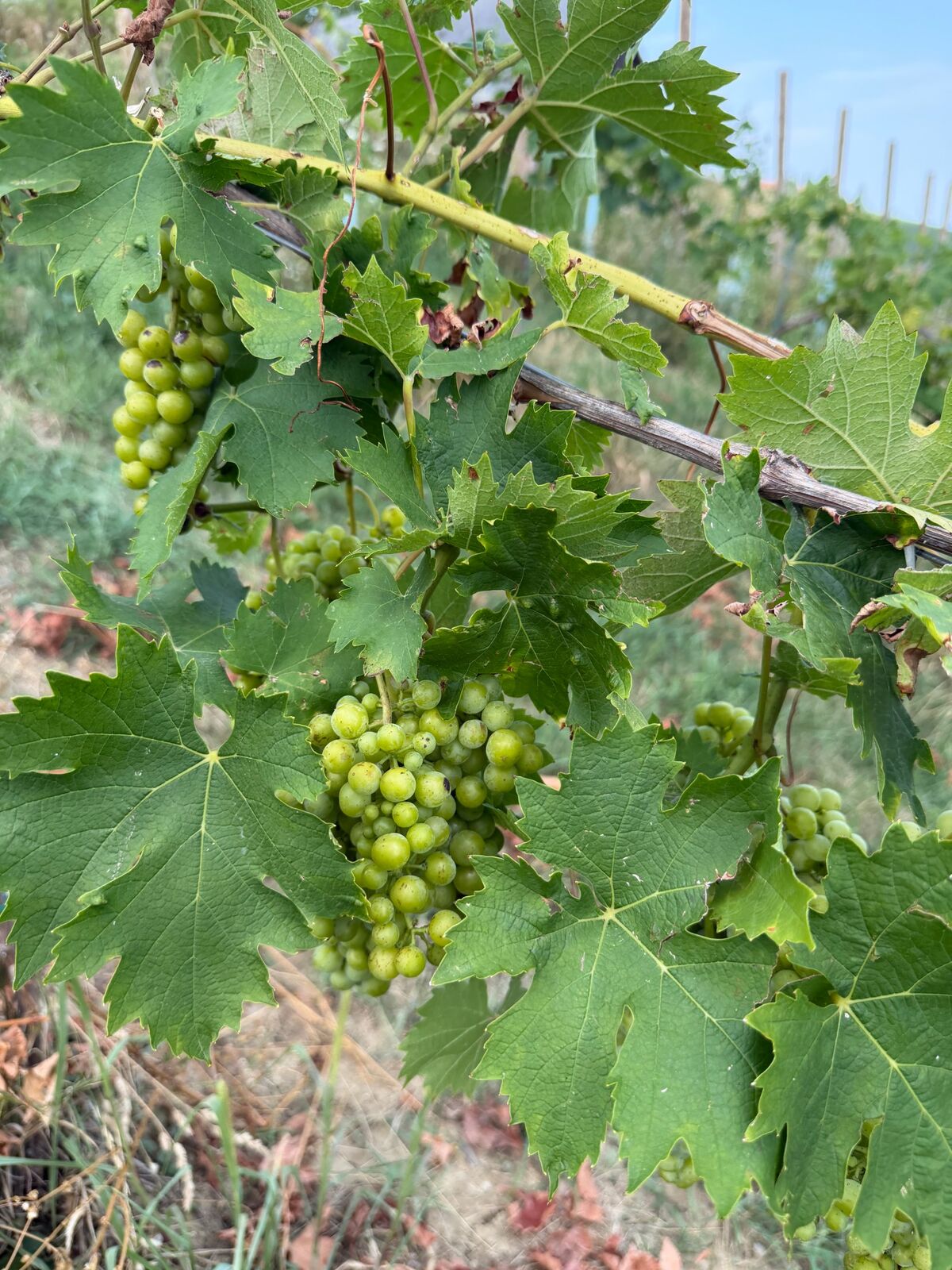
Healthy green grapes on the vine at the Zoppelberg
DOMAINEZOPPELBERG™

Domaine · Description

The estate: family, place, vines

Classic estate at the Zoppelberg: family and house, region, slope and soil, vines and vintage year, Bioresort. Open to read.

Read ↓

Farm

Family & house

Who we are: the domaine, the name Zoppelberg, the chronicle since 1902 and the main house of 1781.

4 chapters

Who we are: the domaine, the name Zoppelberg, the chronicle since 1902 and the main house of 1781.

The domaineTogether on the slope

A passion for grapes and the region has united the Keglovics family since 1902. Today the fourth generation runs the domaine, with the fifth already lending a hand. And we’re just getting started.

The Zoppelberg/Hafner and Sulz sites wrap around the Kogel above Sulztal from northeast to southwest. The slopes run at 17 to 29 percent gradient and have been recorded as vineyard in the Sulztal archives for centuries.

Founded
1902
Family business
across generations
Slope
17–29 %
Origin
Südsteiermark DAC
Family history: five generations
1902Franz Pezzi

starts cultivating grapes and trading wine.

1924Franz Keglovics

his son-in-law, takes over as Weingut F. u. J. Keglovics.

1961Hellmut Keglovics

runs the business for more than 50 years across Styria and Carinthia.

2019Thomas Keglovics

takes over the family business and starts the organic resort. Training: sommelier course at Kloster Und, Krems (1998), winegrower’s year course in oenology & distillation (Weinakademie Österreich, Eisenstadt 2019/20) and in viticulture (Weinakademie Österreich, Krems 2020/21), both certified.

todayPaul Maximilian, Lukas Emanuel & Stella Jolanda

the next generation. They have worked in the vineyard from the very start, together with the whole family.

The new Zoppelberg is a family effort. The whole family, and above all the next generation, has helped and worked together on this ongoing work:
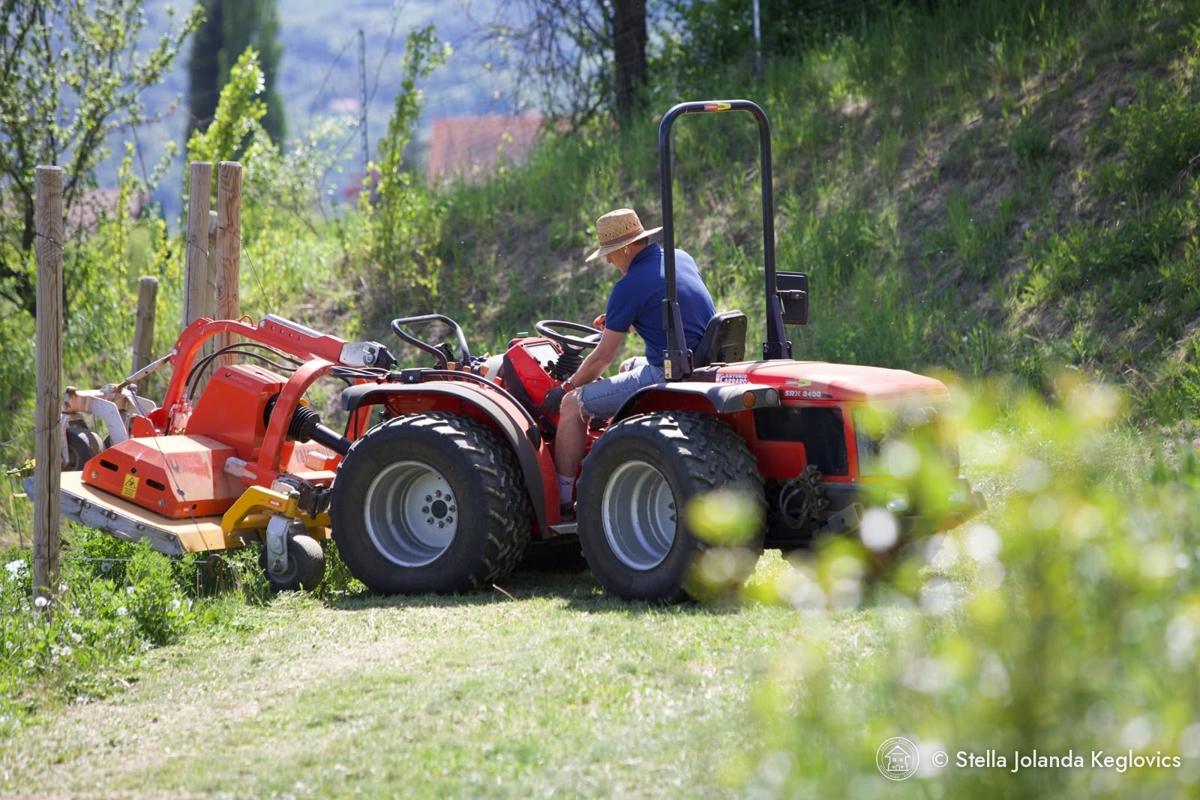
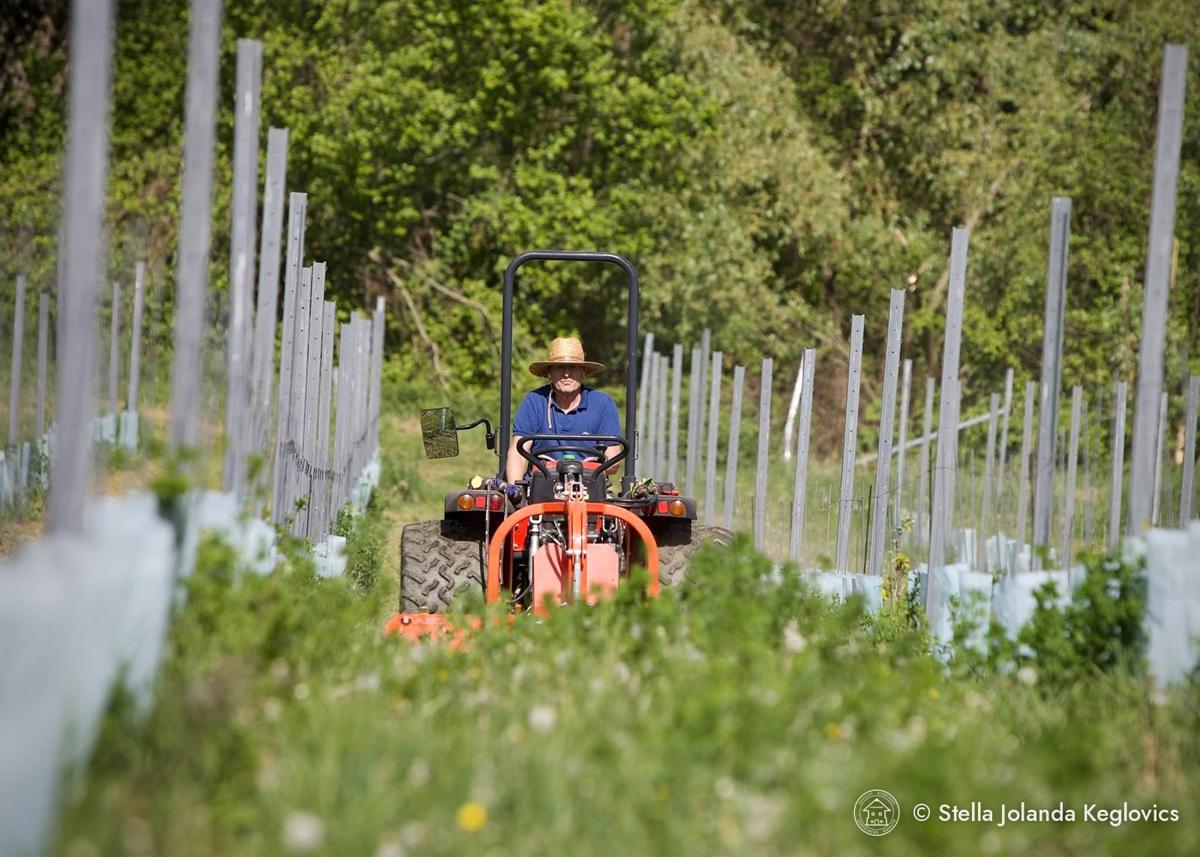
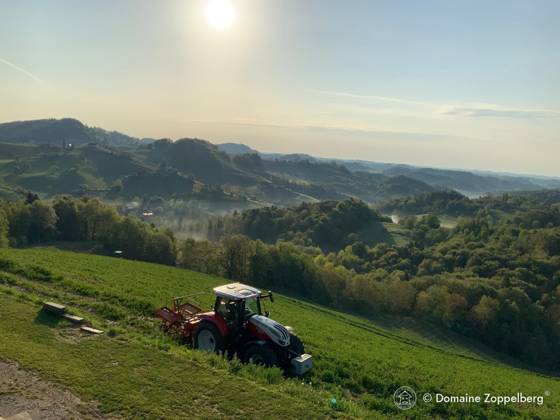
Tractor with mulcher at the edge of the vineyard
Mulching along the young vineyard
Tractor with mulcher driving down a row of young vines
Mulching between the rows
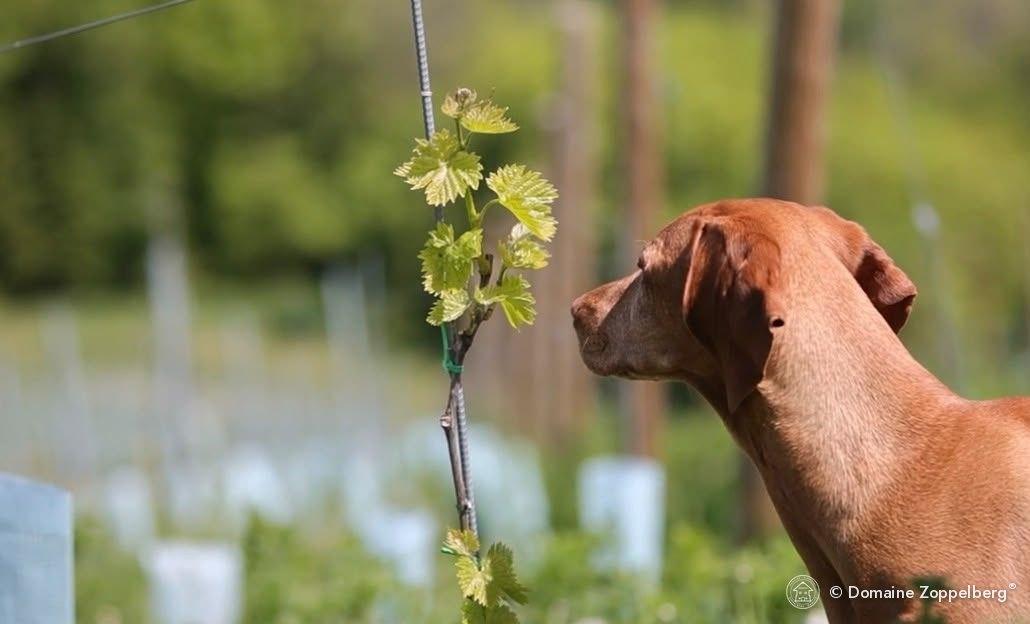
Dog looking at a young vine shoot on a steel rod
Budburst on the steel rod, under supervision
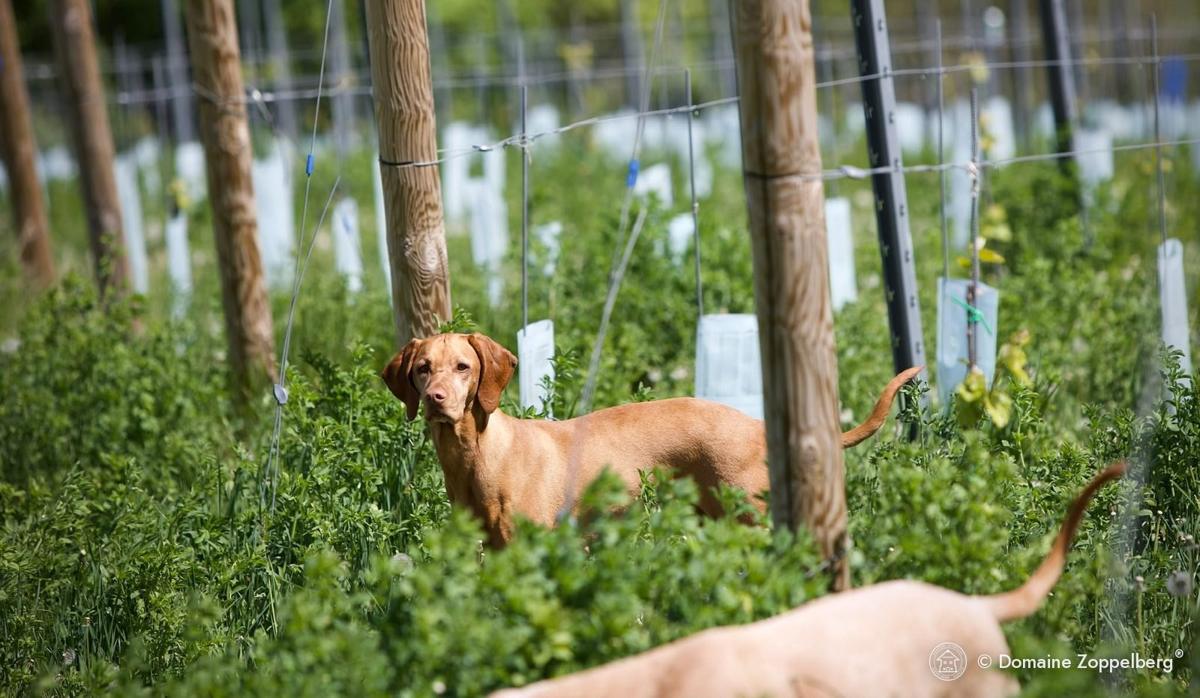
Dog in the tall flowering cover crop between the rows
Species-rich cover crop between the rows
Spring on the Zoppelberg: mulching, cover crop and the dogs · Video
Drainage & sowing for biodiversity

Drains carry the water off the slope. Sowing a species-rich cover of herbs, flowering plants and deep-rooting species that resist slipping holds the soil in place and creates habitat for insects, bees and beneficials. This diversity regulates water and vine vigour and brings the soil to life: the basis for healthy vines and even ripening.

Planting

Supporting the GPS-guided mechanical planting of the vines. Straight rows and exact vine spacing mean equal light for every vine and homogeneous ripening.

Securing the vineyard

Building the trellis with wooden end posts, steel line posts within the row, and wires. It carries the canopy and gives the trellis training its shape.

Wood work & spring repairs

Clearing the cane prunings from the rows after winter pruning, and forest work along the edges: tending trees, processing wood. Then the vineyard is prepared for the season: re-tensioning wires, repairing posts.

Planting & reforestation

Trees and shrubs along the vineyard edges: habitat for beneficial insects, shelter from wind and extra hold for the slope.

Ongoing work through the year

Every task shapes grape and wine:

  • Replanting: replacing missing vines
  • Tubes: protection from game, a mild microclimate
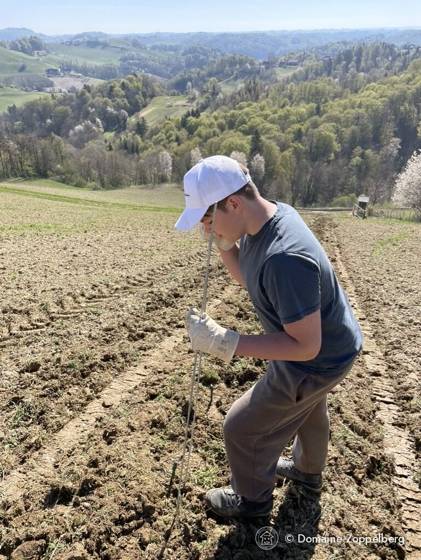
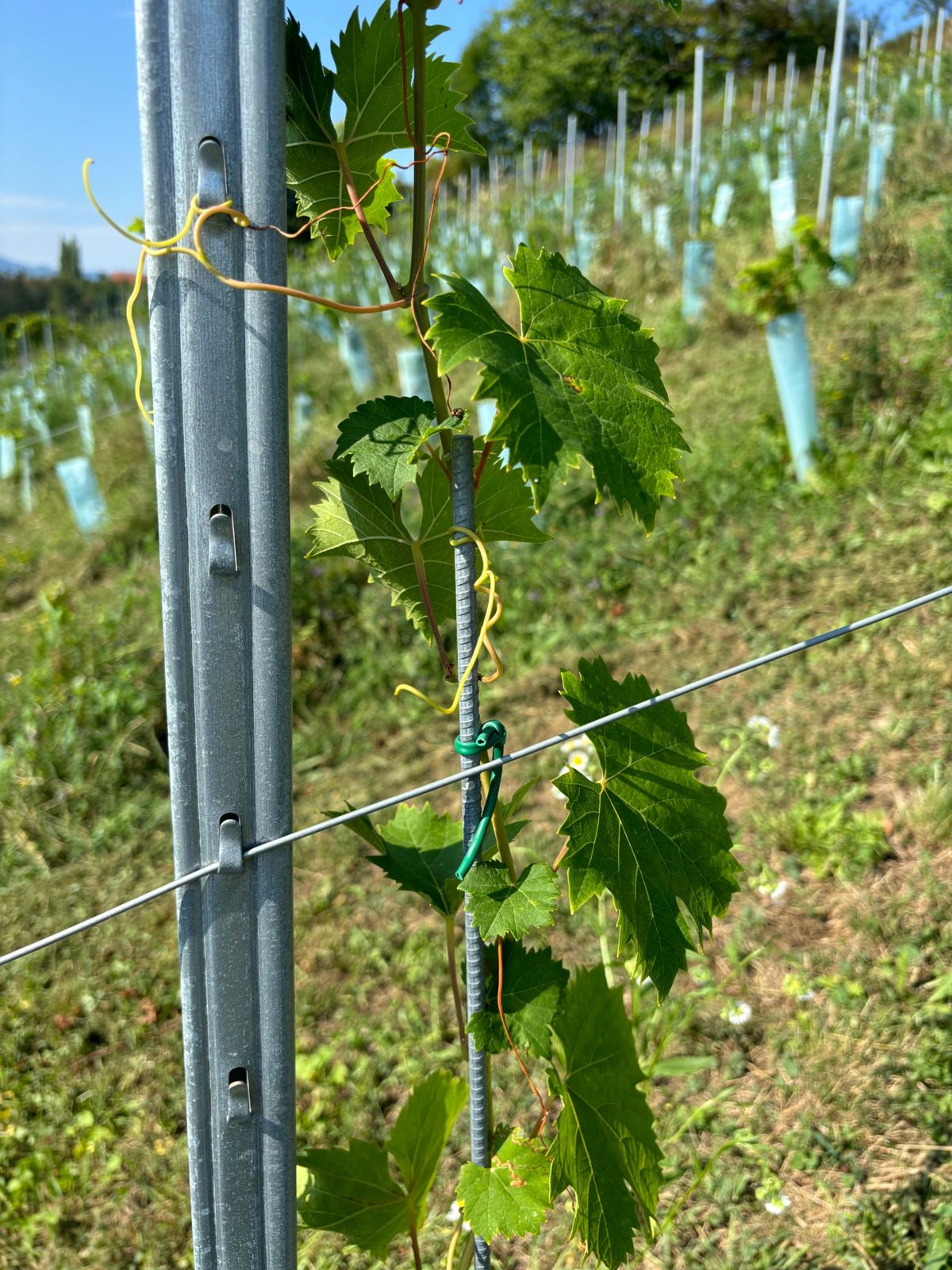
  • Steel stakes & tying: a straight trunk, shoots on the wire
  • Shoot thinning: surplus shoots out, an open canopy
  • Topping: energy into the grapes, not into length
  • Leaf removal: air against botrytis, gently for Sauvignon Blanc
  • Mulching: cover crop kept short, mechanical instead of herbicide
  • Organic fertiliser: organic, not mineral
  • Deer fence: repaired by hand
A name with historyFrom Zobelberg to Zoppelberg

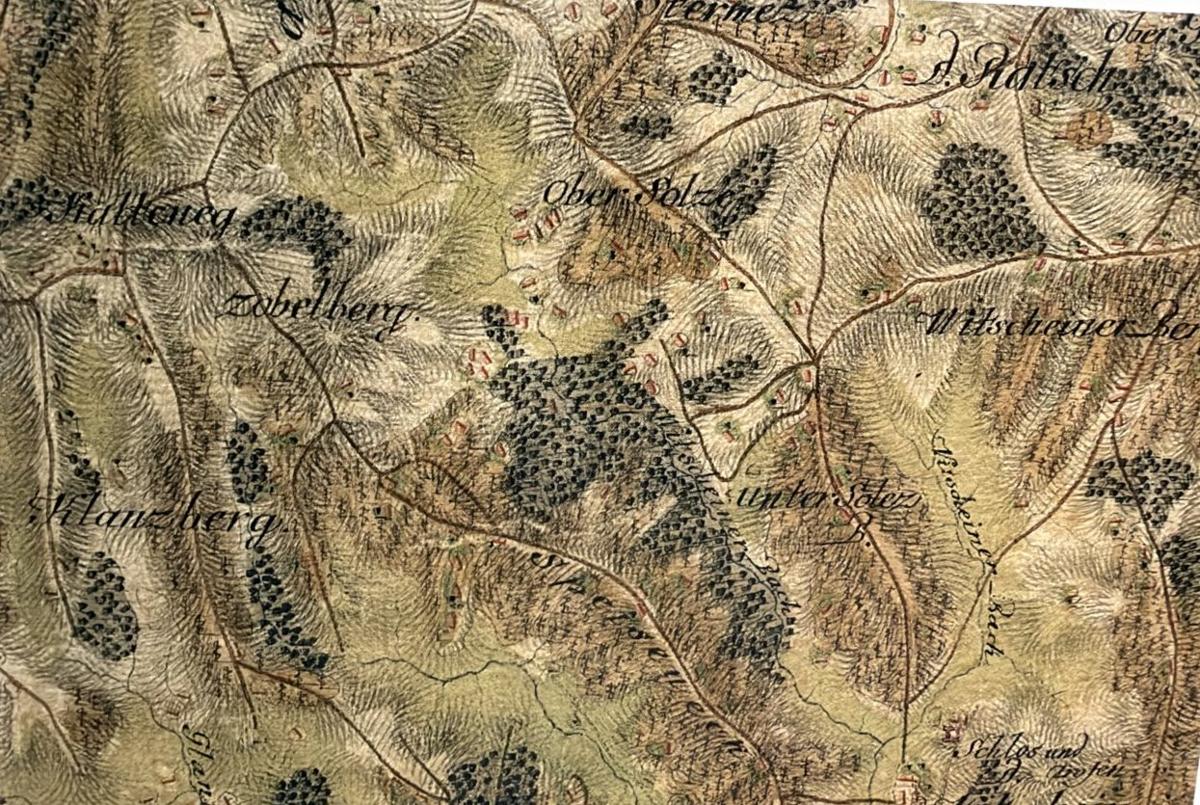
On Austria’s first accurate map, the Josephinian Land Survey, our hill is already marked: “Zobelberg”, between Upper Sulz, Lower Sulz and the Witschein hill. As early as 1265/67 the ducal urbarium names it “Zobe”, the oat hill. The map detail shows the old entry.
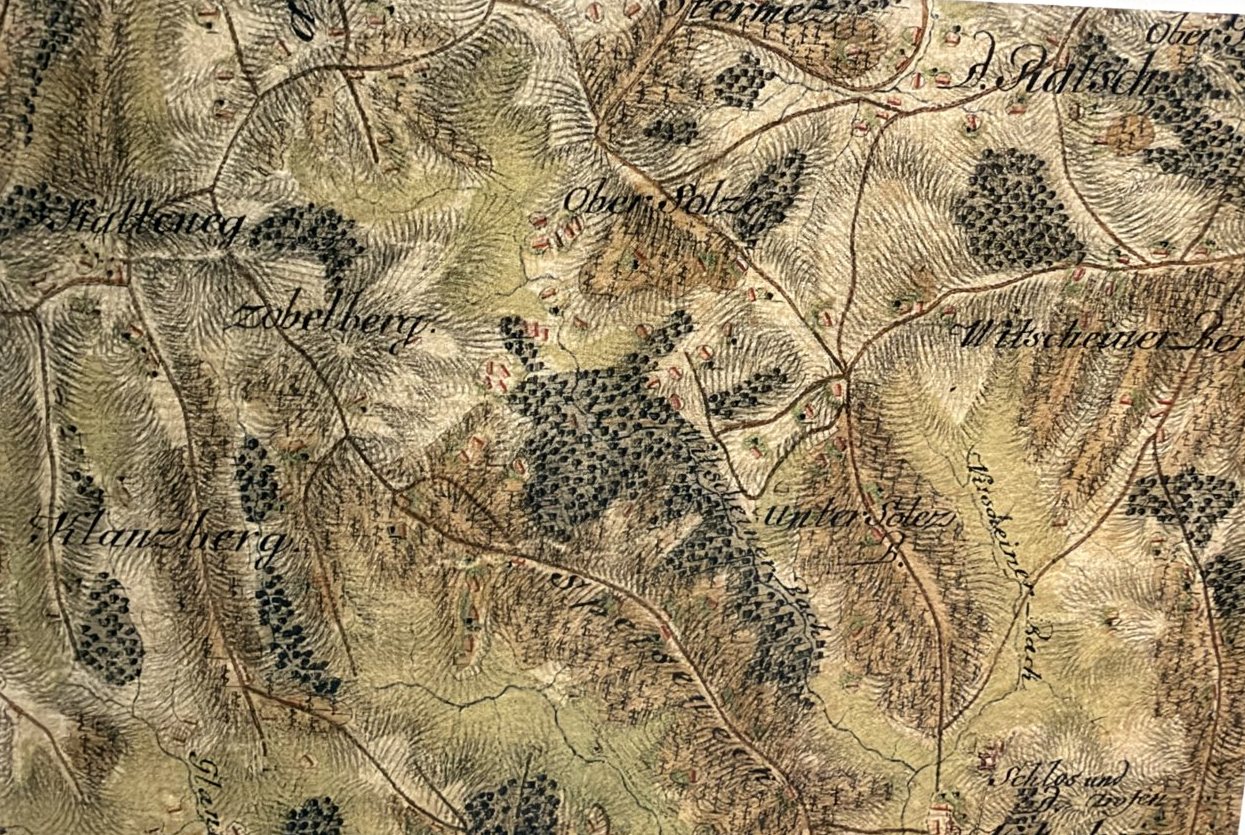
1265Zobe1763Zobelberg1793ZopplbergtodayZoppelberg
Historic military map marking “Zobelberg” between Upper and Lower Sulz
Josephinian Land Survey (military map), 1763–1787 · Austrian State Archives, War Archives
ChronicleFrom landslide to vineyard

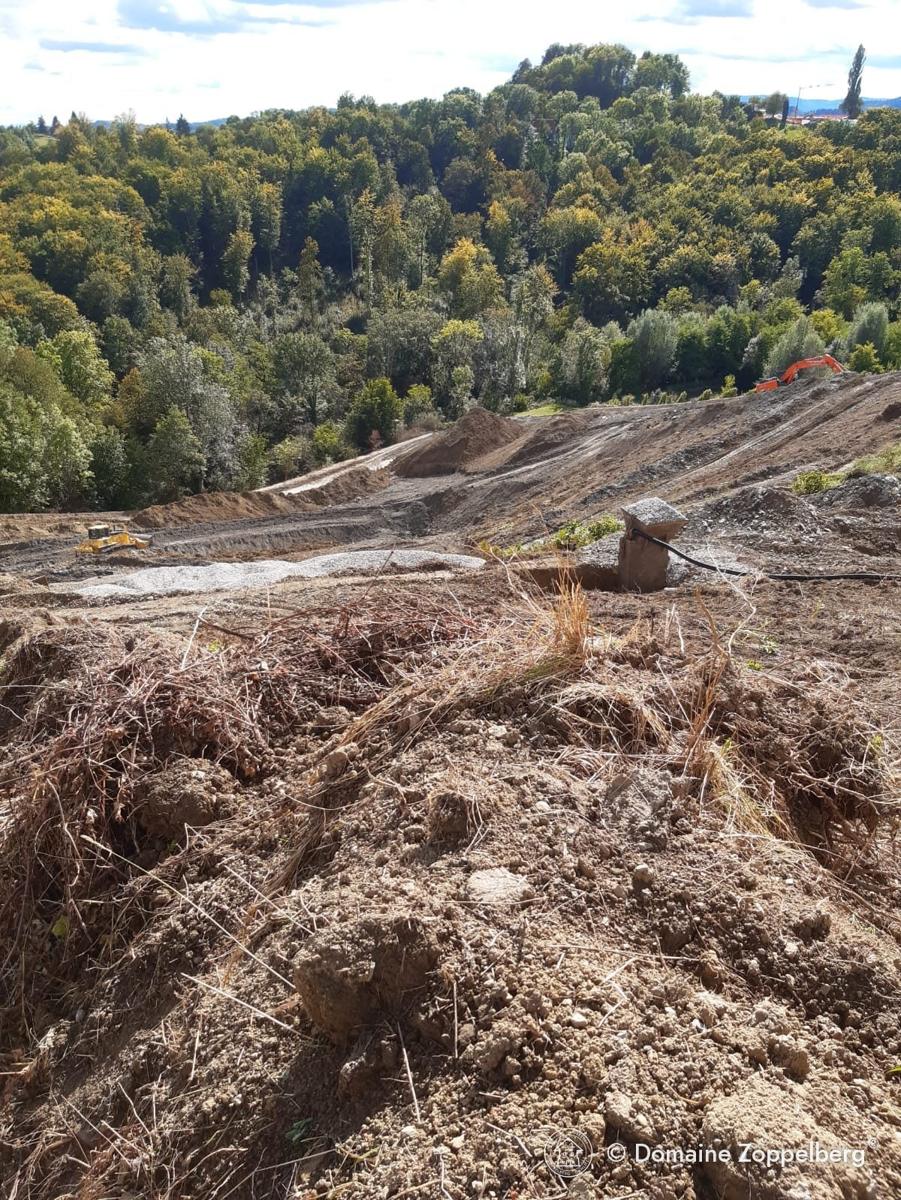
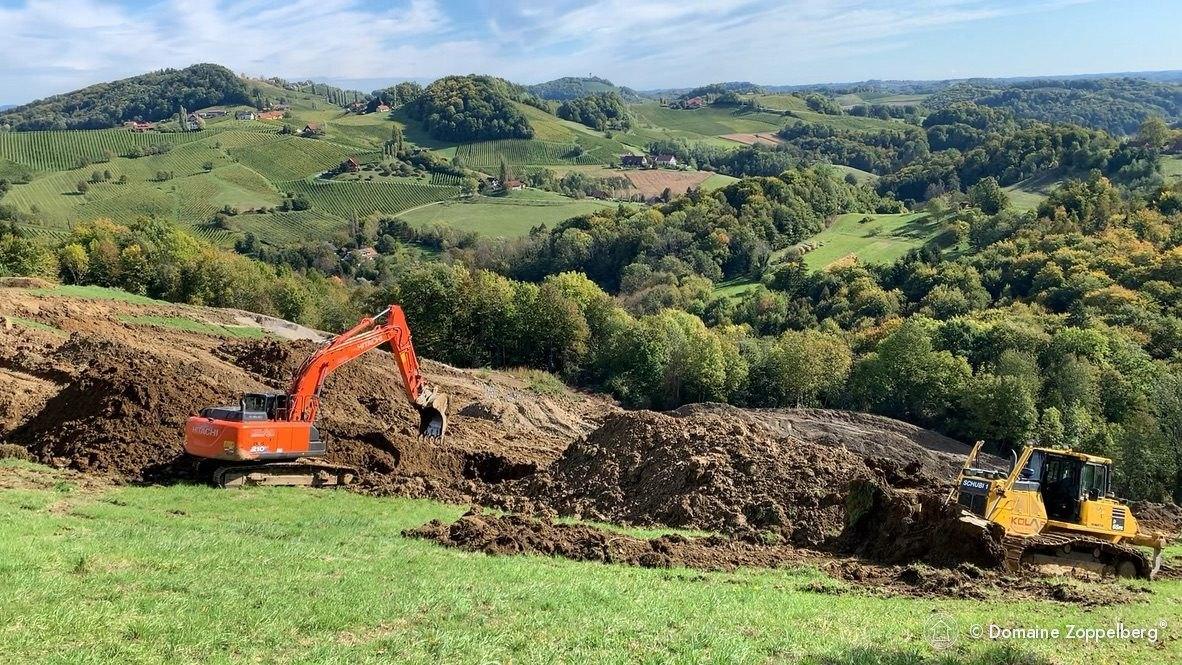
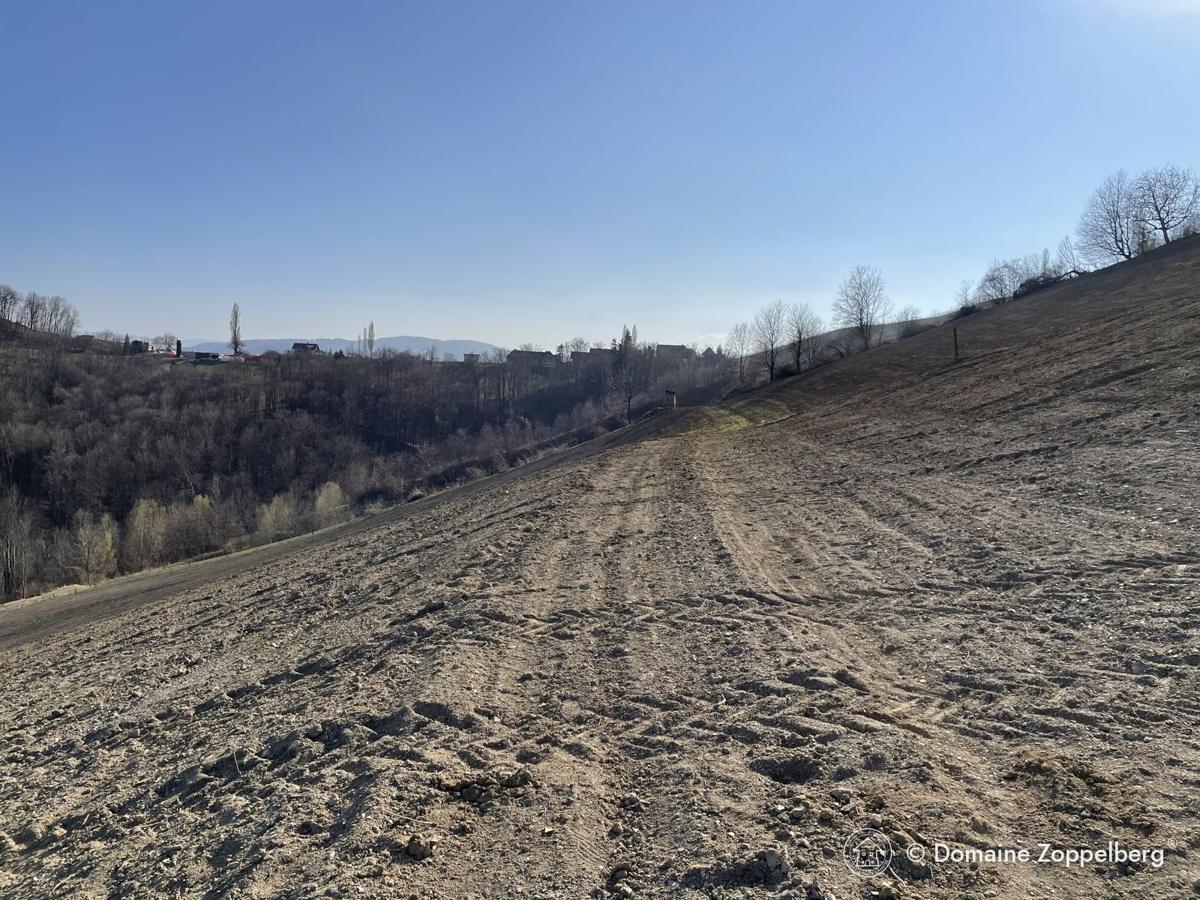
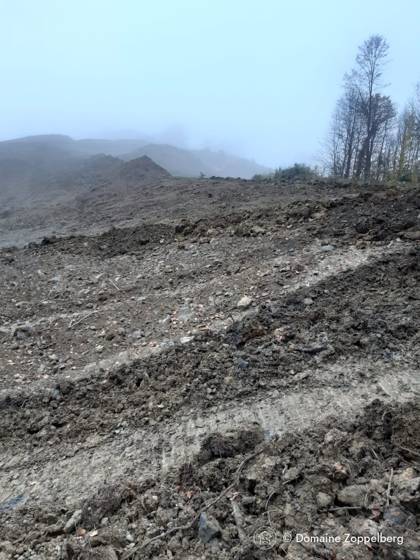
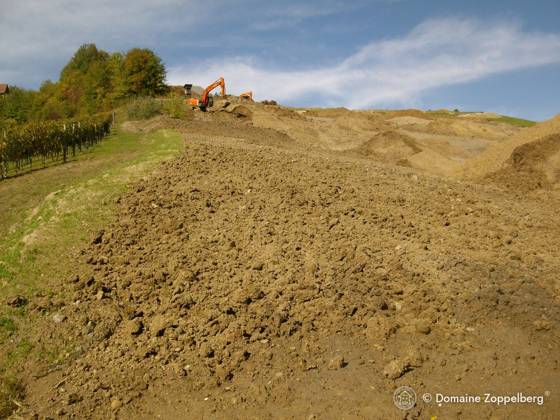
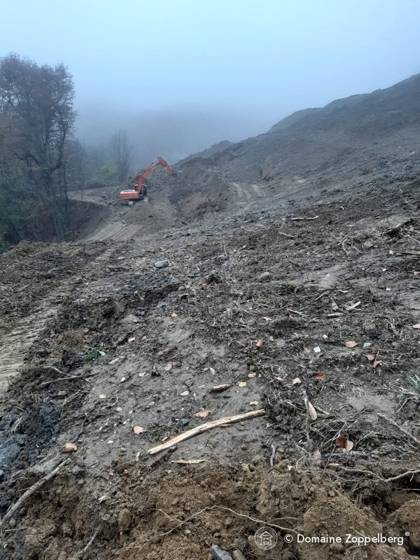
For years the Kogel suffered from erosion and landslides. Together with the Province of Styria, a restoration programme covering about 5 hectares was drawn up. The photos show how the slope was rebuilt over five years.

  1. 1998 · 2019–2021 · Training

    Learning while the vineyard grows

    The foundation was laid back in 1998 with the sommelier course at Kloster Und in Krems. Alongside clearing, slope stabilisation and replanting, the Keglovics family then completes two winegrower’s year courses of the Weinakademie Österreich: oenology & distillation at the Burgenland wine school in Eisenstadt (September 2019 to May 2020) and viticulture at the Krems wine and fruit-growing school (January 2020 to May 2021). Theory in the morning, practice in vineyard and cellar in the afternoon: from vine biology, pruning and plant protection to ripeness testing, harvest, fermentation start and yeast starters. Both courses completed with certificate.

  2. 2020 · Clearing & restoration

    Old vines out, slope secured

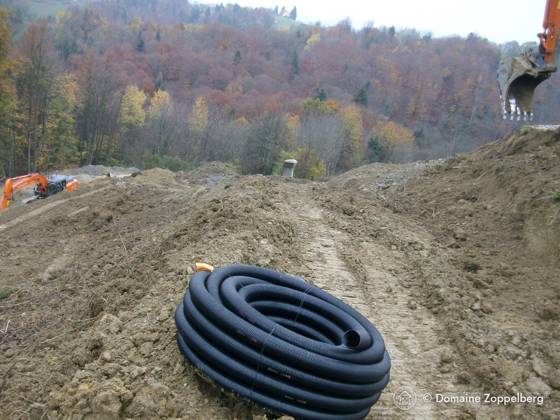
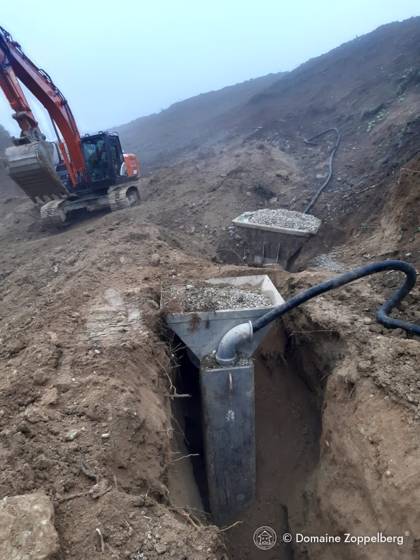
    The vines, more than 50 years old, are cleared. Excavators remove the slipped soil, while drainage stabilises the slope. Two collection tanks of 30 m³ each are built in beneath Sulzbach and Schmetterlingswiese as a water reserve for future irrigation.
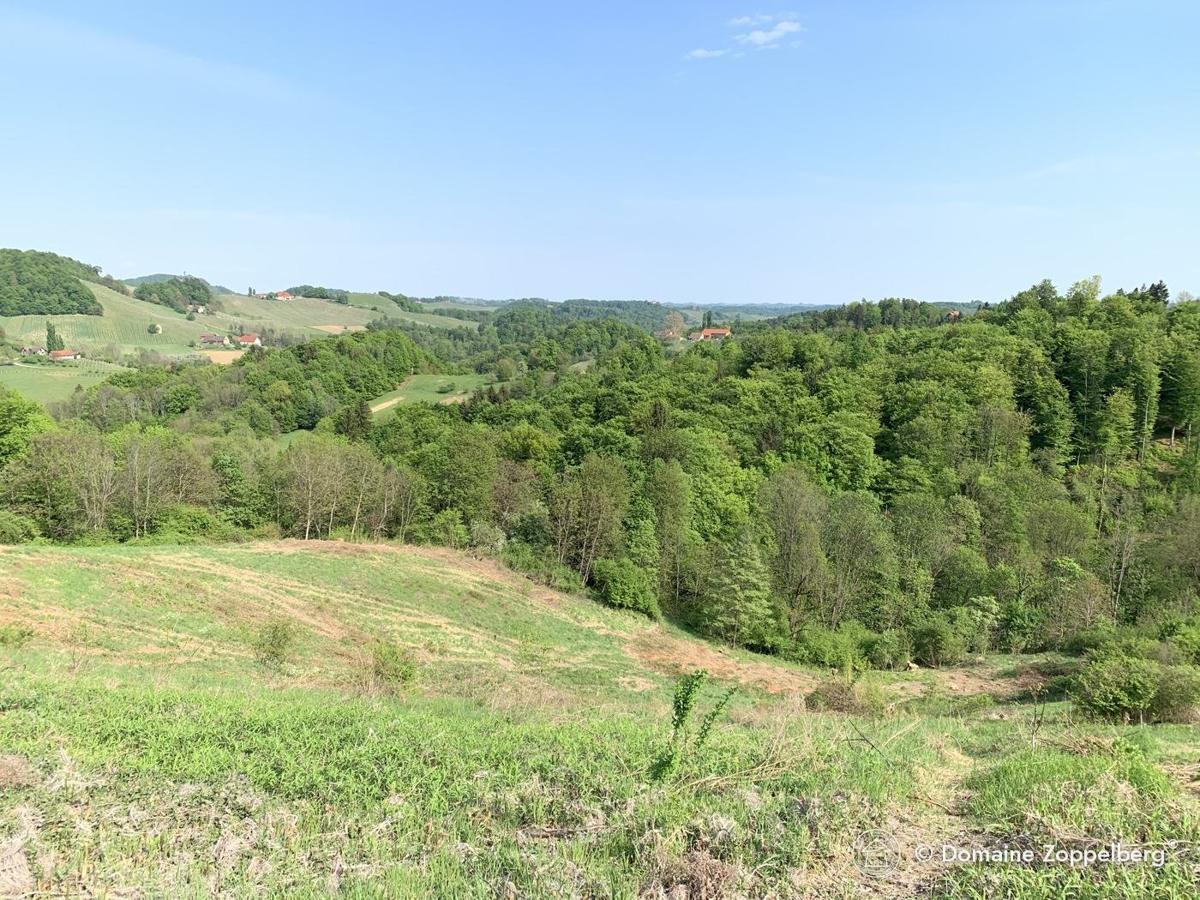
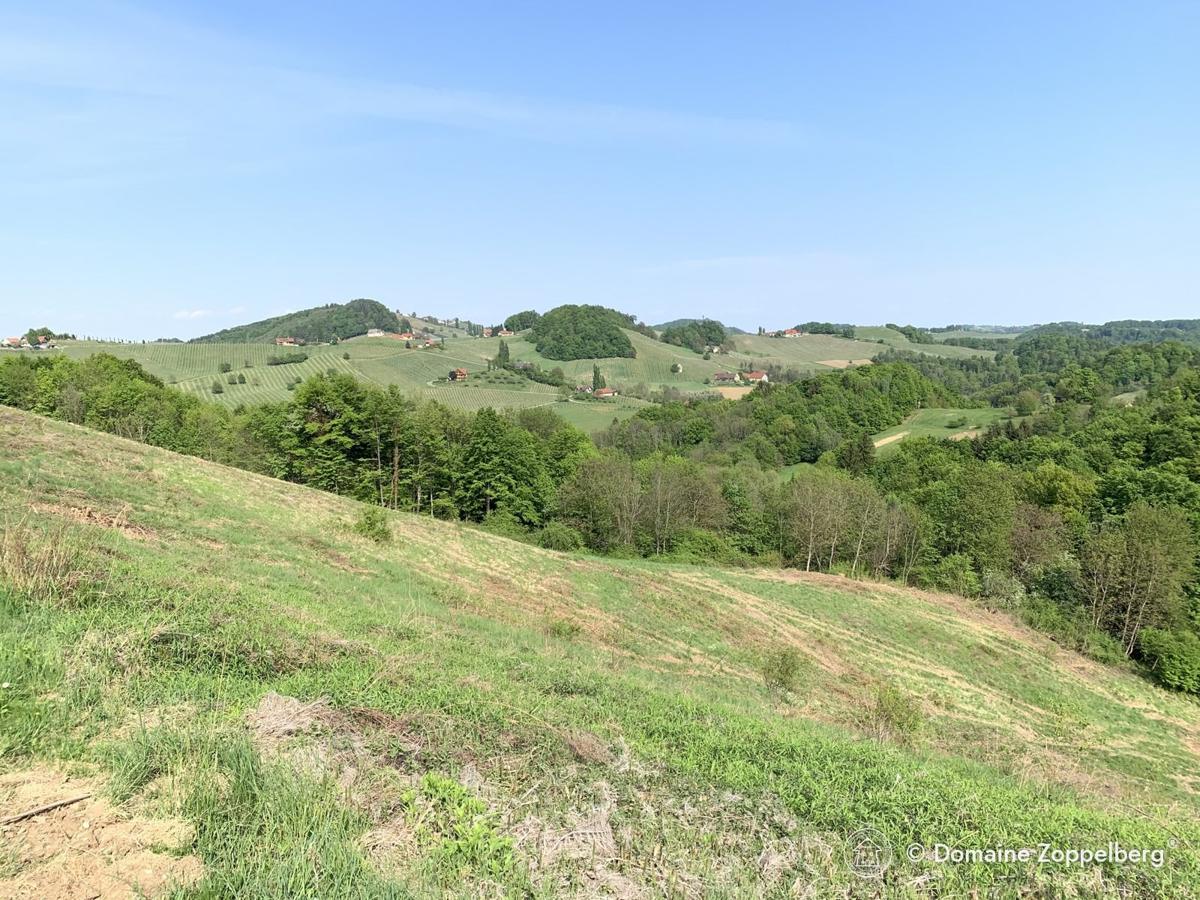
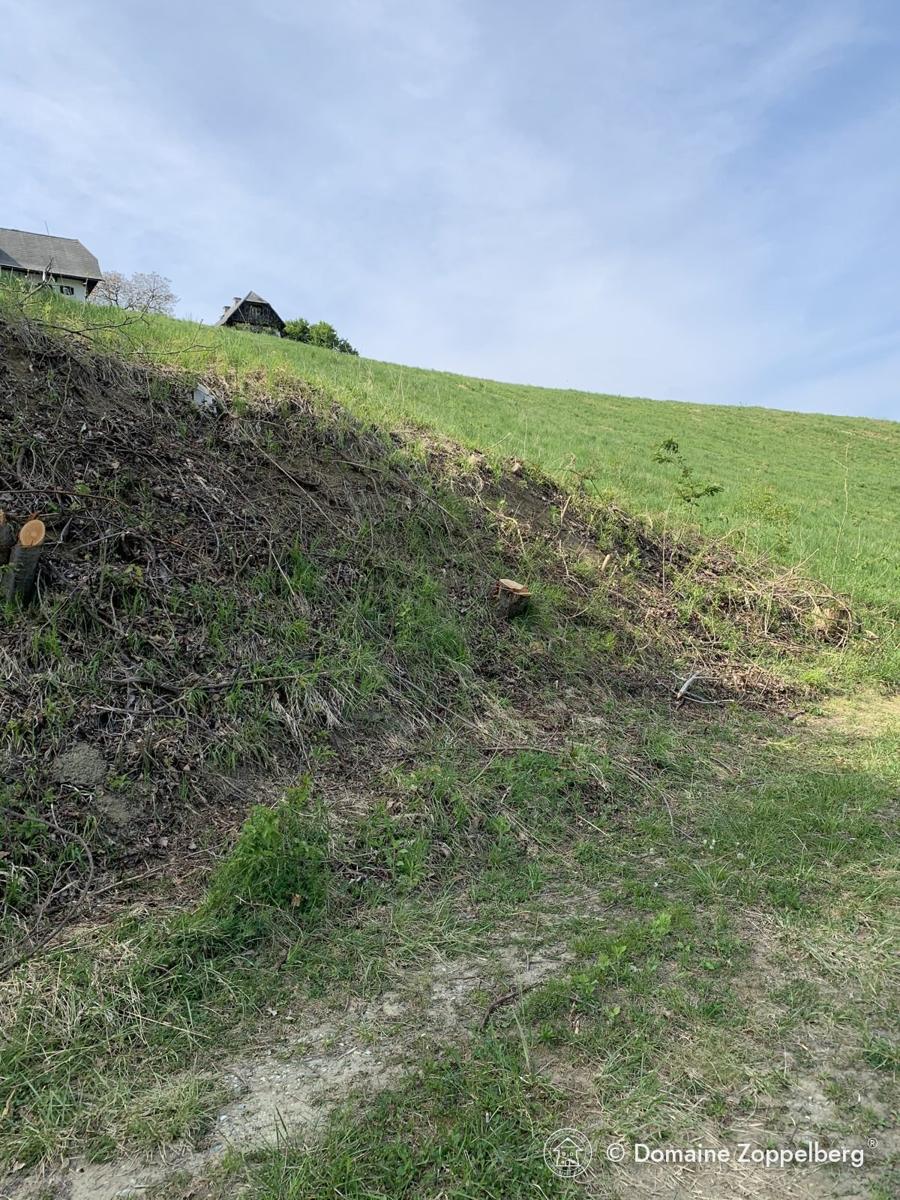
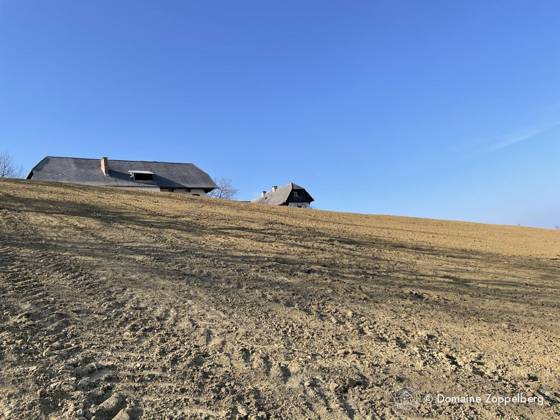
    Zoppelberg slope before restoration, April 2020
    April 2020 · before restoration
    Cleared slope in April 2020, looking across the valley
    April 2020 · cleared
    Freshly cleared slope with vine stumps below the farm, April 2020
    April 2020 · stumps below the farm
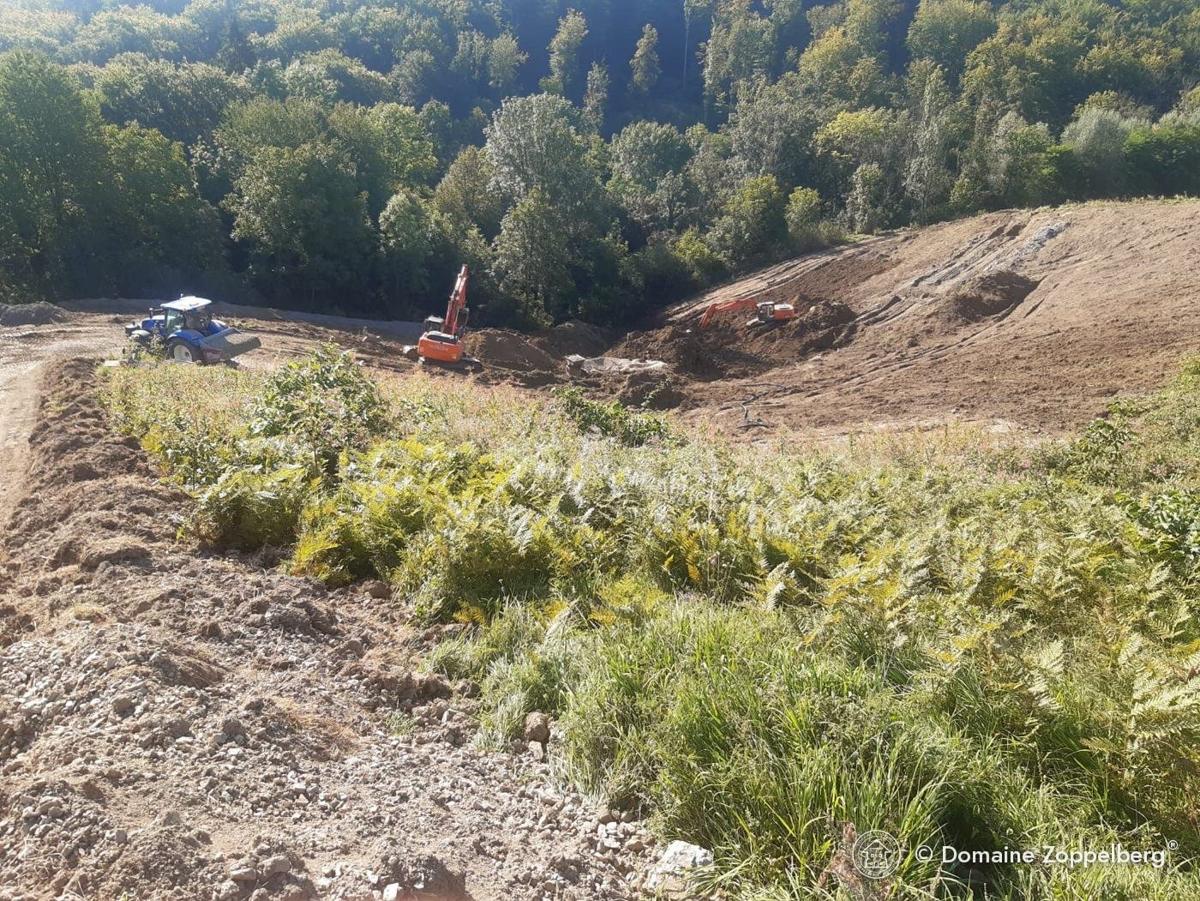
    Excavators at work on the landslide slope
    Earthworks on the slope
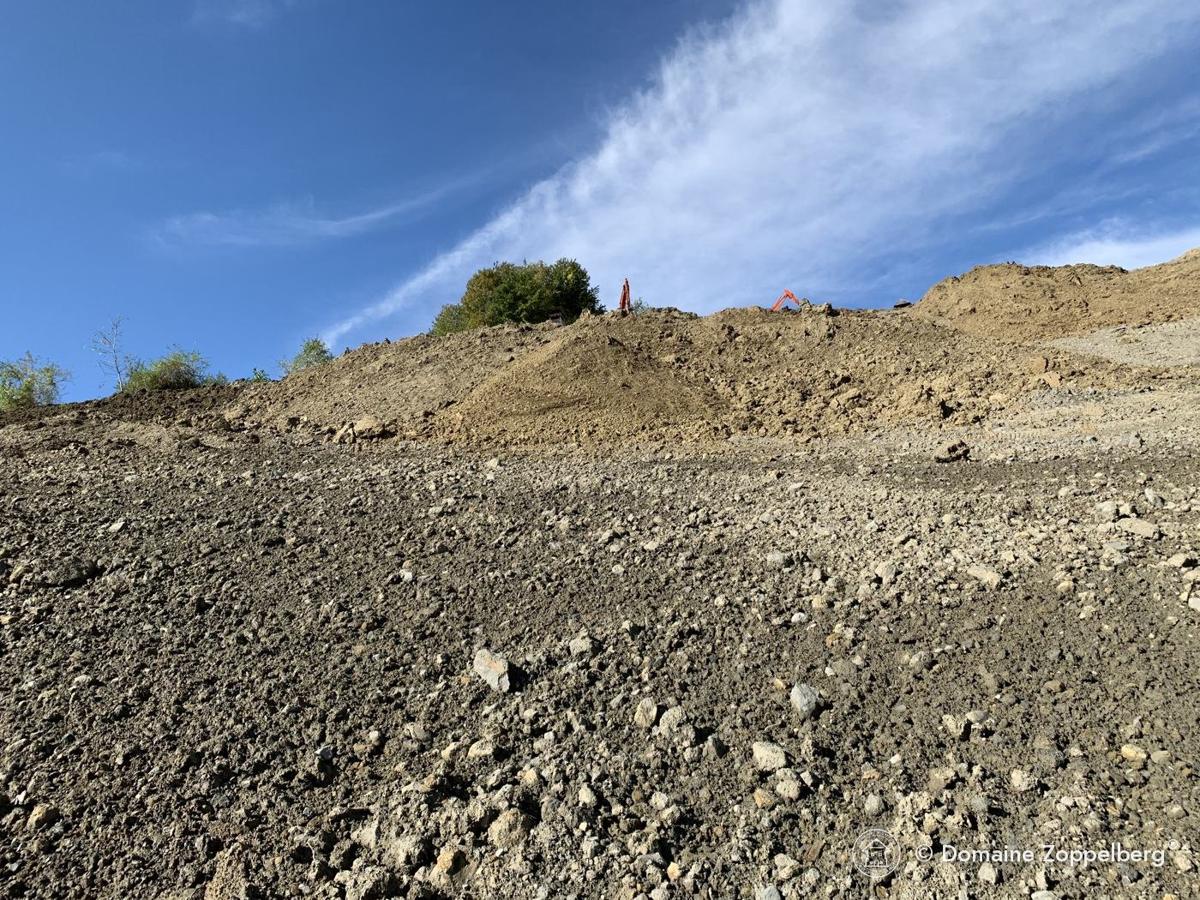
    Excavated soil, October 2020
    October 2020

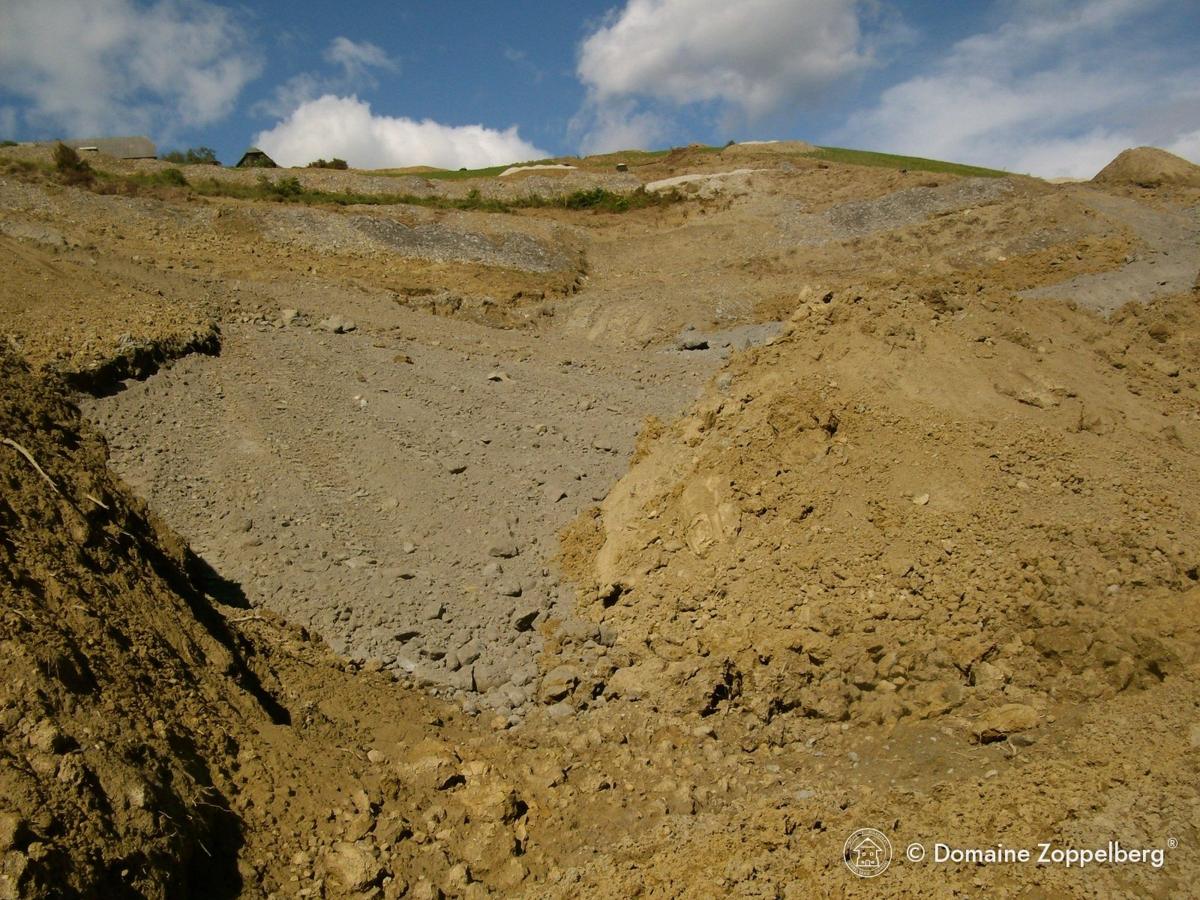
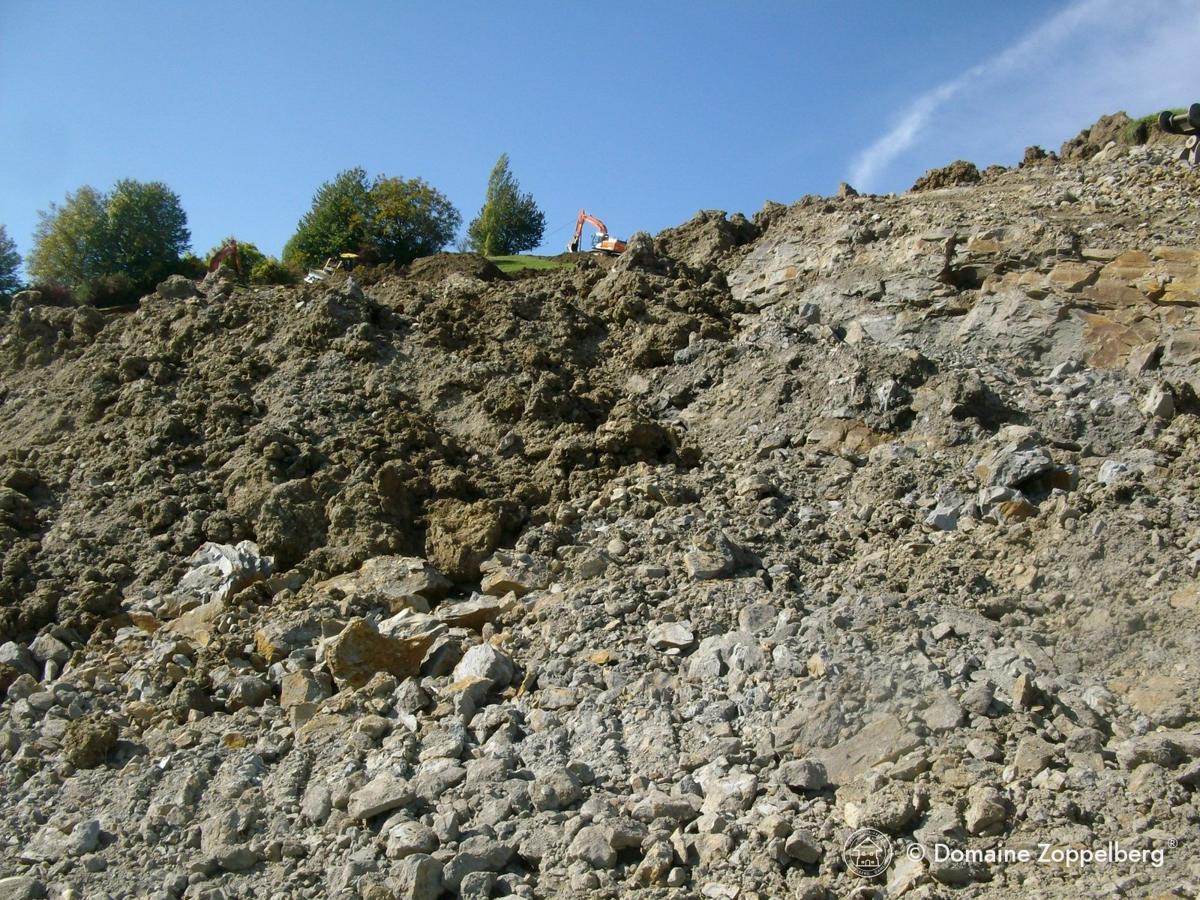
    The landslide area

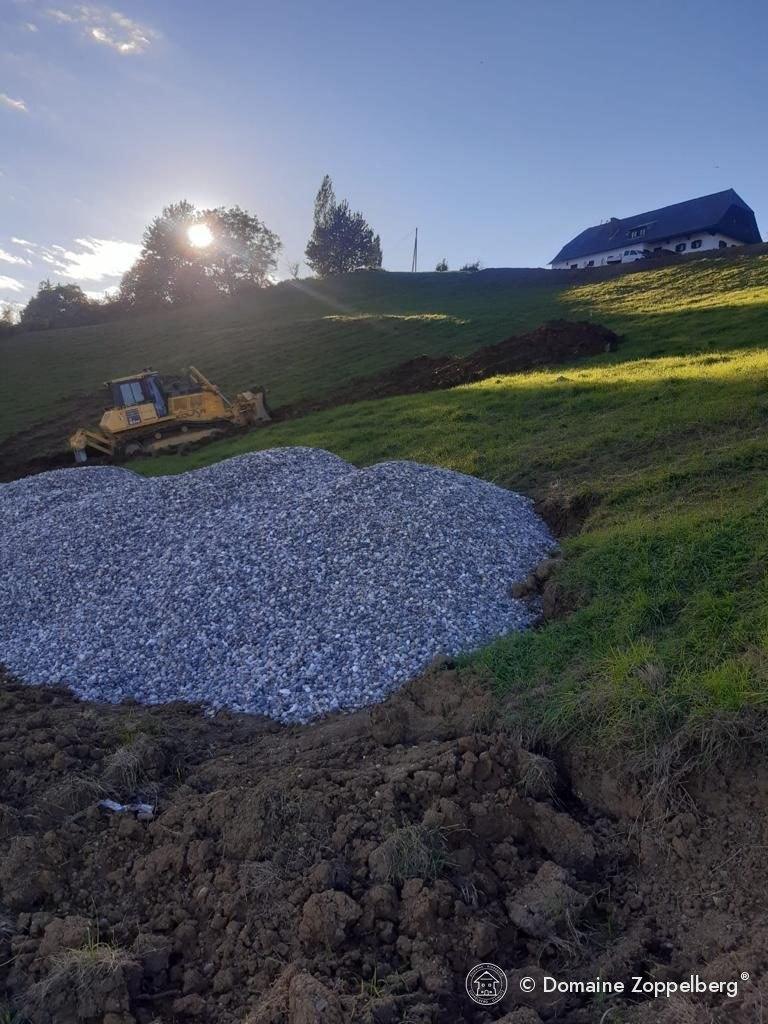
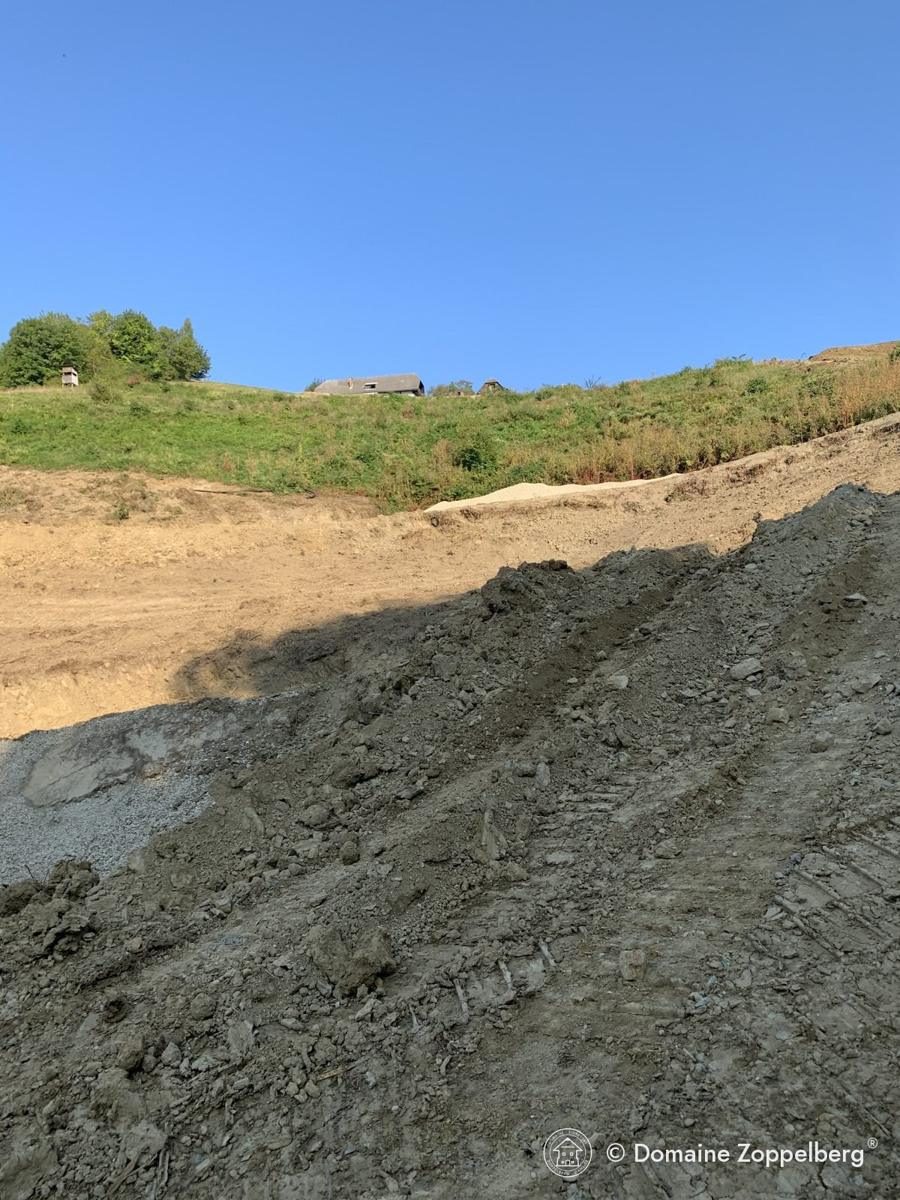
    Parts of the slope had slid away. The loose slide mass is removed and replaced by a gravel bed, drainage pipes and shafts that carry off the slope water. Only then is the material rebuilt layer by layer.
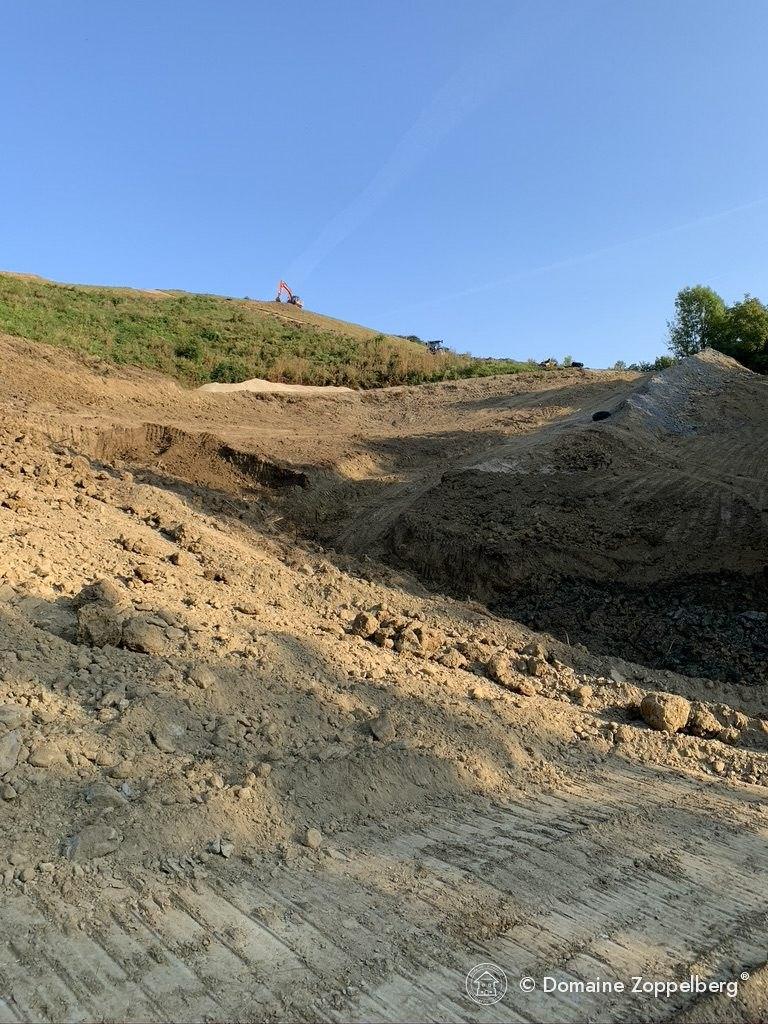
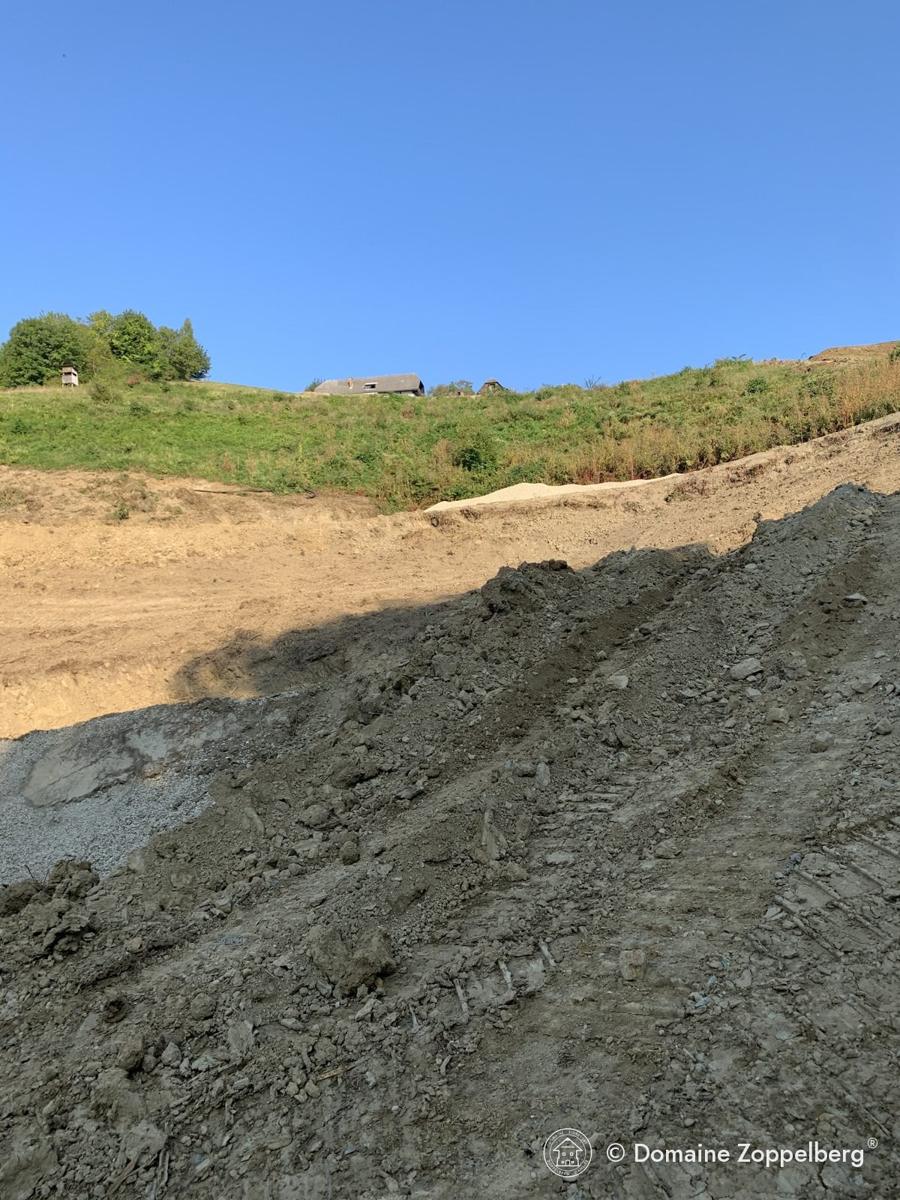
    Open scarp of the landslide, excavator at the top
    Scarp of the landslide
    Exposed grey Opok slip layer at the landslide, September 2020
    September 2020 · the slip layer exposed
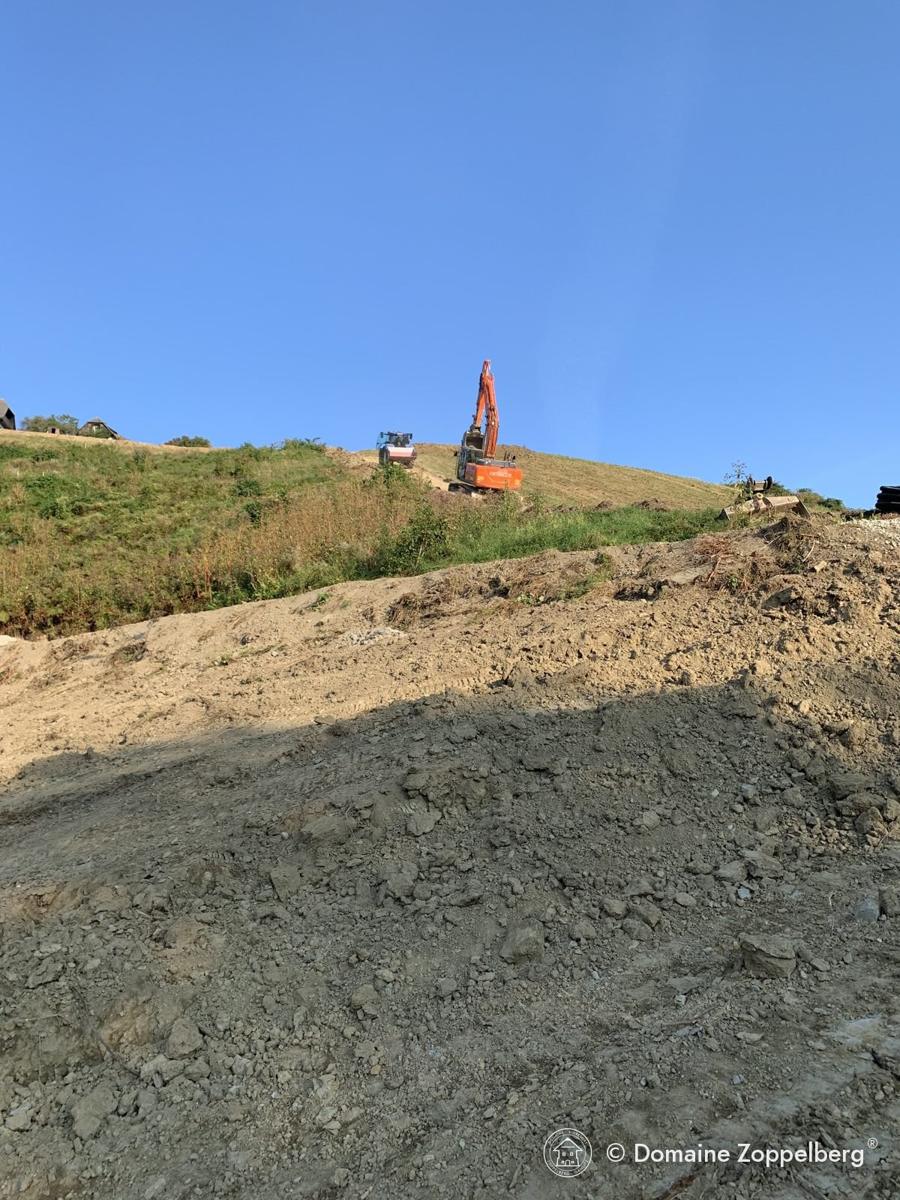
    Excavator above the excavated landslide slope, September 2020
    September 2020 · removing the slide mass
    Drainage shaft with pipe, gravel bed and dozer behind, September 2020
    September 2020 · drainage shaft and gravel bed
    Excavator and dozer facing the Sulztal vineyards
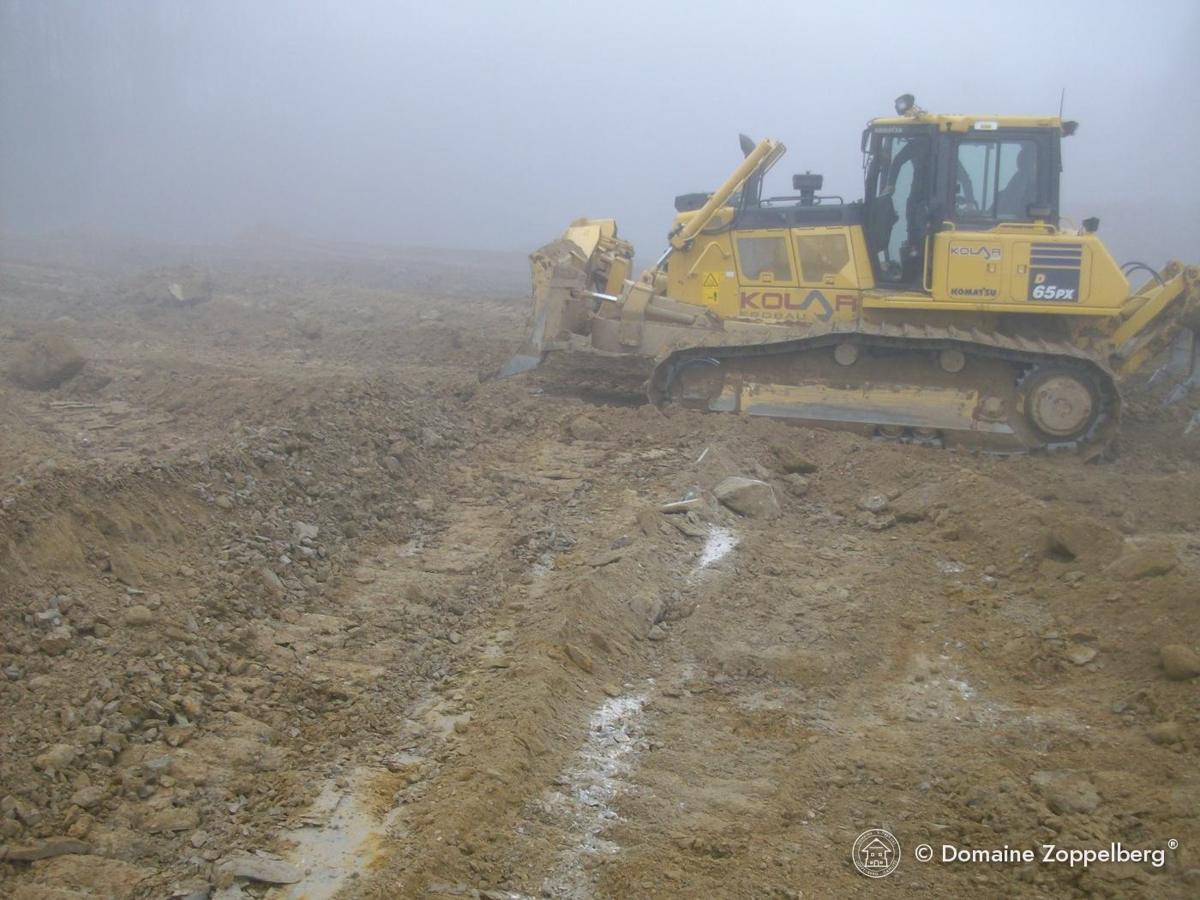
    Excavator and Kolar dozer
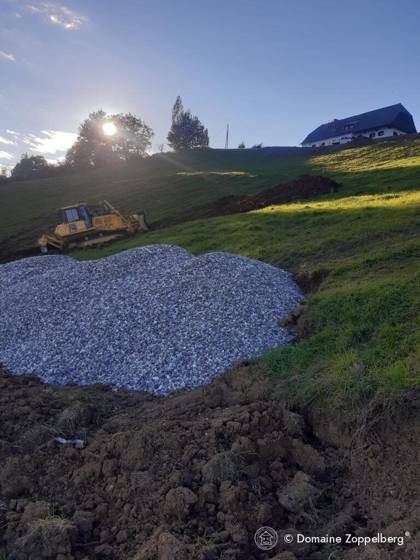
    Gravel heap on the slope, dozer and farm against the sun
    Gravel for the drainage
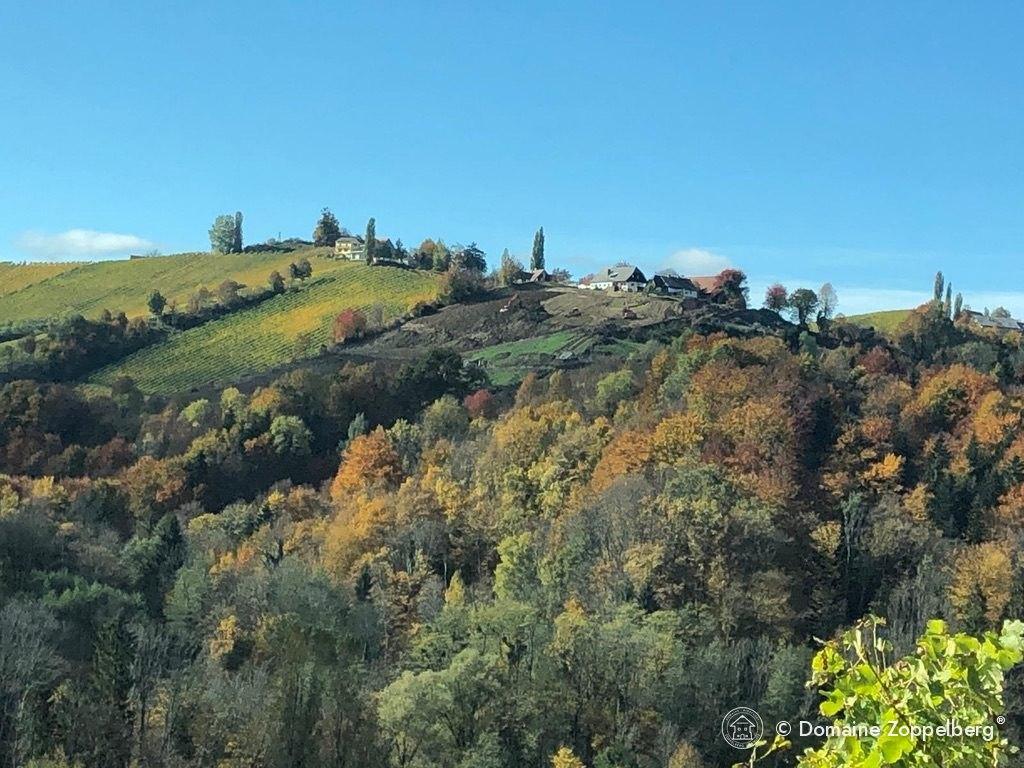
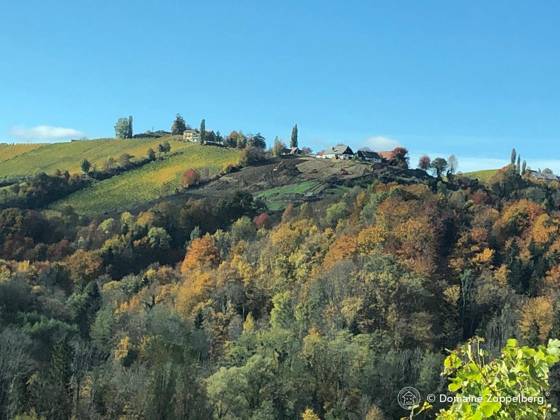
    View across to the Zoppelberg with the open slide area below the farm
    The scar in the slope, from across
    The landslide area in September 2020 · video
  3. Winter 2020/21 · Earthworks

    Through the winter with dozer and excavator

    The contractor Kolar Erdbau removes the slipped material and rebuilds the slope layer by layer. Cracks from the old landslide show in the ground. Work goes on through sun, snow and fog.
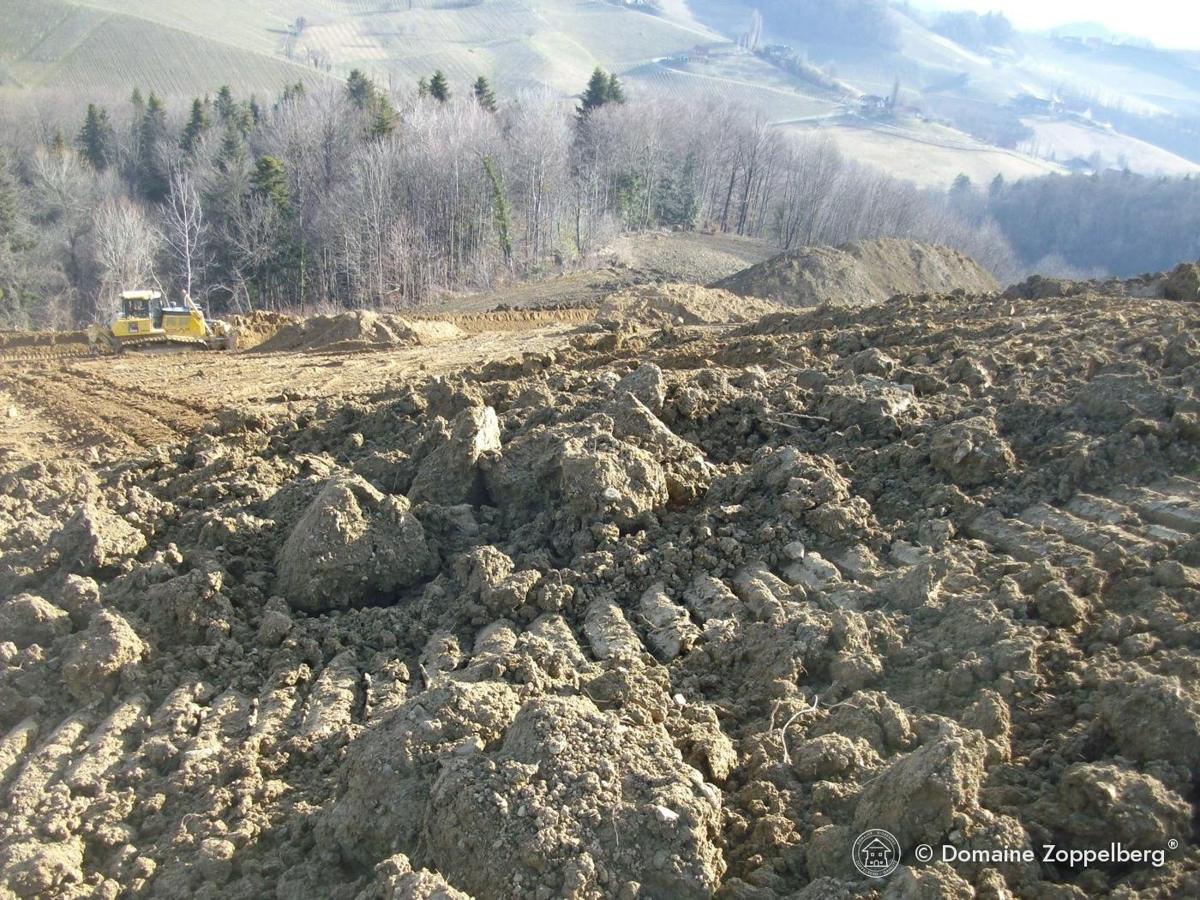
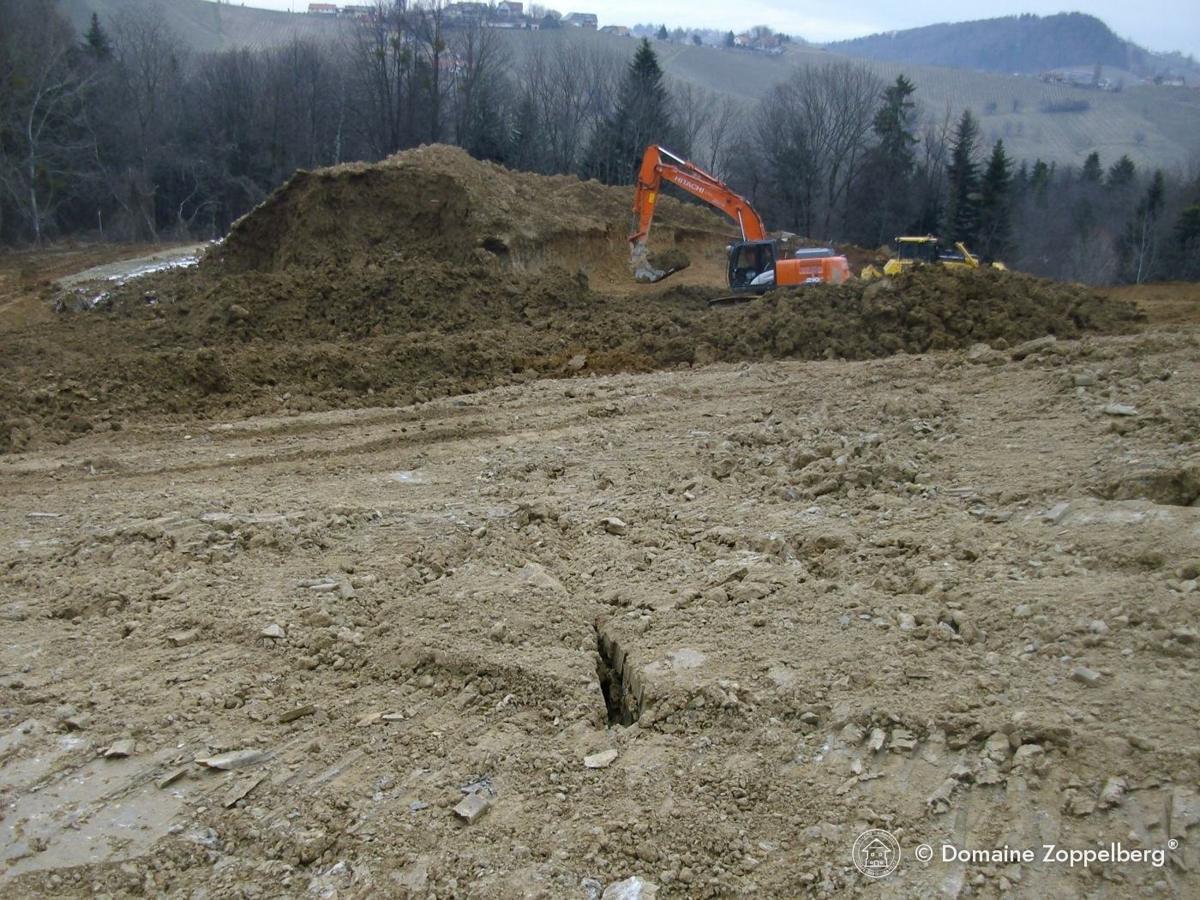
    Bulldozer on the slope with the Sulztal vineyards behind
    Dozer above the valley
    Crack in the pale marl of the old landslide, excavator behind
    Crack in the ground during earthworks, winter 2020/21
    Kolar Erdbau bulldozer in thick fog
    Working in the fog
    Pale marl in the cut, excavator and dozer facing the Sulztal
    Opok in the cut
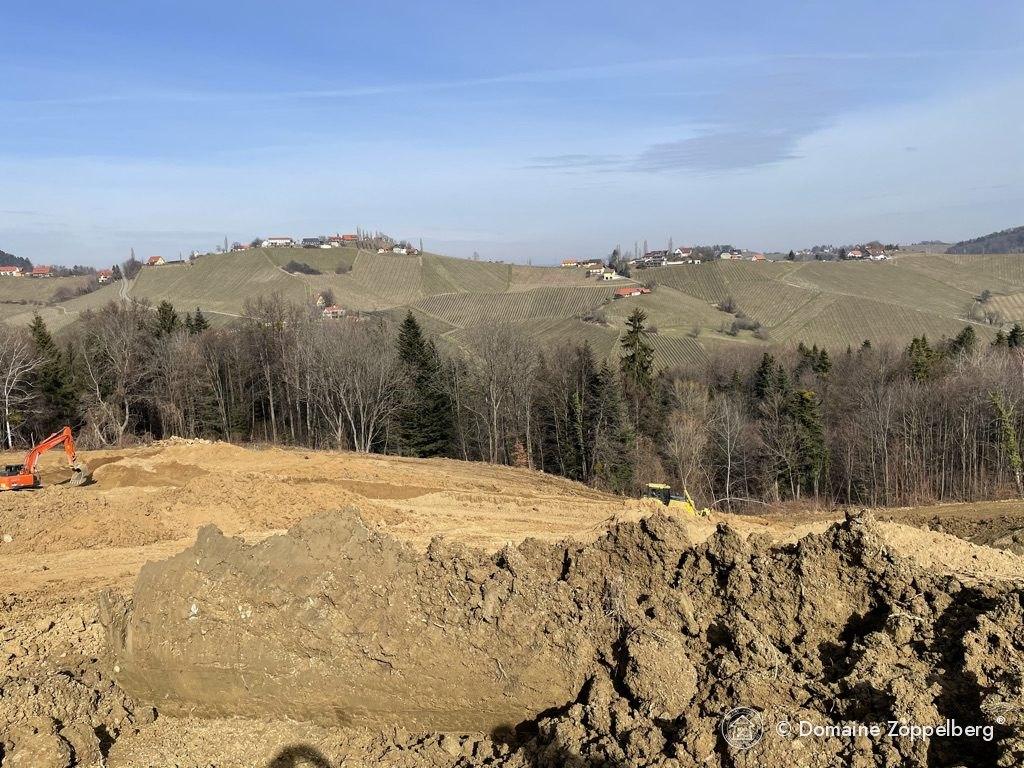
    Freshly filled slope with excavator before the Sulztal vineyards, February 2021
    February 2021 · view across the Sulztal
    Freshly shaped slope before bare forest and vineyards
    Freshly shaped in winter light
  4. 2021 · Reshaping

    The slope takes its new shape

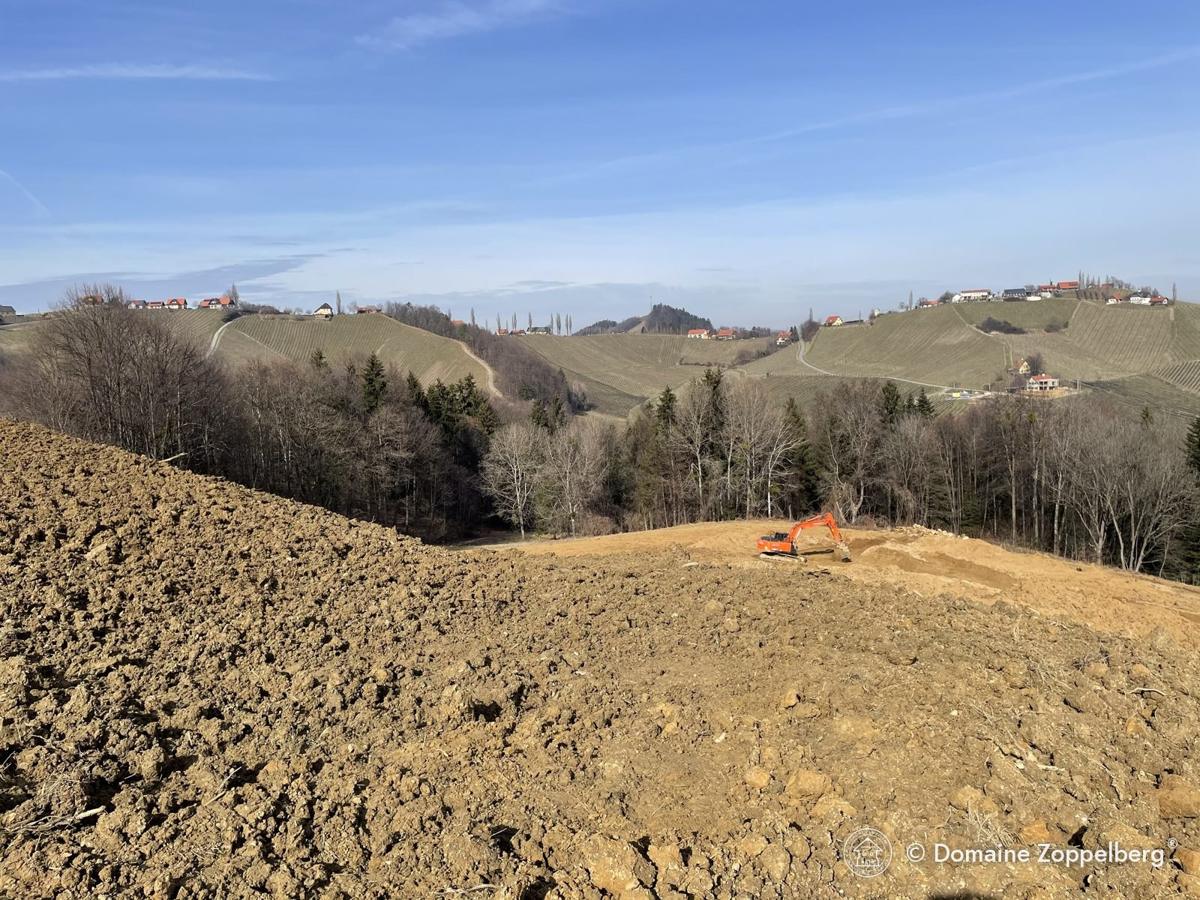
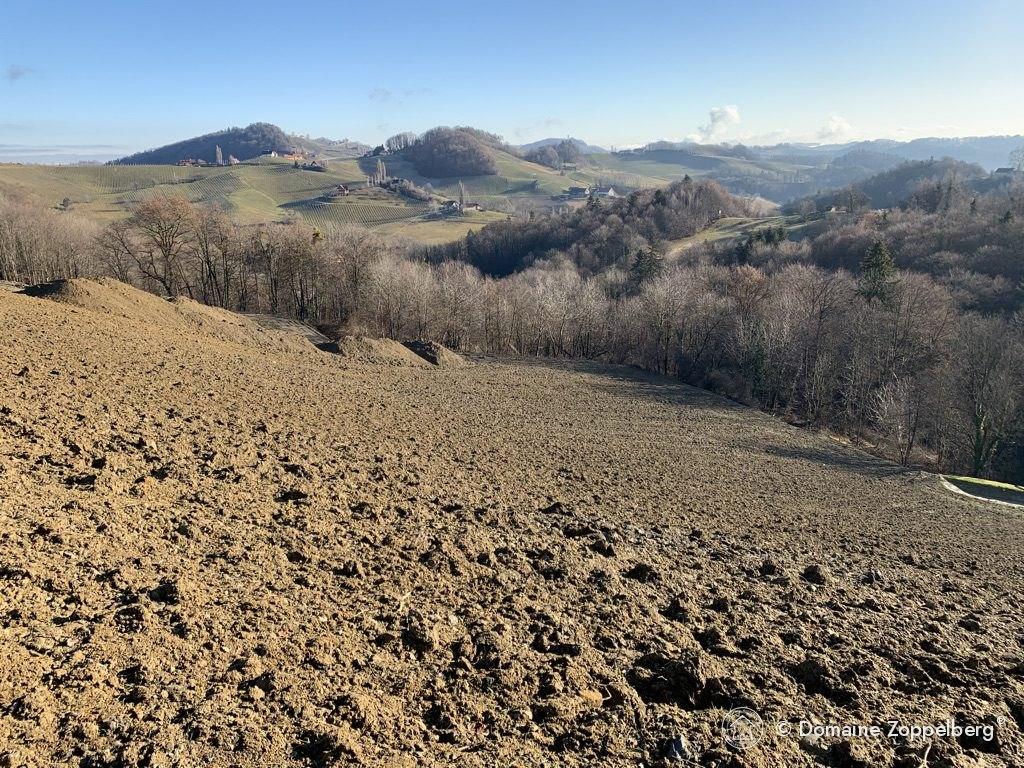
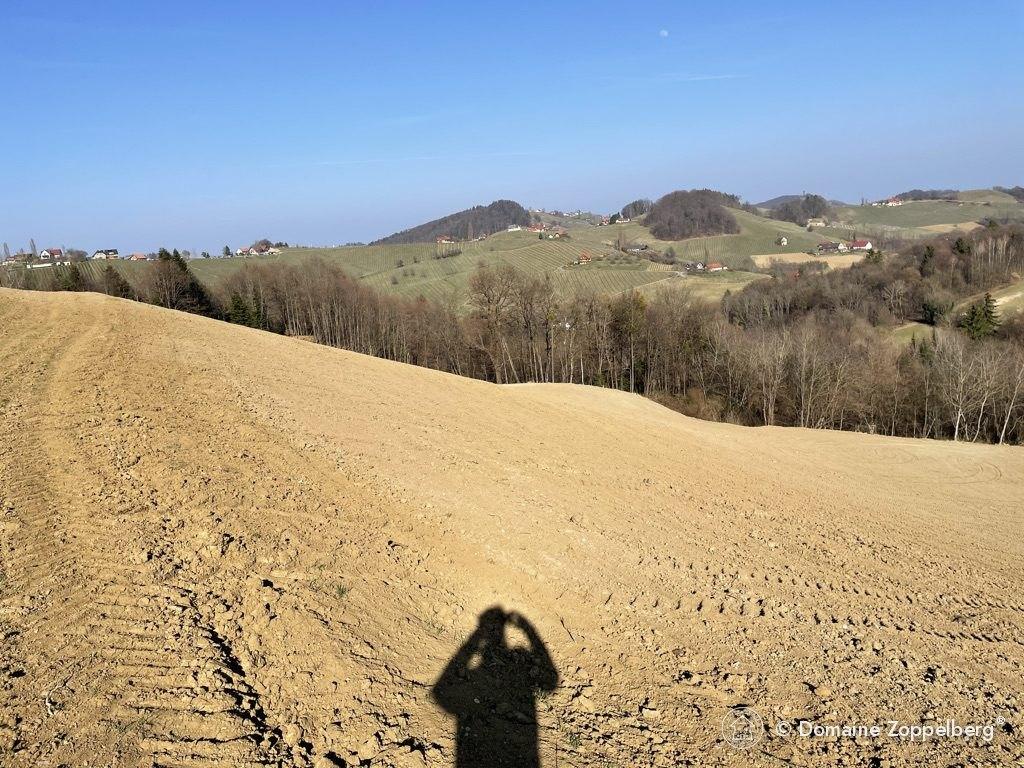
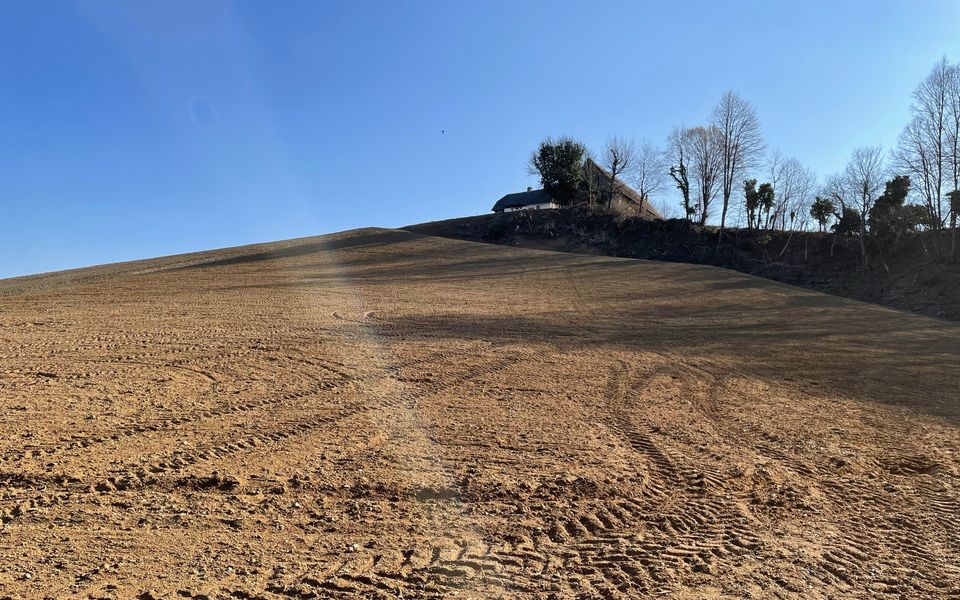
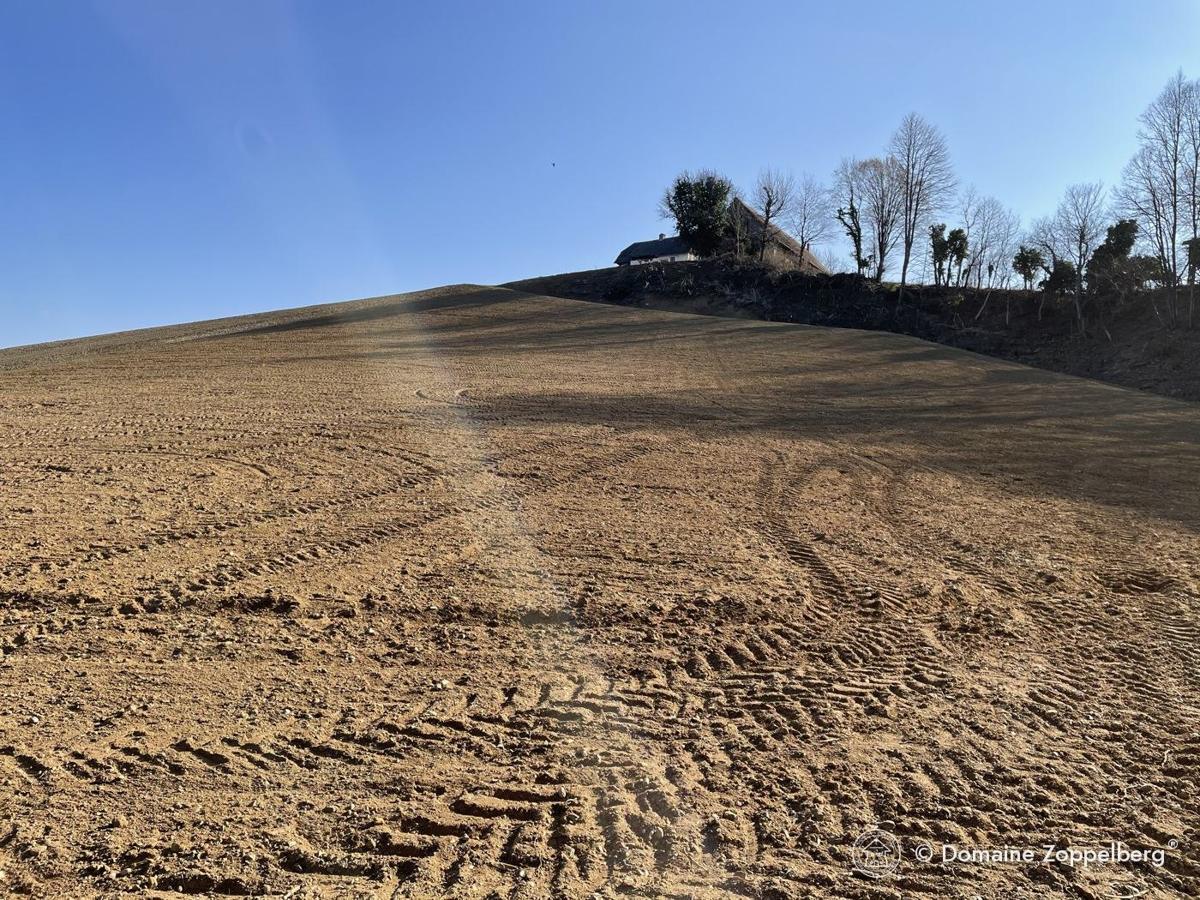
    Over the winter the Kogel is reshaped and levelled. By spring the ground lies open, ready for cover crops and planting. A deer fence now surrounds the future vineyard.
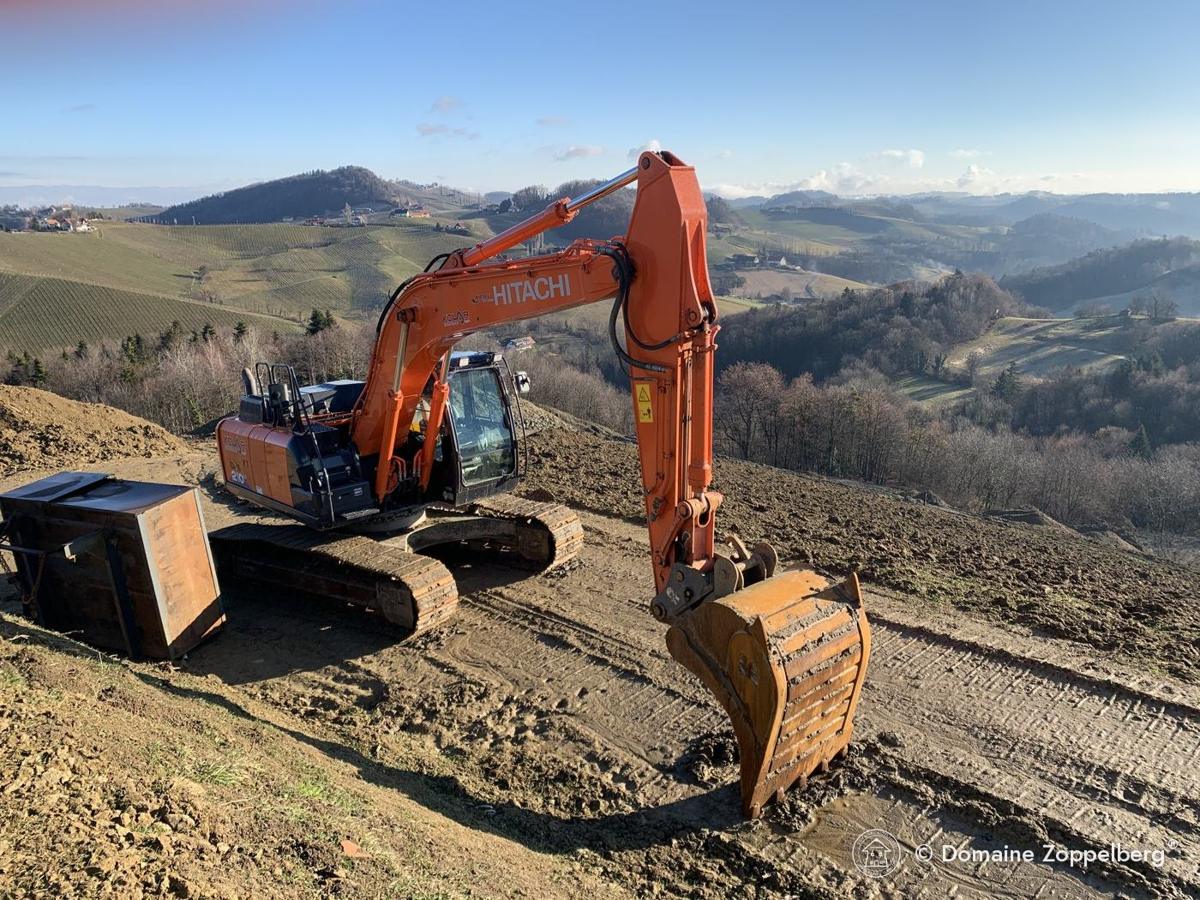
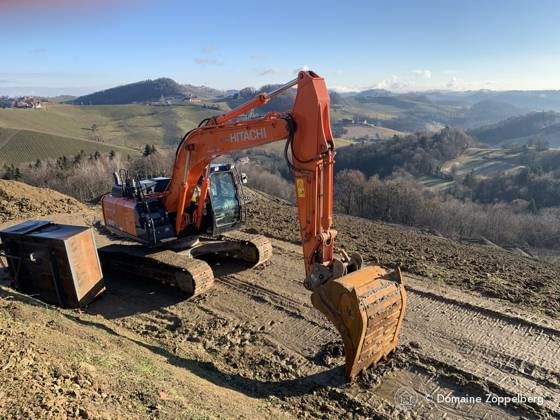
    Excavator on the Kogel overlooking the hills of Southern Styria, January 2021
    January 2021
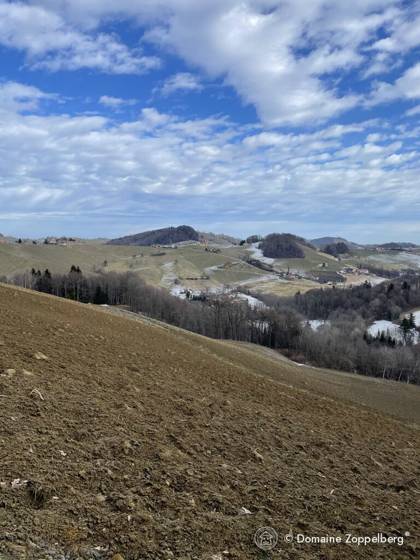
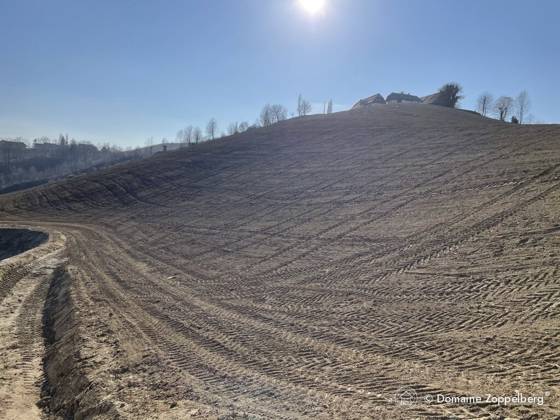
    Levelled ground with tractor tracks, March 2021
    March 2021 · levelled
    Levelled slope along the forest edge, March 2021
    March 2021 · along the forest edge
    Newly shaped smooth slope facing the Sulztal vineyards
    The new slope profile
  5. 2020–2022 · Nature & compensation

    Giving back to nature

    The slope restoration was carried out under a nature-conservation permit from the District Authority Leibnitz and with ecological construction supervision. Completion was reported in November 2022, together with the final report. What was created for nature along the way:
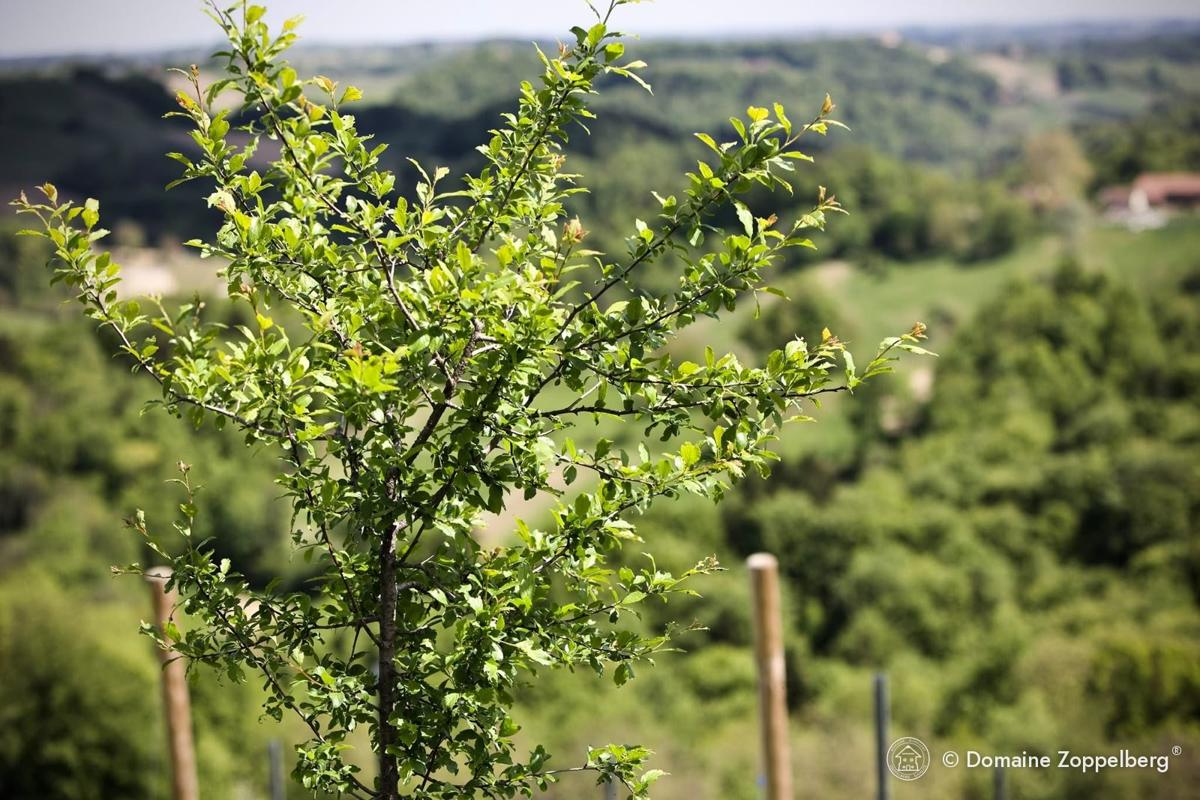
    • Forest edge: reshaped, with a belt of thorny, berry-rich shrubs such as blackthorn, buckthorn and dog rose.
    • Tree row on the southern edge: sweet chestnut, hornbeam, pedunculate oak, Norway maple, walnut, poplar, sea buckthorn, blackthorn, dog rose and buckthorn, well established with hardly any losses.
    • Reforestation: of the temporarily cleared strips at the drainage outlets with sweet chestnut, hornbeam, oak and native shrubs.
    • Butterfly meadow: sown with species-rich regional seed and birthwort, the only food plant of the rare southern festoon butterfly. It is mown once a year and gives the vineyard site its name.
    • Orchard trees & skyline: fruit trees on the bank by the farm building, poplars along the boundary on the ridge.
    • Stone and brush piles: in sunny spots and along the forest edges: shelter for lizards, insects and small animals.
    • Built with care: trees felled only outside the breeding season, gentle terrain edges, banks sown with oats straight away. A planted embankment in the southern gullies keeps run-off out of the streams.
    • Next steps: islands of trees and shrubs within the vineyard, and perches for birds of prey and owls that keep mice in check naturally.
    Young shrub at the vineyard edge, the Sulztal hills behind
    Young shrub at the vineyard edge, looking over the Sulztal
  6. 2022/23 · Fallow & oats

    Two years of fallow: oats for the oat hill

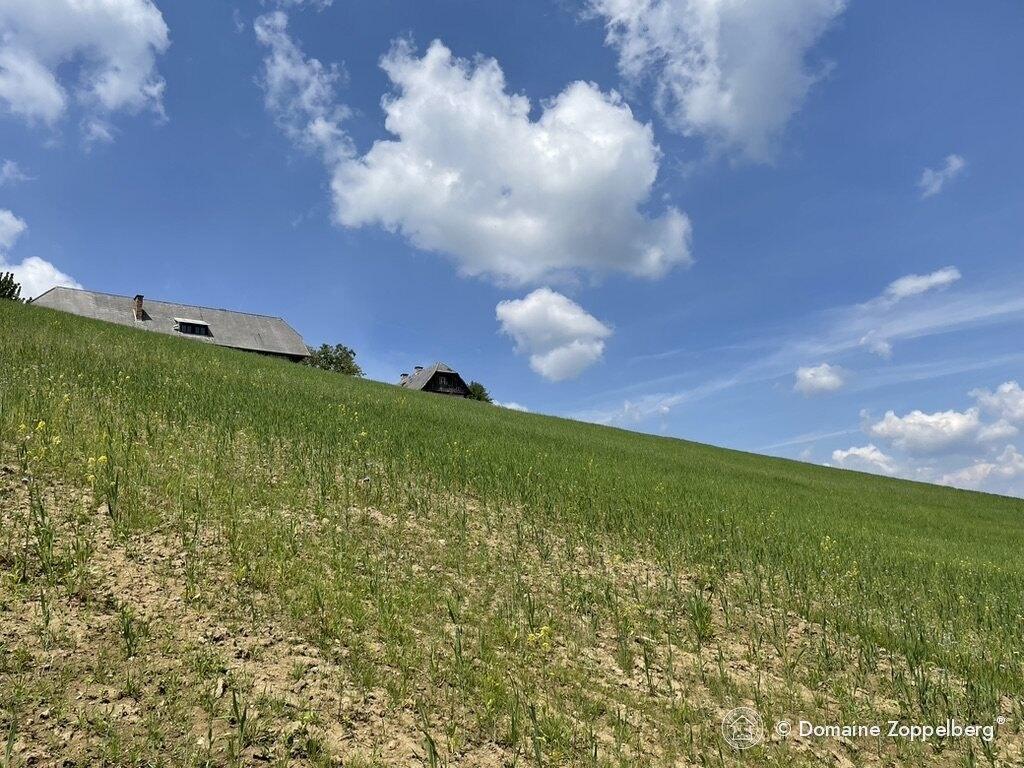
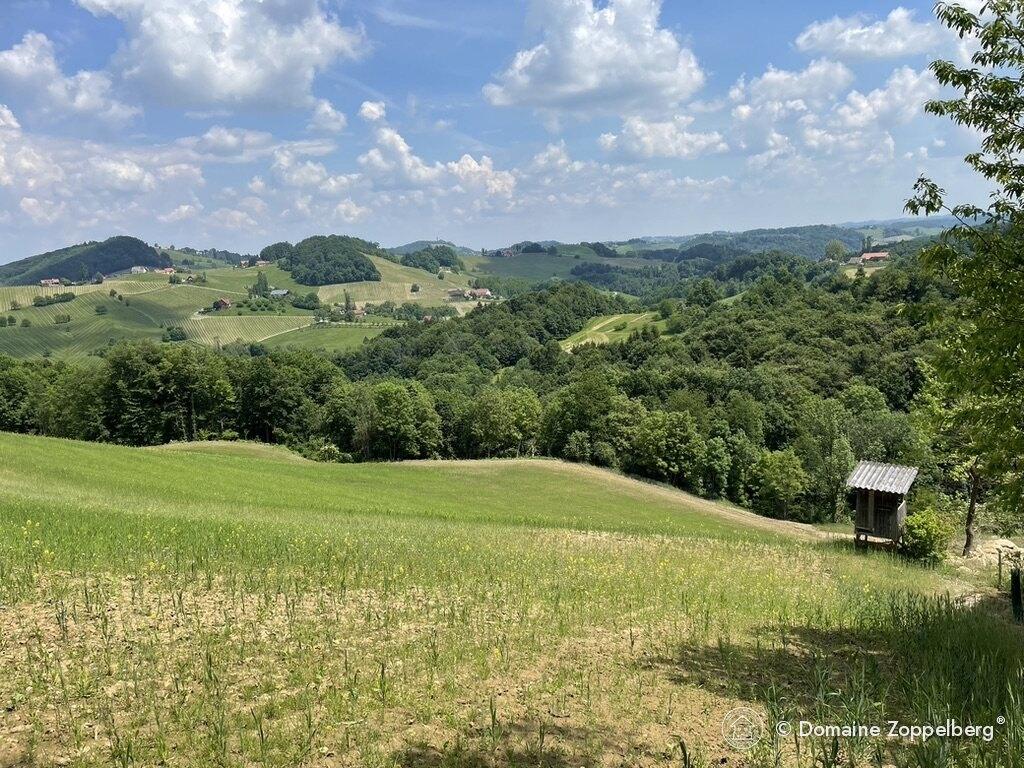
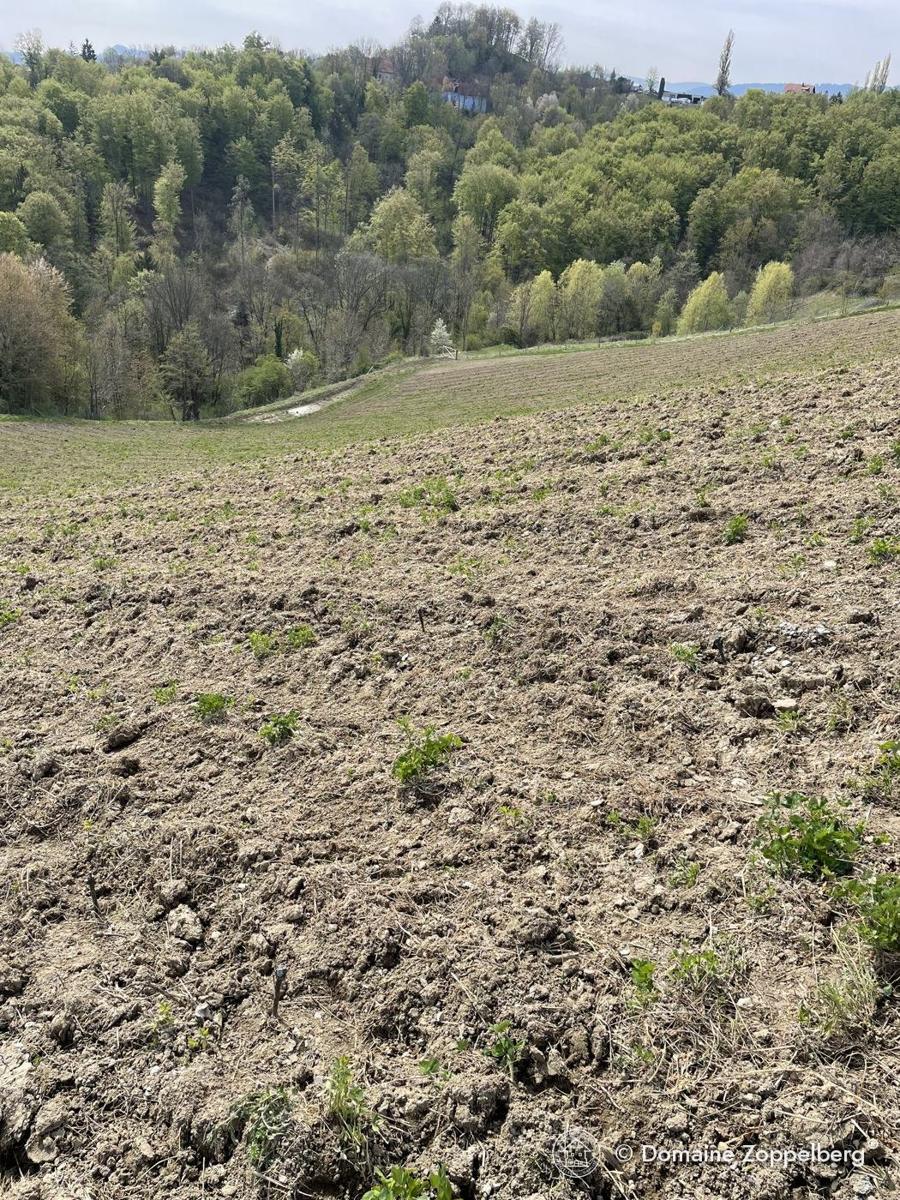
    After the reshaping the ground rested for two years. During this fallow we deliberately sowed a deep-rooting oat, together with lucerne. Its roots reach far into the freshly shaped soil, loosen it and hold the slope before the vines arrive.

    Above all, we wanted to do justice to the history of the Kogel: as early as 1265 the princely land register names it “Zobe”, the oat hill, because the dues here were paid in oats. After more than 750 years, oats grew on the Kogel again before the first vines went into the ground. Our Cuvée Zobe™ carries this oldest name on.
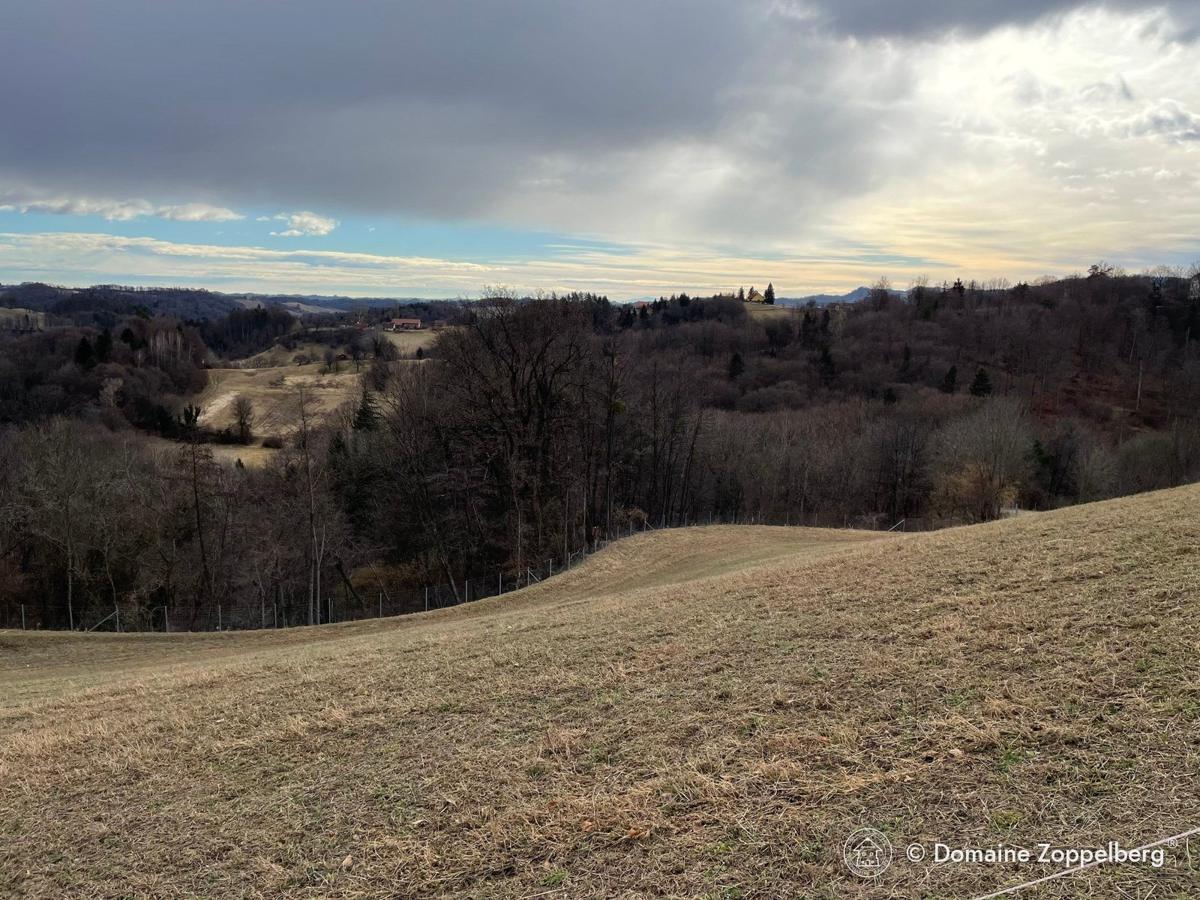
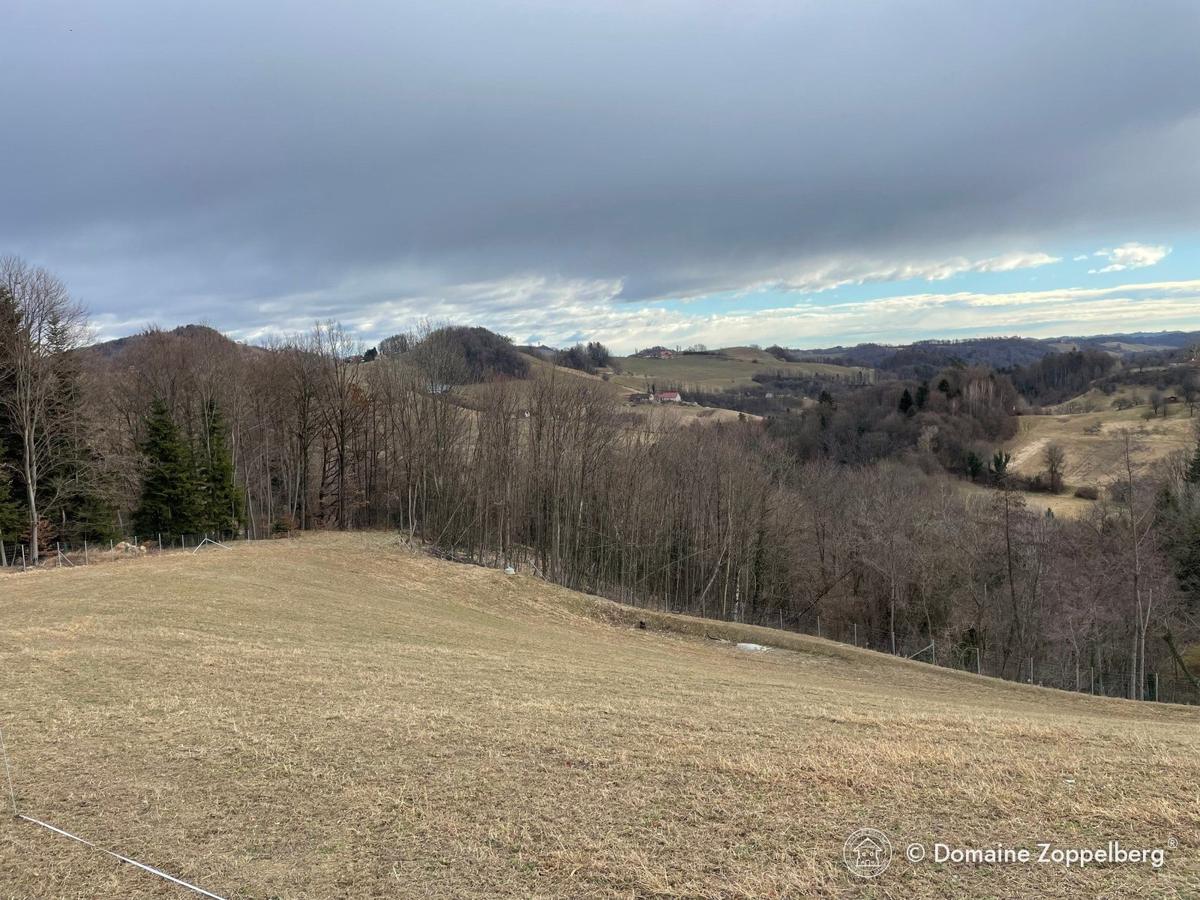
    Fallow in winter, the deer fence all around
    Fallow in winter, the deer fence all around
    The resting ground above the Sulztal
    The resting ground above the Sulztal
    Sowing oats below the main house
    Sowing oats below the main house
    Green oats looking over the hills
    Green oats looking over the hills
    The Kogel in oats, seen from across the valley
    The Kogel in oats, seen from across the valley
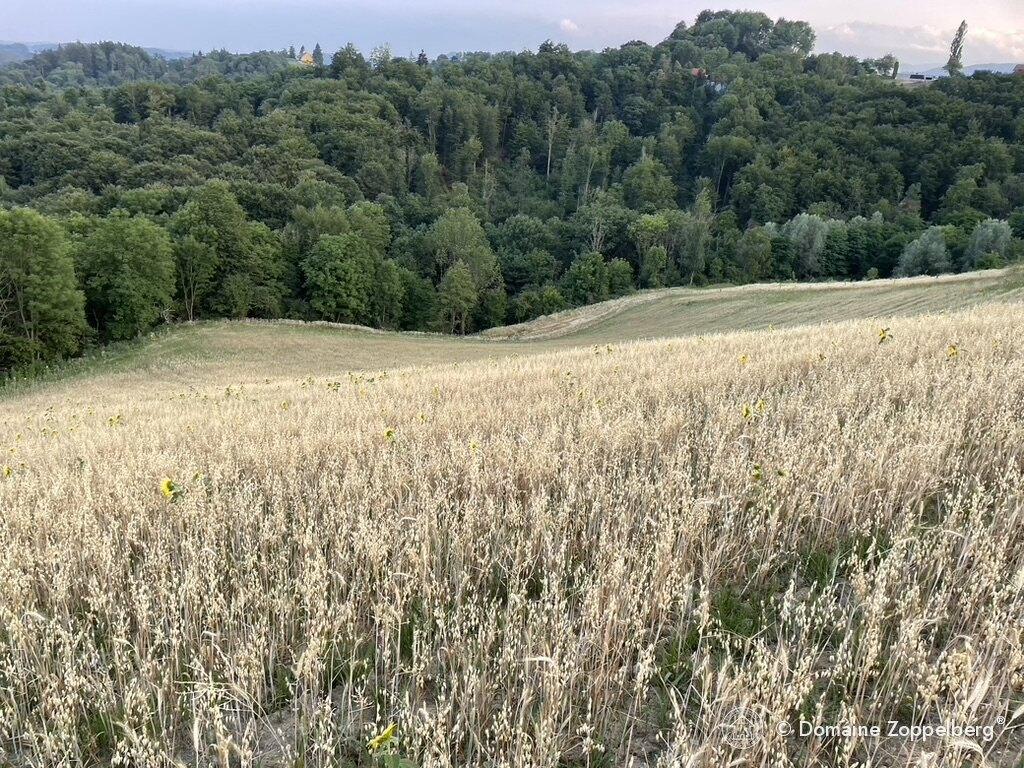
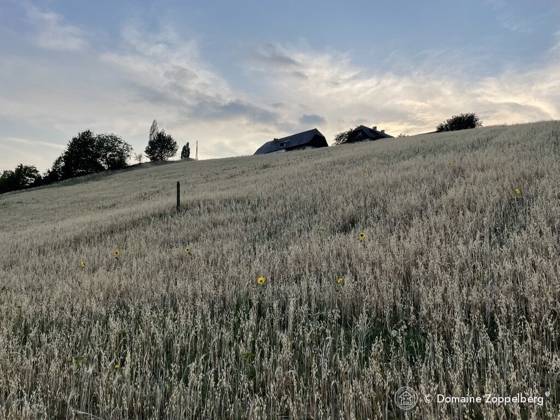
    Oats with sunflowers
    Oats with sunflowers
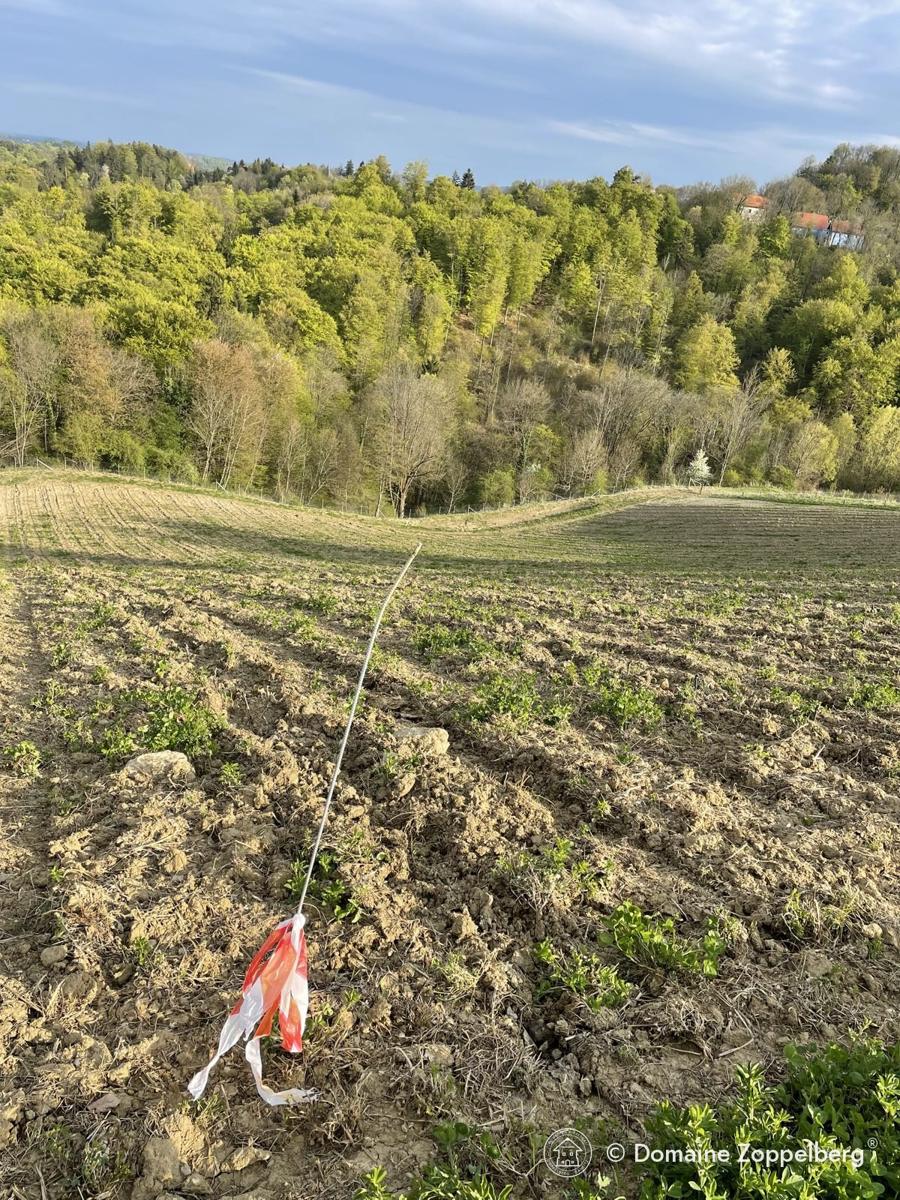
    Planting area staked out with marker tape
    Staked out for planting
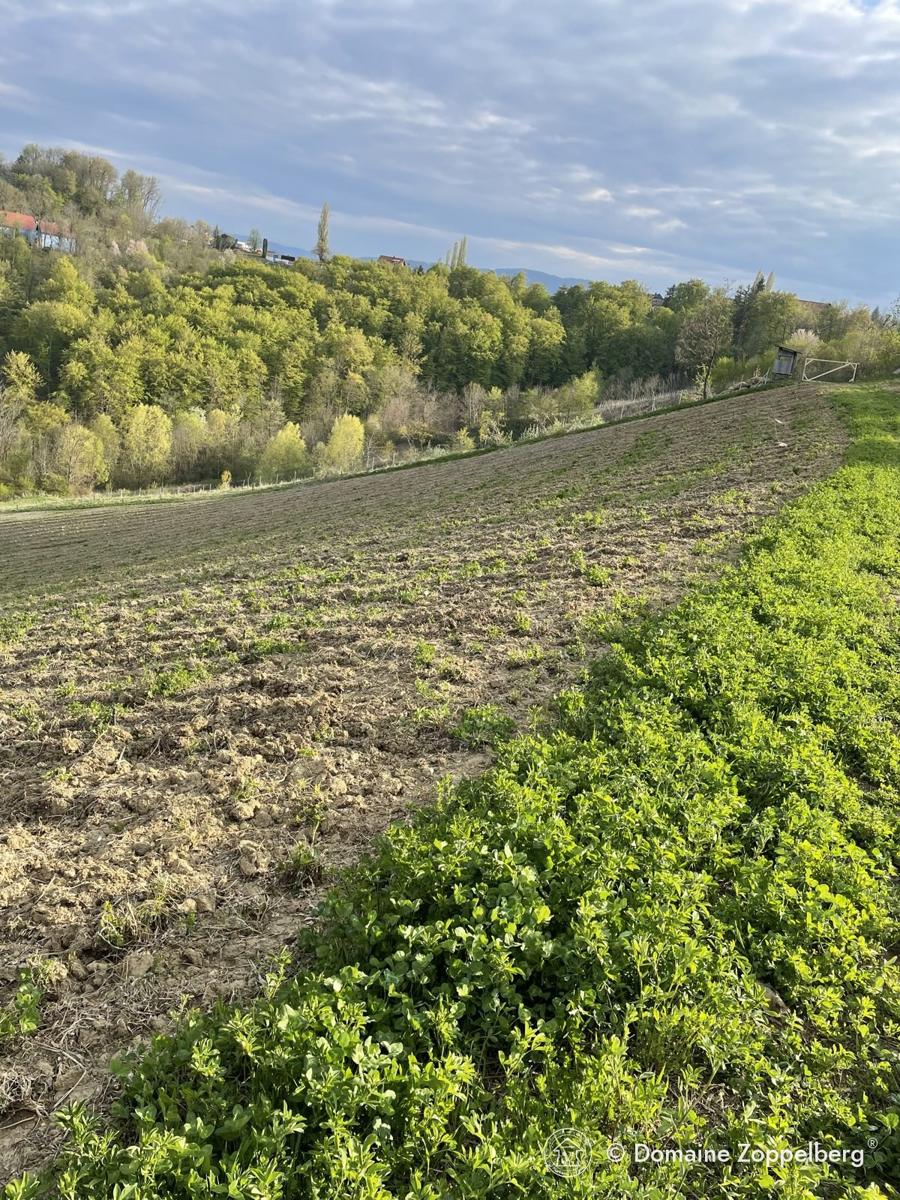
    Planting area with lucerne along the edge in evening light
    Lucerne along the edge
    Green slope in the mist
    Green slope in the mist
    Working the soil strip by strip in the fallow
  7. 2023 · Planting

    The first vines go into the ground

    In spring 2023 the vines are planted exactly to the planting plan Mario Weber of Weingut Kodolitsch drew up for the Zoppelberg in 2021/22, matched to the individual Rieden, the steep slopes and their aspect: Muskateller on the Kogel, Sauvignon Blanc on the Batabach and in Sulzbach, Pinot Blanc on the Schmetterlingswiese.

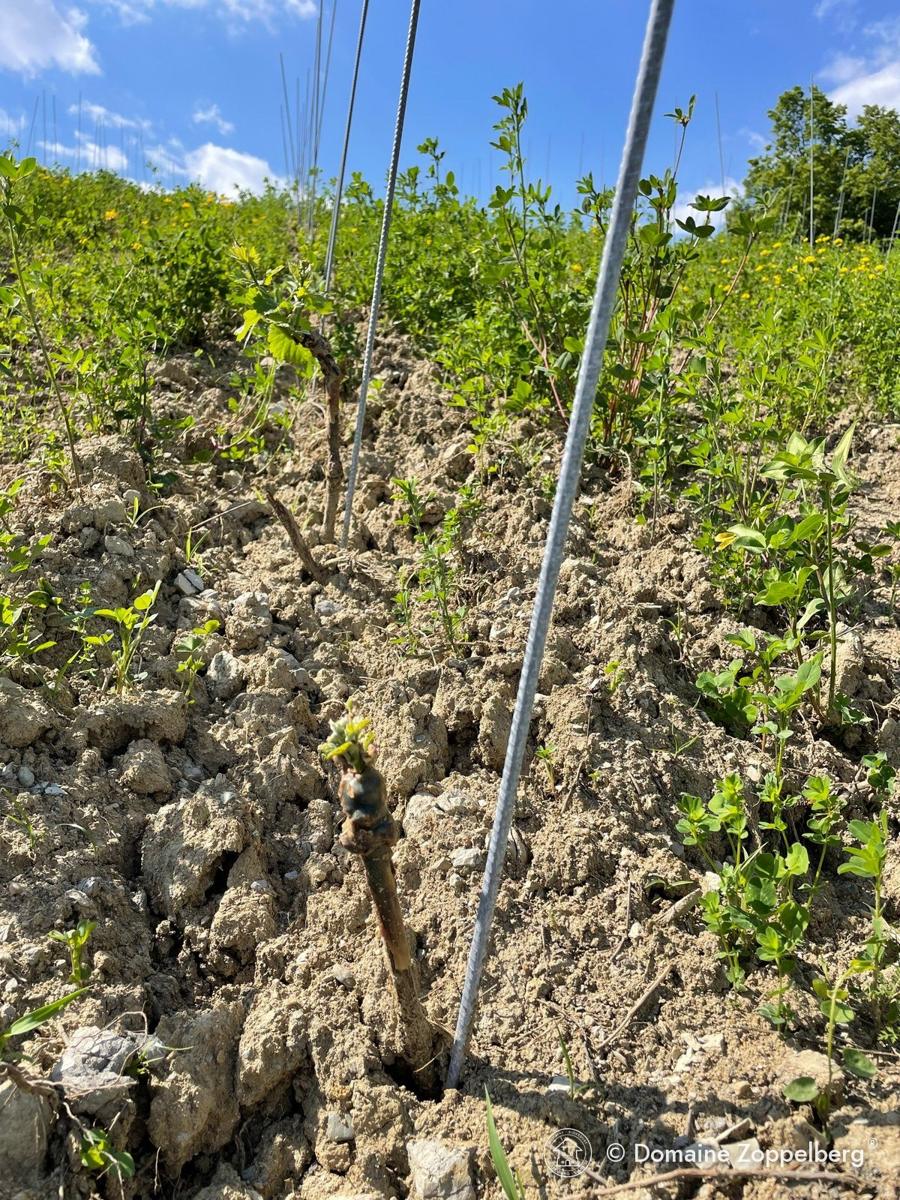
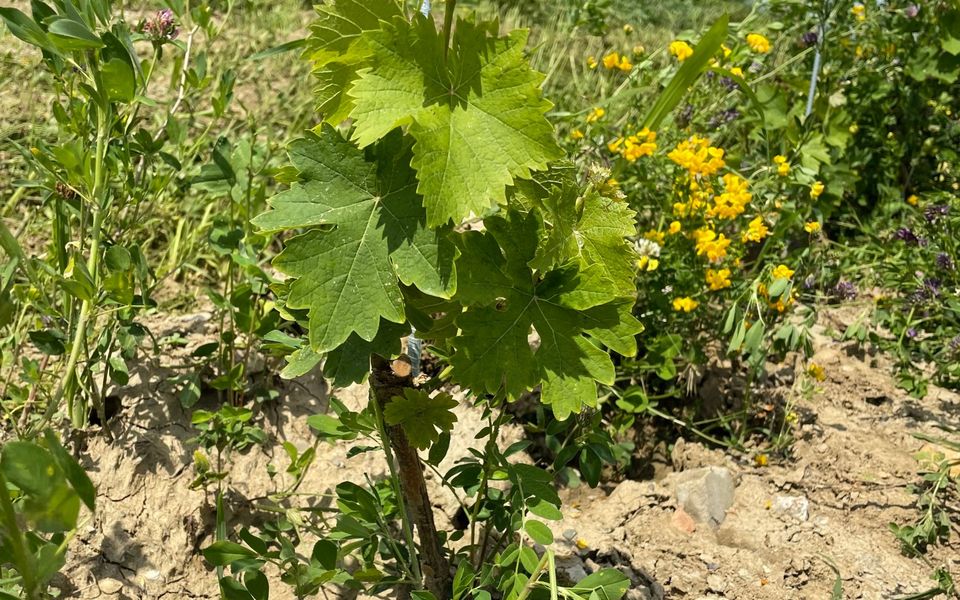
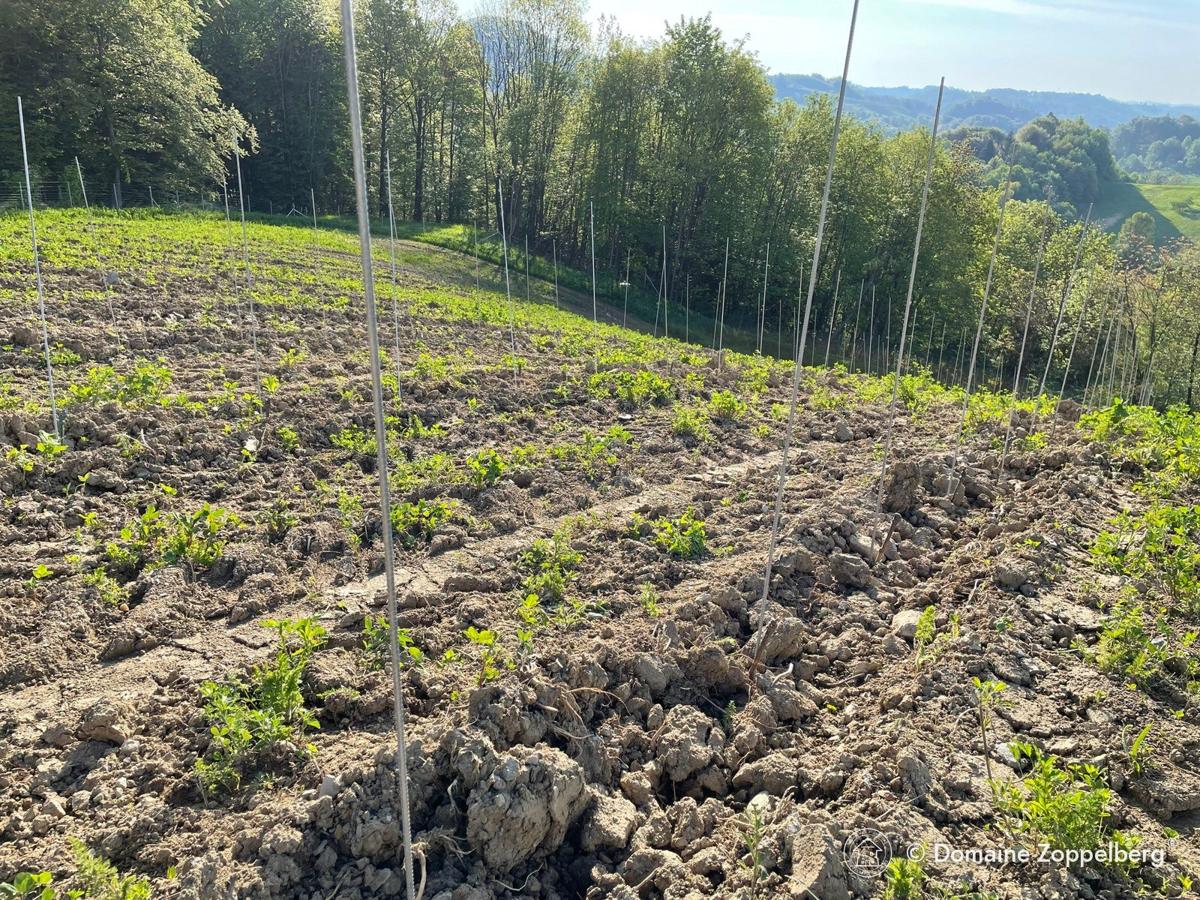
    After planting, the soil stays green: alfalfa, clover, grasses and herbs grow between the rows. The cover crop holds the soil with its roots and prevents erosion in the vineyard, especially on the steep slopes during heavy rain. At the same time it supports flora and fauna: flowers and shelter give beneficial insects, pollinators and soil life a habitat.
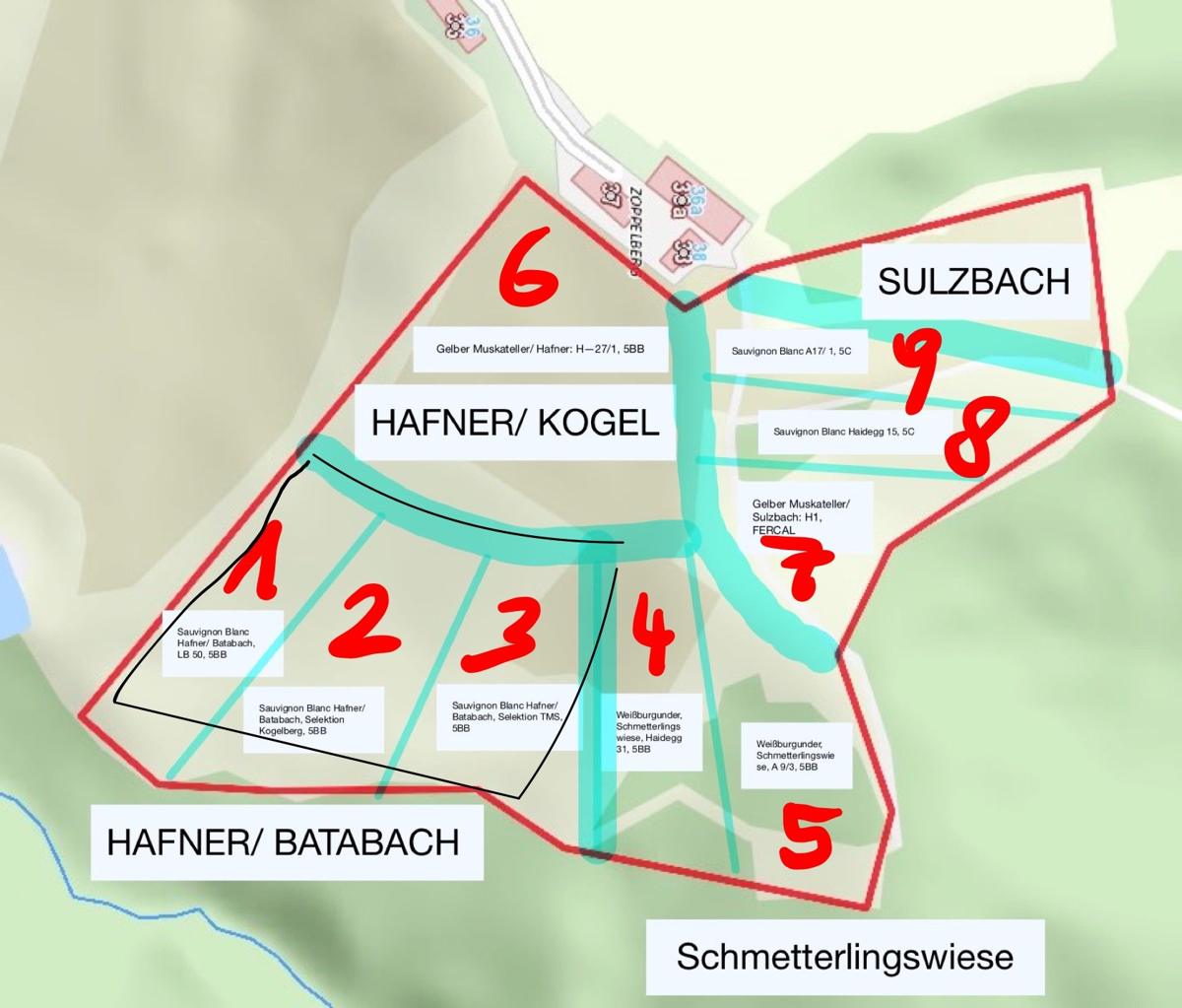
    Planting plan by Mario Weber: nine parcels by Ried and variety
    Planting plan by Mario Weber: nine parcels by Ried and variety
    Grafted vines at their stakes, lucerne in between
    Grafted vines at their stakes, lucerne in between
    First shoots after planting
    First shoots after planting
    Young vine among lucerne and clover
    Young vine among lucerne and clover
    Freshly planted ground with cover crop
    Freshly planted
    Young vine at its stake
    First shoots
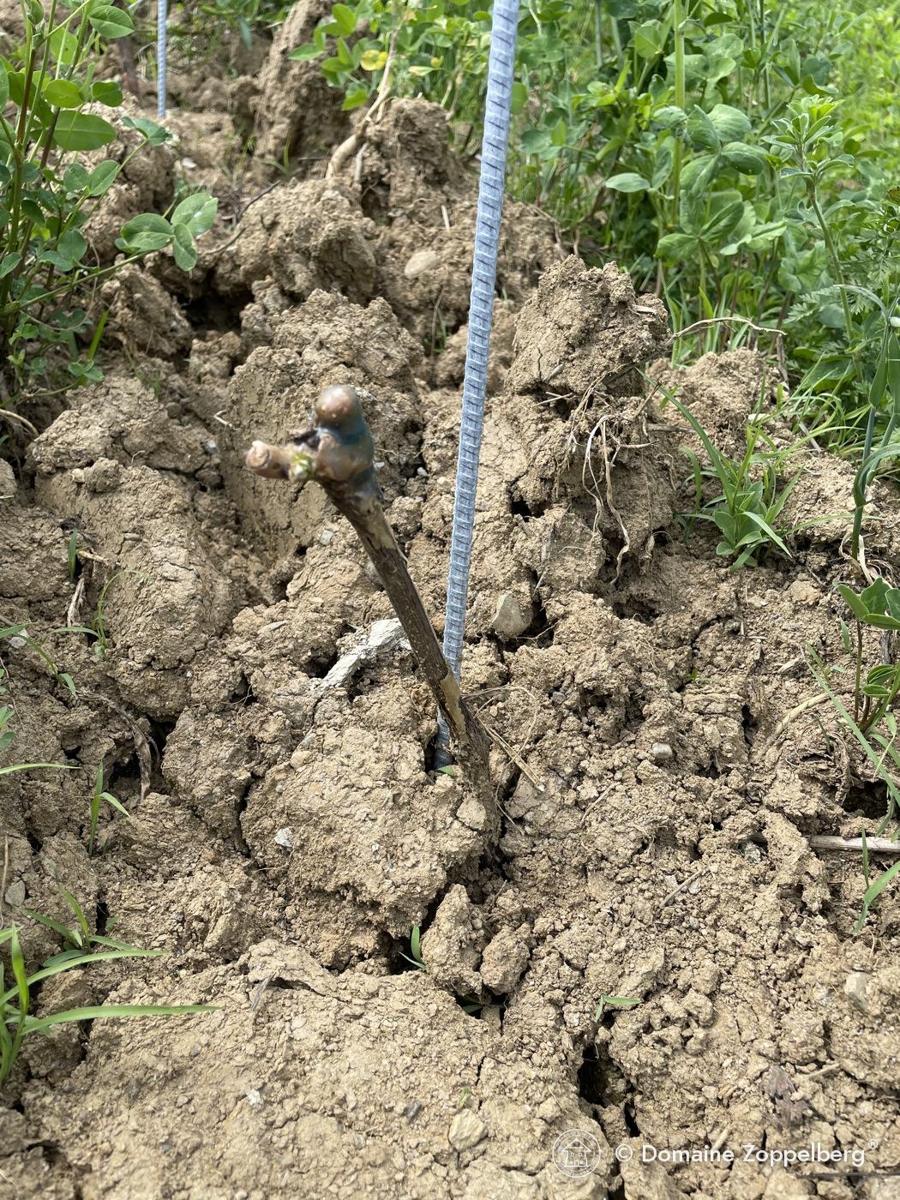
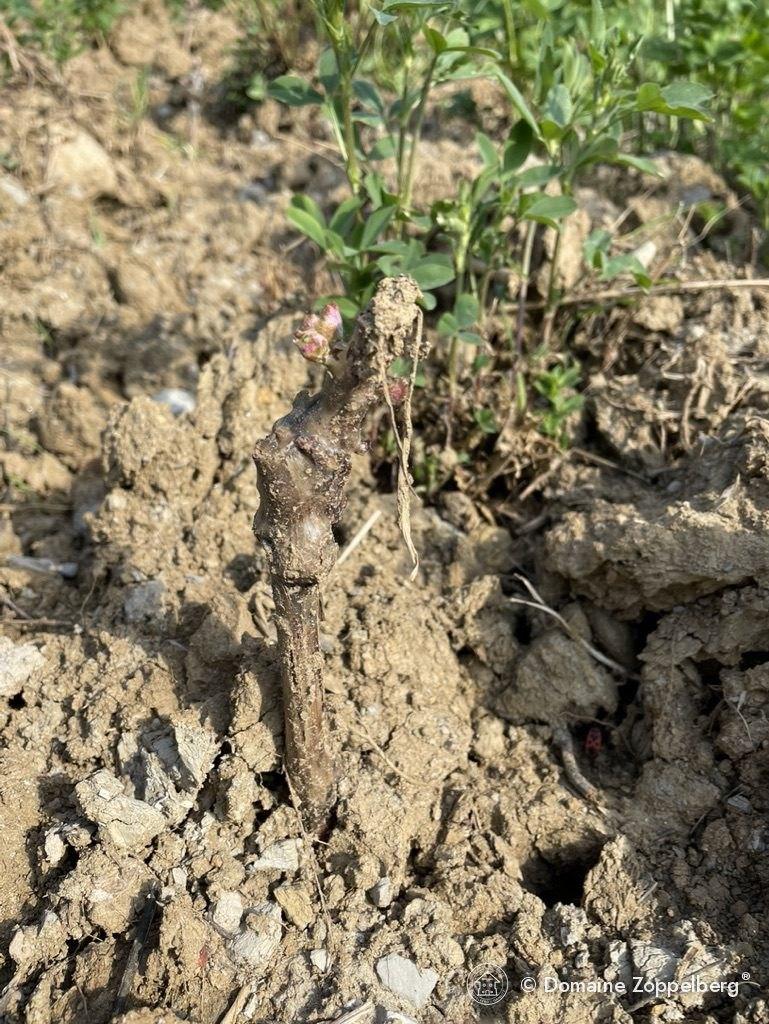
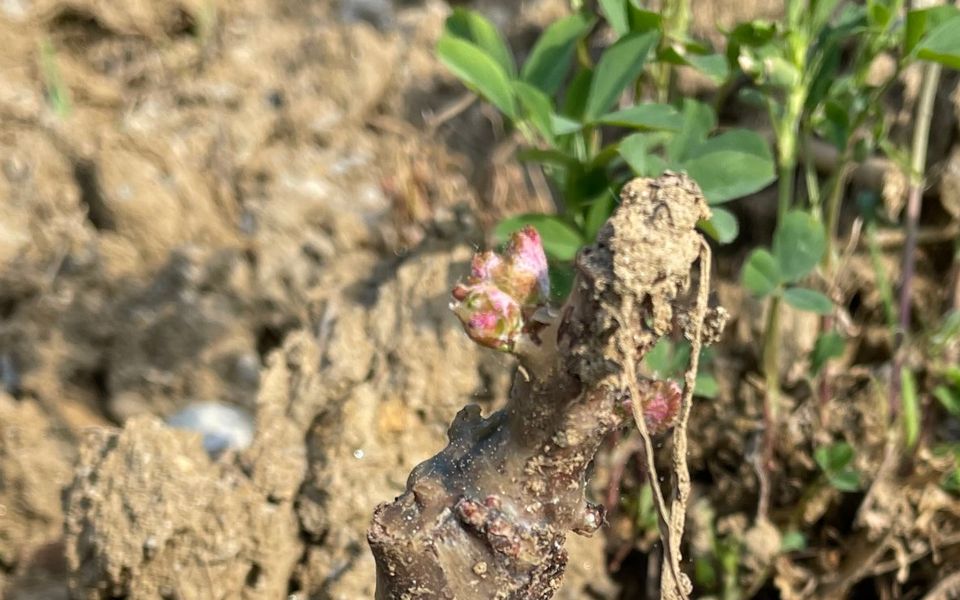
    Newly planted grafted vine with pink buds in the clay soil
    Just planted, first buds
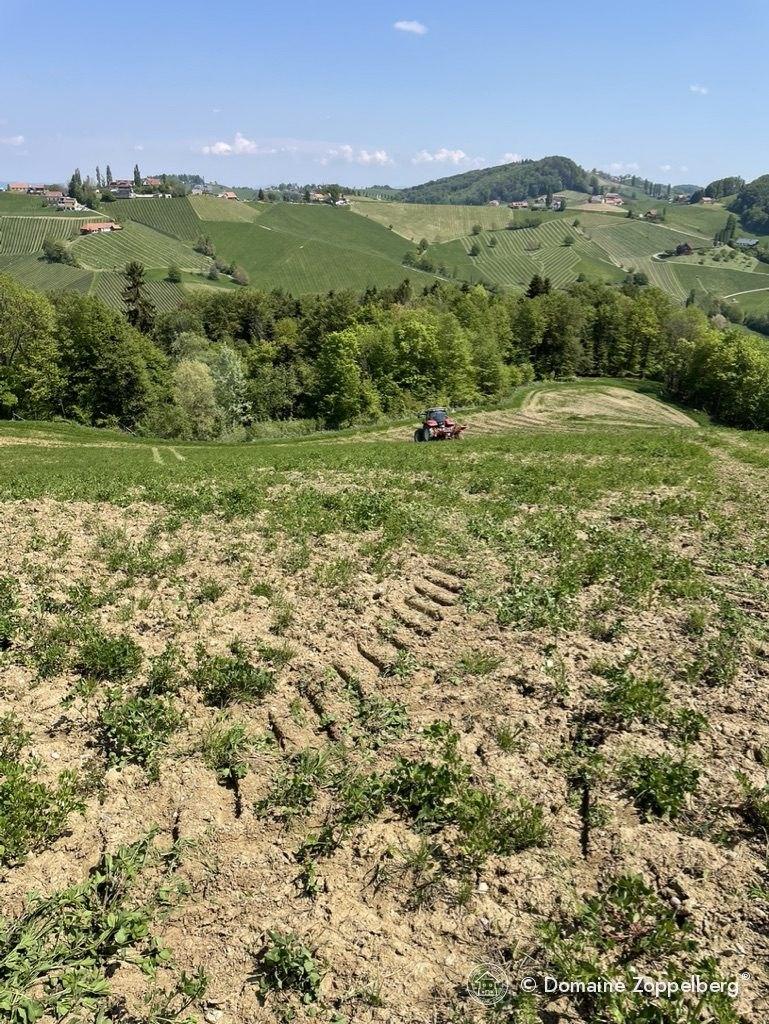
    Tractor on the planting area, Sulztal vineyards opposite
    May above the Sulztal
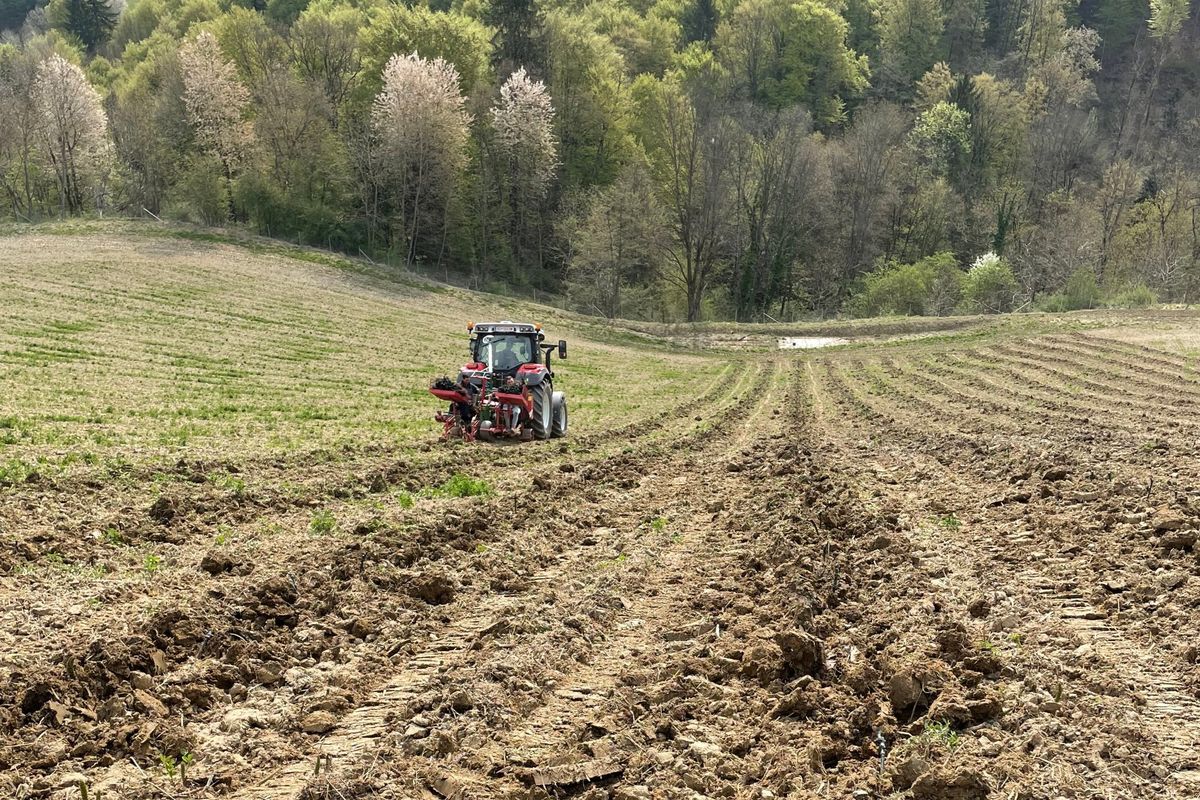
    Tractor with planting machine on the steep slope, blossoming trees in the forest behind
    Planting machine on the slope
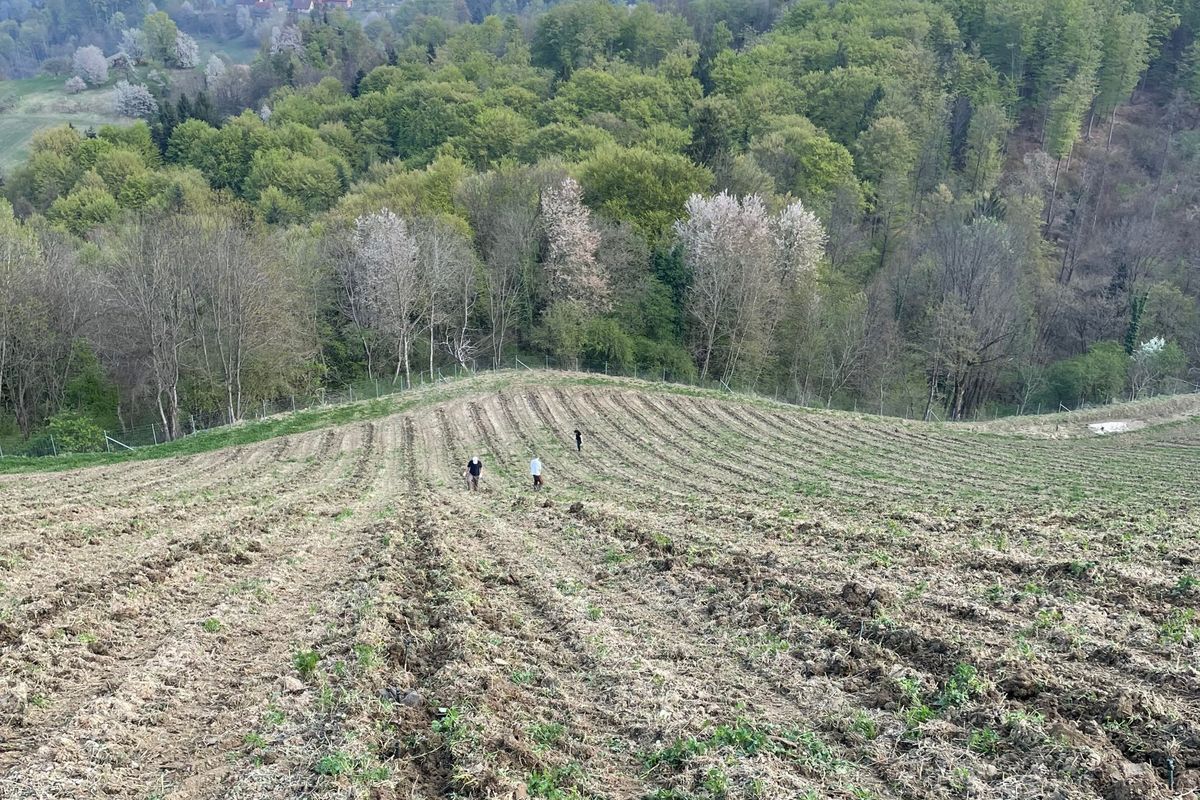
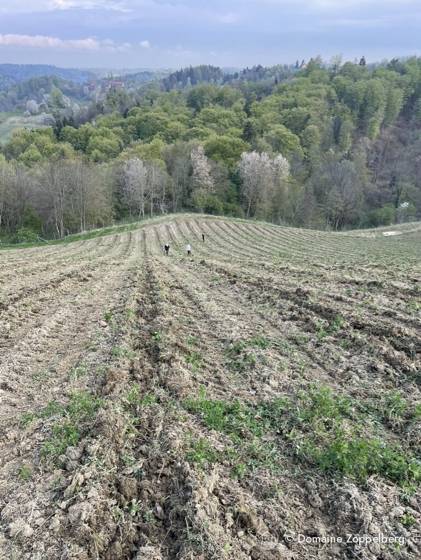
    Three people planting vines into the freshly worked rows
    Hand work between the rows
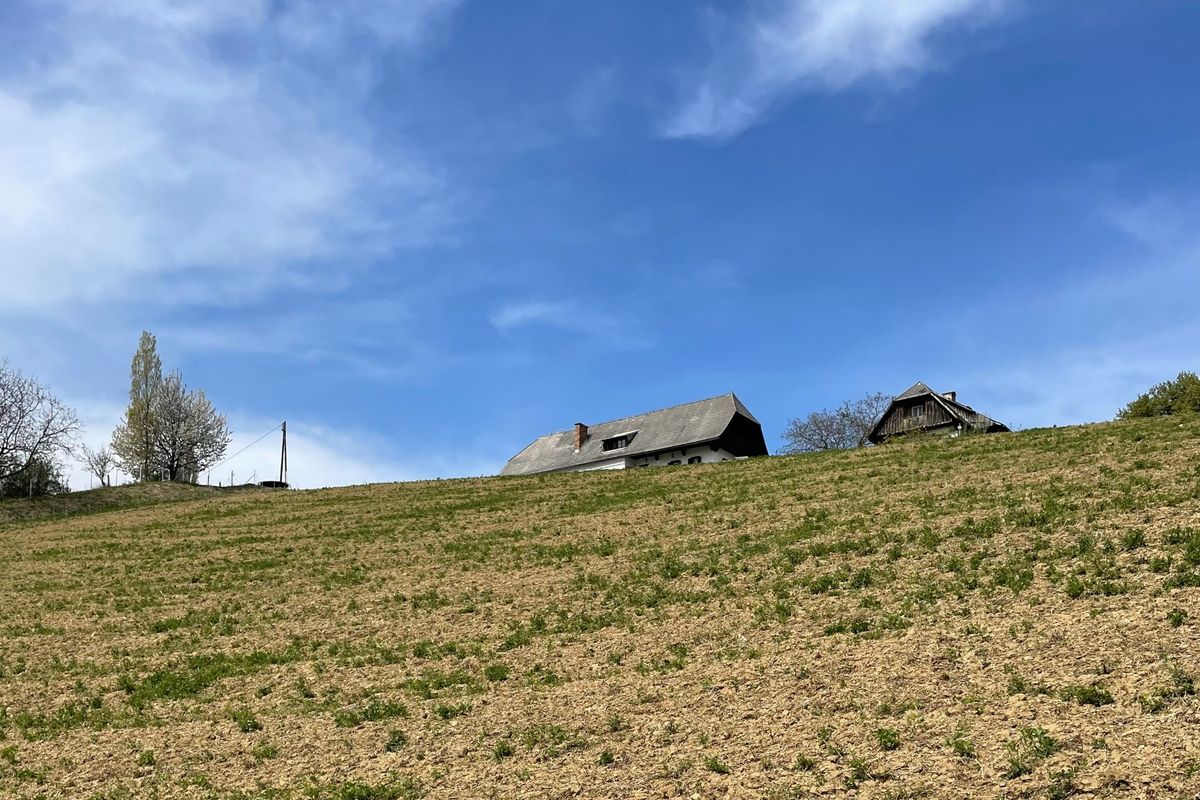
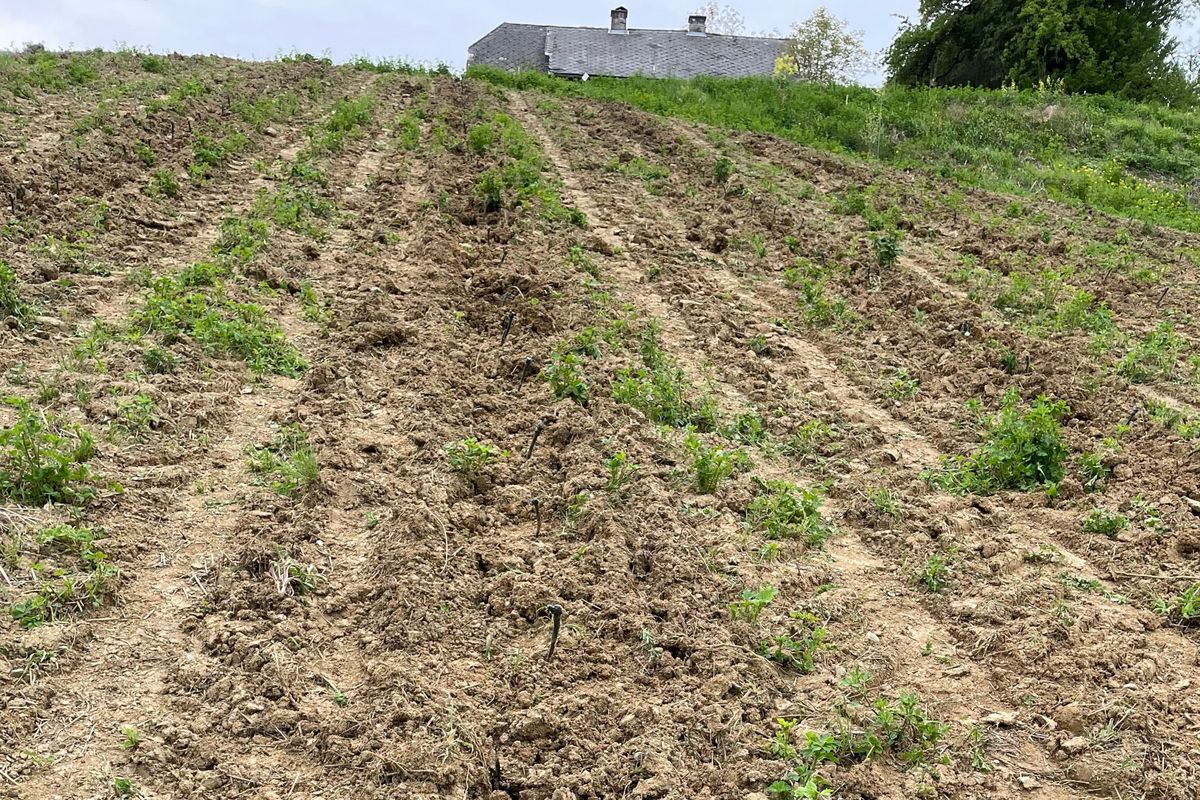
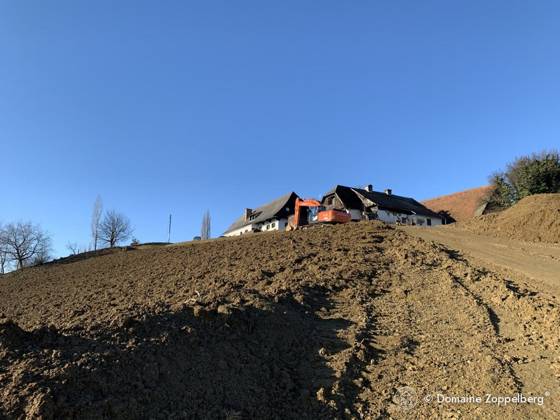
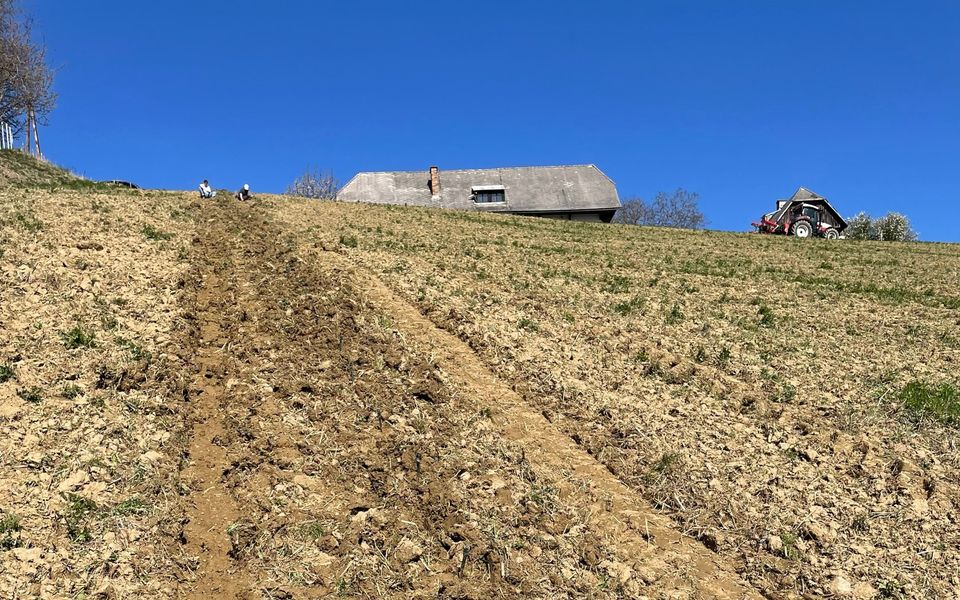
    Freshly worked slope with the farm above under a blue sky
    Looking up to the farm
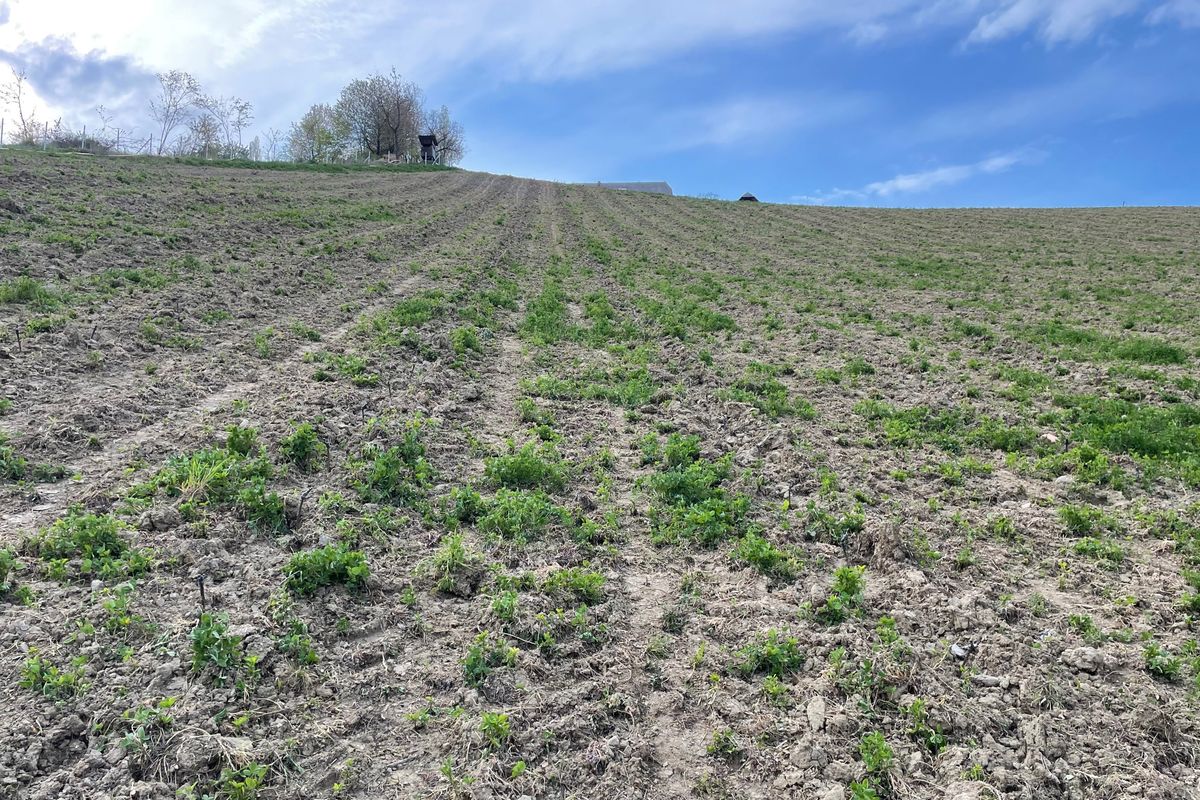
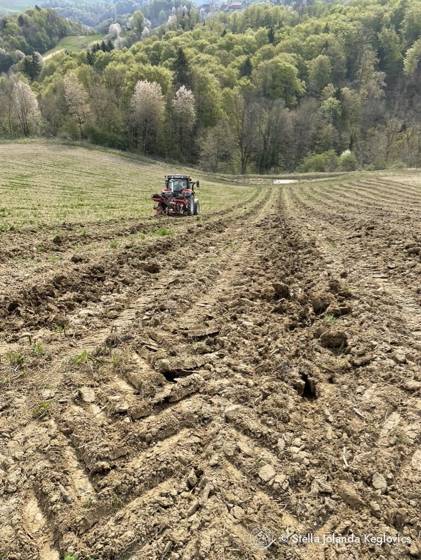
    Freshly ploughed rows up the slope
    Rows up the slope
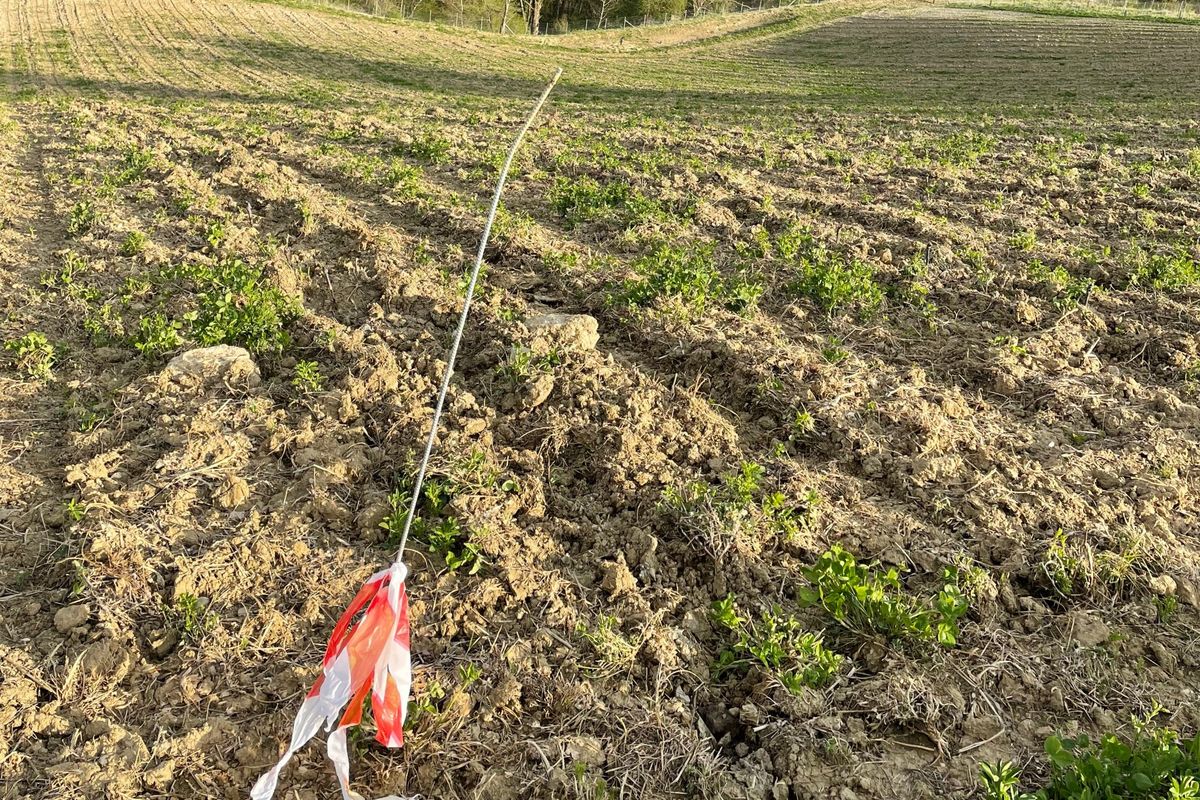
    Marker tape on a stake in the planting area
    Marker tape in the planting area
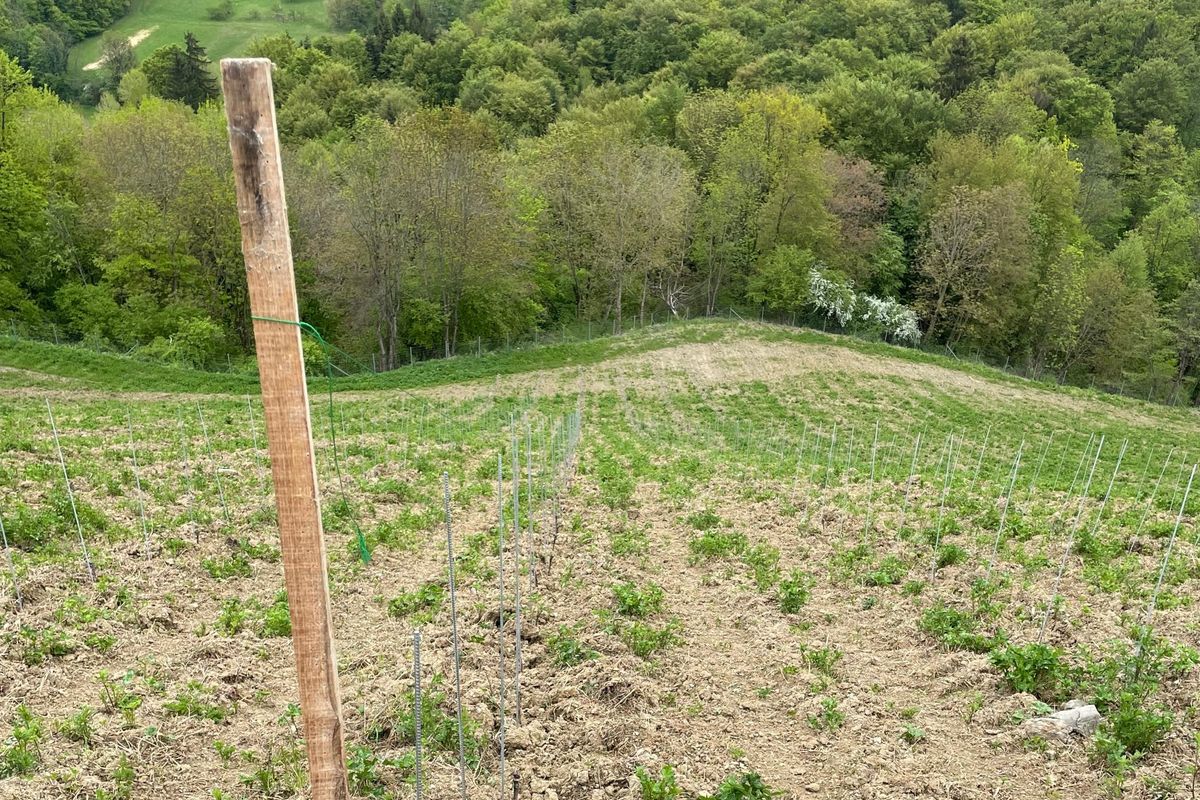
    Wooden post in the freshly planted vineyard, forest behind
    The first wooden post
    Freshly set rows with the main house above
    Fresh rows, the farm above
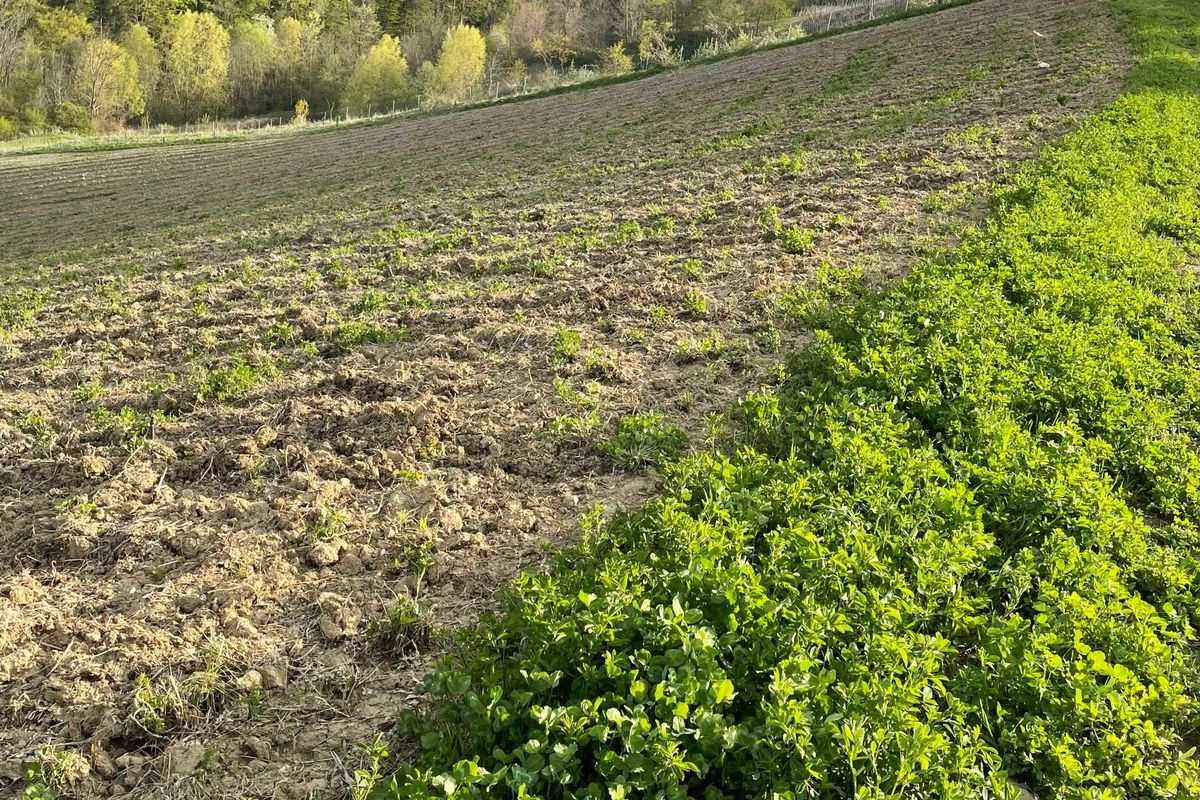
    Alfalfa cover crop next to the freshly worked area
    Alfalfa beside the planting area
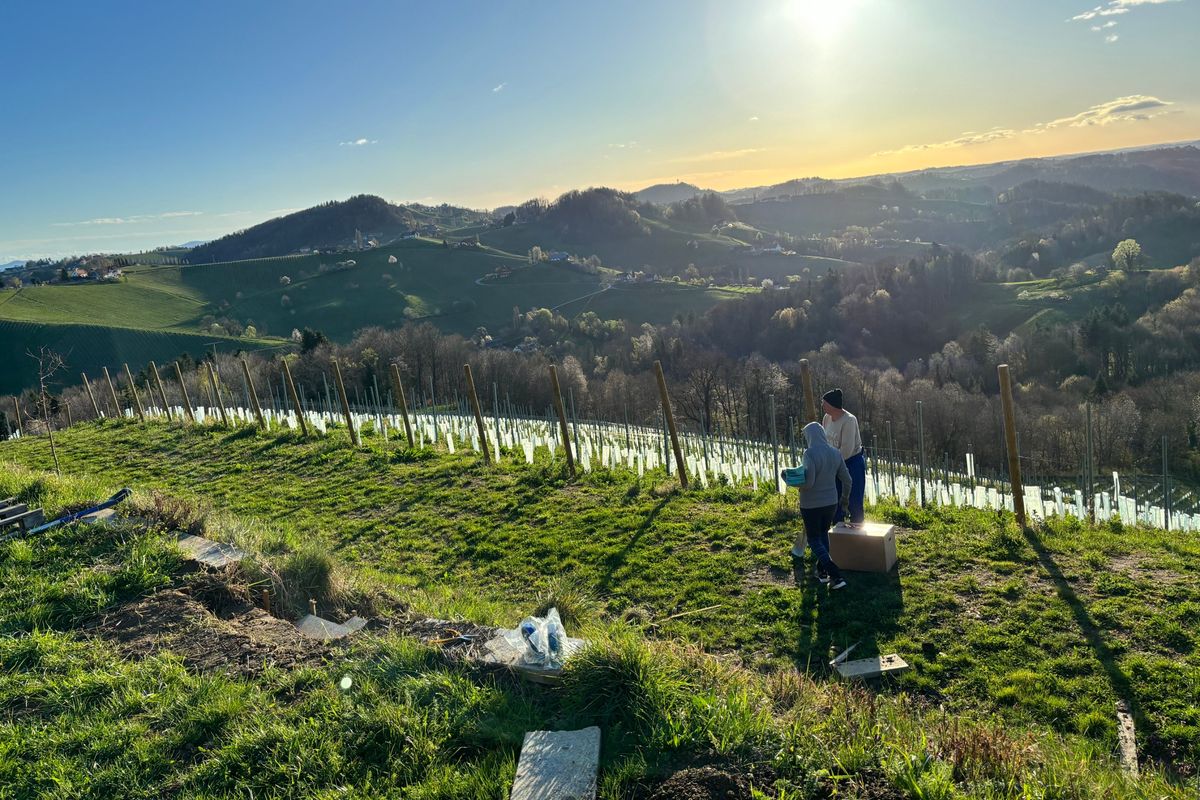
    Evening sun over the vineyard with tree guards and a wooden post, two people at work
    Evening light over the vineyard
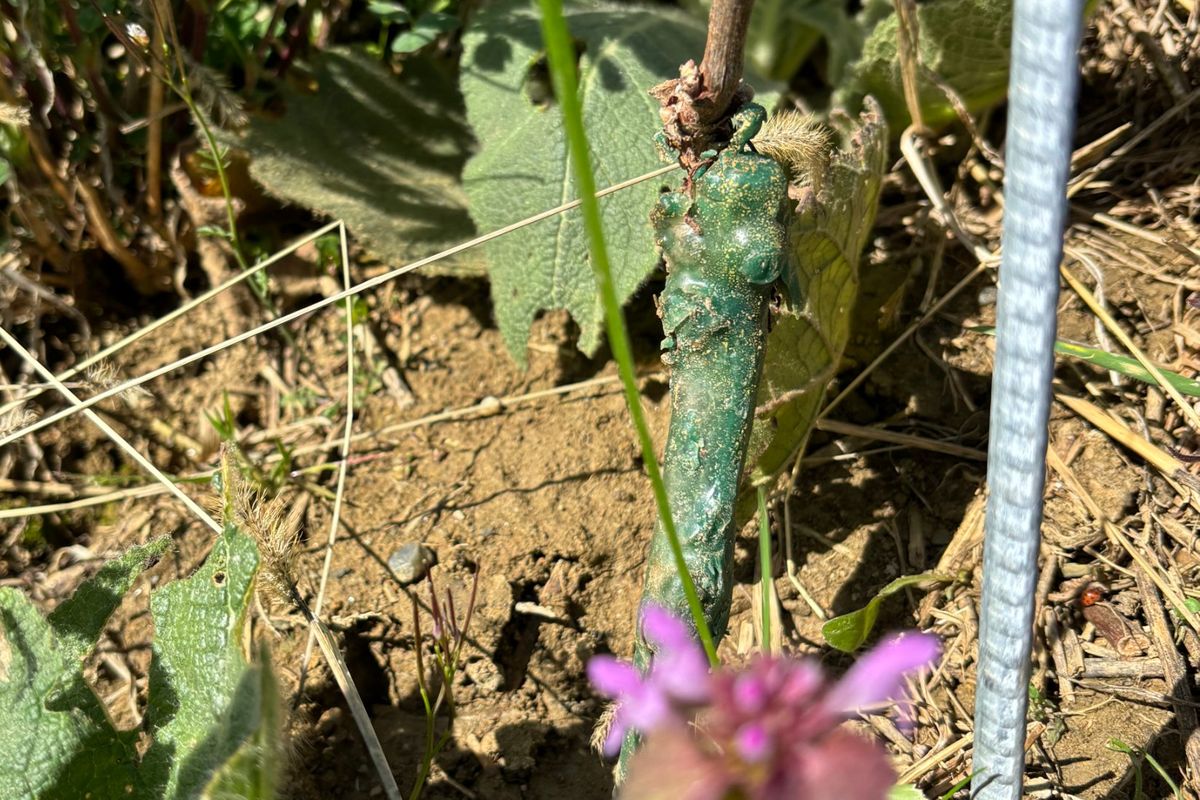
    Wax-sealed graft union of a young vine next to a steel post
    Graft union sealed with wax
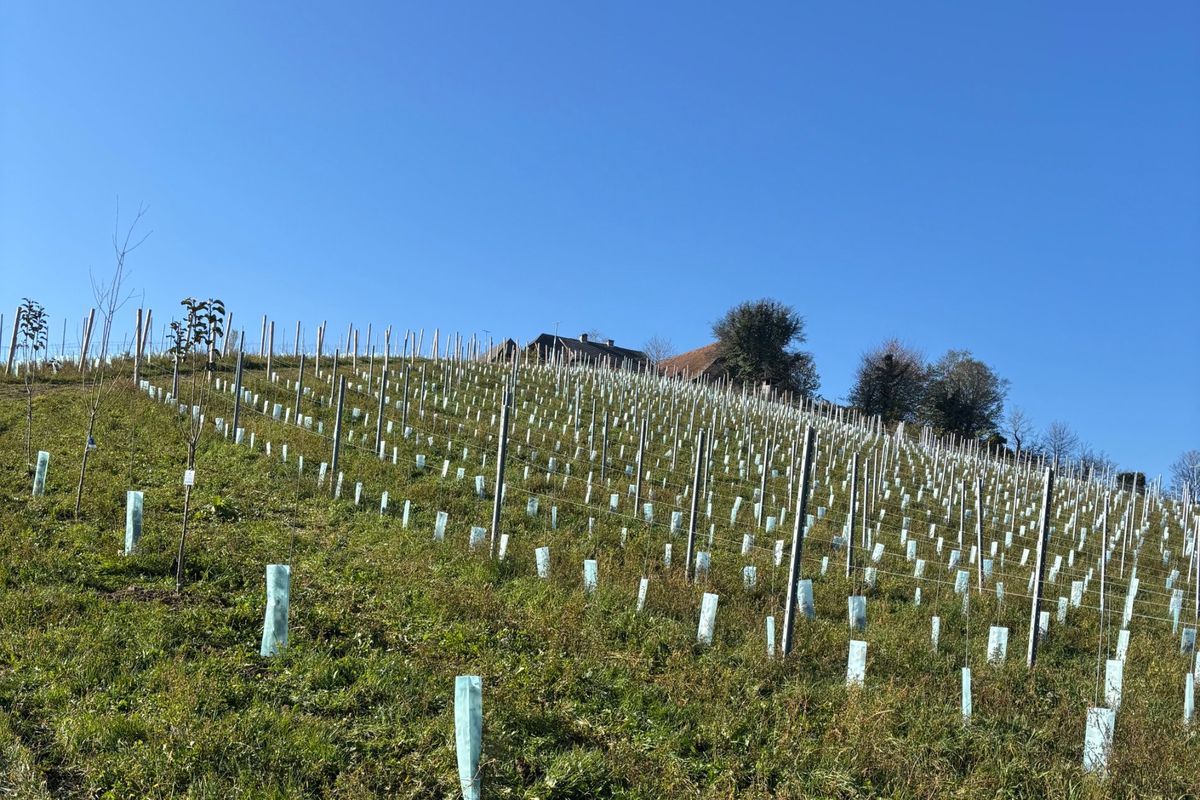
    Young vineyard with tree guards and fruit trees on the slope, the farm above under a blue sky
    The young vineyard in autumn
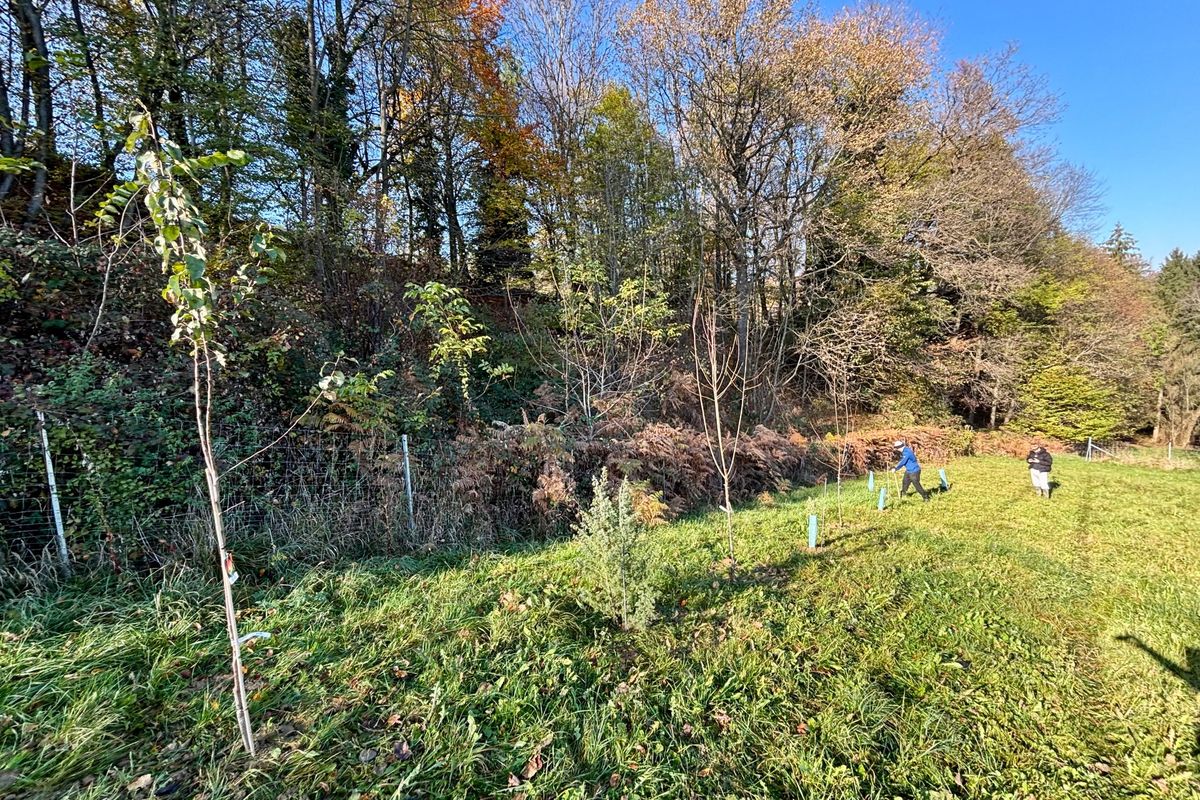
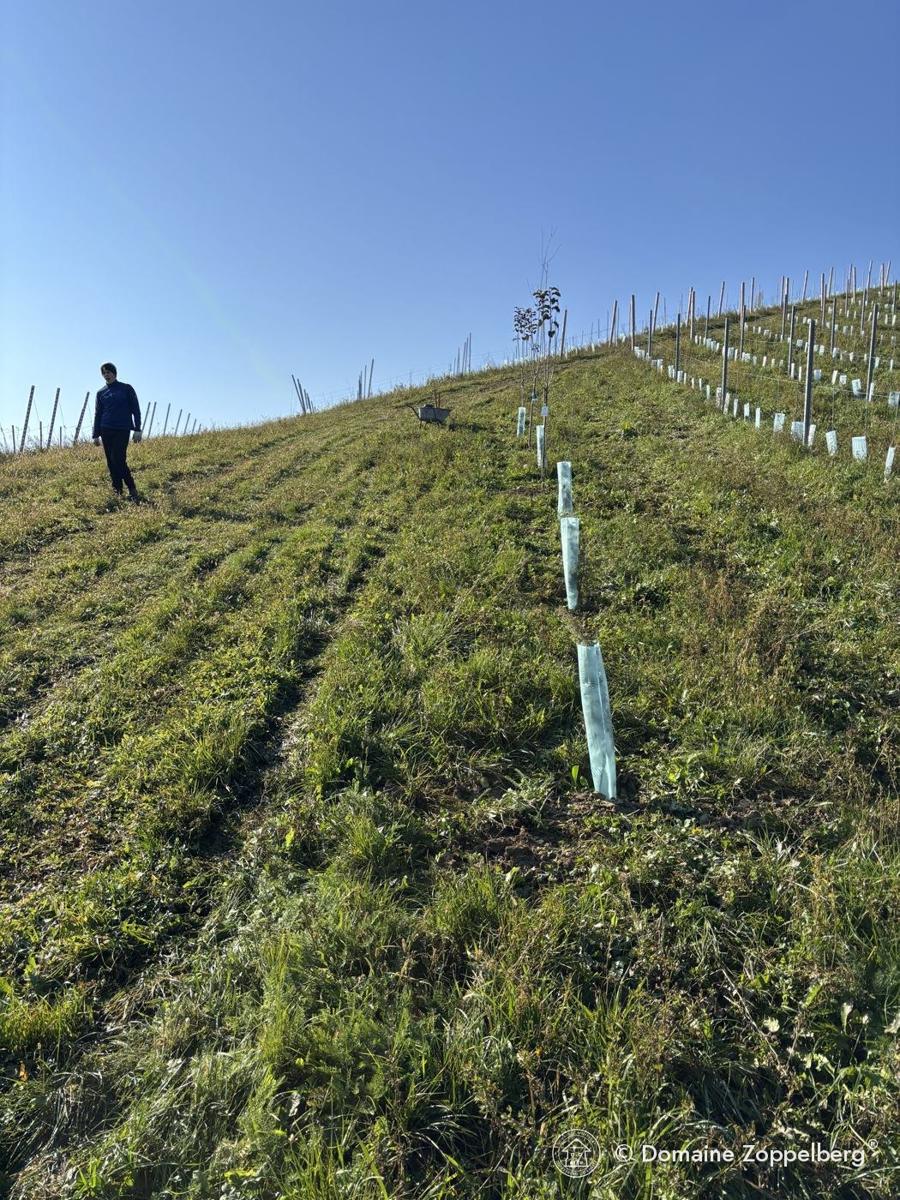
    Young fruit trees at the forest edge, two people working in the background
    Fruit trees at the forest edge
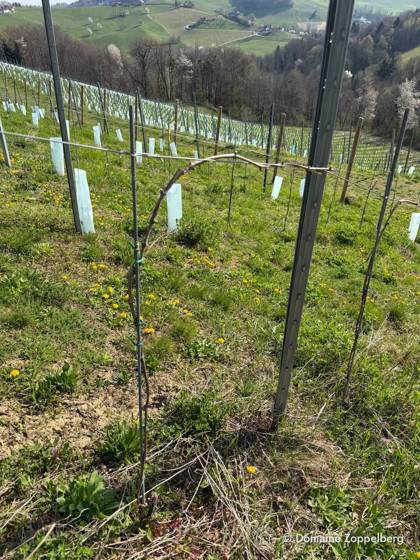
    Young vine on its post in spring, dandelions in bloom around it
    Young vine among dandelions
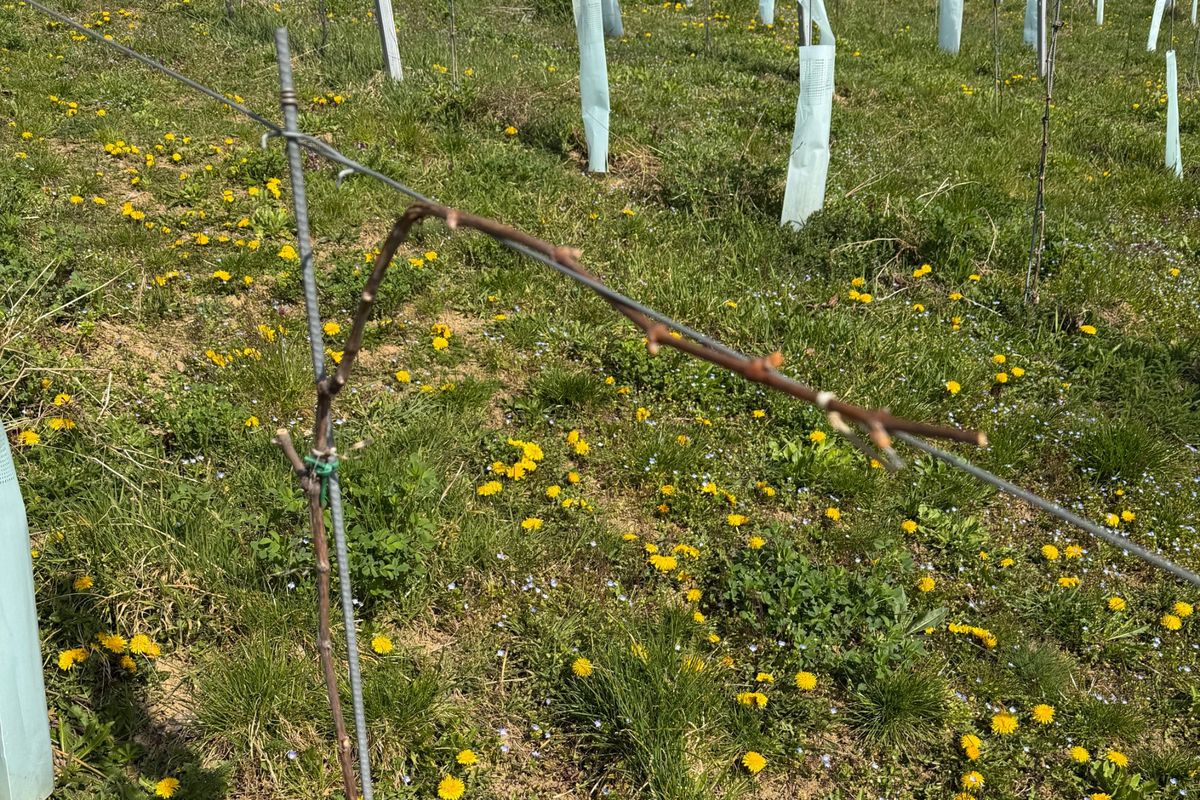
    Young vine trained along the wire, hills of southern Styria behind
    Training the young vine
    Preparing the soil on the slope before planting
  8. 2024 · Young vineyard

    Row by row, the vineyard grows

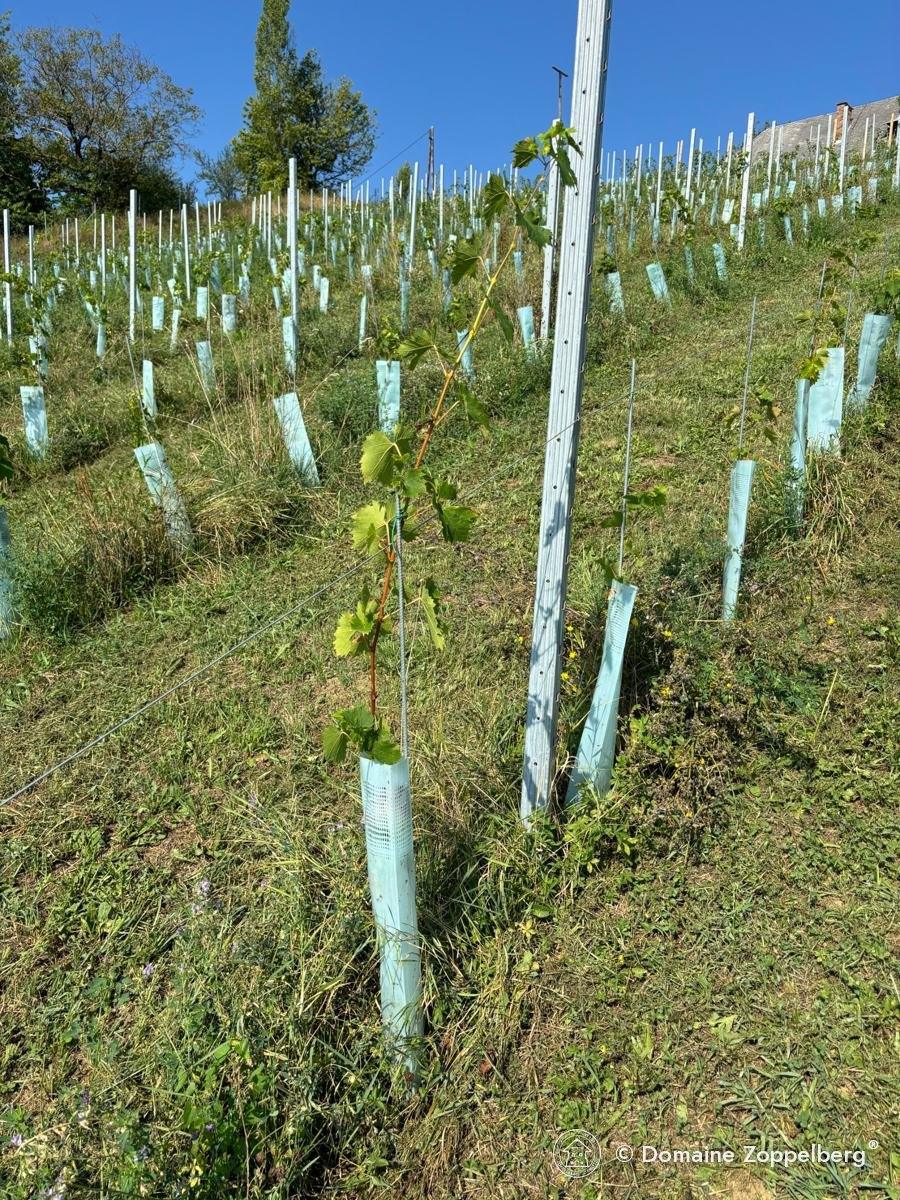
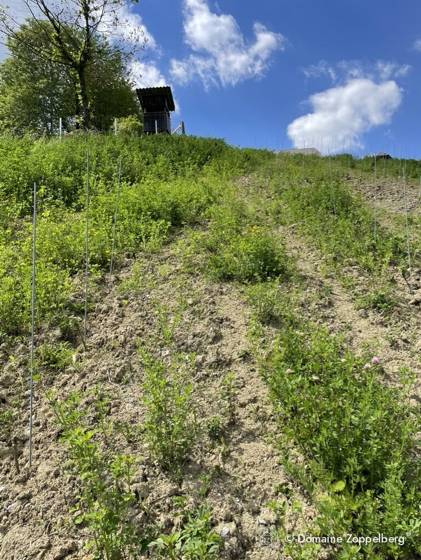
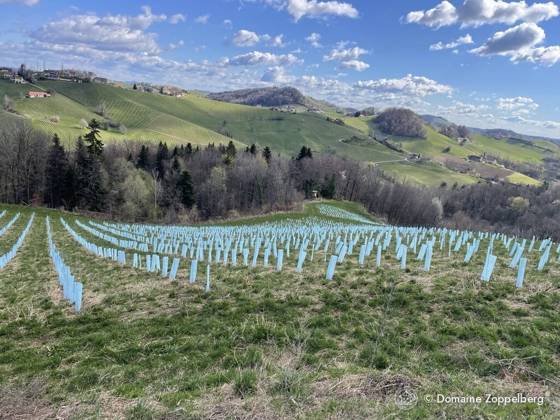
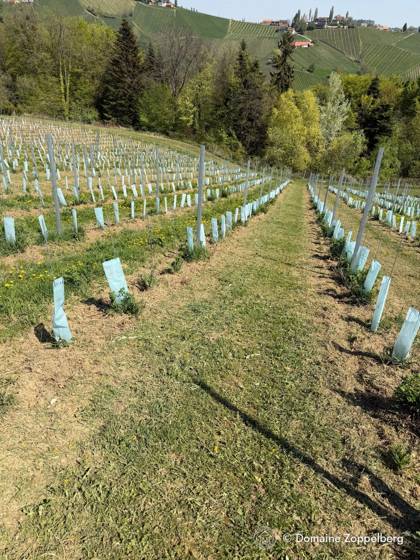
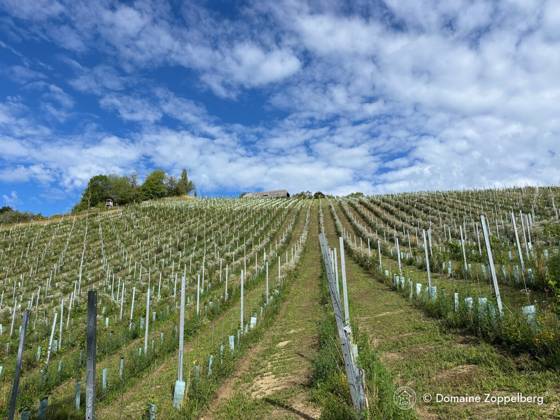
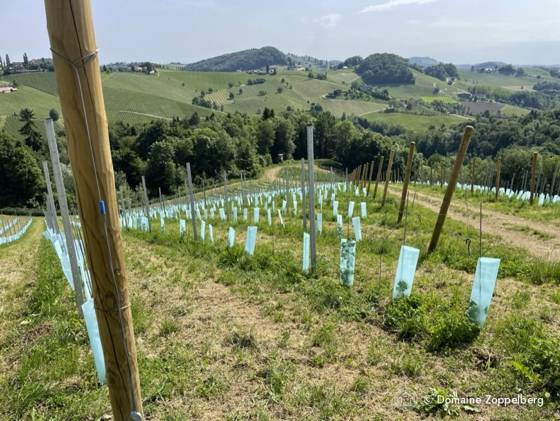
    The vines stand in pale grow tubes and the trellis posts are in. The vineyard is farmed organically from the start, and the cover crop holds the soil on the slope.
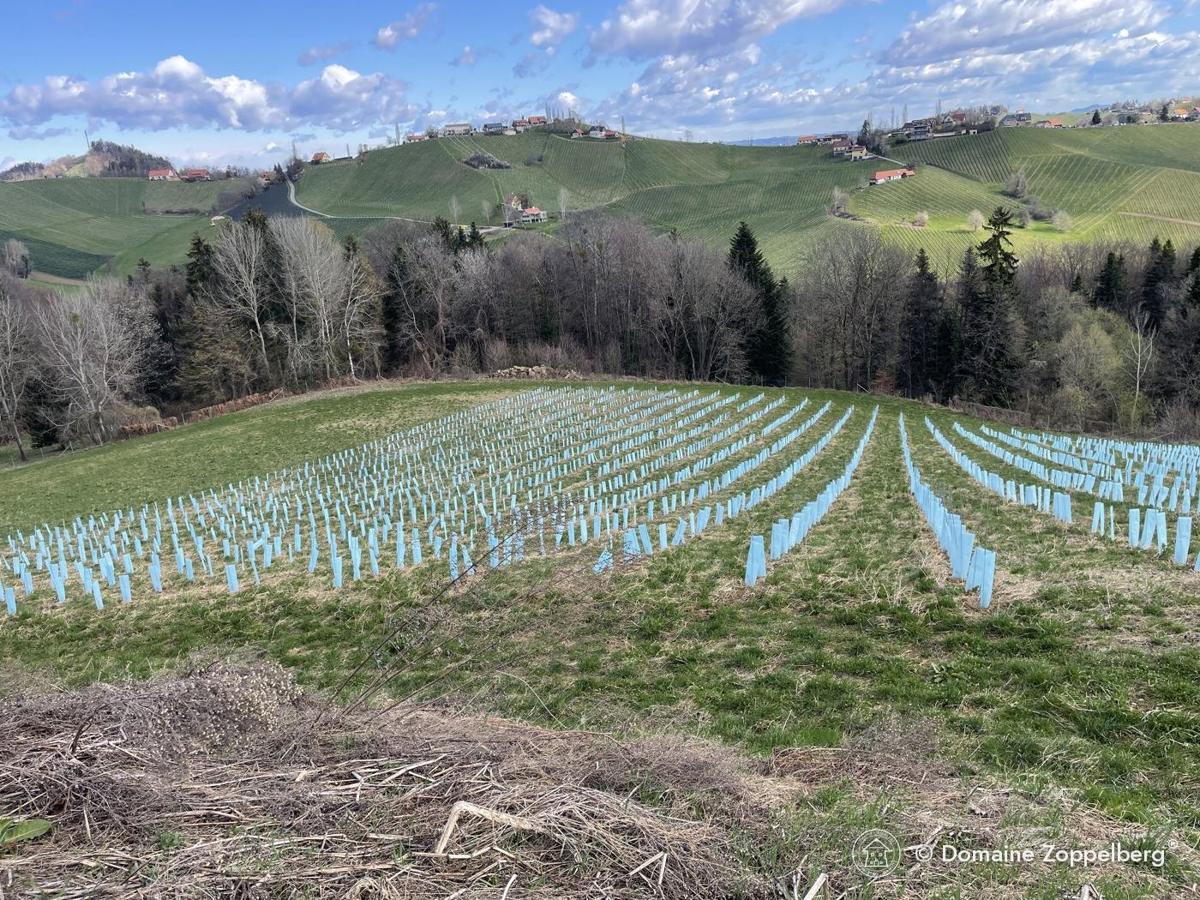
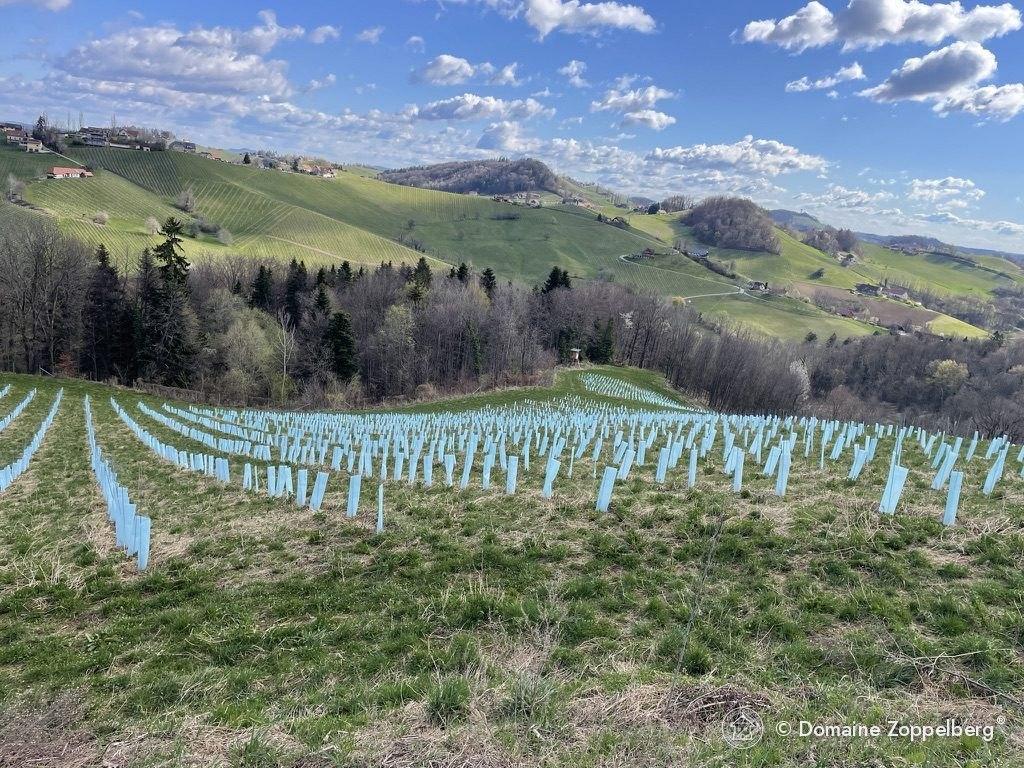
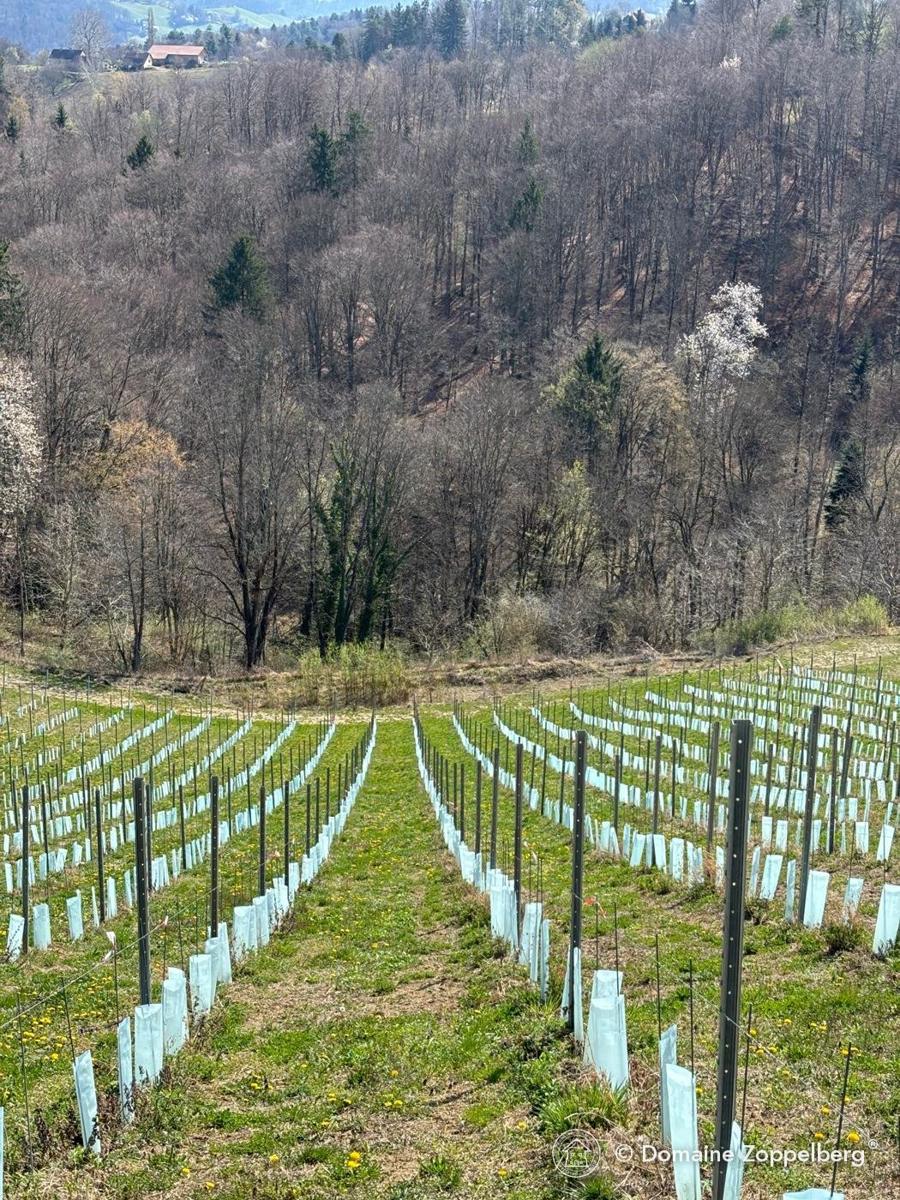
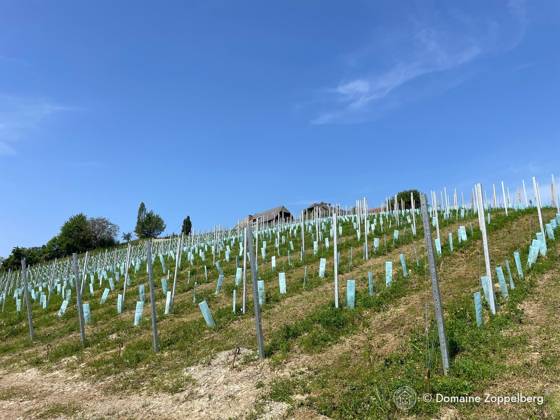
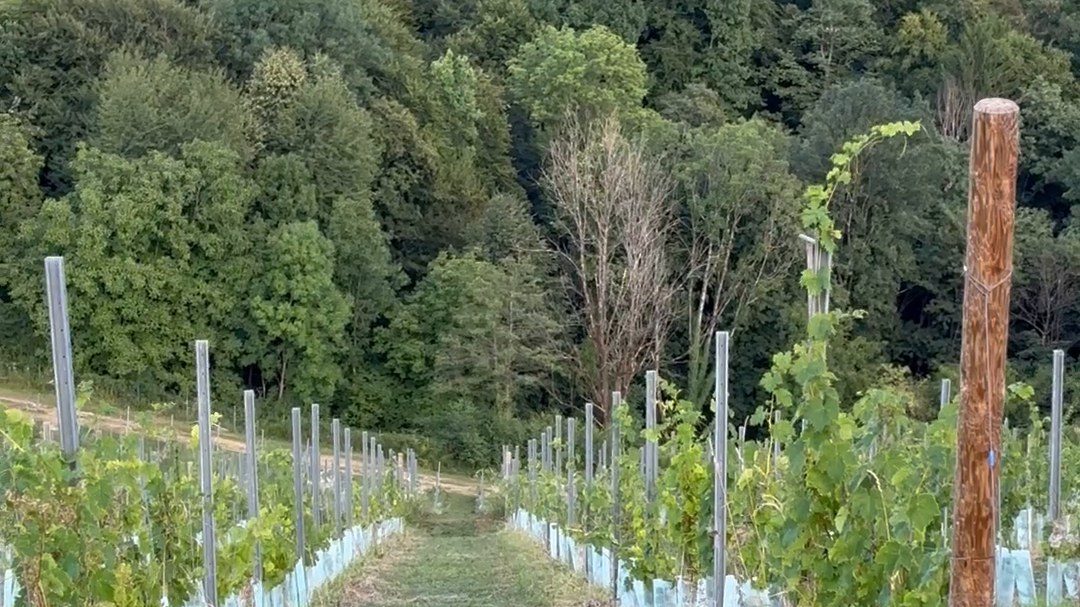
    Rows of vines in grow tubes above the Sulztal
    Rows in grow tubes
    Young vineyard with light-blue vine guards, Sulztal vineyards opposite
    Vine guards above the Sulztal
    Steep young vineyard, November 2024
    November 2024
    Vine rows with posts and grow tubes in spring, forest behind
    Spring · rows with posts
    Rain and mist in the young vineyard
  9. Summer · Young vineyard

    Steep, green and denser every year

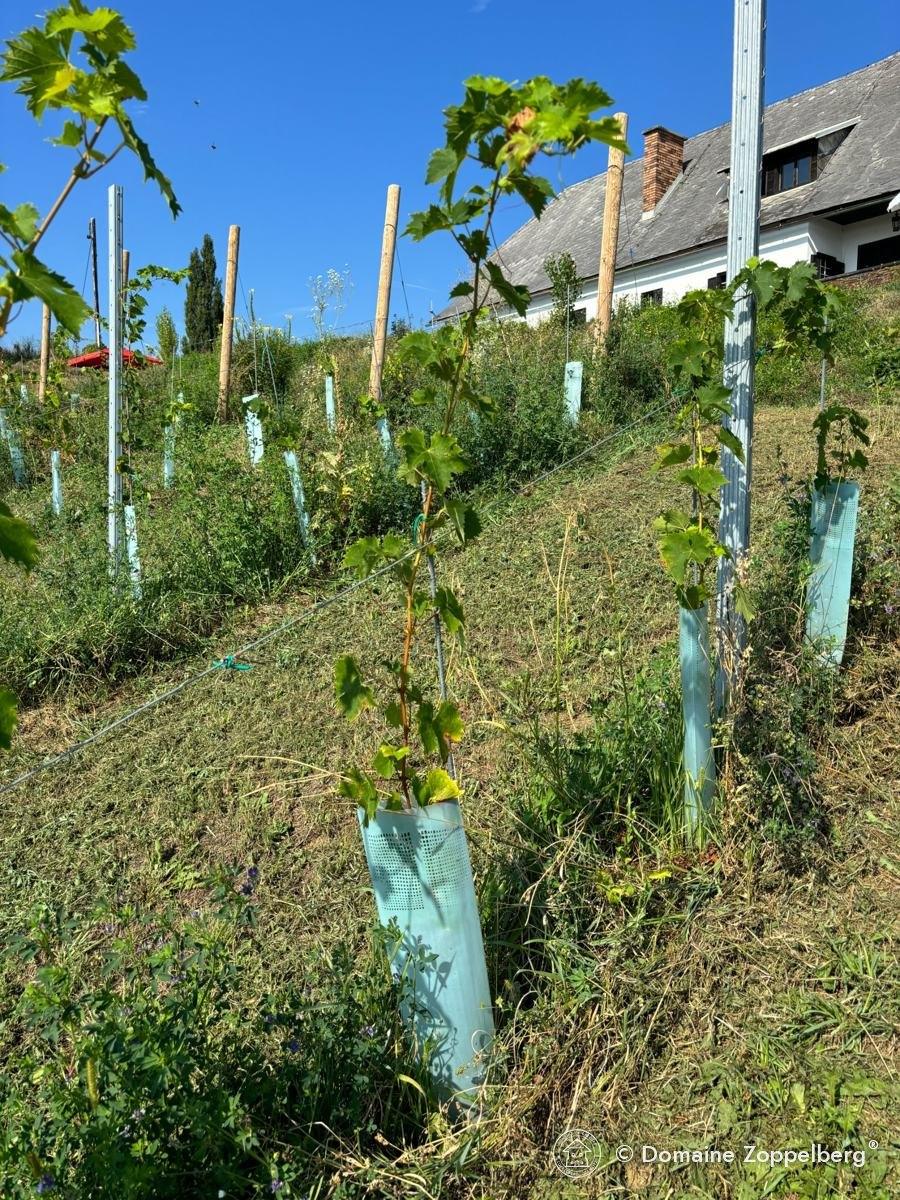
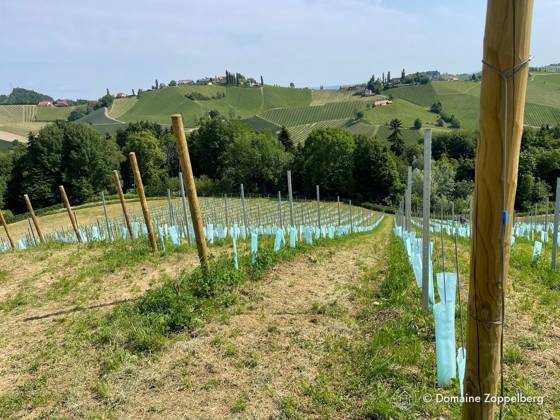
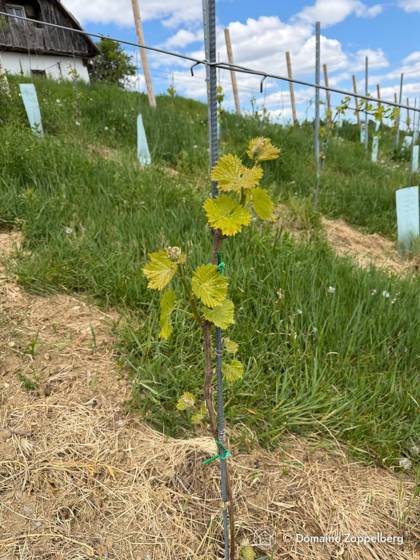
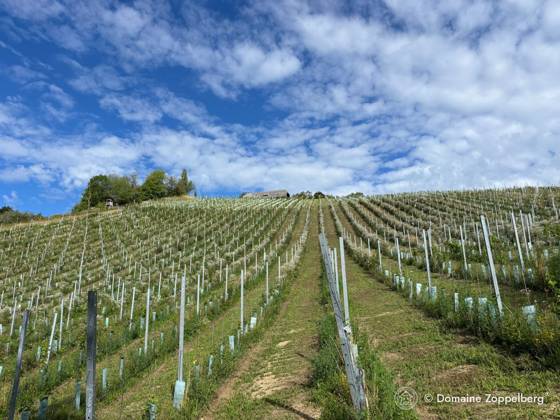
    On the steep slope below the farmhouse the young vines climb their stakes and wires. Wooden and steel posts carry the trellis, the alleys are mown, and lucerne and meadow herbs flower beneath the vines.
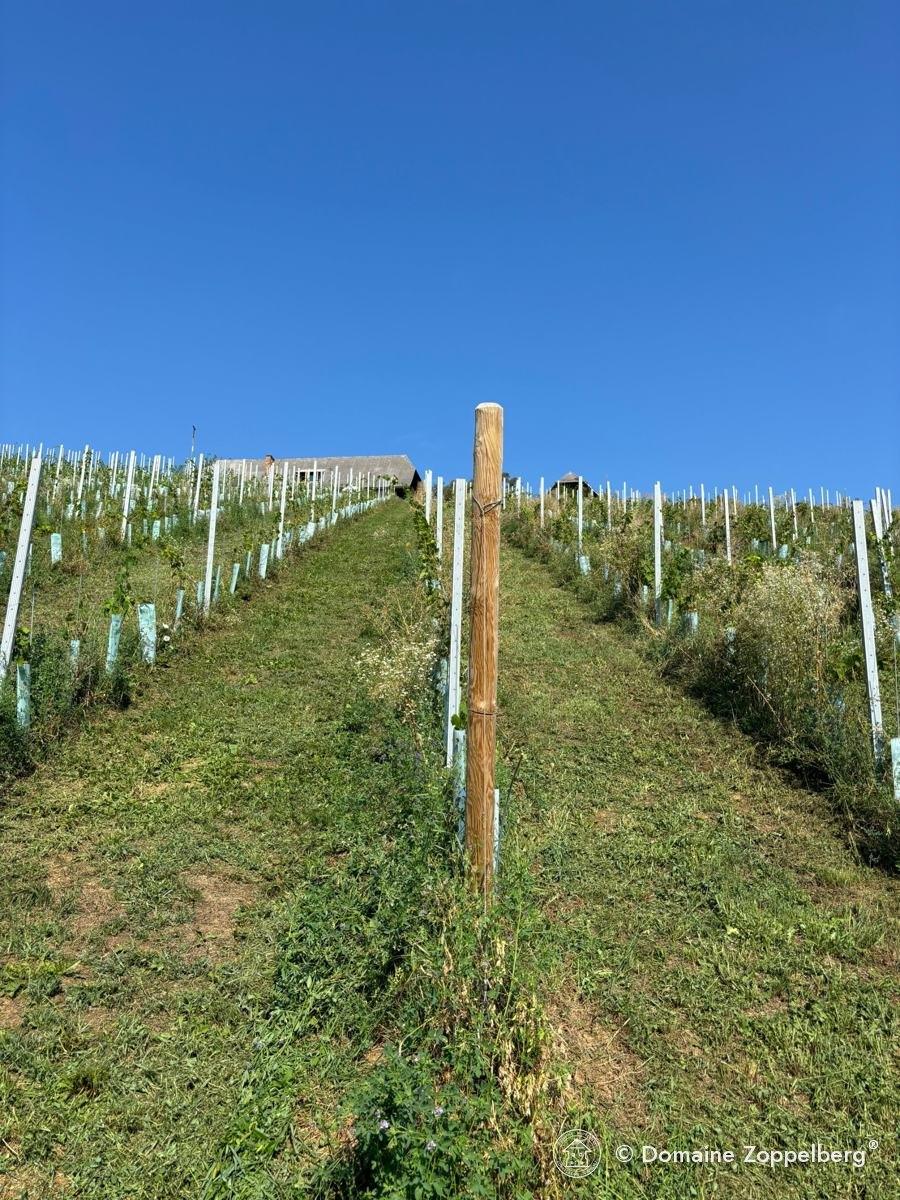
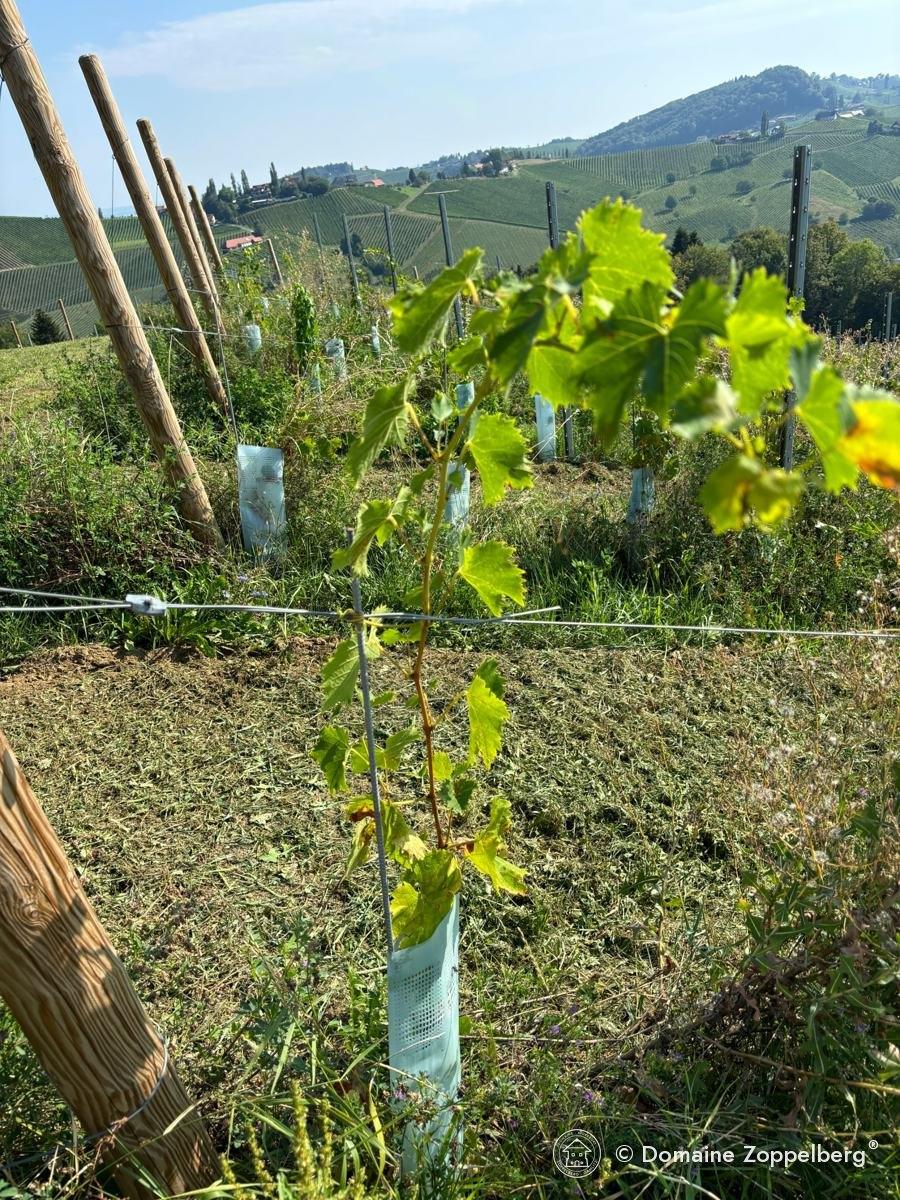
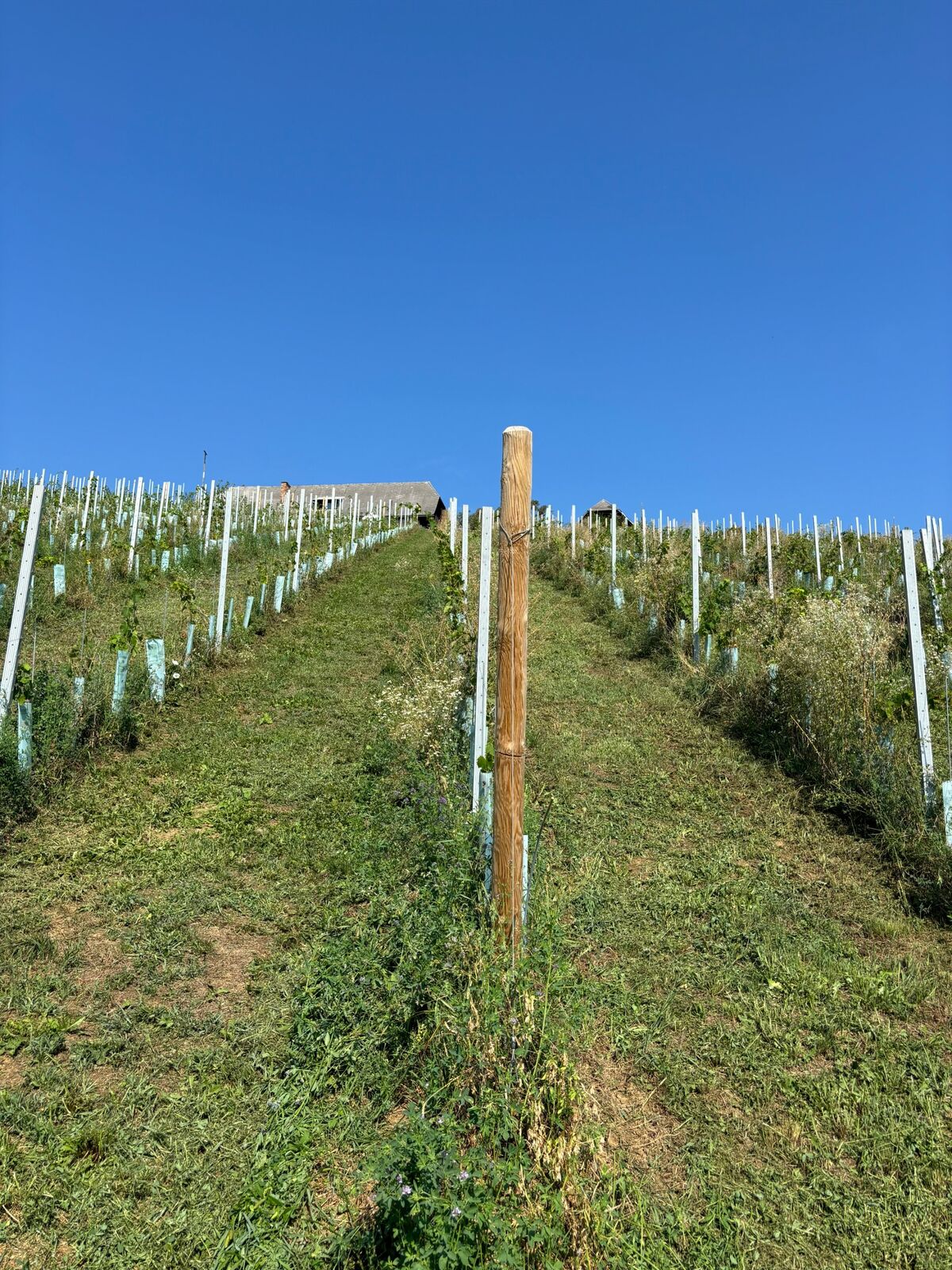
    Steep vine rows with a wooden post, farmhouse above under a blue sky
    Straight up to the farmhouse
    Young vine on the wire overlooking the Sulztal vineyards
    View across the Sulztal
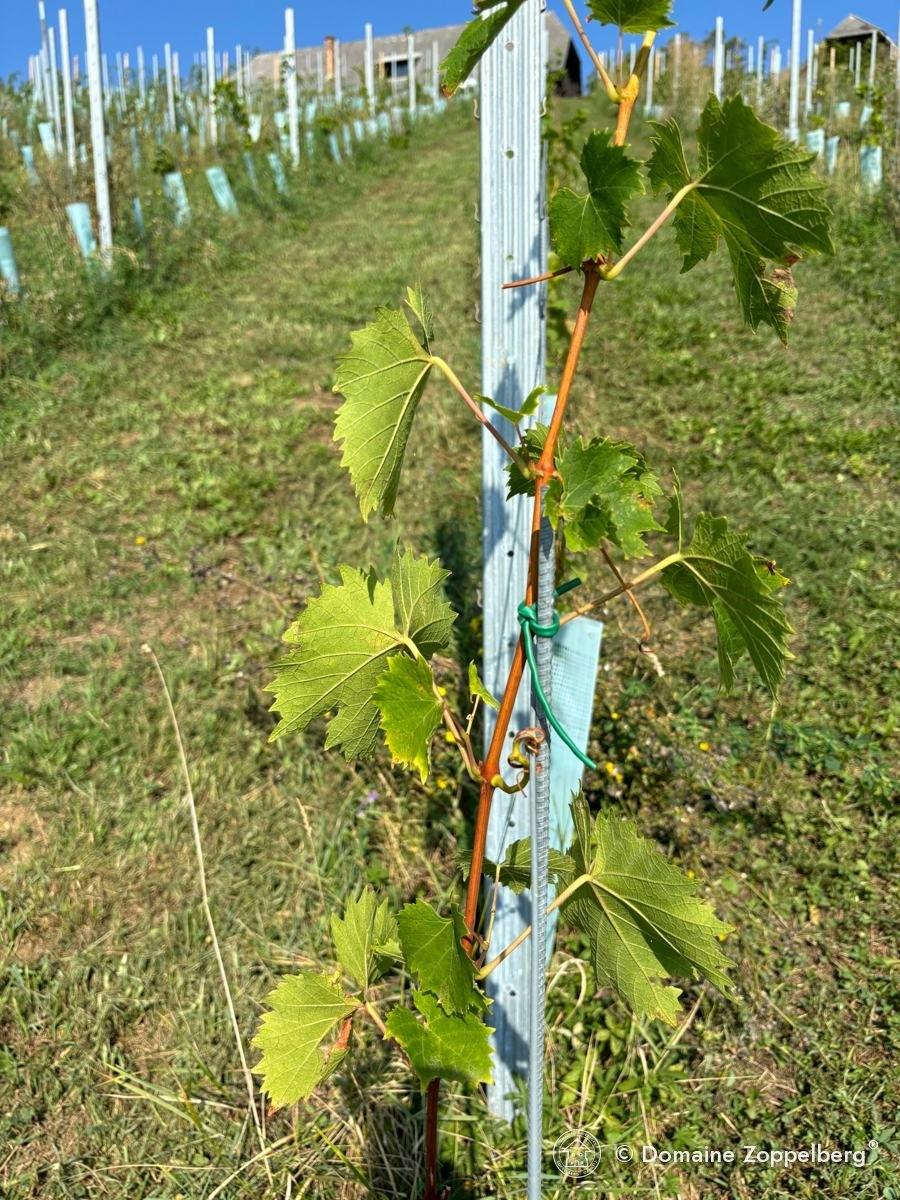
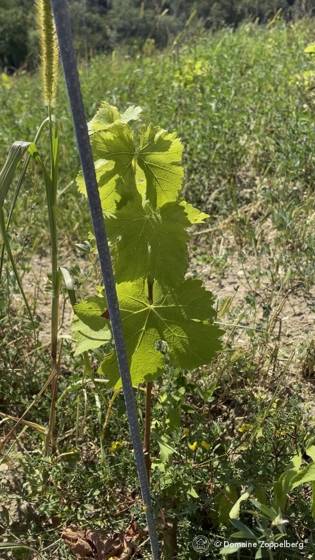
    Young shoot with reddish wood on its stake
    First ripened wood
    Young vine in its tube in front of long rows on the slope
    Rows on the slope
    Young vines below the white farmhouse
    Below the farmhouse
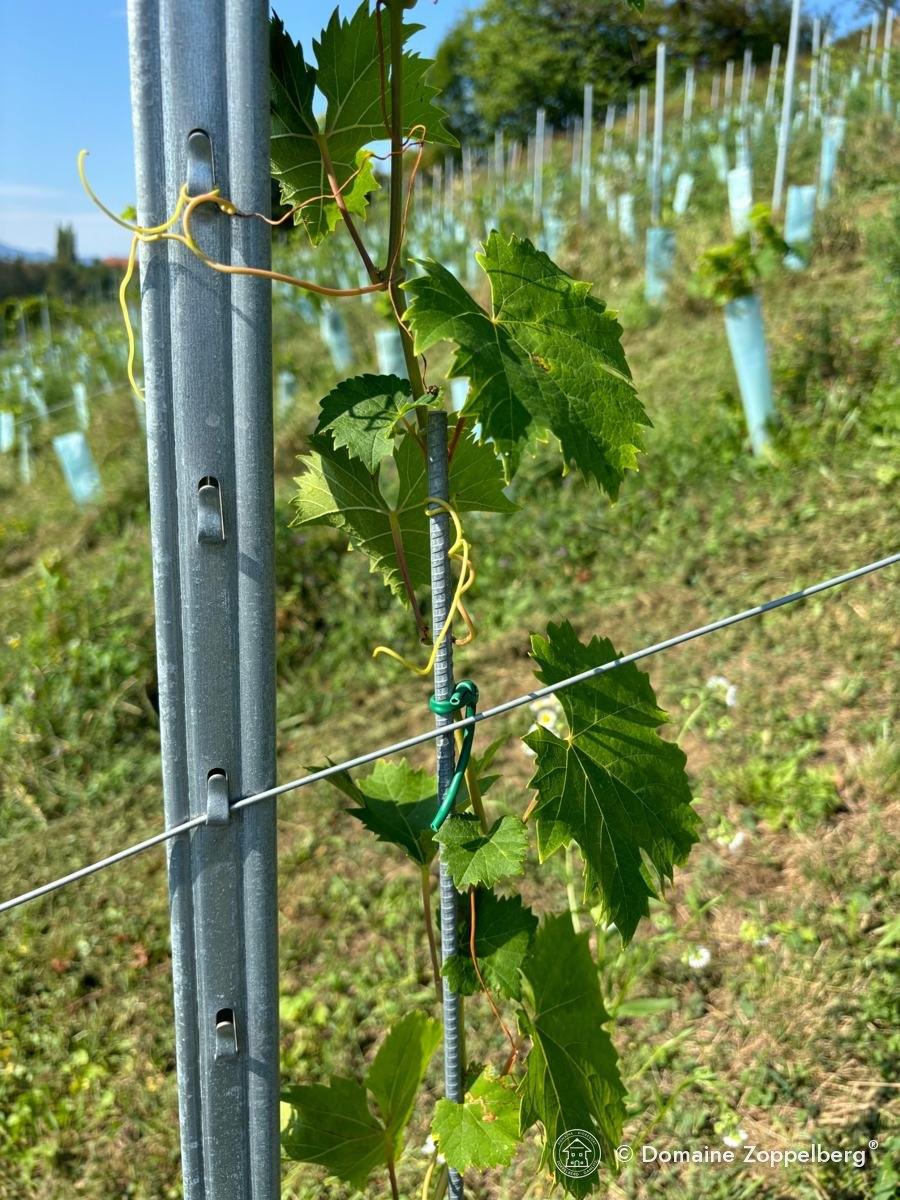
    Vine tendrils on steel post and wire
    Tendrils on the wire
    Through the rows in morning light
    Cover crop beneath the young vines
    Evening light: from the rows to the Sulztal
    Evening mood above the young vineyard
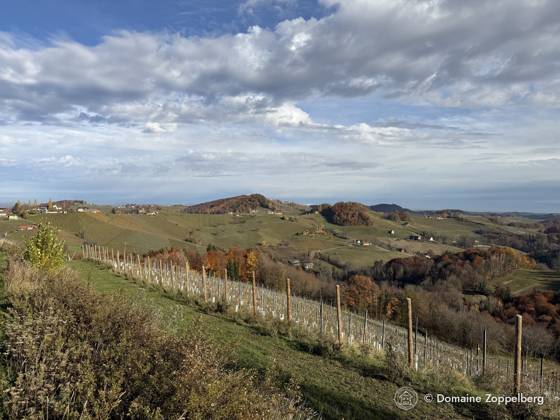
    Autumn: a pan across the young vineyard and the Sulztal
  10. Autumn · Edges & hedges

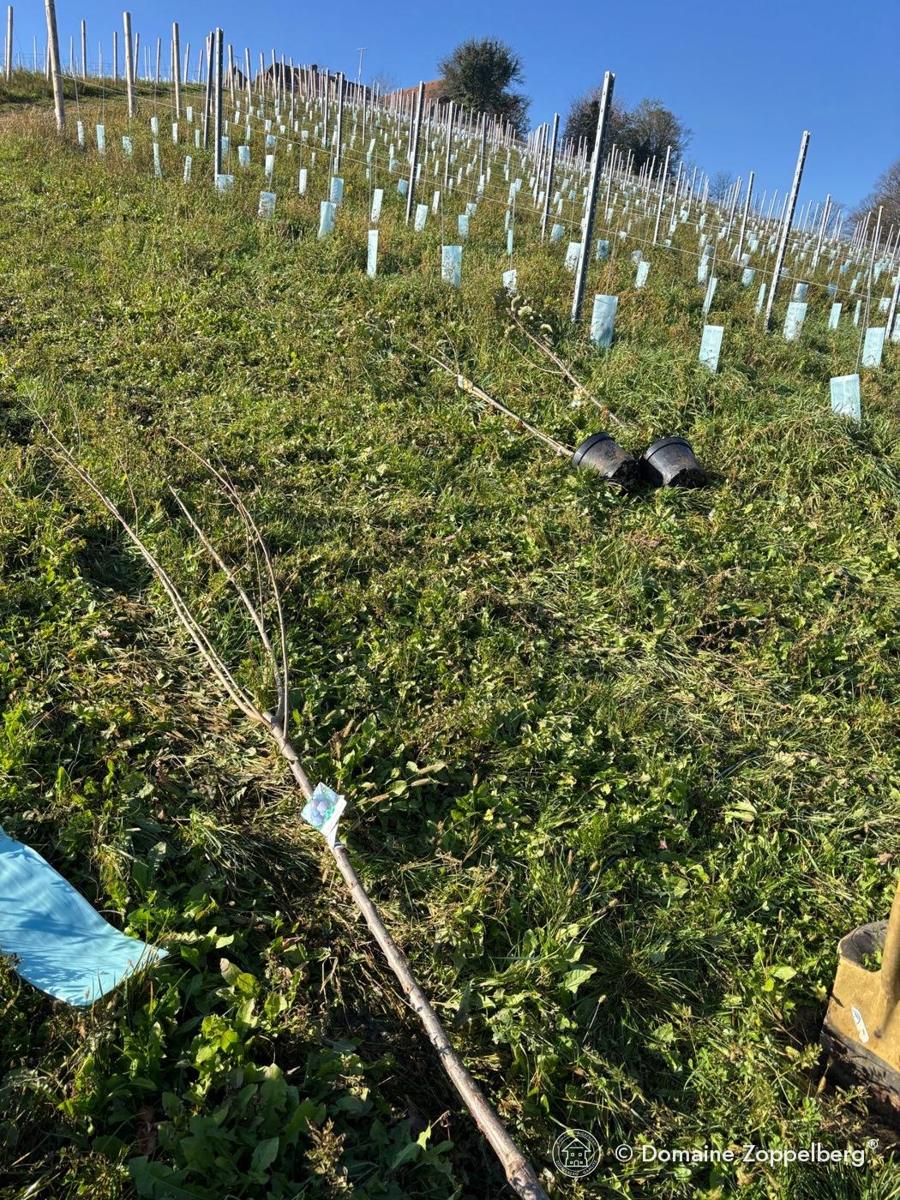
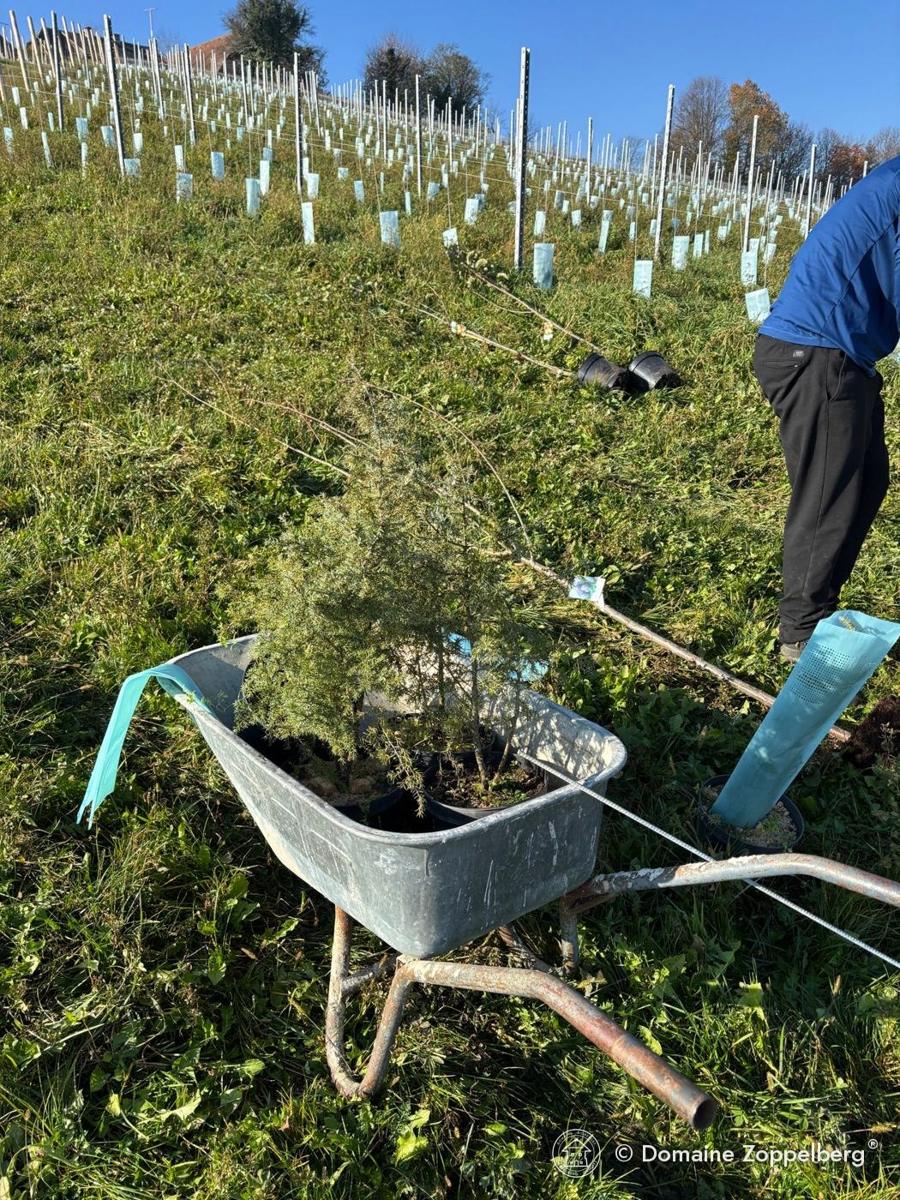
    Fruit trees and juniper along the vineyard edge

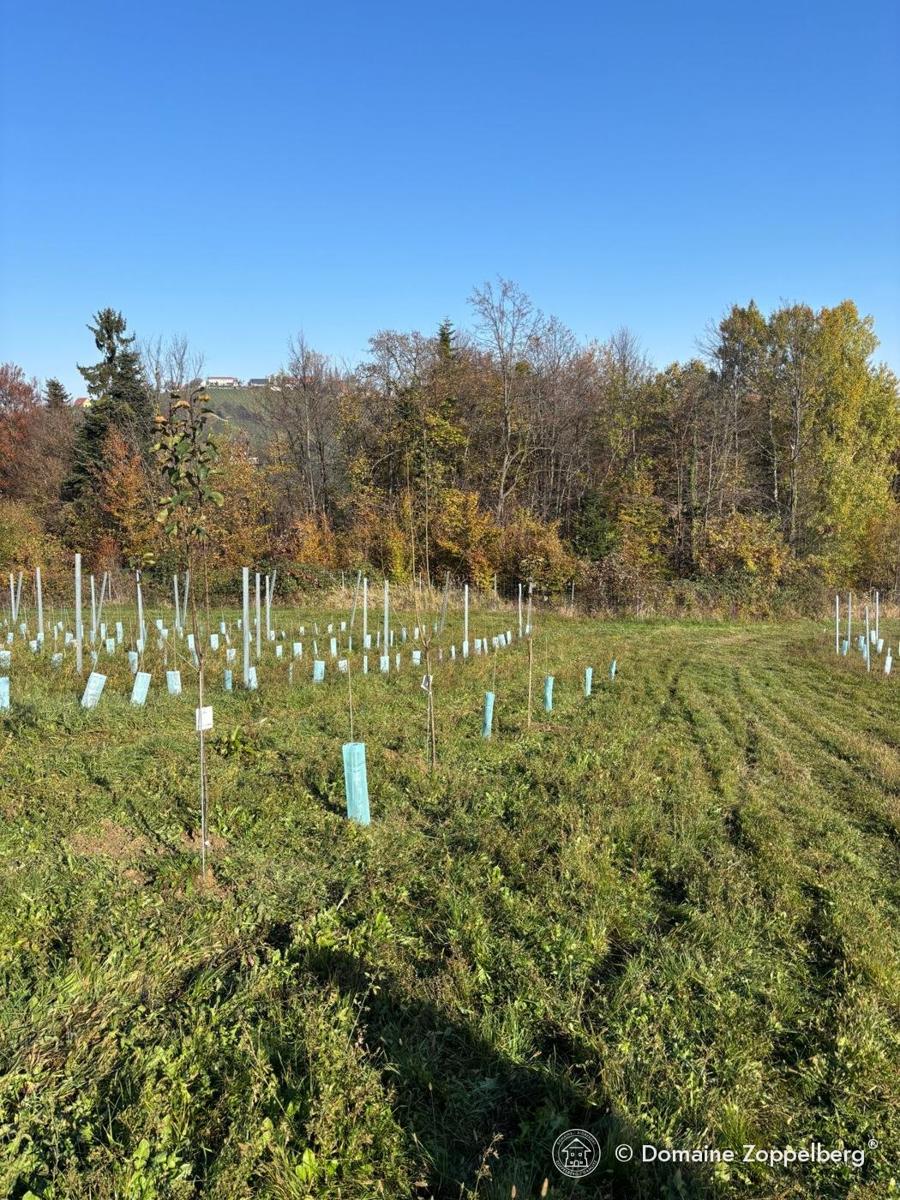
    Along the rows we are planting old fruit varieties such as the Lavanttaler Bananenapfel, a heritage apple from Carinthia, and native juniper. They give birds and beneficial insects a home, hold the soil on the slope and belong in an organic vineyard.
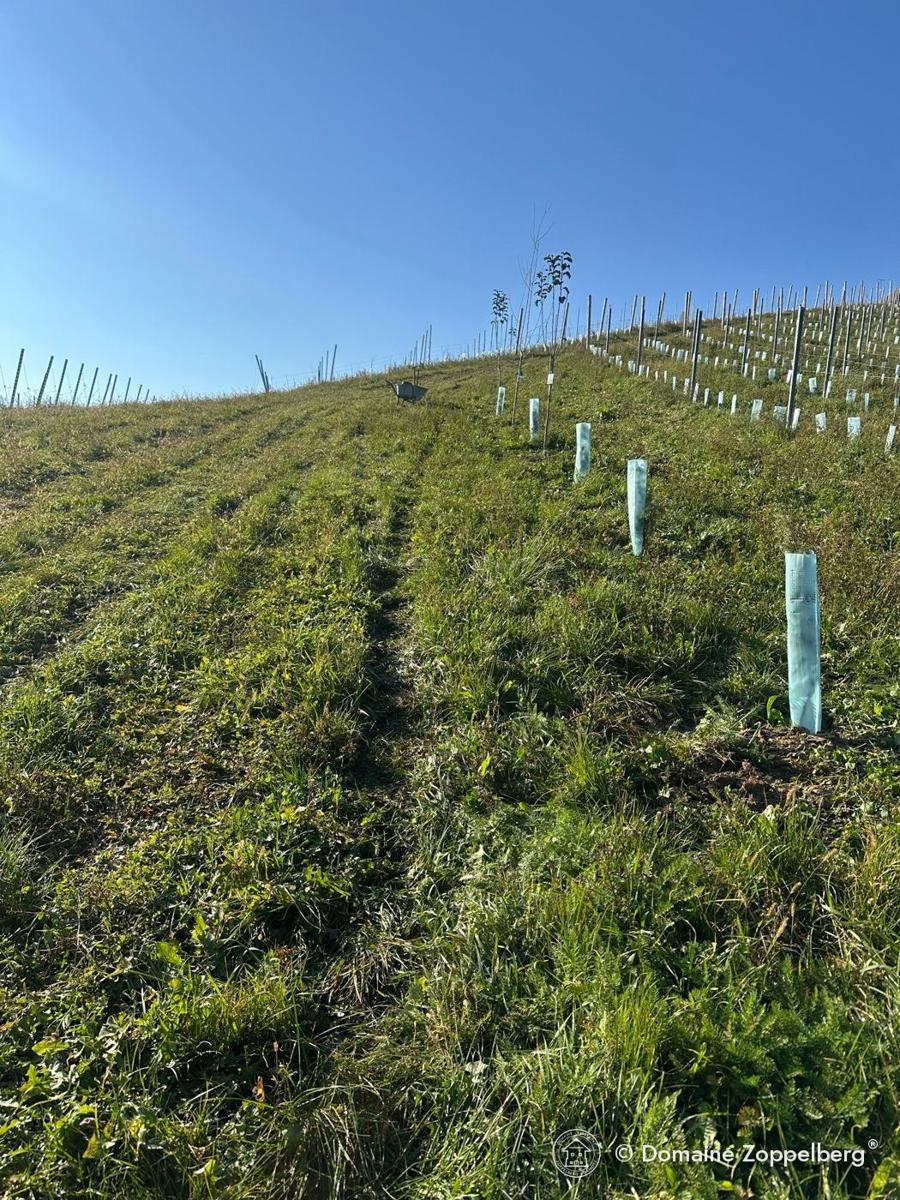
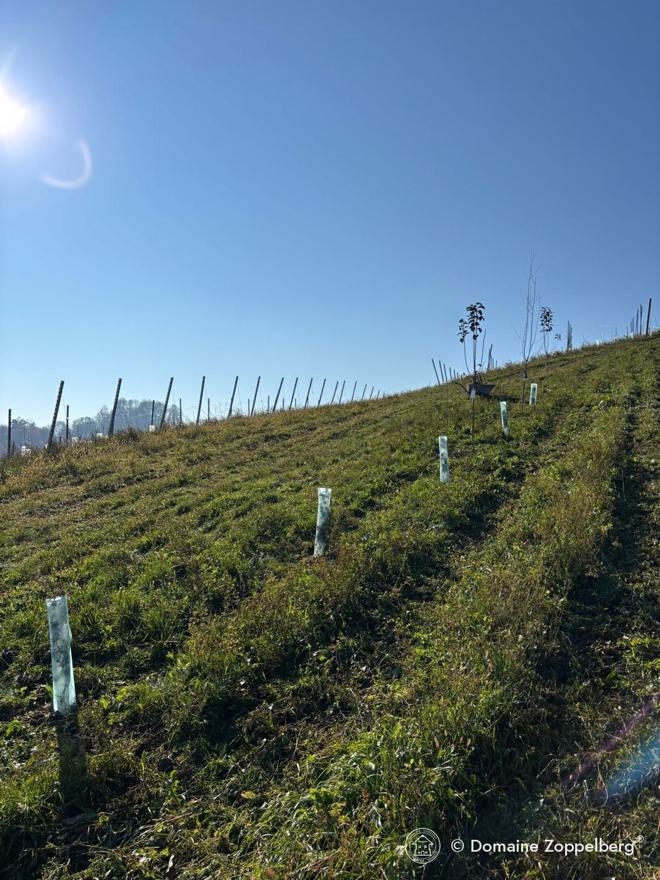
    Young vineyard with new fruit trees along the edge, farmstead above
    Autumn · looking up to the farm
    Young apple tree with variety tag in front of the vine rows
    Lavanttaler Bananenapfel
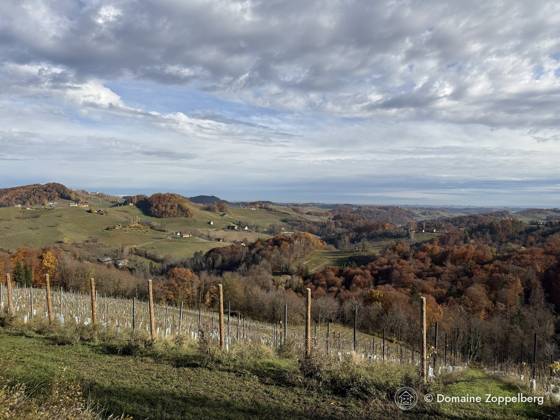
    Vine rows in autumn in front of a colourful mixed forest
    Autumn colours at the forest edge
    Juniper in a wheelbarrow, ready for planting
    Juniper ready to plant
    Freshly planted juniper in a protective tube
    Tube to protect against deer
  11. Today

    On the way to the first vintage

    The vines are flowering and carrying their first clusters, the estate has been under organic inspection since 2025, and the new farmstead with its cellar is being planned. We will announce the first Zoppelberg wine here.
The village · Market town of GamlitzSulztal an der Weinstraße
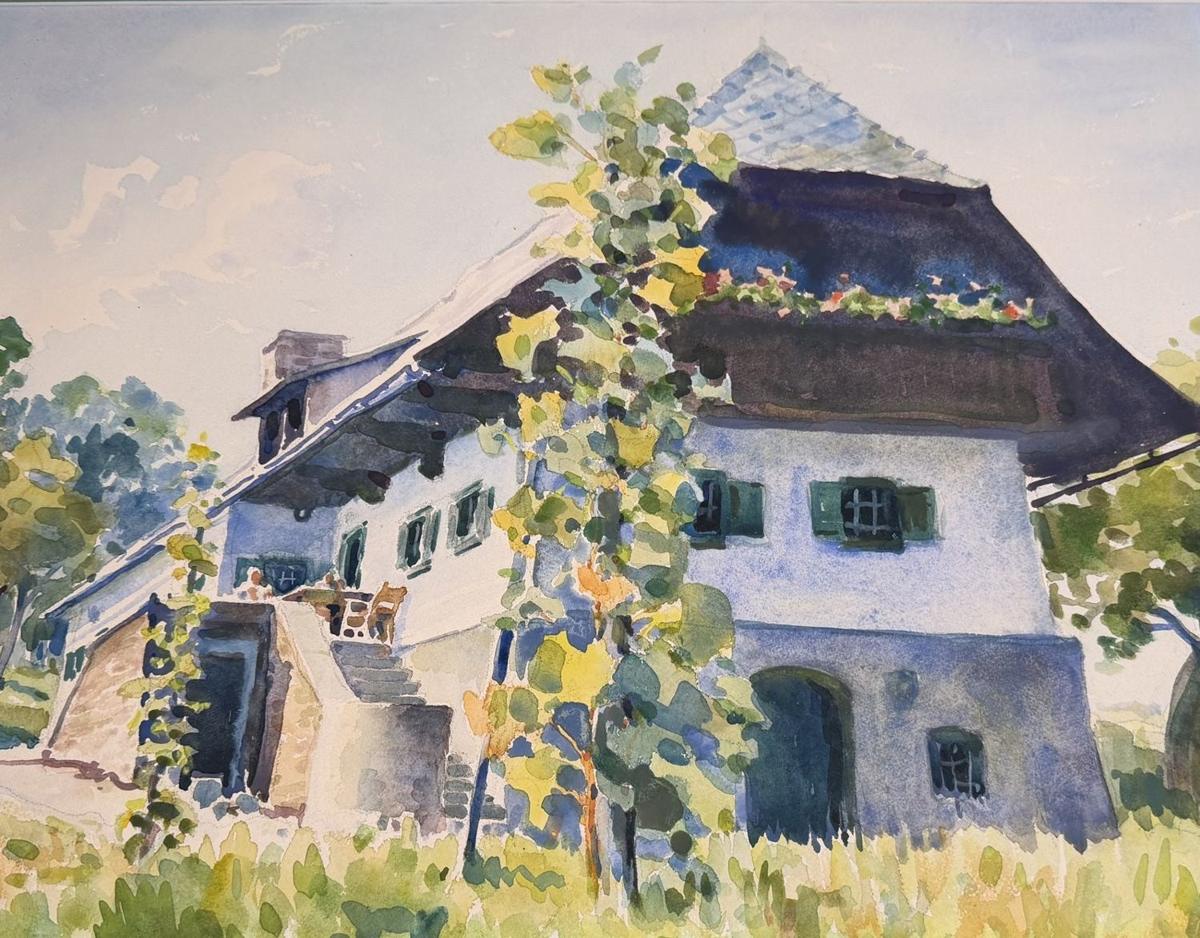
Watercolour by Willi Karl of the 1781 main house: white house with dark roof, flowers on the balcony, vines in the foreground
The main house: farmhouse from 1781 with cellar · commissioned watercolour by Willi Karl, 1981

Willi (Willibald) Karl (1916–1997) was an Austrian watercolour painter. His watercolours still come up at auction at the Dorotheum in Vienna. In 1981 the Keglovics family commissioned him to paint the main house no. 37 on the Zoppelberg, as it has stood above the vineyards since 1781.

Sulztal sits at around 500 metres above the South Styrian Wine Road, a few kilometres from the Slovenian border. Until 2015 Sulztal was a municipality of its own; since the Styrian municipal reform it has been part of the market town of Gamlitz.

The main house of 1781

The vineyards around the Zoppelberg have been recorded in the Sulztal archives for centuries. At the heart of the estate stands the main house no. 37, listed as the manor house in the chronicle, a farmhouse built in 1781 with its own cellar. Whitewashed, with a deep-drawn roof, flowers on the balcony and vines right up to the house: that is how the watercolour shows it, and how it still stands above the vineyards today. It is the signature building of the Zoppelberg.

1781Main house · old farmhouse with cellar · signature building of the estate

What the house has witnessed

1781Main house no. 37 is built above the vineyards, with its own cellar.
1793Anton Marko acquires 14 Viertl of vineyard in Zopplberg.
1820The Hafner family buys the farm. The Hafner site is named after them.
1981Willi Karl paints the house in watercolour, the model for our emblem.

The house stays. Around it, everything is renewed.

Figures, trail & chronicle
Elevation
505 m
Area
2.28 km²
Own municipality
until 2015
Today
Gamlitz

Population: 280 (1869) · 349 (1951) · 126 (2016)

Walking through Sulztal

The Sulztal circular trail no. 9 covers 5.7 km and 250 metres of climb through the Zoppelberg, Sulz and Hochsulz sites, past our vineyards and the Hochsulz viewpoint. About two hours on foot.

Places to stop nearby

Please check opening hours directly with them.

Further reading: Franz Jäger, Gemeinde- und Höfechronik von Sulz und Sulztal, a chronicle of the municipality and its farms drawn from historic documents.

Farm history: EZ 9 vulgo Zoppelberg

The farm on building plot 32 (manor house no. 37 and vintner’s house no. 38) was a “housed hill estate in Zopplberg”, subject to the Witschein lordship until 1848 under hill-rent number 86. In 1882 the land register gave it entry number 24; since 1929 it has been EZ 9 of the Sulztal cadastral municipality. Formerly it also included the winery on plot 33 (vintner’s house no. 36, from 1953) and, until 1981, vintner’s house no. 10.
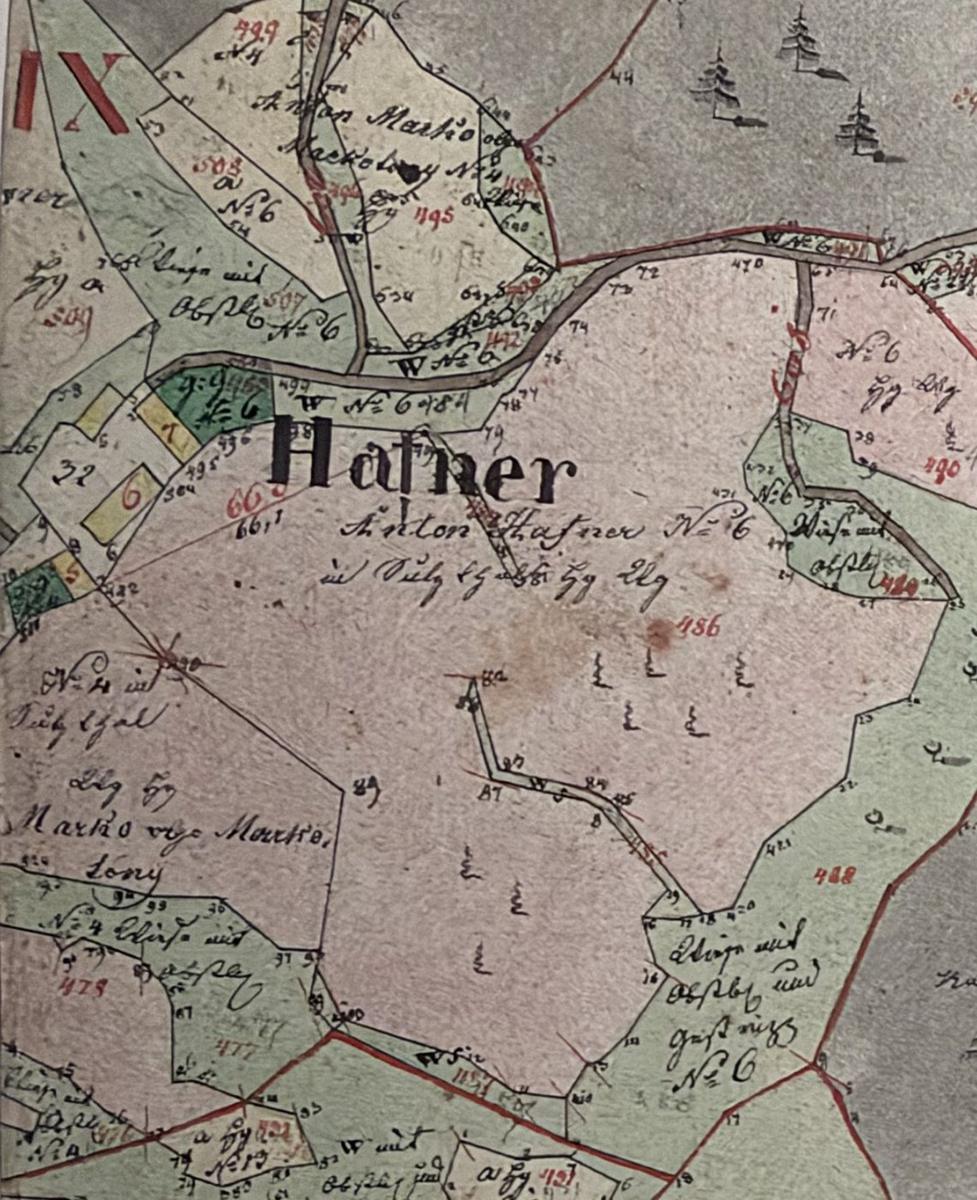
Franciscan cadastre 1824: Hafner site with building plot 32 and land plot 486
Franciscan cadastre 1824, detail of the Hafner site · Styrian State Archives

The Franciscan cadastre of 1824 shows the farm on building plot 32 and the large vineyard on plot 486, registered to “Anton Hafner No. 6”. The field name Hafner is written large in the centre of the map. The plot boundaries of that time still shape the sites today.

Building plot 32Land plot 486Ried Hafner
  1. 1721First documentary mention in the Bergrecht register: Anna Maria Graßlin delivers 15 buckets of must a year to the Witschein lordship.
  2. pre-1749The owner is Carl Joseph Haratinger of Graz.
  3. 1749After his death, 15 Viertl of vineyard “in Zoppl” are valued at 3,100 gulden. His daughter Elisabeth Forthueberin inherits.
  4. 1753According to the urbarium she owes 15 buckets of must, 22 kreuzer 2 pfennige, plus clerk’s and protection fees.
  5. 1793Anton Marko, vulgo Danj Marko, acquires 14 Viertl of vineyard in Zopplberg plus one Viertl of Seckau hill-rent land, valued at 3,900 gulden.
  1. 1820Bought by Anton and Josepha Hafner. The Hafner vineyard is named after the family, recorded as “Hafner” in the Franciscan cadastre of 1824.
  2. 1826–46Passed down within the Hafner family, in 1846 to Dr. Josef Hafner.
  3. 1884Micheline Haffner (von Hohenburg) takes over.
  4. 1892Inherited by Alexander Haffner, later Hilde Exeli-Adlerhuld.
  5.  The farm passes to the Keglovics family, vine and grape cultivation since 1902.
  6. 1951Inherited by Jolanda Keglovics
  7. 1961Handed to Hellmut Keglovics
  8. 2019Taken over by the fourth generation

Source: Franz Jäger, Gemeinde- und Höfechronik von Sulz und Sulztal, pp. 150–152.
Local history: 2000 years of Sulz and the Zoppelberg
  1. 2000 yrs agoCelts and Romans settle around Gamlitz and Sulztal. Roman pottery shards still turn up in neighbouring vineyards. The name Sulz refers to saline water.
  2. 1208A charter confirming the holdings of Seckau Abbey names the villages of Wetschine, Sulze and Speisenegg for the first time. The land is already cleared and settled.
  3. 1265/67First mention of the Zoppelberg as “Zobe” in the ducal urbarium, for a levy paid in oats. The Slavic name means “oat hill”. Admont Abbey holds land here.
  4. 1460–67The Bergrecht urbarium of the Witschein lordship is the oldest register of vineyards and their owners, now in the Regional Archive Maribor.
  5. 1542The Gültschätzung tax assessment names the farms of Sulztal for the first time, with livestock and vineyards. Over 500 old names of winegrowers in the Amt Sulz survive.
  6. 1763–87On the Josephinian Land Survey, the first accurate military map, the hill already appears as “Zobelberg”.
  7. 1824/25The Franciscan cadastre maps every plot for the first time. The field names “Hafner” and “Sulz” are entered, still the basis of today’s plots. The Hafner vineyard takes its name from the Hafner family, who owned the farm from 1820 to 1892.
  8. until 1848The farms and vineyards of Sulz and Sulztal belong to the ecclesiastical lordship of Witschein (today Svečina, Slovenia), long held by Seckau Abbey.
  9. 1919/27After the Treaty of Saint-Germain the new state border is drawn. In 1927 the municipality of Sulztal is re-founded; its first mayor is Franz Knaus.
  10. until 1990The Zoppelberg is a reference vineyard for the Southern Styria region.
  11. 2015Merged with Gamlitz.
“Zobelberg” on the Josephinian Land Survey (military map), 1763–1787 · Austrian State Archives, War Archives
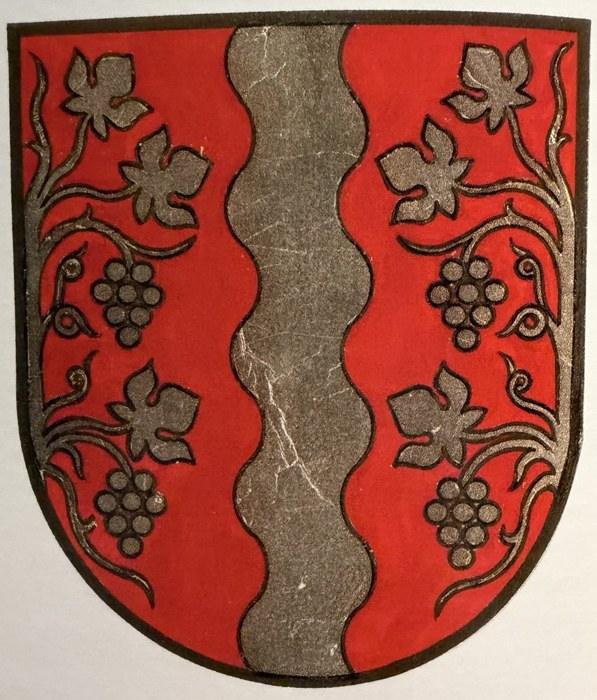
The Sulztal coat of arms

The Sulztal coat of arms

“In a red shield a silver wavy pale, from whose sides a silver vine with three leaves and two bunches breaks in on each side.” Granted by the Styrian state government with effect from 1 June 1998 and used until the municipal merger in 2015.

Source: Franz Jäger, Gemeinde- und Höfechronik von Sulz und Sulztal, based on holdings of the Styrian State Archives.

Region & origin

Where we are: Southern Styria, the Bermuda Triangle and the DAC origin.

3 chapters

Where we are: Southern Styria, the Bermuda Triangle and the DAC origin.

The region · Southern Styria, the Austrian TuscanySmall wine country, great natural paradise

Southern Styria is one of Austria’s smaller wine regions: 2,661 hectares of vines, just over 6 per cent of Austria’s vineyard area. The Weinviertel alone is five times as large. Within Styria it is the largest of the three regions, ahead of Vulkanland and Western Styria.

Its climate has earned it the nickname “Austrian Tuscany”: warm air from the Adriatic meets cool winds from the Alps, days are sunny and warm, nights are cool. Add to that the gentle hills with vineyards, rows of poplars and farmsteads on the hilltops.
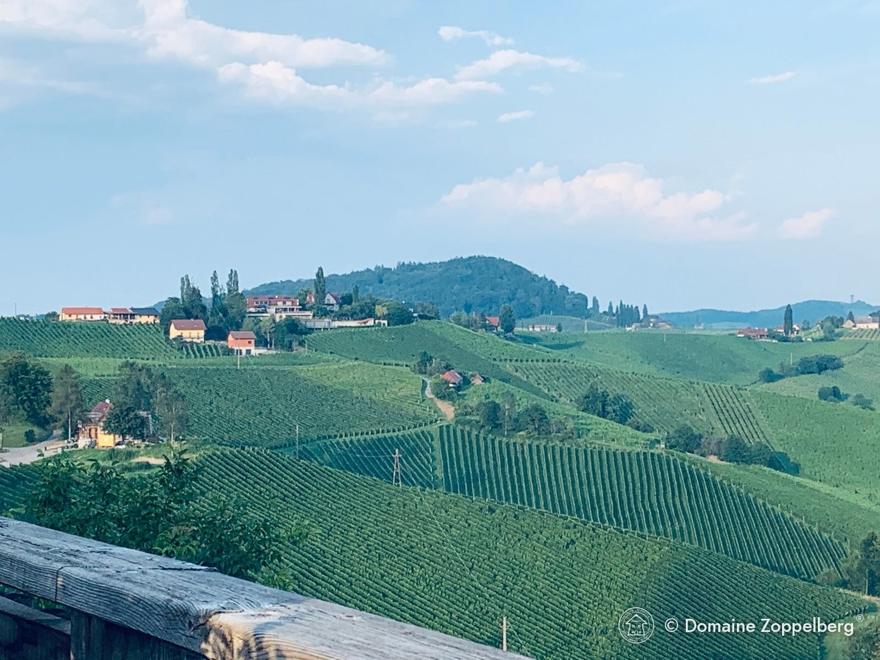
View over the vineyards of southern Styria
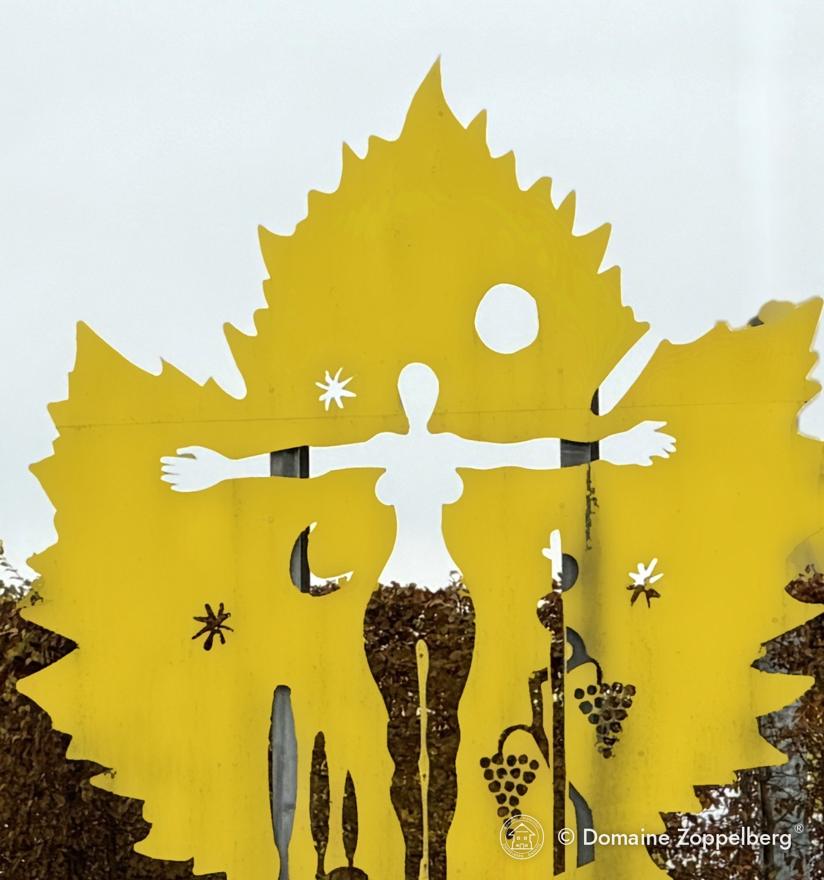
Vine-leaf sculpture at the Vogau–Straß roundabout
Gateway to a natural paradise: the vine leaf at the Vogau–Straß roundabout welcomes you to the Südsteiermark Nature Park.
Coat of arms of the Land Steiermark with the Styrian panther
Land Steiermark (Province of Styria)Coat of arms of Styria: the Styrian panther.
The state coat of arms is used with the permission of the Land Steiermark.
Vineyards, Southern Styria
2,661 ha
Share of Austria
6 %
Southern Styria Nature Park
417 km²
Nature park municipalities
15
Small, steep, diverse

Steep slopes, small plots and a lot of handwork shape the region. Sauvignon Blanc is its flagship, alongside Gelber Muskateller and the Burgundy varieties. Since the 2018 vintage Southern Styria has been a DAC region, with regional, village and single-vineyard wines.

Southern Styria Nature Park

Gamlitz is one of 15 municipalities in the Southern Styria Nature Park, between the Mur and the Slovenian border, 250 to 900 metres above sea level. Steep vineyards, orchards, chestnut and beech woods, flower meadows, hedges and streams alternate within a small space. Emerald lizards and praying mantises live here, and orchids bloom in the meadows.

Right in the middle: the Zoppelberg

The Zoppelberg lies in the heart of the nature park. Our butterfly meadow, the new tree rows along the forest edge and the species-rich cover crop between the rows are our small contribution to this natural paradise.

Recognised and protected: what the labels mean

Nature Park · since 2002

The Province of Styria awarded the region the title of Nature Park. A nature park combines nature conservation, education, recreation and regional development, preserving and developing the cultural landscape.

Landscape protection area · LSG 35

The nature park is based on Landscape Protection Area No. 35. Changes to the landscape require a permit, as did our slope restoration in 2020.

European protected site · Natura 2000

Parts of the region belong to the European Natura 2000 network, such as the flower meadows on the Demmerkogel. Nine nature reserves also protect wet meadows, bogs and floodplains.

Sources: Statistics Austria, wine harvest and wine stocks 2025 (productive vineyard area); Southern Styria Nature Park.

The location · Gamlitz, Pößnitzberg, GraßnitzbergIn the heart of the golden Bermuda Triangle

Between Gamlitz in the north, the Pößnitzberg in the south-west and the Graßnitzberg in the east lies a triangle of South Styria with steep vineyard sites, forest and the Wine Road. It turns golden in autumn, when the leaves colour the slopes. In the middle: Sulztal and the Zoppelberg.

Domaine Zoppelberg lies geographically midway between the vineyard sites Pößnitzberg and Graßnitzberg, in Sulztal, which was a municipality of its own until 2015 and now belongs to Gamlitz. Those who drive in rarely get out again quickly.

Gamlitz

Market town and “Ortswein” municipality. Sulztal has belonged to it since 2015.

Pößnitzberg

Vineyard site in the south-west, on the border with Slovenia.

Graßnitzberg

Vineyard site in the east, beyond Ratsch an der Weinstraße.

Origin & terroirSüdsteiermark DAC

Since 2018, quality wines from Southern Styria carry the protected origin Südsteiermark DAC. The narrower the origin, the higher the wine sits in the pyramid. Sulztal has been part of the municipality of Gamlitz since 2015, one of the five village appellations of Southern Styria.

The DAC pyramid
RiedenweinSingle vineyard

From one named site. Our aim for the best parcels on the Zoppelberg.

OrtsweinVillage

All grapes from one municipality. For us: Gamlitz. The village name comes before the variety on the label.

GebietsweinRegional

Grapes from across Southern Styria, fresh and true to variety, released in the spring after harvest.

Permitted varieties are Sauvignon Blanc, Gelber Muskateller, Pinot Blanc, Pinot Gris, Morillon (Chardonnay), Welschriesling, Riesling and Traminer, plus blends of them. All three of our varieties are on the list. The lead varieties for the Gamlitz village wine are Sauvignon Blanc and Gelber Muskateller; Pinot Blanc is bottled as a regional or single-vineyard wine. Regional wines may be sold from 1 March, village and single-vineyard wines from 1 May after the harvest, with no more than 4 g/l residual sugar and only in glass bottles.

Map: from region to single site
Region
All of Southern Styria, 2,661 hectares of vines: regional wine.
Village
Gamlitz, which Sulztal has belonged to since 2015: village wine.
Triangle
Gamlitz, Pößnitzberg (municipality of Leutschach) and Graßnitzberg (municipality of Spielfeld): steep sites, forest and wine road.
Site
Zoppelberg, in the middle of the triangle: our goal for single-site wine.

Schematic illustration, not to scale and not true to position. The golden Bermuda Triangle is a colloquial name, not a DAC level.

Slope & soil

Where the wine comes from: terroir, Ried, sites and opok.

4 chapters

Where the wine comes from: terroir, Ried, sites and opok.

Terroir & grape culture · Blanc de BlancsA terroir like nowhere else

Lime-rich Opok and sand from the ancient sea, steep south-southeast slopes, warm Adriatic air and cool Alpine nights. Until 1990 the Zoppelberg was the reference vineyard of Southern Styria. Today it is replanted site by site, for white wines with an unmistakable origin. Only white wine comes from the Zoppelberg, classically aged in stainless steel, without barrique.

3Varieties
4Sites
100 %organically farmed
Read more: site, soil & cellar

Site

Steep, south-southeast

On the Zoppelberg the rows face south-southeast at 20 to 29 percent. Only Sulzbach faces east-southeast and is gentler. Cold air drains into the valley at night.

Soil

Opok and sand

Lime-rich marl from the ancient sea and sand from old shores. A warm soil that helps ripening and gives the wines tension.

Climate

Cool nights, frost-safe slopes

Nights up to 20 °C cooler than the days keep acidity and aroma. On the steep slope cold air drains into the valley, which lowers the risk of spring frost.
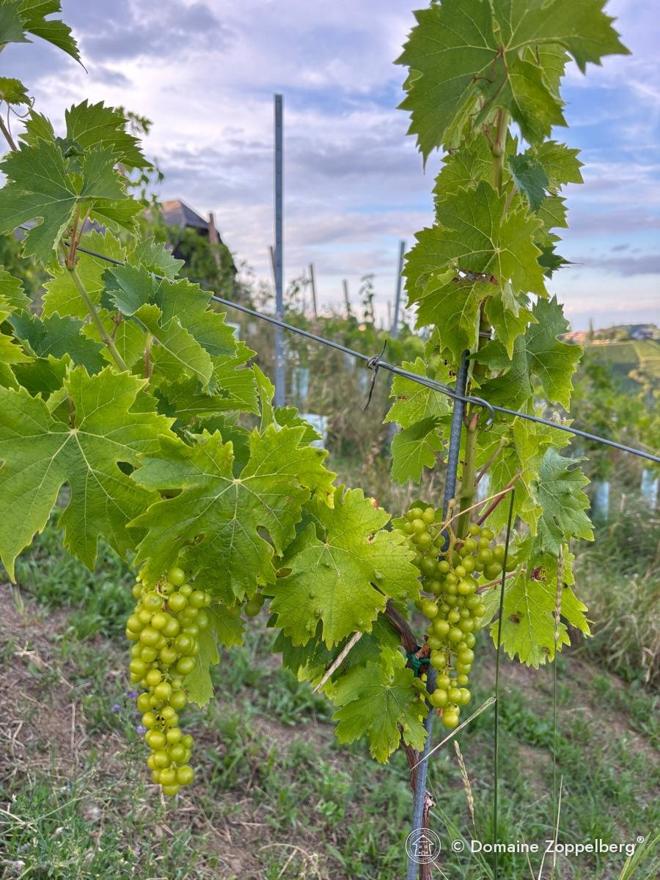
Young grapes in evening light

In the cellar

  • Selection at harvest: only healthy, ripe grapes go into the press.
  • Bottles only: every wine is bottled and submitted for its DAC test number.
  • Measuring in the cellar: temperature, sugar and oxygen during fermentation are to be monitored with sensors.
  • Cellar in the slope: the planned new building sets the wine cellar into the cool hillside right above the vines.
  • QR code on every bottle (in planning): digital label and the story of the site.
  • Grape juice: early harvest, chilled press and hoses so that no fermentation sets in.
RiedRied Zoppelberg · official vineyard register

The Ried Zoppelberg curves like a sickle south of Sulztal towards the north-east and is the highest point of Sulztal. It lies exactly at the geographical midpoint between the Rieden Pößnitzberg and Graßnitzberg, in the formerly independent municipality of Sulztal, and combines the strengths of both sites into a foundation all its own for our grapes. It is planted almost entirely with white varieties, led by Sauvignon Blanc. First mentioned in 1265 as “Zobe”, where Admont Abbey held land; as “Zoppelberg” it already appears in the Franciscan cadastre of 1821.

Origin
Südsteiermark DAC · village wine Gamlitz · Sulztal
Planted area
13 ha
Altitude
393–505 m, avg. 449 m
Slope
5–34°, avg. 20° (up to about 65 %)
Aspect
mainly east-south-east
Bedrock
Opok of the Arnfels Formation with gravel, conglomerate, sand and sandstone
Climate
avg. 10.2 °C · 916 mm rain · avg. 5.8 hours of sun a day

Source: Ried sheet Zoppelberg, Austrian Wine Marketing Board; climate data GeoSphere Austria, Leibnitz-Wagna station, 1995–2025.

Ried, sites & vinesFour sites around the Kogel

Kogel – the Styrian word for a rounded, free-standing hill. Our Kogel is the heart of the Zoppelberg: the farmstead on top, vines all around. The sites on the Zoppelberg (Hafner/Kogel and Hafner/Batabach) and on the Schmetterlingswiese face south-southeast (SSE). Sulzbach is the only site facing east-southeast (ESE), gentler at a 17 to 19 percent gradient, and gets less afternoon sun.
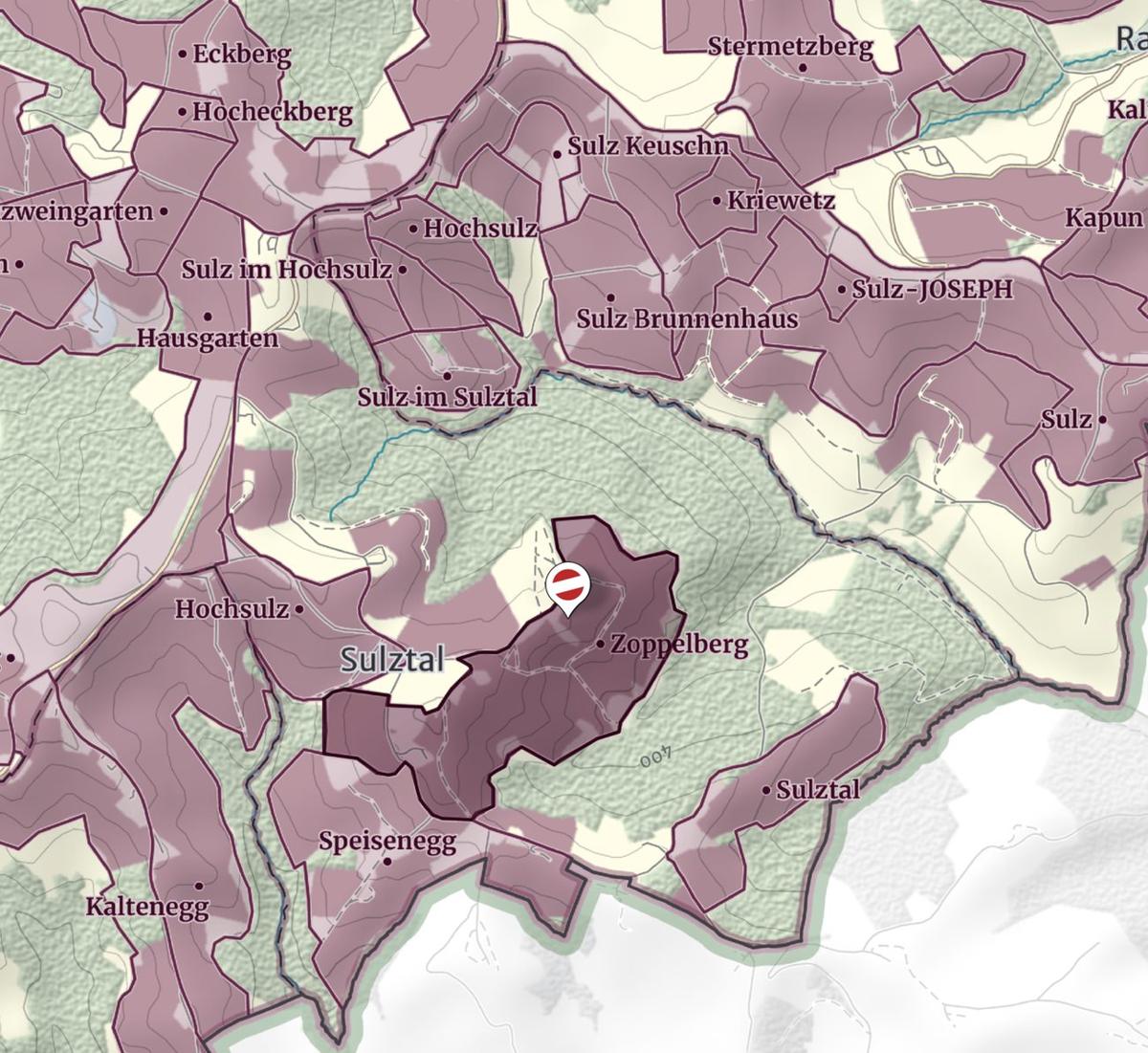
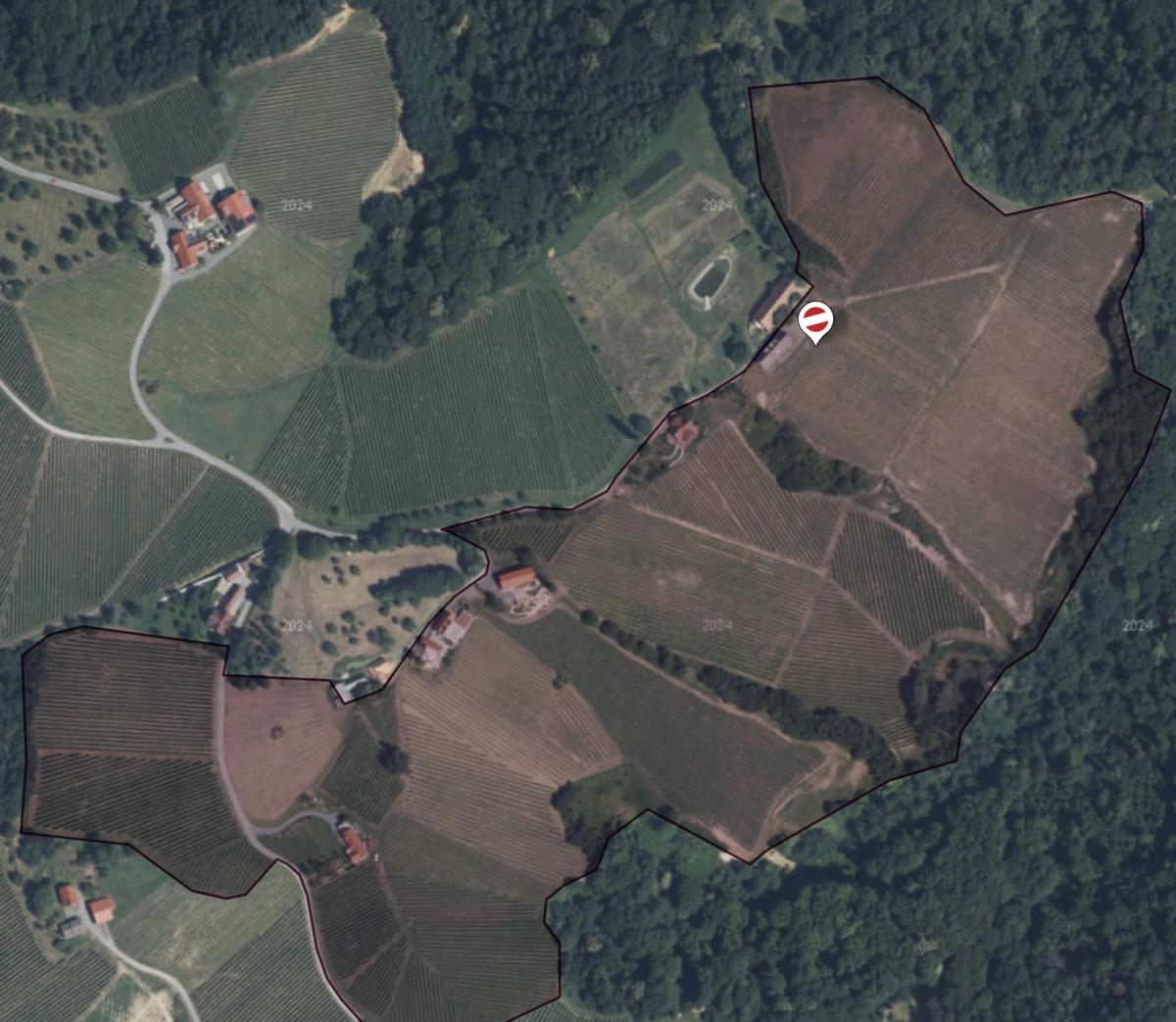
Map & aerial view of Ried Zoppelberg
Ried map Zoppelberg
Ried map Zoppelberg
Aerial view, wine register: Domaine Zoppelberg highlighted

Source: Weinbaukataster / Riedenkarte, ÖWM; aerial image 2024. Vineyard data without guarantee.

Grape varieties by site
VarietySiteAspect
Gelber MuskatellerHafner / KogelSSE
Gelber MuskatellerSpitz / SulzbachESE
Sauvignon BlancHafner / BatabachSSE
Sauvignon BlancSulzbachESE
Pinot BlancSchmetterlingswieseSSE

The four sites in portrait

Farm HAFNER / KOGEL HAFNER / BATABACH SULZBACH SCHMETTERLINGSWIESE Gelber Muskateller Sauvignon Blanc Sauvignon Blanc Muskateller (Spitz) Pinot Blanc
Site map · schematic, not to scale. The farm sits at the top of the Kogel.

Hafner / Kogel

Aspect
SSE
Gradient
20–29 %
Variety
Gelber Muskateller

On the Kogel, right below the farmstead. Cold air drains off the steep slope and protects the early-budding Muskateller from frost.

Hafner / Batabach

Aspect
SSE
Gradient
20–29 %
Variety
Sauvignon Blanc

The Hafner site is named after the Hafner family, who bought the farm in 1820.

Sulzbach

Aspect
ESE
Gradient
17–19 %
Variety
Sauvignon Blanc · Gelber Muskateller in the Spitz

Gentler and cooler, with less afternoon sun. The “Spitz” (Styrian “Zwickel”) is the lower third, narrowing to a point. Below it, a 30 m³ water reservoir.

Schmetterlingswiese

Aspect
SSE
Gradient
20–29 %
Variety
Pinot Blanc

Named after the meadow at its edge, left for butterflies and wild bees. Below it, a 30 m³ reservoir for dry years.

The soilFrom ancient sea to vineyard

Opok · Styrian dialect, from Slovenian “opoka” (marl). Densely packed, fine-grained marl of clay, silt and lime. Grey to bluish, brown where weathered. The ground Southern Styria grows its wines on.

Opok in detail
Origin
More than ten million years ago this was the Paratethys Sea. As the Alps rose and the sea retreated east, mud and shell remains on the seabed hardened into Opok.
Warmth
Opok is considered a warm soil. It stores the day’s heat and helps the grapes ripen even in cooler years.
Firmness
Harder than gravel but too soft to be rock. Vine roots have to work their way through it.
Water
Opok drains poorly. After heavy rain a slippery layer can form on which whole slopes start to slide. That is why drainage is basic equipment on the Zoppelberg.
Varieties
Muskateller, Sauvignon Blanc, Pinot Blanc, Welschriesling and Traminer are the classic varieties on Opok soils.

Find

Stones from the ancient sea

During the earthworks on the slope, large pale limestone blocks came to light. They are remains of the ancient Paratethys sea: hardened lime mud, sand and shell fragments from the sea floor, more than ten million years old. Beneath them lies the grey opok. We have stacked the stones at the forest edge, so it stays visible what the Zoppelberg is made of.
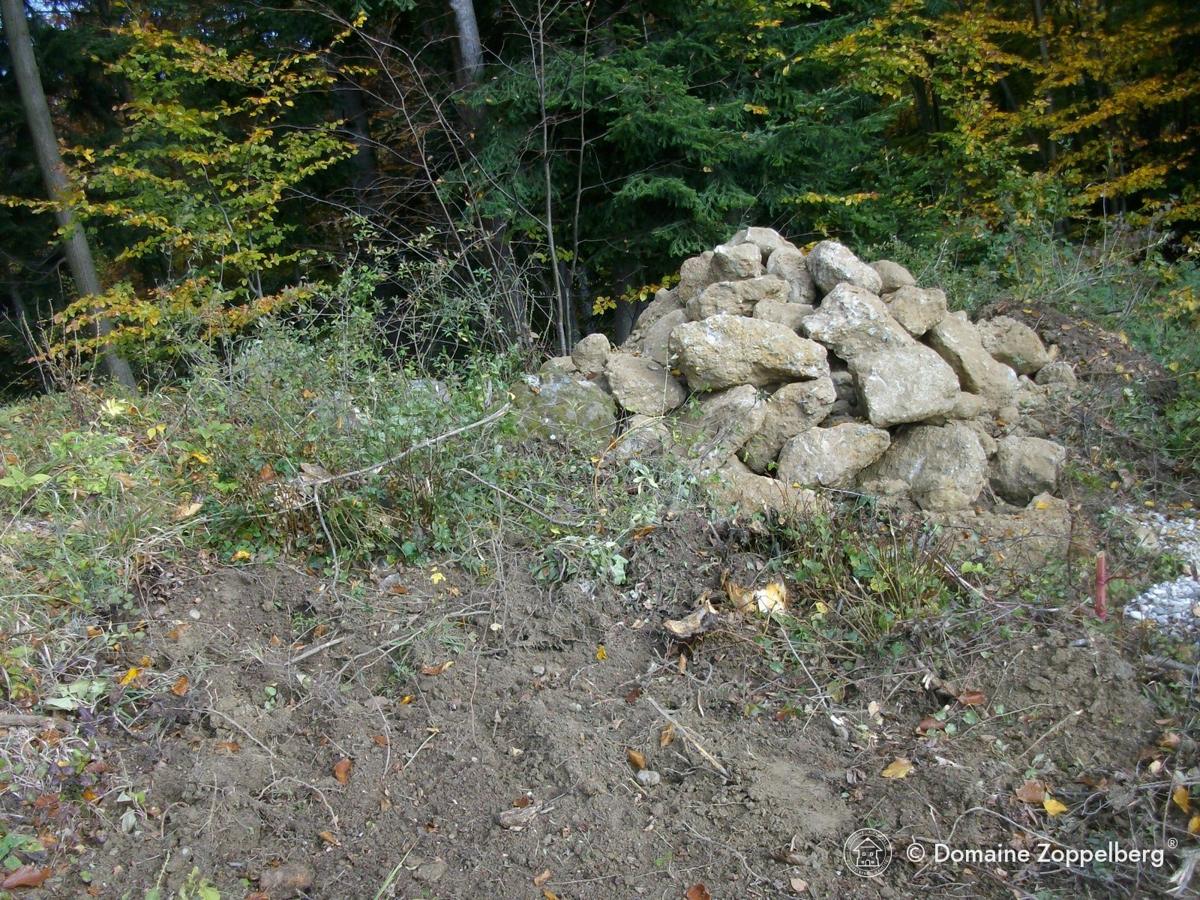
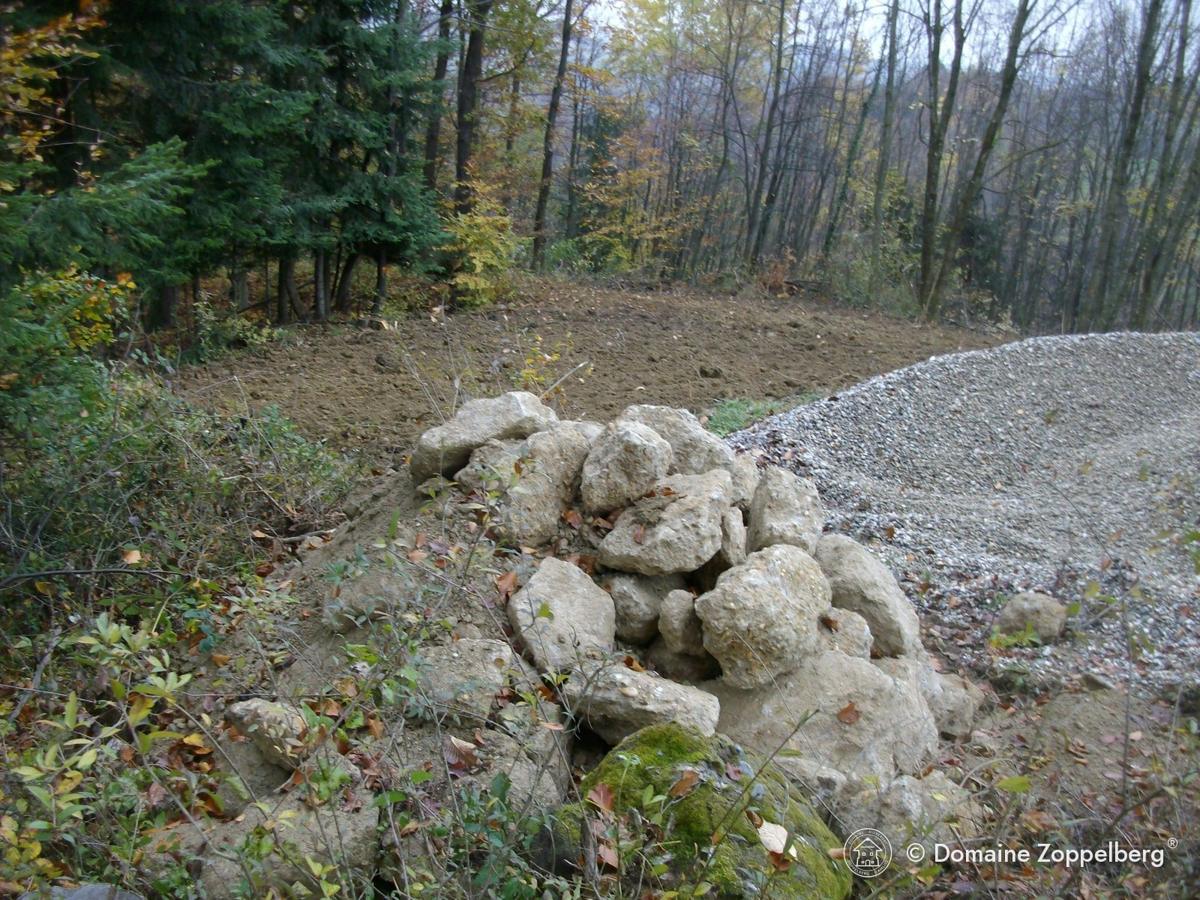
Stones from the ancient sea at the forest edge
Limestone blocks from the slope
Earthworks on the slope: loam and marl
Rock and marl exposed in the slope
Soil in detail: profile, lime, water

Soil type

Silty-clayey marl interspersed with sand lenses. Gamlitz is among the sandiest municipalities of Southern Styria.

Lime & pH

The Opok subsoil is calcareous, its pH usually neutral to slightly alkaline. According to the soil map, the soil on about four fifths of the planted Ried is lime-rich, the rest low in lime. Lime brings freshness and tension to the wine.

Water balance

High storage capacity but low permeability: in summer the vines draw on moisture for a long time; after heavy rain the slope needs drainage.

Roots

The vines root deep into weathered Opok. Cover crop and humus building loosen the surface and feed soil life.

Erosion

On the steep slope, permanent cover crop between every row protects the soil from washing away.

Next step

Soil samples for each site are planned. We will publish the results here once available.

From ancient sea to vineyard

Where vines grow today there was once a shallow, warm sea, much like today’s Wadden Sea: mud flats, sandy shores and reefs. What settled where on the seabed became the three great soils of Southern Styria.

Mud flatOpok

Fine sea mud pressed into lime-rich marl. Typical of Leutschach and the slopes along the wine road.

Shore and estuarySand

Sand from sea and river deposits. According to Wine Styria, sandy soils in Southern Styria are found mainly around Gamlitz, our municipality.

ReefLeitha limestone

Formed from corals, shells and other sea creatures. It shapes sites around Ehrenhausen, just a few kilometres away.

Opok sites in the neighbourhood (Silberberg)

Vines & vintage year

Varieties, handwork on the Kogel and the year from budbreak to ripeness.
5 chapters

Varieties, handwork on the Kogel and the year from budbreak to ripeness.

TasteThree varieties, one signature
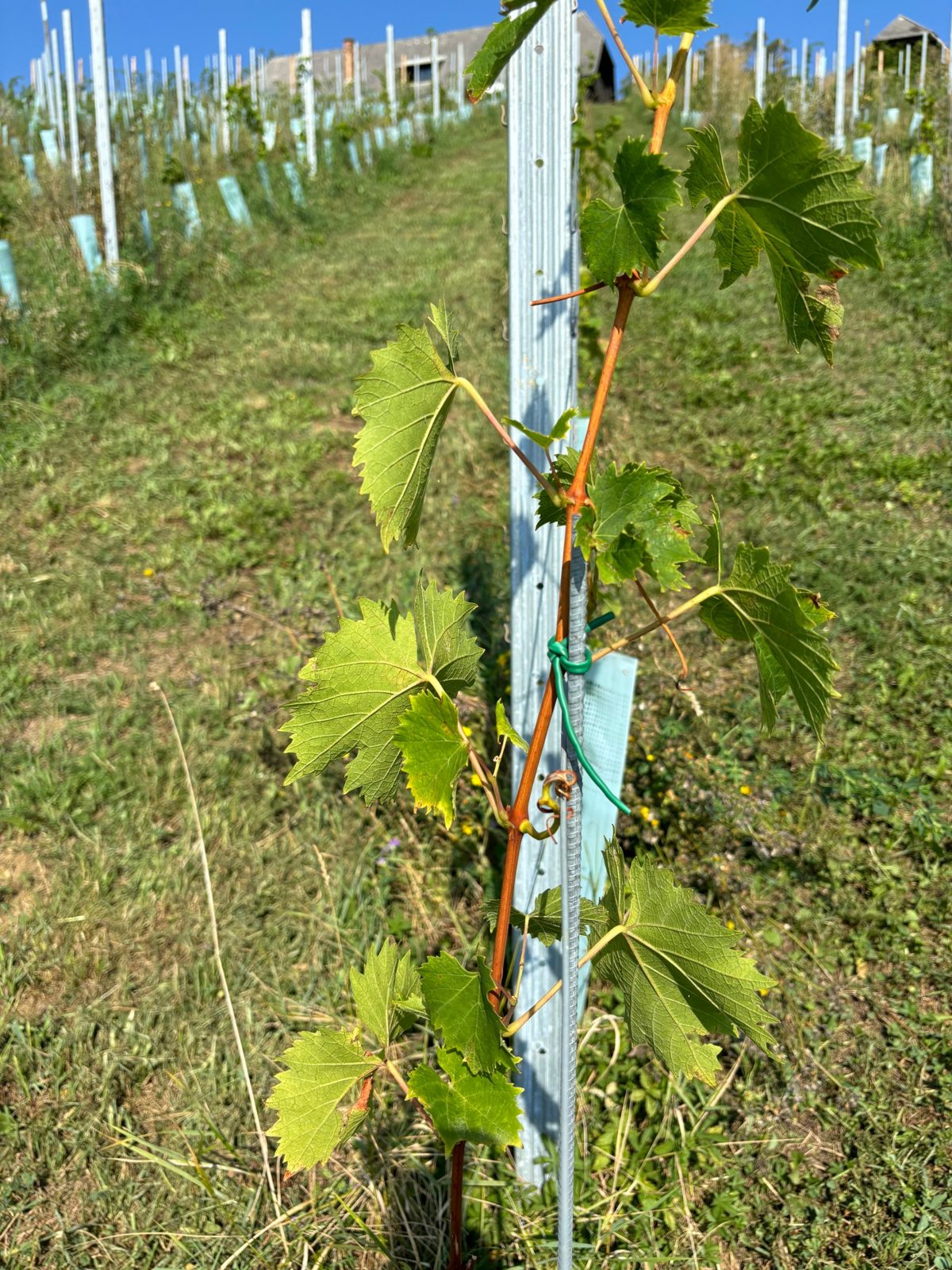
Healthy grapes on the young vine
Young vine on its stake in summer

Only the three classics of Southern Styria grow on the Zoppelberg. All ripen medium to late and deliver what the region is known for: freshness, aroma and a clear, saline minerality from the Opok.

Signature grape of Southern Styria

Sauvignon Blanc

Aromas, sites & pairings
ElderflowerGooseberryGreen pepperBlackcurrantFlint

Lively and precise with firm acidity. Taut and mineral on Opok, deep and age-worthy with ripeness.

Sites
Hafner/Batabach, Sulzbach
Pairs with
Goat cheese, asparagus, trout, herb dishes

Fragrant and light

Gelber Muskateller

Aromas, sites & pairings
ElderNutmegCitrusRoseVineyard peach

Made brut, with an intense bouquet and slender body. The classic Styrian aperitif.

Sites
Hafner/Kogel, Spitz/Sulzbach
Spitz (Styrian dialect: “Zwickel”, a vineyard area that narrows to a point from two sides)
Pairs with
Aperitif, asparagus, Asian cuisine, spring dishes

Elegant and creamy

Pinot Blanc

Known in German as Weißburgunder.

Aromas, sites & pairings
ApplePearWalnutBriocheHerbs

Subtle on the nose, with fine texture and calm acidity. Gains with time in bottle.

Sites
Schmetterlingswiese
Pairs with
Veal, fish, pumpkin, Styrian fried chicken

The aromas describe the typical style of these varieties in Southern Styria. We will present the first Zoppelberg wines here.

In planning · Cuvées

Exciting cuvées from solid lead varieties

Alongside the varietal wines, the three DAC varieties of the Zoppelberg will also become cuvées: each variety brings its strength, together they create something new. Classic stainless steel, brut, no oak.

See the cuvées
Fresh & fragrant

Cuvée Zobe™

Sauvignon Blanc · Gelber Muskateller

Named after the oldest name of the hill, from 1265. Sauvignon Blanc gives tension and acidity, Muskateller the scent of elderflower and nutmeg. A lively wine for summer.

Power & texture

Cuvée Opokiano™

Sauvignon Blanc · Pinot Blanc

Sauvignon Blanc brings fruit and precision, Pinot Blanc texture and calm, together with the saline minerality of the Opok. A food wine with length.

Fine & elegant

Cuvée 1781™

Pinot Blanc · Gelber Muskateller · Sauvignon Blanc

All three varieties in one glass, named after the main house. Pinot Blanc as the calm centre, Muskateller and Sauvignon as scent and tension. The signature of the Zoppelberg.

Signature wine · fragrant & creamy

Cuvée Zoppeliano™

Gelber Muskateller · Pinot Blanc

Named after the hill itself. Muskateller brings the scent of elderflower and nutmeg, Pinot Blanc texture and calm. Fragrant, creamy and light. Our signature wine, also in magnum (1.5 l) and double magnum (3 l).

Bergwein · 1 litre

Zoppelberger

Pinot Blanc · Gelber Muskateller · Sauvignon Blanc

Our mountain wine (Bergwein) and our only wine in the one-litre bottle: the three varieties from the steep slopes of the Zoppelberg, light, dry and uncomplicated. Bottled as Qualitätswein Steiermark, because the DAC rules do not allow litre bottles.

Cuvées of the DAC varieties are permitted as Südsteiermark DAC regional wine. Ortswein Gamlitz and single-vineyard wines are single-varietal, Sauvignon Blanc and Gelber Muskateller. Shares are provisional.

Direction · Style in figures

Classic, light, with plenty of bouquet

brut [bʁyt] · French: raw, unadorned

That is how we make our wines: dry, pure, in stainless steel and without wood. Light wines with plenty of aroma and lively acidity, a grape juice with little sugar. Our limits:

Grape juice

Alcohol-free. From our own grapes on the Zoppelberg. Sugar no more than 160 g/l, only from the grape, nothing added. Total acidity 7–9 g/l. To get there we pick early, at about 15 °KMW; ripe grapes often give 180–200 g/l.

Wines · varietals & cuvées

Alcohol no more than 11.5 % vol. Residual sugar no more than 4 g/l. Total acidity 6.0–7.5 g/l. By law “dry” may go up to 9 g/l if acidity is high enough; we stay at 4 g/l.

Sekt Blanc de Blancs

Alcohol no more than 11.5 % vol. Residual sugar below 12 g/l (brut), aiming for 4–8 g/l. Total acidity 6.5–8.0 g/l for fresh, fine bubbles.

Our quality standard

The highest quality standards from the vineyard to the glass. We choose our partnerships by the same measure.

  • Organic, inspectedAustria Bio Garantie, AT-BIO-302. EU organic logo on the label from the 2028 vintage.
  • Hand-pickedSteep vineyards, every bunch picked and sorted by hand.
  • Spontaneous fermentationFermented with the vineyard’s own yeasts, but also with organic champagne yeasts.
  • Stainless steel onlyClassic ageing in stainless steel tanks, without barrique or wood.
  • Verified originSüdsteiermark DAC with state test number, made brut.
  • Bottles onlyEvery wine goes into the bottle, nothing else.
  • Open labelThe back label states soil, harvest, vinification, ageing, drinking window and bottling, plus the QR code.

In planning

Every bottle tells its site

A QR code on the label leads to the digital label with ingredients and nutrition values, required since December 2023, and on to the bottle’s story: site, vintage, harvest and winemaking. Plus a unique code on every bottle so you can check its authenticity, and a vintage mark on the cork.
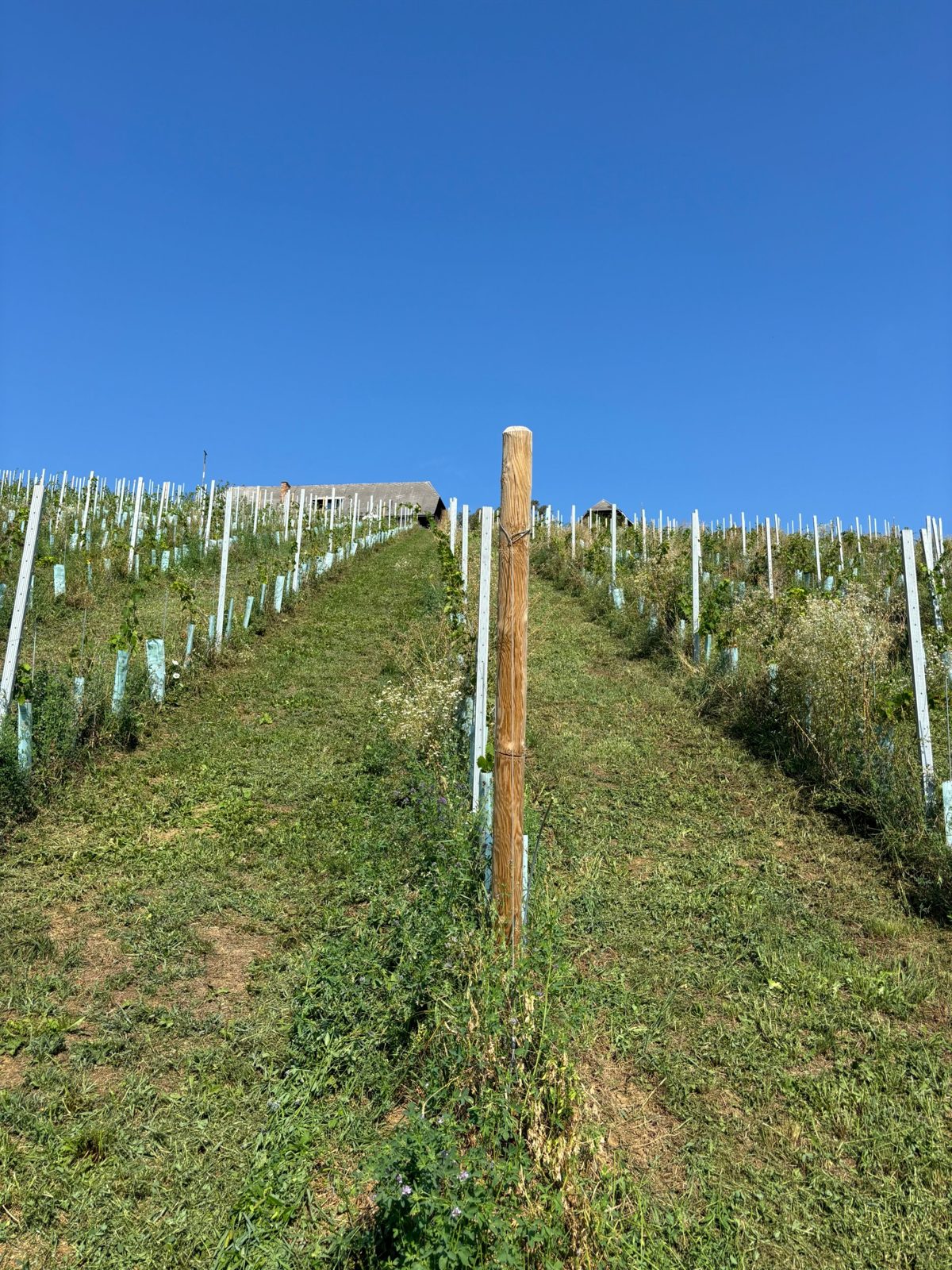
Grape culture on the mountainHandwork on the Kogel
The steep slope up to the farm

On the Kogel, at 17 to 29 percent gradient, machines only go as far as the slope allows: a narrow special tractor for mulching and crop protection, plus special equipment for steep ground. Everything else is done by hand, from pruning to tying, shoot thinning, canopy work and repairing the deer fence through to harvest. In Austria’s flat wine regions, such as the Weinviertel or around Lake Neusiedl, more and more of the work is taken over by machines.

Mountain and flatland compared
On the mountain · Zoppelberg
On flat land
HarvestBy hand, bunch by bunch into the crate
HarvestHarvesting machine, done in a few hours
Canopy workShoot thinning, topping and leaf removal by hand
Canopy workHedgers and leaf strippers driven through the rows
Soil careMulching with the special tractor, under-vine work with hand tools
Soil careWide tractors, under-vine implements, increasingly mowing robots
Crop protectionSpecial tractor on the slope, only where needed
Crop protectionTunnel sprayers, sensors and drones for monitoring
PlantingGPS-guided by machine, then every vine tended by hand
PlantingBy machine, largely automated

For comparison: steep sites with a lot of handwork need around 1,000 working hours per hectare per year, and hand harvesting alone takes 250 to 300 hours. A harvesting machine picks the same hectare in 2.5 to 3 hours.Source: DLR Rheinland-Pfalz, steep-slope concept

BudburstThe year begins on the wire

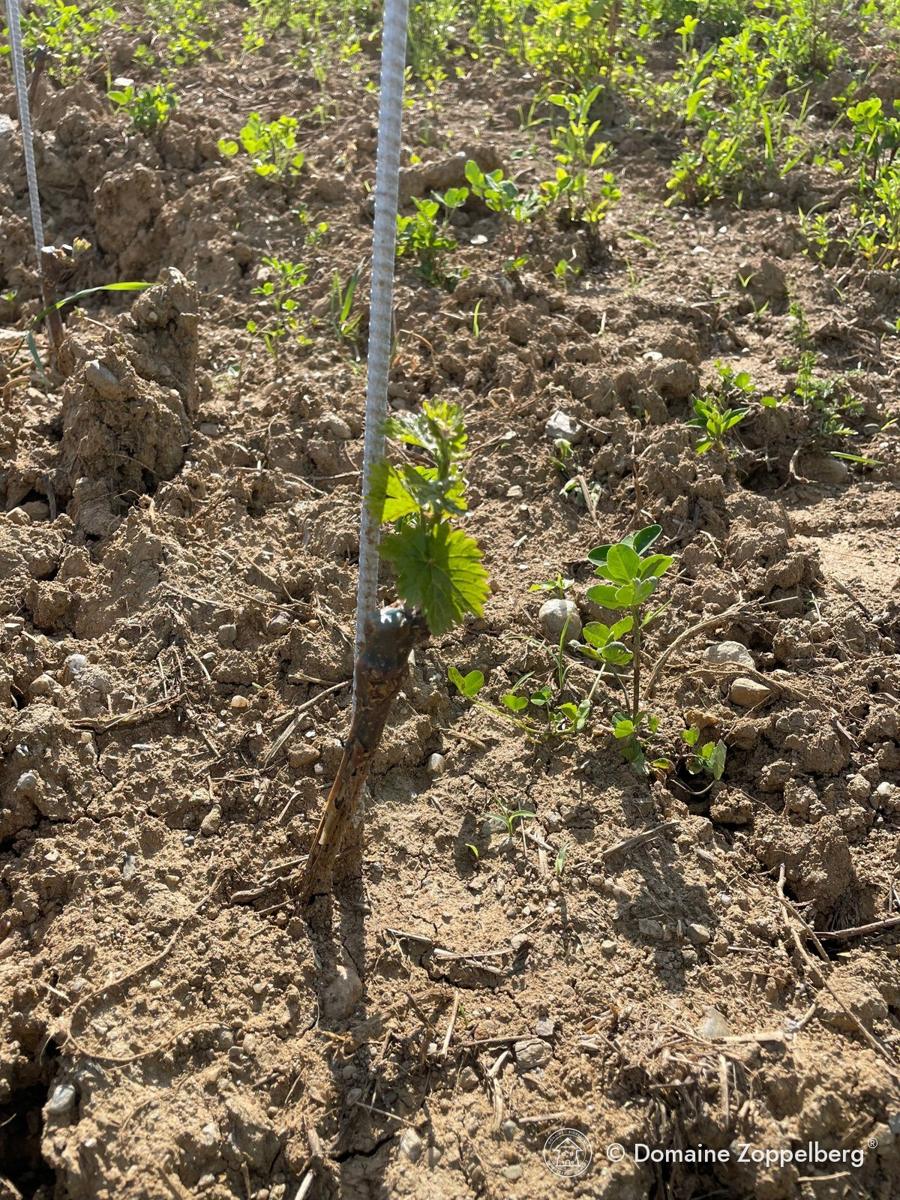
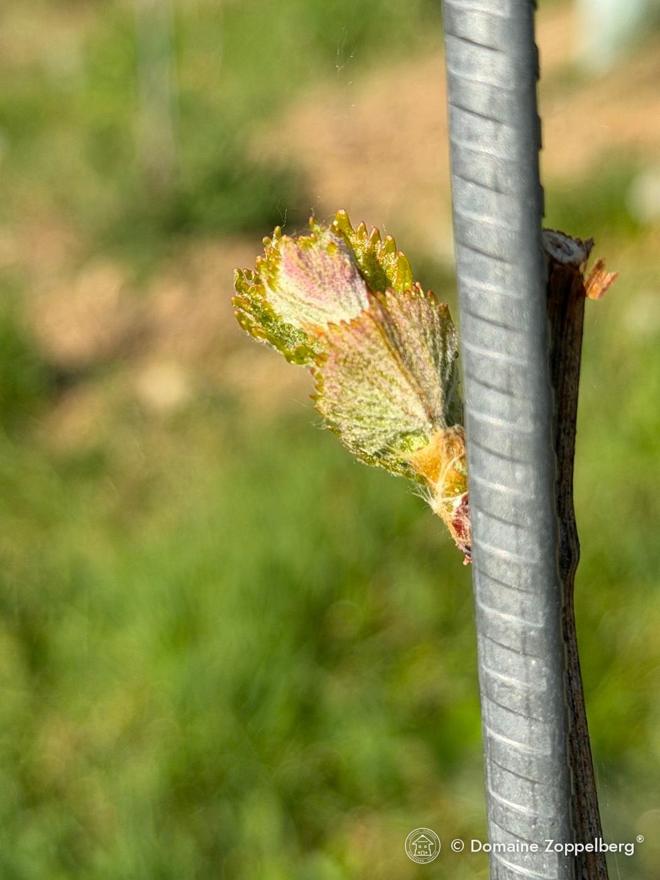
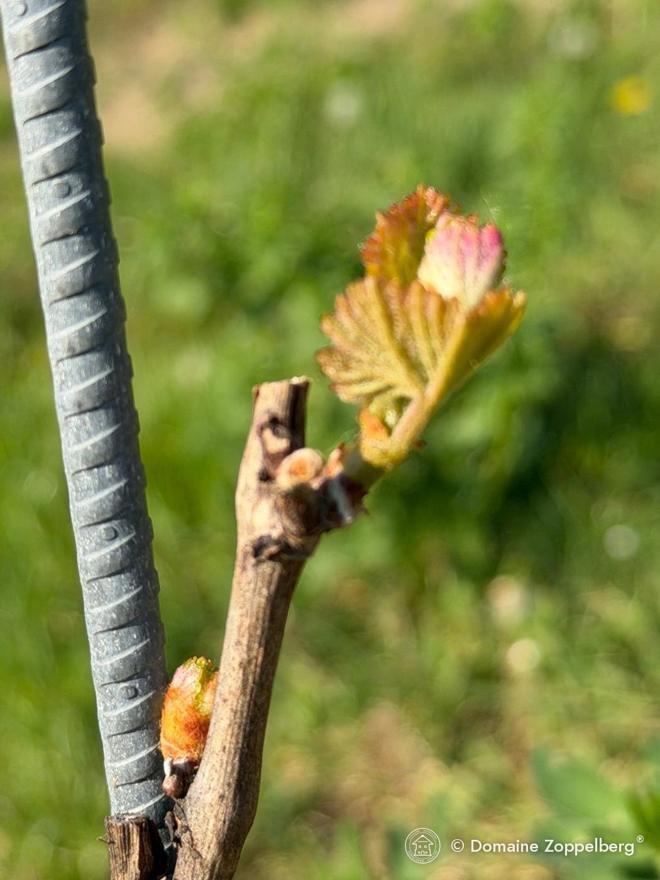
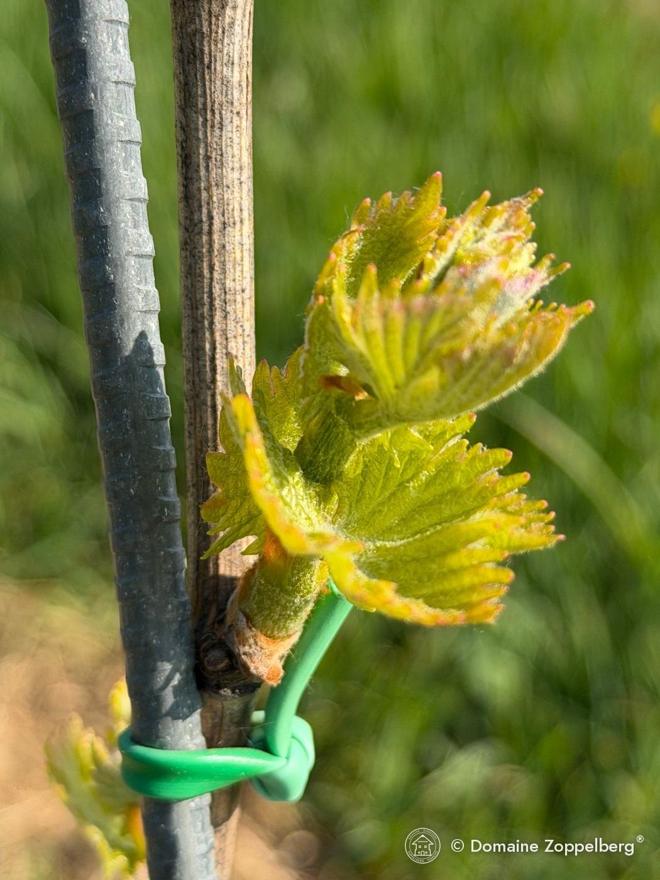
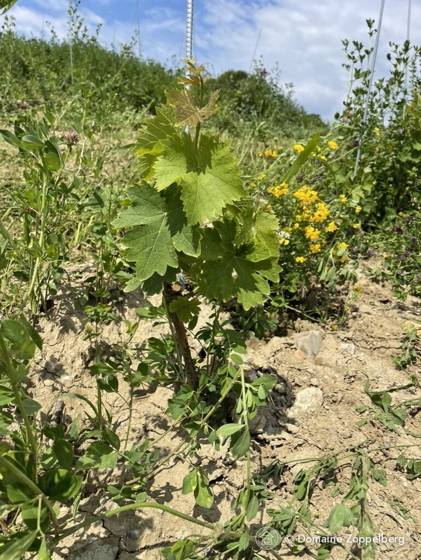
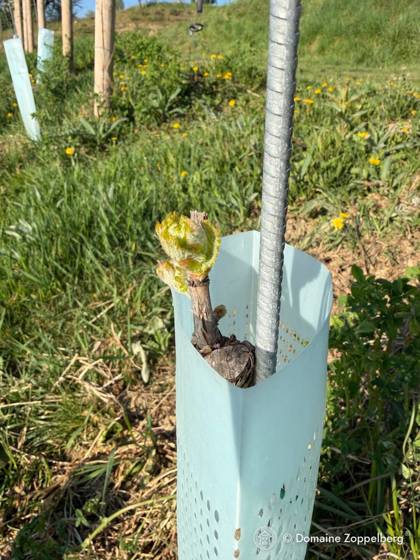
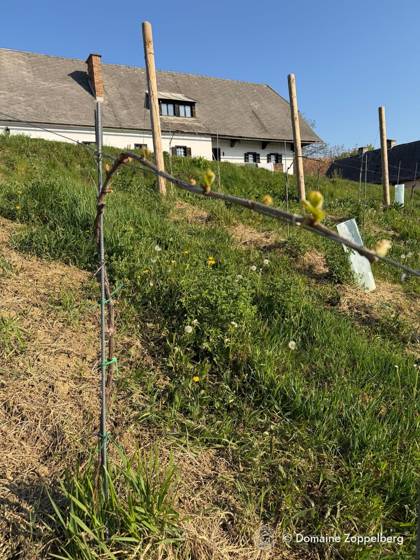
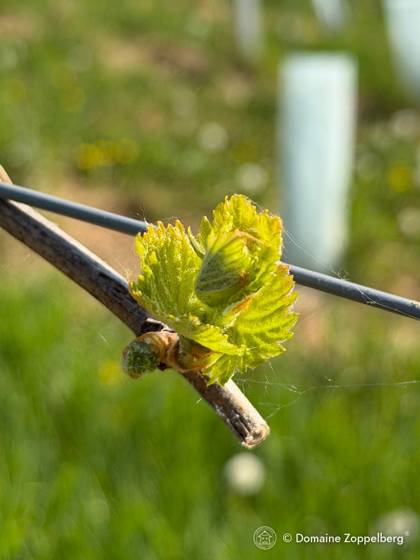
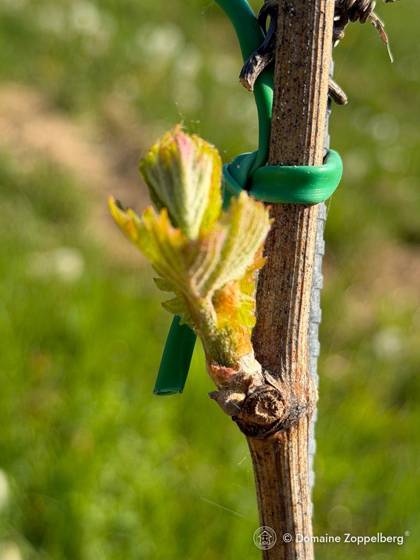
In spring the buds break open. The first leaves push out of last year's wood, downy, yellow-green and often tinged pink at the tips.

Now the most delicate time begins: a single frosty night can destroy the young shoots. On the steep slope the cold air drains away; the early-budding Muskateller is most at risk.
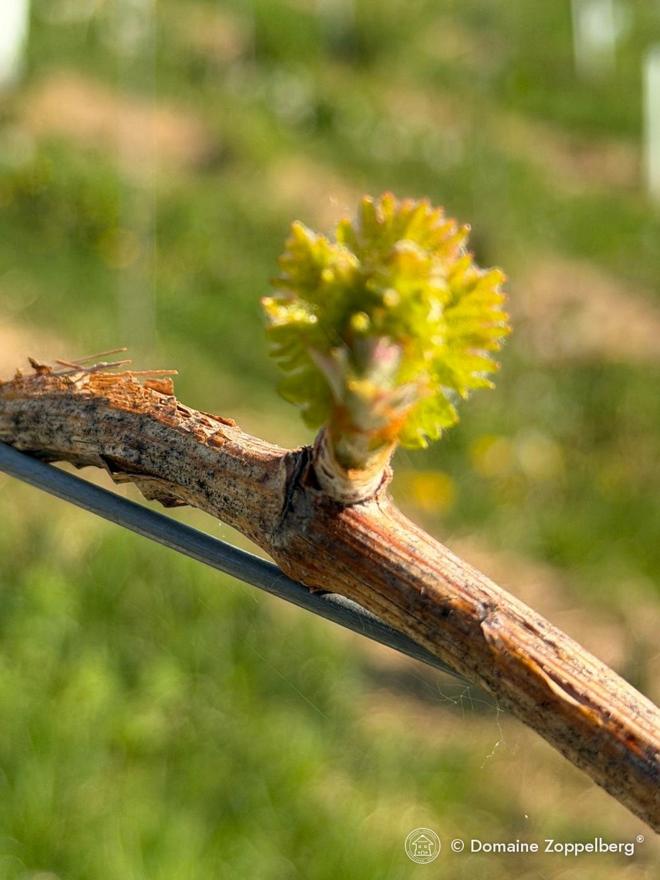
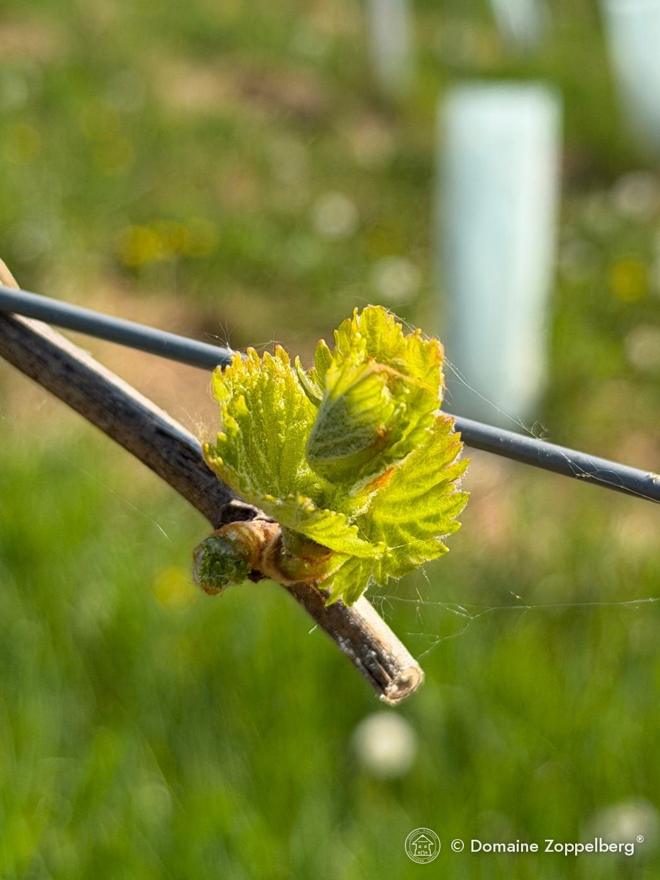
Bud breaking open on the cane above the wire
Bud breaking
Young leaves unfolding along the wire
Leaves unfolding
Pink-tinged young vine leaf next to the stake
Pink leaf tips
Young shoot with a reddish leaf on the vine
Young shoot
Vine bud bursting with downy unfolding leaves, tied to its stake
First leaves at the stake
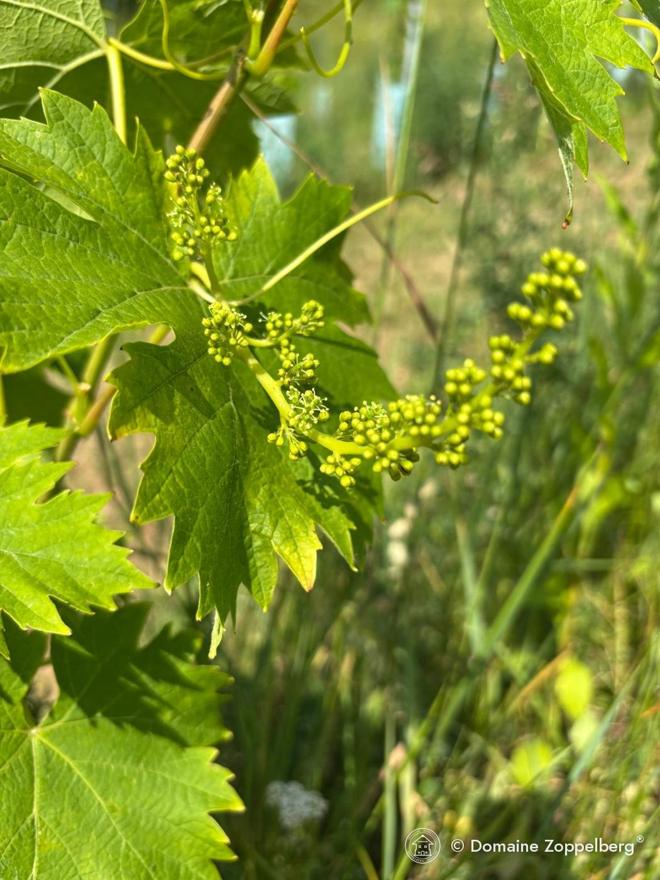
FloweringThe first flower clusters
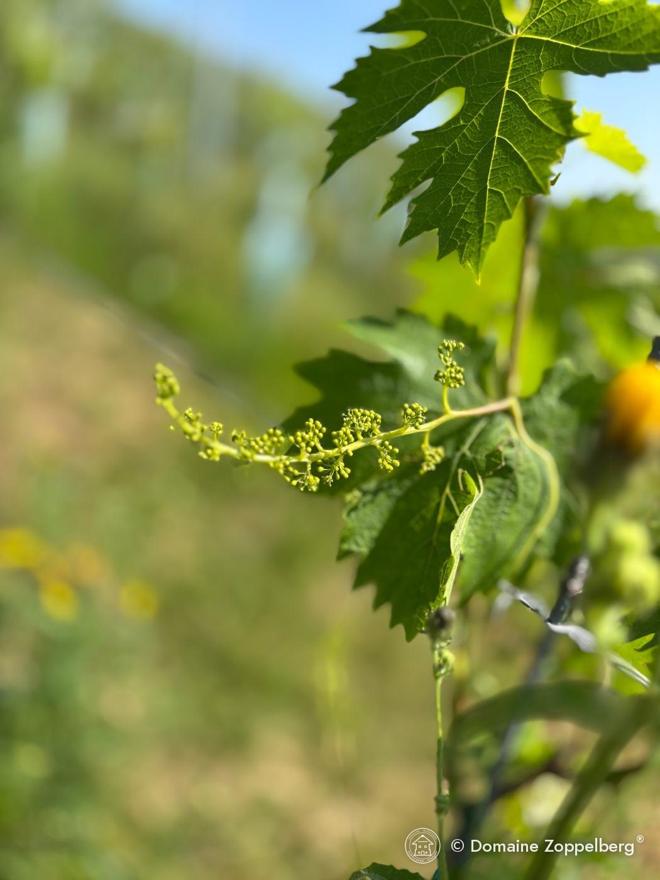
Close-up of a flower cluster with green buds
Flower cluster just before bloom

The landslide slope has become a vineyard in bloom. The young vines are showing their first inflorescences, the flower clusters that will later become grapes.

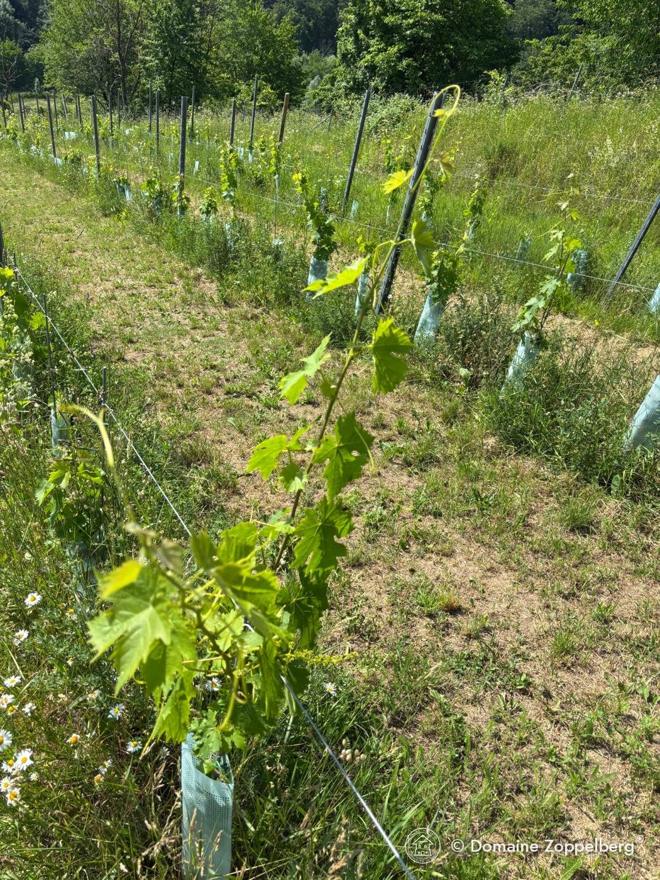
Many vines still stand in their grow tubes, with the grasses and meadow flowers of the cover crop between them. This is what an organic vineyard looks like in its first years.
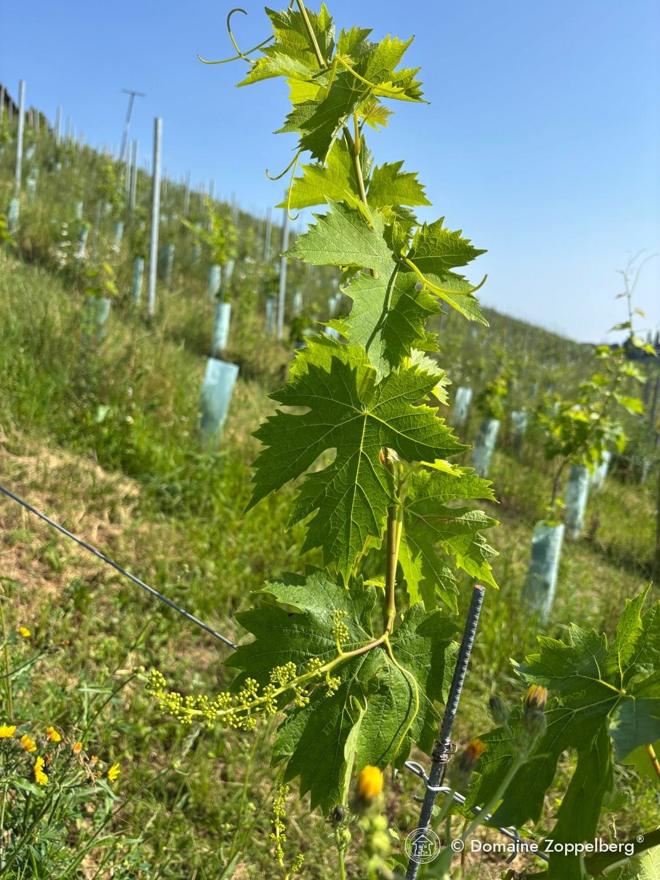
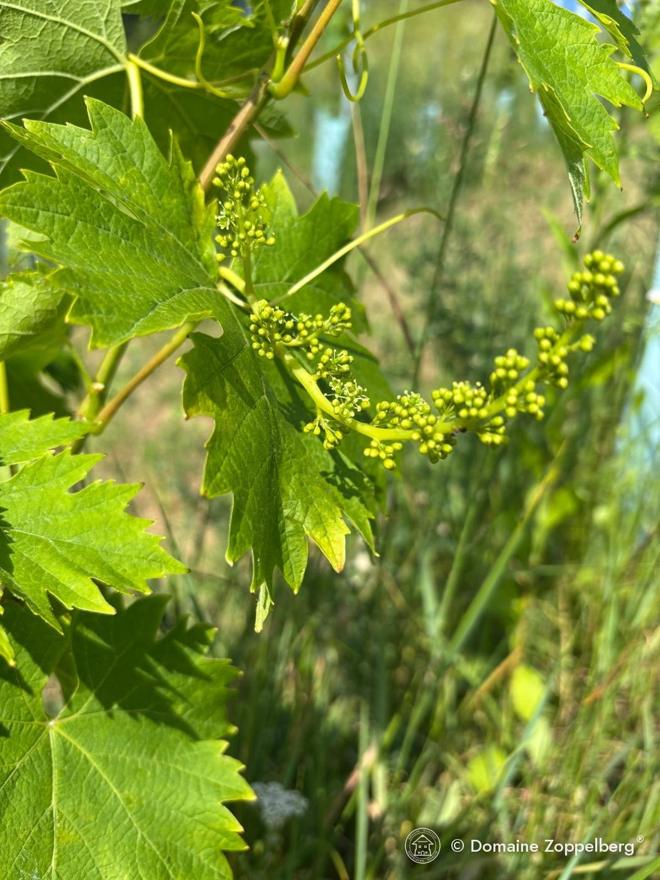
Young vine shoot with flower cluster, rows with grow tubes behind
Young shoot on the wire
Flower cluster with opening blossoms among vine leaves
First flowers opening
Young vine growing out of its grow tube with its first flower cluster
Vine in its grow tube
Vine row with posts and a green alley
Row with cover crop

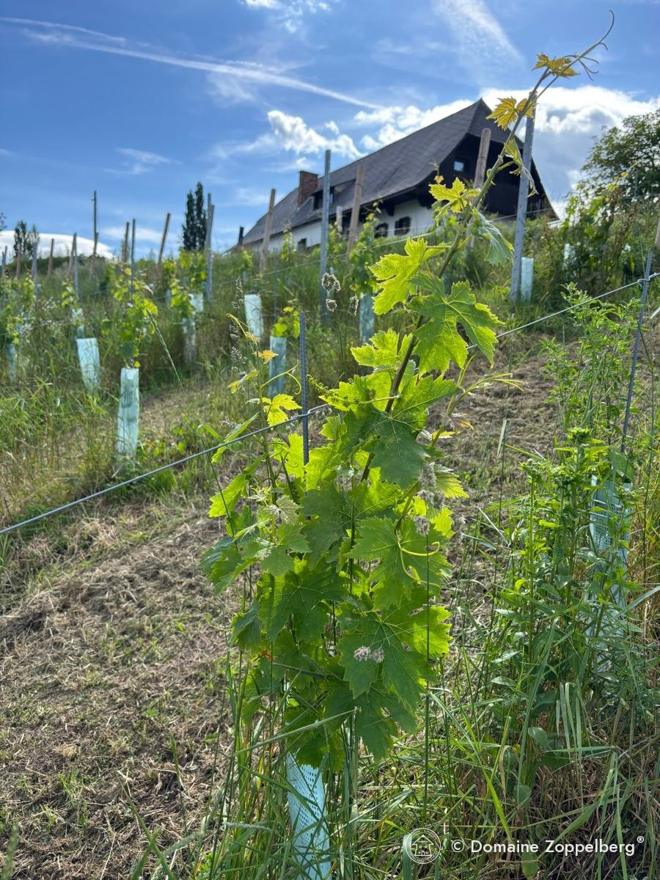
Flower clusters below the farmhouse

Early summer: the young vines carry their first flower clusters, with daisies flowering between the rows.
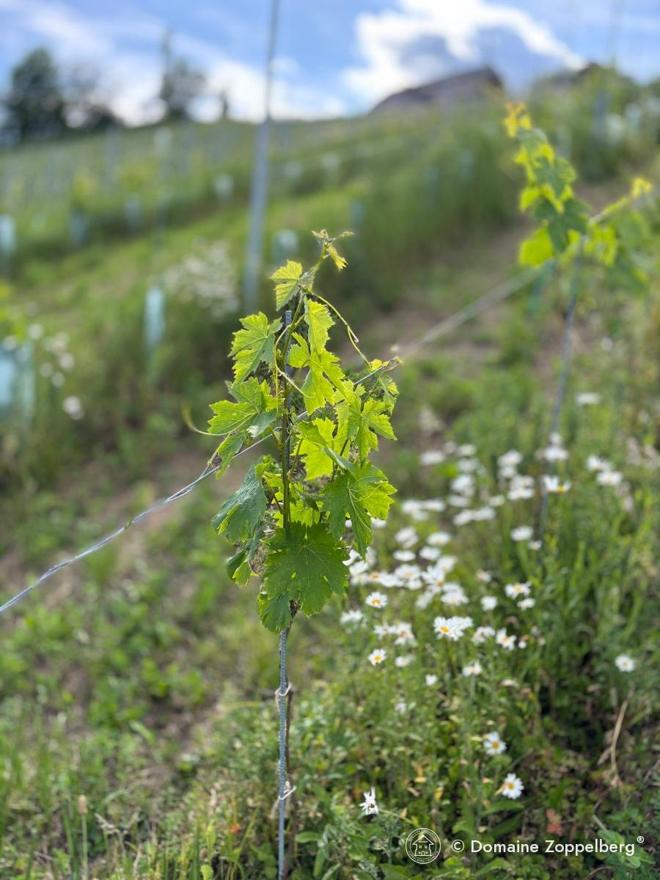
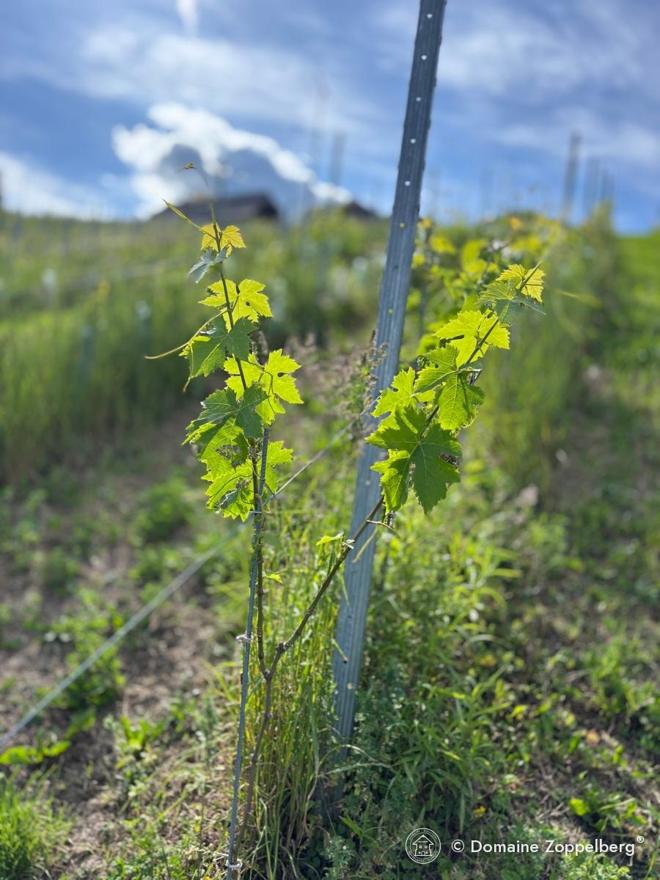
Young vine on its stake among flowering daisies
Daisies in the cover crop
Young vine backlit beside the post
Backlit
Young vine with flower clusters in front of the white farmhouse
In front of the farmhouse
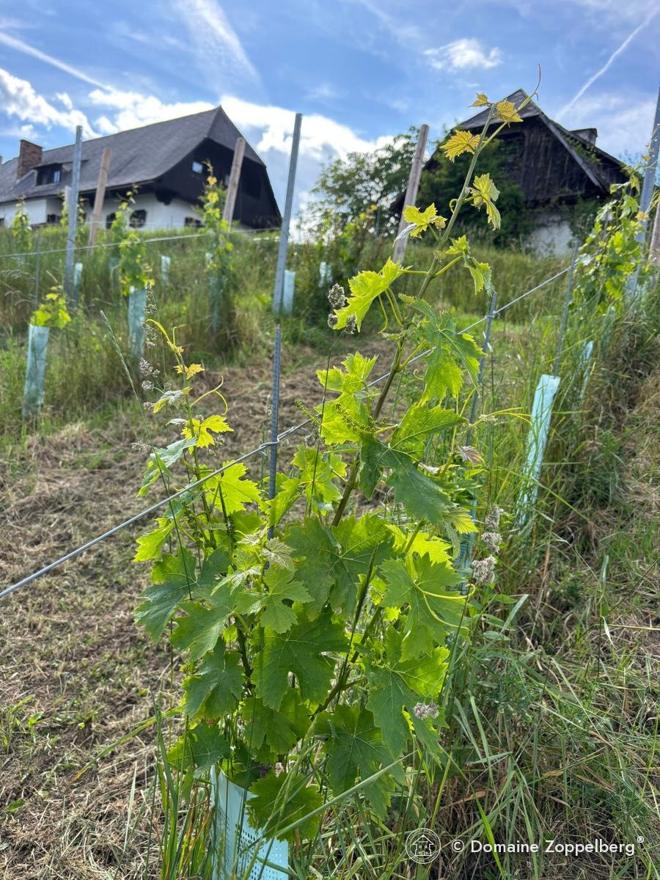
Vine with flower clusters before farmhouse and old barn
Farmhouse and barn
Young vines below the farmhouse
RipeningThe first grapes are hanging
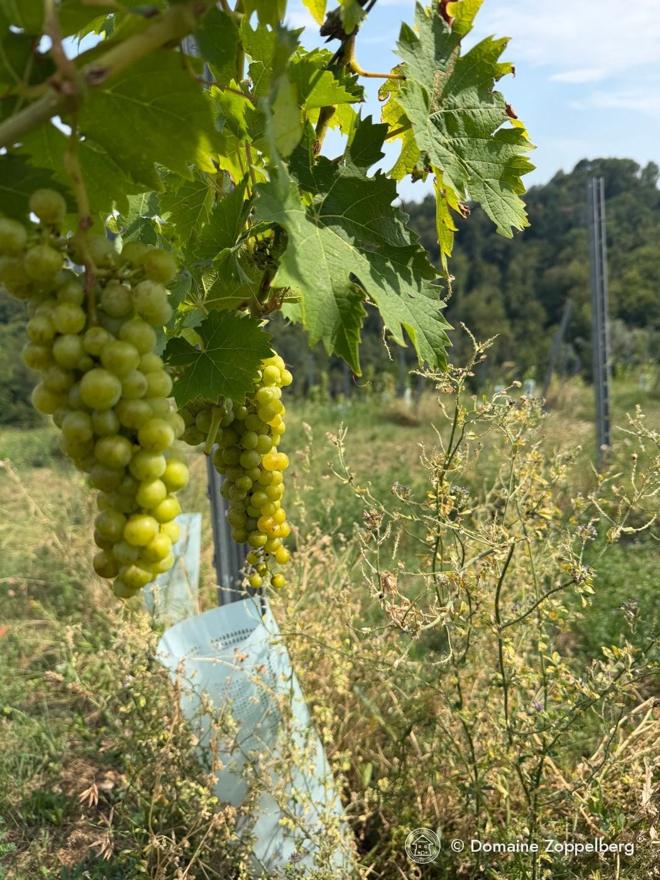
Ripe pale grapes on the vine with flowering cover crop in front
Grapes above the cover crop

In late summer the berries soften and turn pale. The first grapes hang on the Zoppelberg, with chicory and meadow herbs of the cover crop flowering between the rows.

On the sunny side the berries pick up golden freckles. The leaves begin to turn, and harvest is getting close.
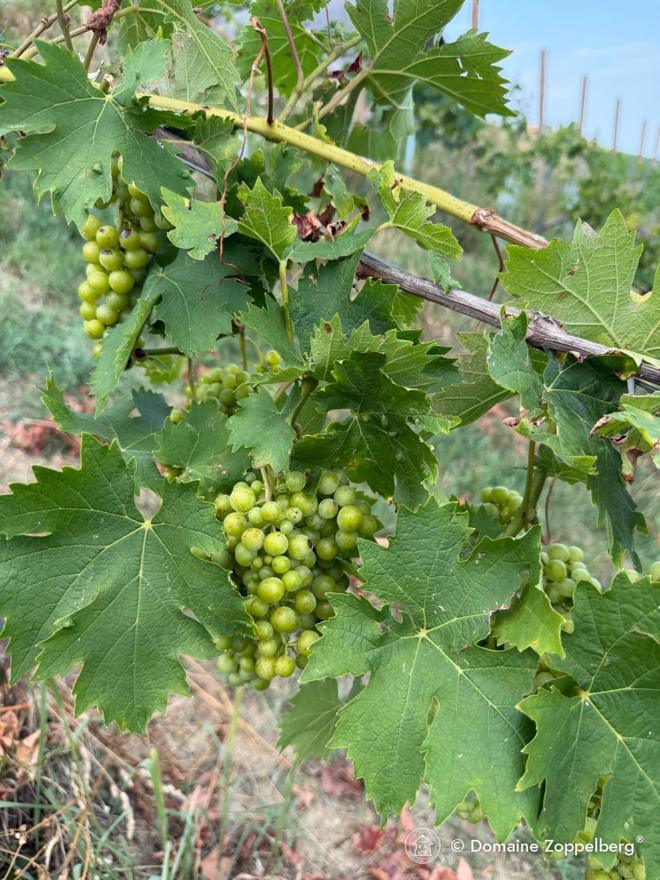
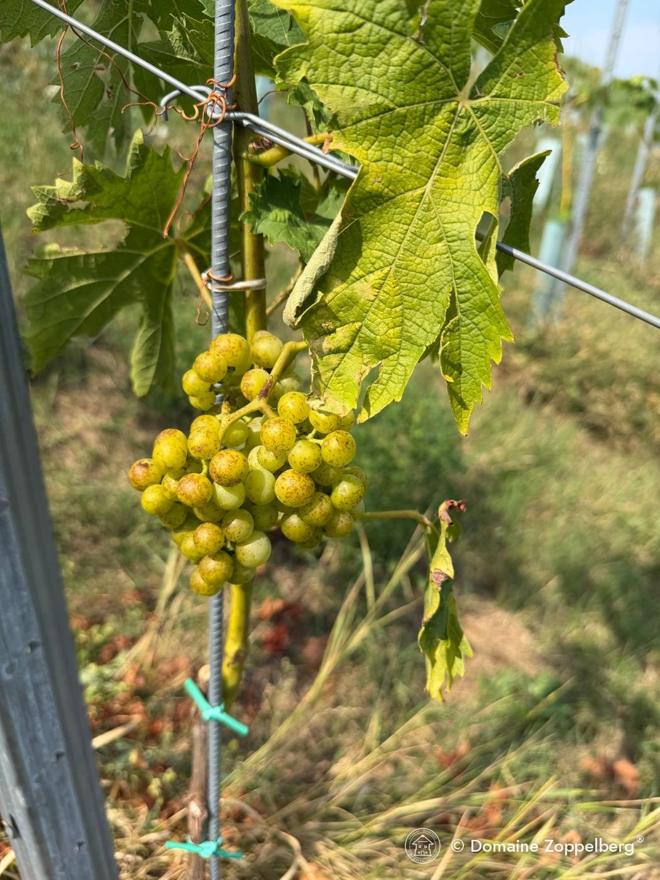
Several bunches among green vine leaves
Bunches in the leaves
Golden bunch with sun spots next to the stake
The sunny side
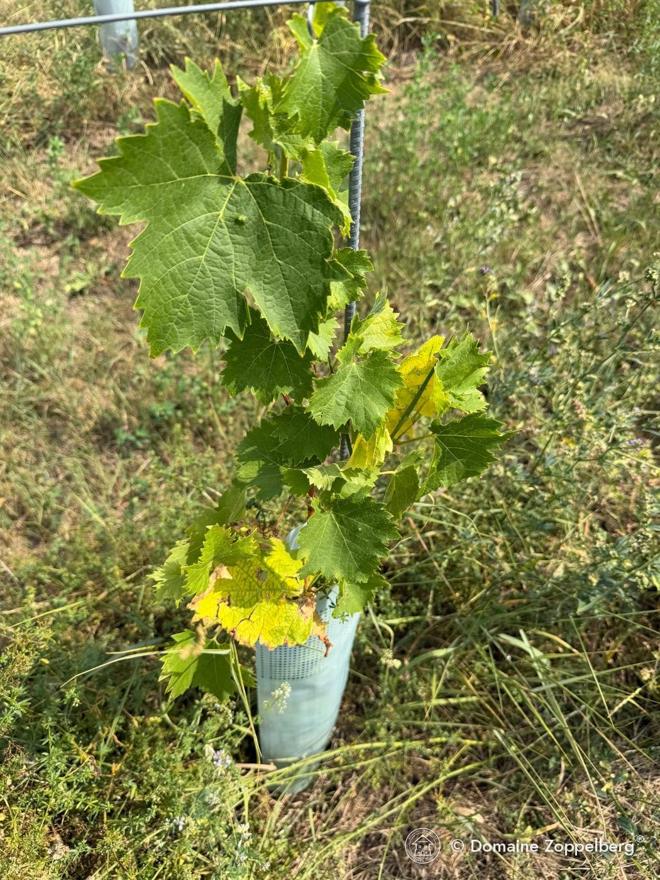
Young vine growing from its tube with first autumn leaves
Young vineyard in late summer

Summer evening on the Zoppelberg

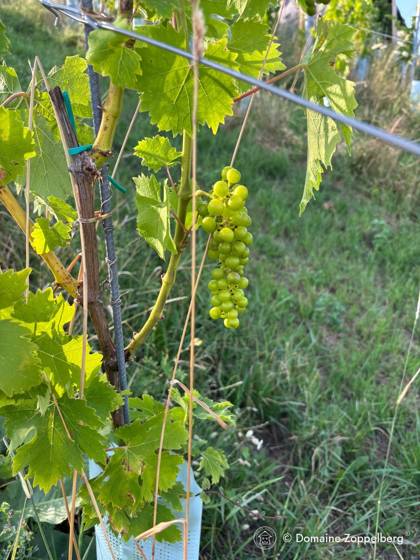
Green grapes in July and August, just before the berries soften.
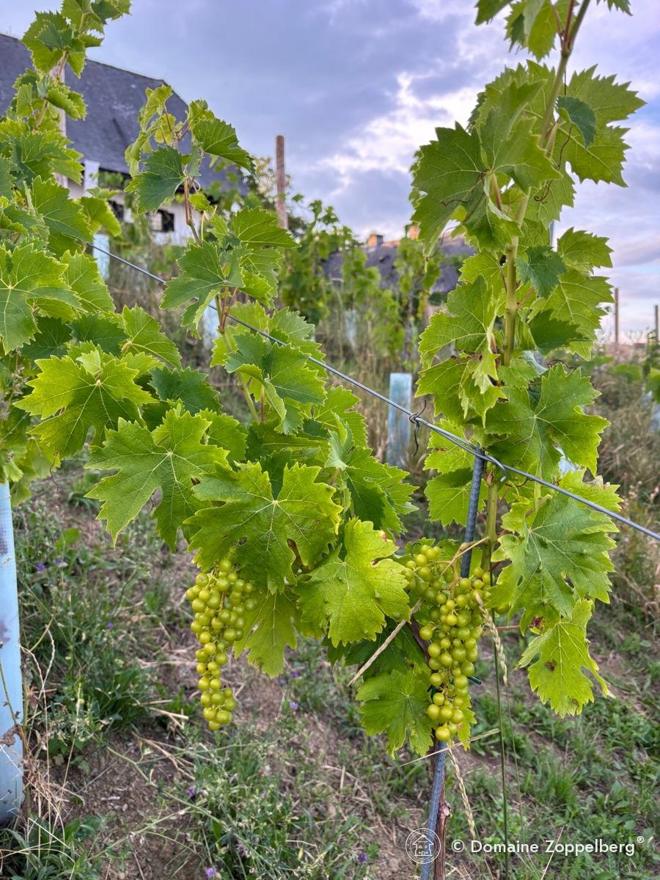
Two green bunches in evening light with the hills behind
Evening light over the valley
Young vines with grapes, the old farmhouse behind
Below the farmhouse
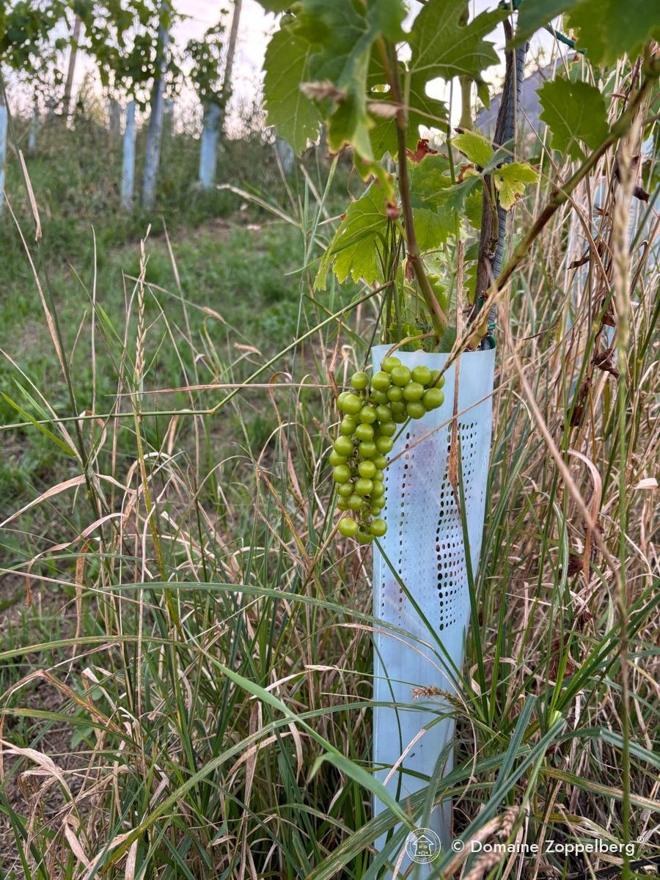
Green bunch against the grow tube among tall grasses
First bunch at the tube
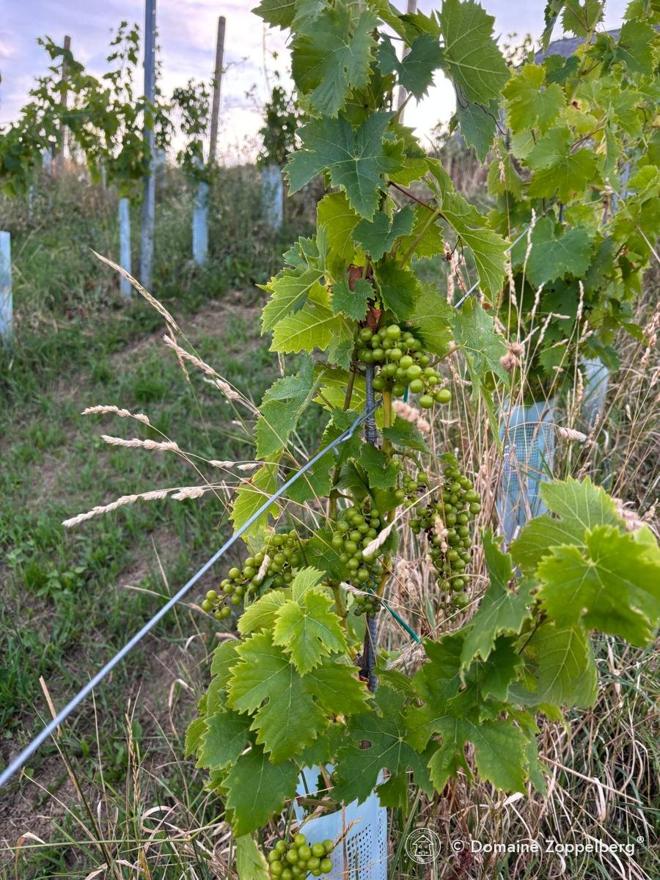
Young vine carrying many small bunches
Fully hung

First grapes in the young vineyard

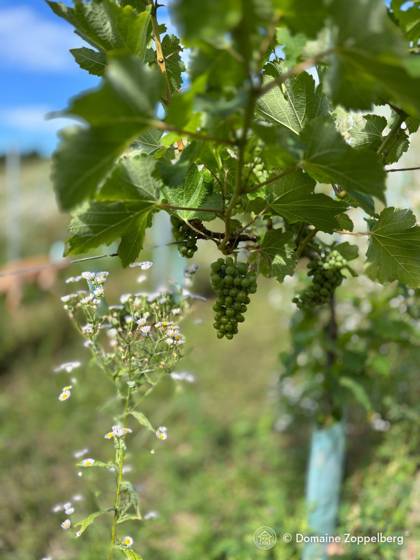
Even the young vines in their grow tubes are carrying their first bunches.
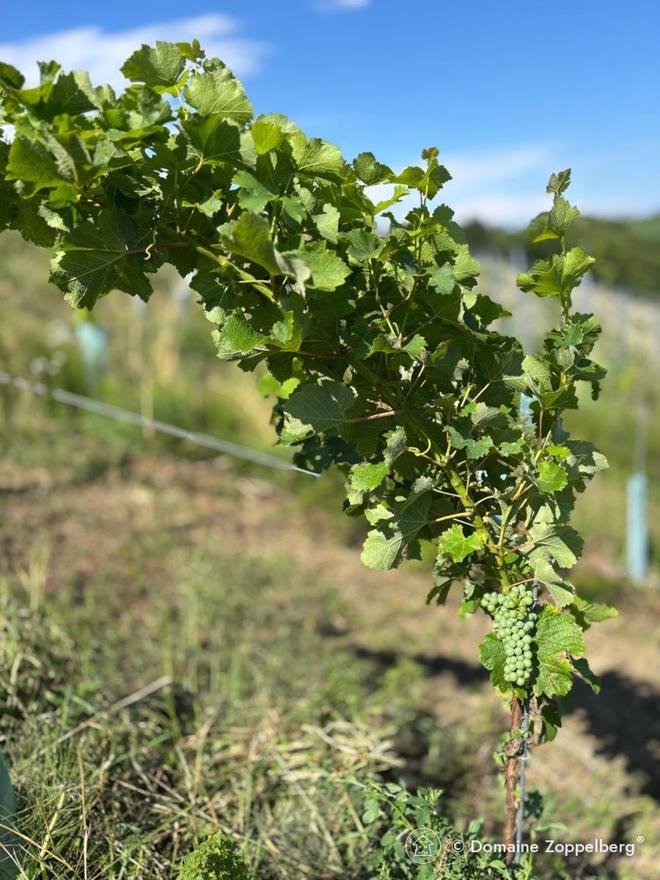
Compact green bunch beneath dense leaves
Tight-berried bunch
Young vines with grapes
Looking over the vineyard to the hills

Bioresort & farm

Where we are heading: the Bioresort vision and the new farmstead on the Kogel.
2 chapters

Where we are heading: the Bioresort vision and the new farmstead on the Kogel.

Vision · organic resort · feel-good placeArchitecture and enjoyment in balance
Domaine Zoppelberg seal

A feel-good place on the Zoppelberg: the main house of 1781 and the new farmstead, set among vineyard, meadow and forest. Building that fits into the slope, and enjoyment that takes its time. Plants and animals, soil and vine, aroma and taste, told honestly and completely.

Space to arrive

Architecture

  • The main house of 1781 remains the heart
  • The new farmstead on top of the Kogel, set into the slope
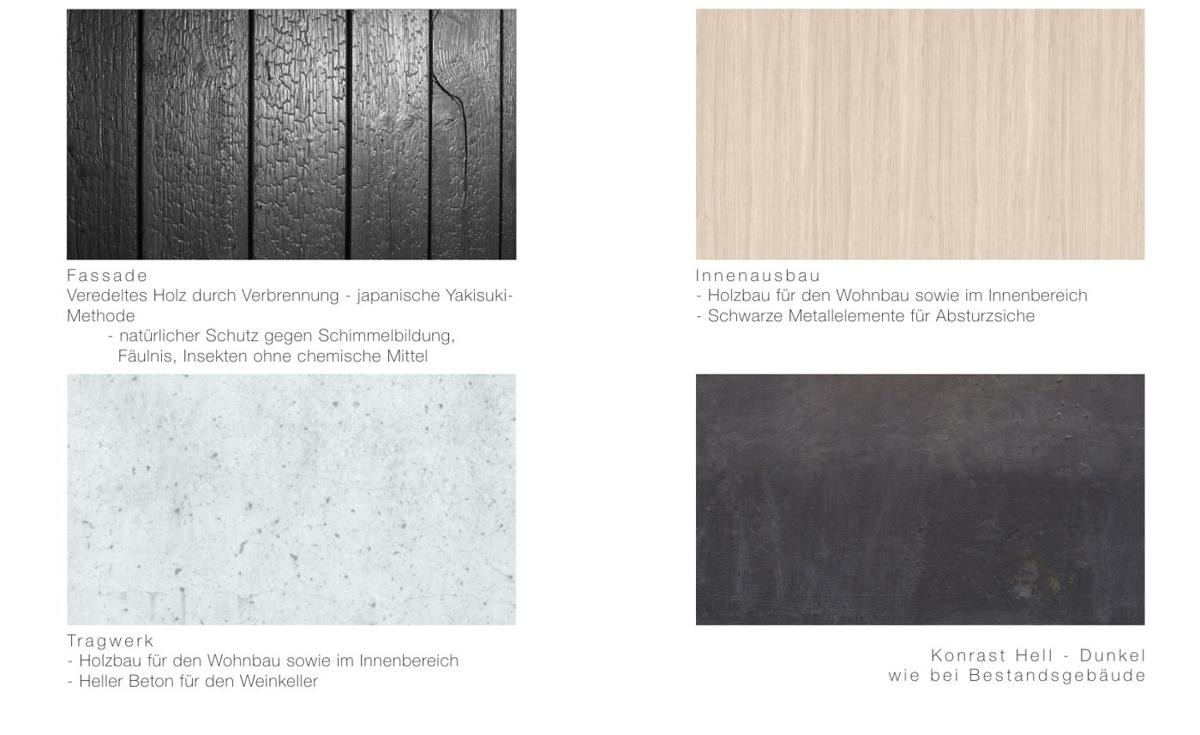
  • Yakisugi-treated wood, light concrete for the cellar
  • Short paths into the vineyard, wide views over the hills

Time to linger

Enjoyment

  • Organic tastings overlooking vineyards and cellar (planned)
  • Suppliers with an eco-label (planned)
  • Blanc de Blancs: white wine, Sekt, grape juice
  • Styrian cuisine and regional produce
  • Quiet walks through vineyards, meadow and orchard

More on the architecture →

With all the senses · 13 hectares

Smell, look, listen: the Zoppelberg

The Zoppelberg is more than a vineyard. Across some 13 hectares, Rieden, meadows, garden, brooks and mixed forest lie close together. Walking here, you notice the landscape with your nose first: every season smells different.

Blossom

Fruit blossom and elder in spring, the delicate scent of vine flowers in June, then oxeye daisies, chicory and lucerne between the rows.

Plants

Grasses and meadow herbs in the cover crop, native juniper along the vineyard edge, a wealth of flowers on the Schmetterlingswiese.

Mushrooms

In late summer and autumn the forest floor smells of mushrooms: parasol, porcini and chanterelles, typical of southern Styria.

Brooks

Batabach and Sulzbach give two Rieden their names. By the water it is cool and damp, with a scent of moss and earth.

Wildlife

Fire salamanders, lizards and roe deer at the forest edge. Above them falcons and buzzards, owls at night. Twelve raptor perches in the vineyard keep the mice in check the natural way.

Garden & forest

An orchard with old varieties such as the Lavanttal banana apple. Sweet chestnut, oak and hornbeam frame the Rieden; after rain the forest smells of leaves and resin.

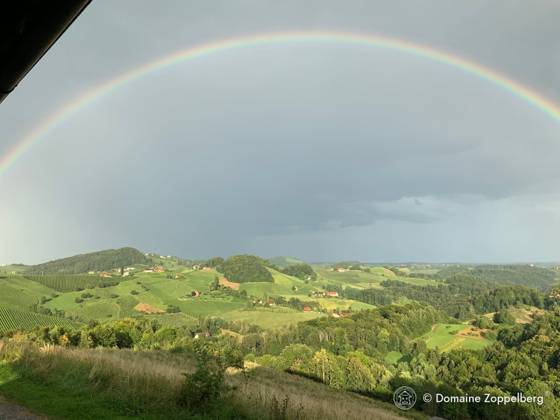
Rainbow over the Sulztal, filmed from the farm
Vine with daisies
Vine with daisies
Lavanttaler Bananenapfel
Young fruit tree at the vineyard edge
Grapes above the cover crop

Comprehensive and true: the organic resort is our vision for the Zoppelberg. Today there is the vineyard, the main house of 1781 and the plans for the new farmstead. We do not currently offer accommodation or food service. The name Bioresort leaves room for both: wine and, later, apartments on the farm. Organic tastings and suppliers with an eco-label are planned, so that “organic” holds beyond the wine as well. We will announce anything new here.

ArchitectureThe new farmstead on top of the Kogel
Planning 2021–2022

The historic main house of 1781 remains the heart of the farm. The new building, with cellar, press house and tasting room, will stand at the top of the vineyard to keep the way into the rows short.
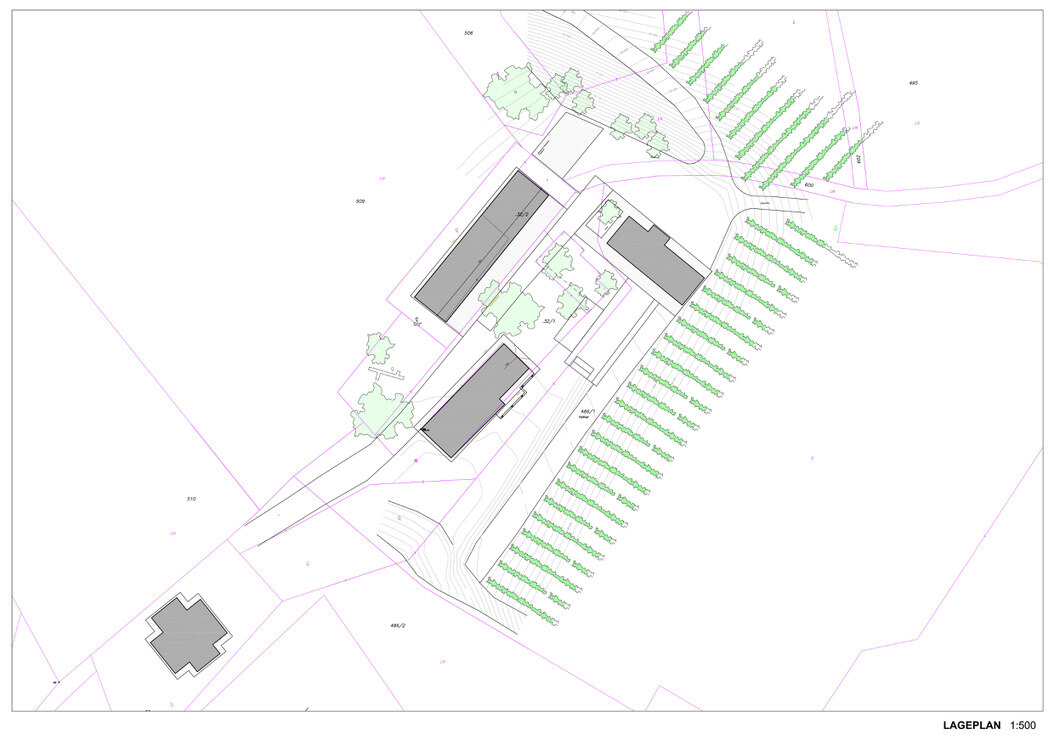
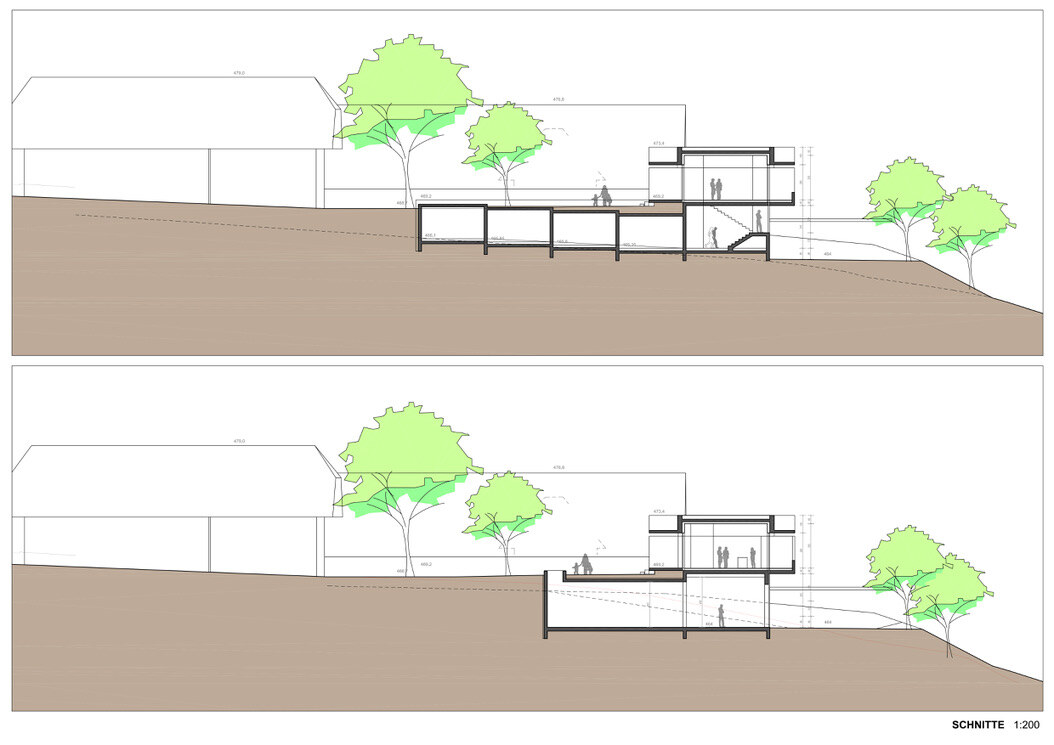
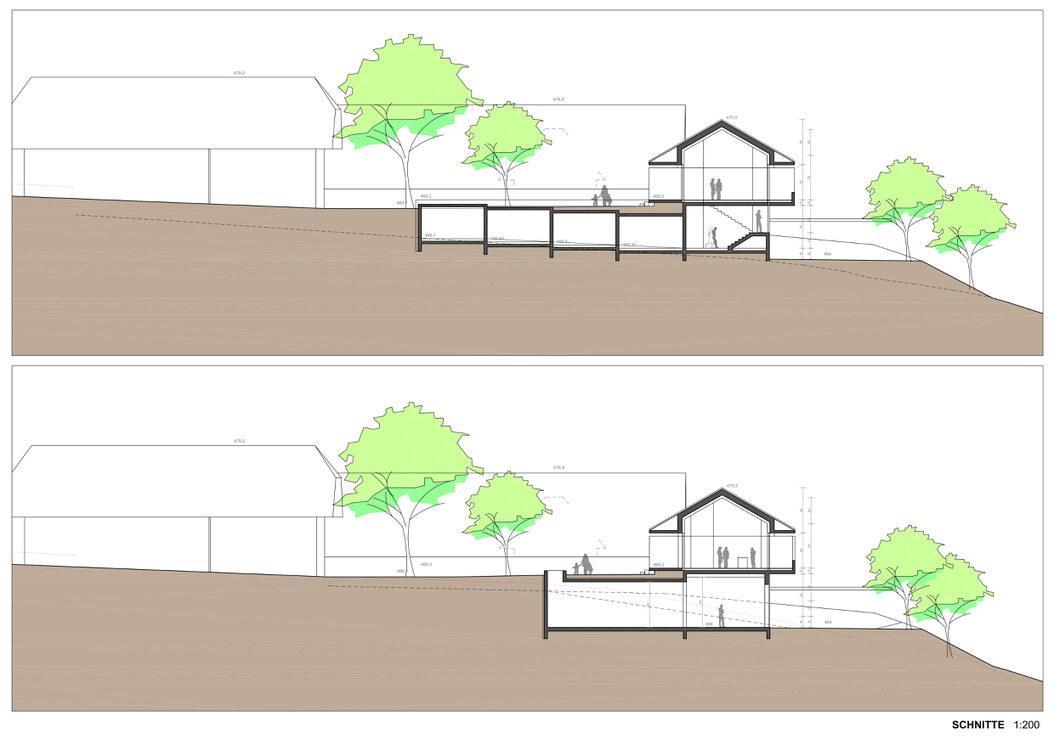
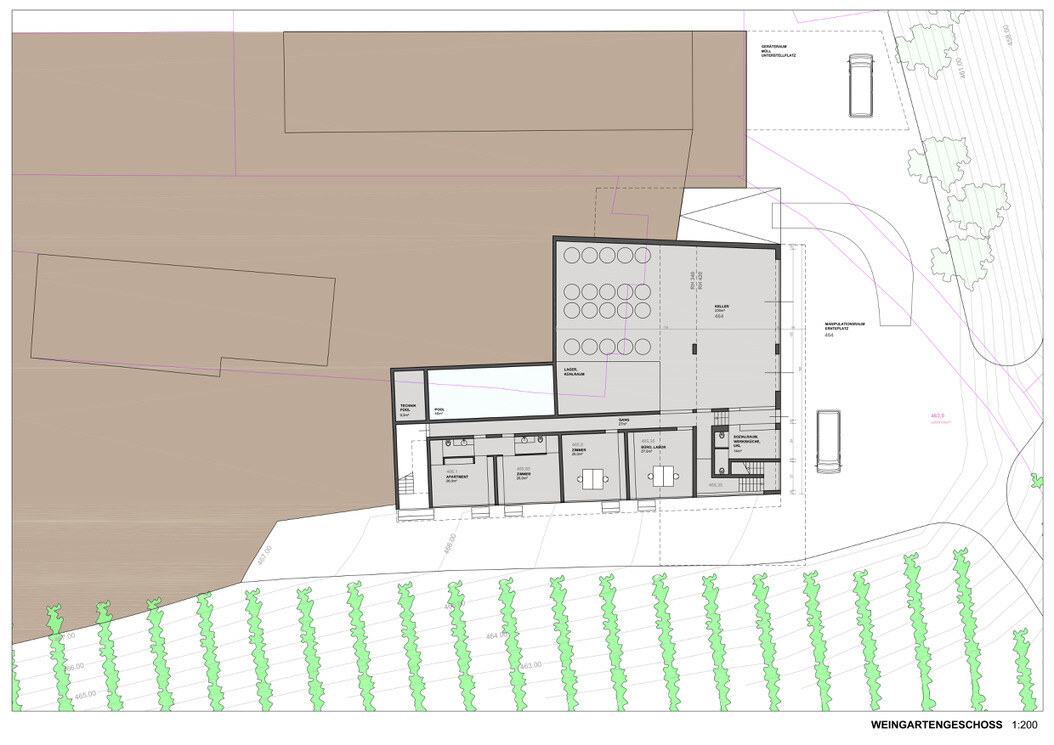
Current plans · site plan, sections, vineyard level
Site plan 1:500
Site plan 1:500
Sections 1:200 · flat roof
Sections 1:200 · gable roof
Vineyard level 1:200 · cellar, storage, rooms
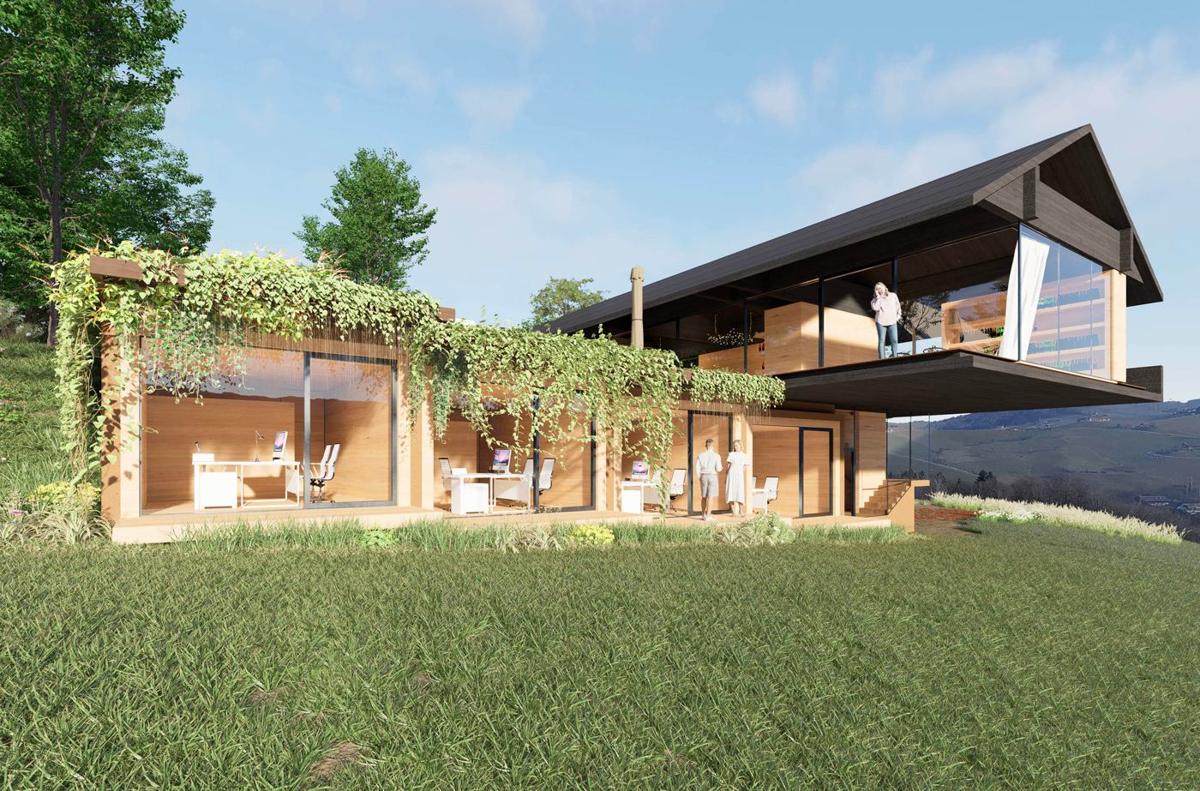
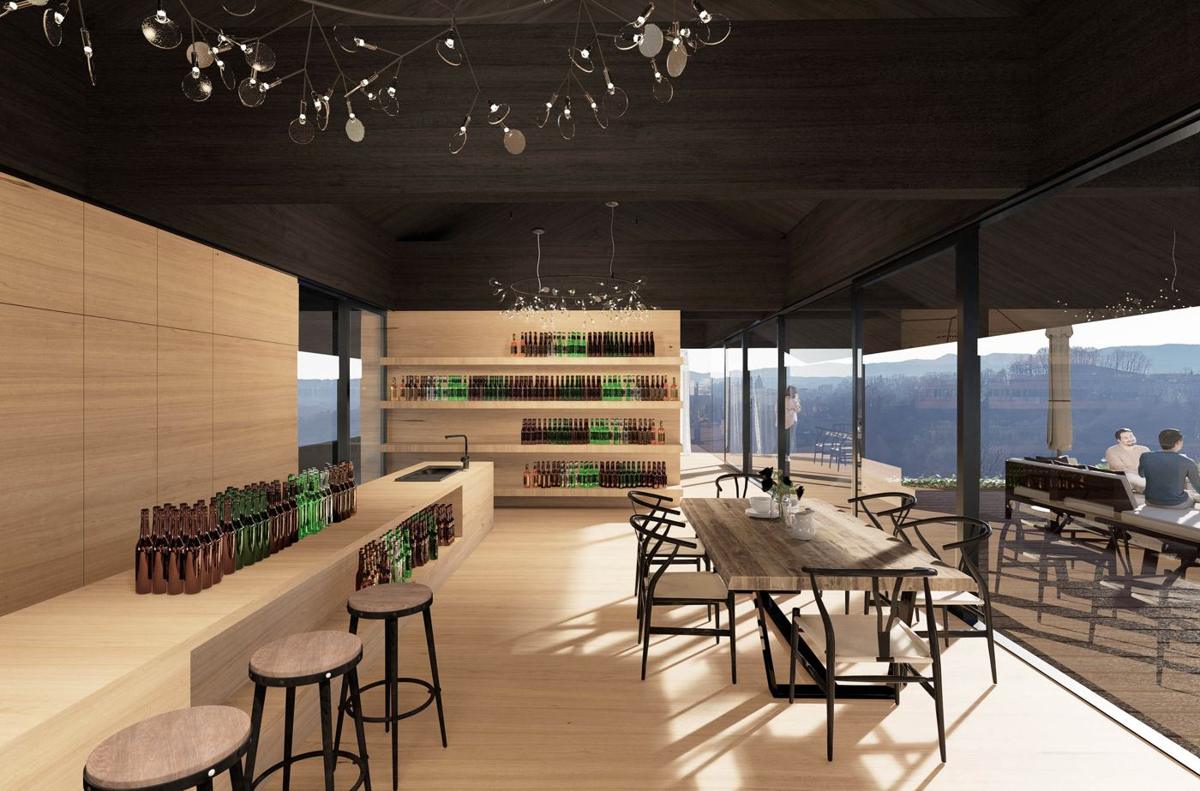
Preliminary design Atelier Thomas Pucher · 2022
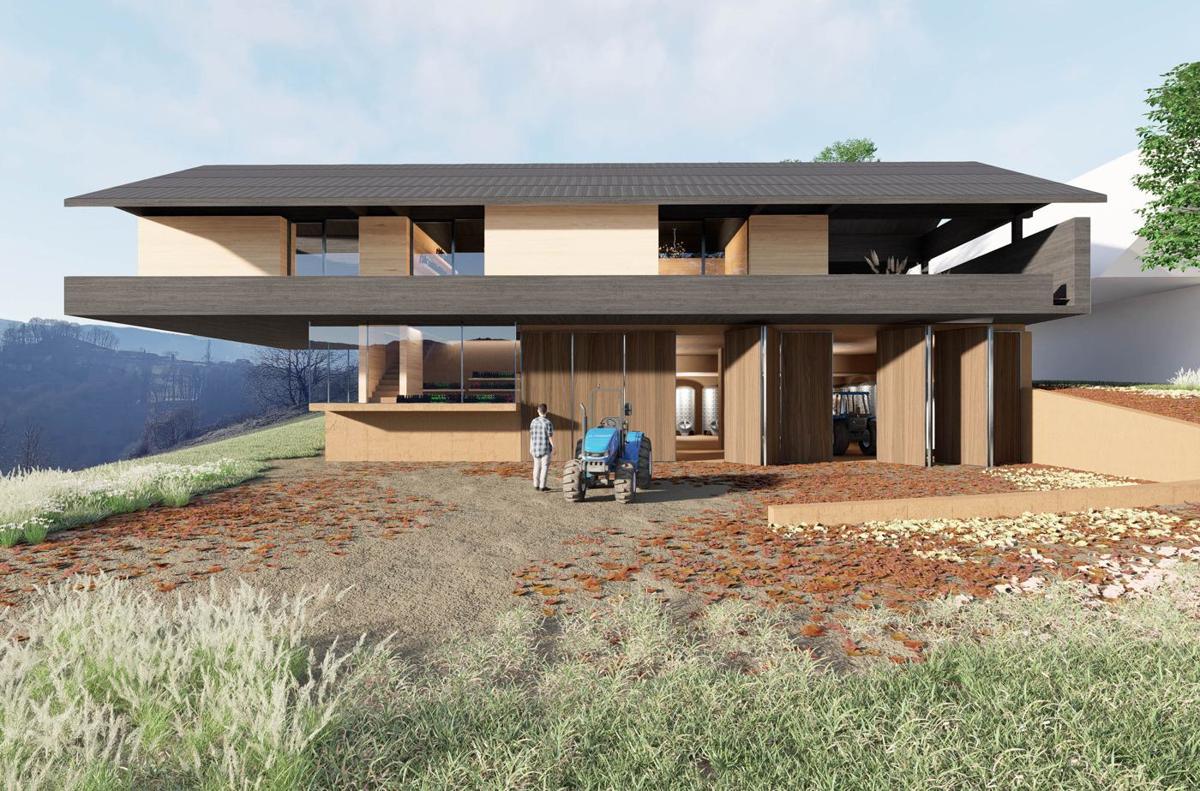
Design: farm building with a wide cantilevered roof above the vineyard
View from the vineyard
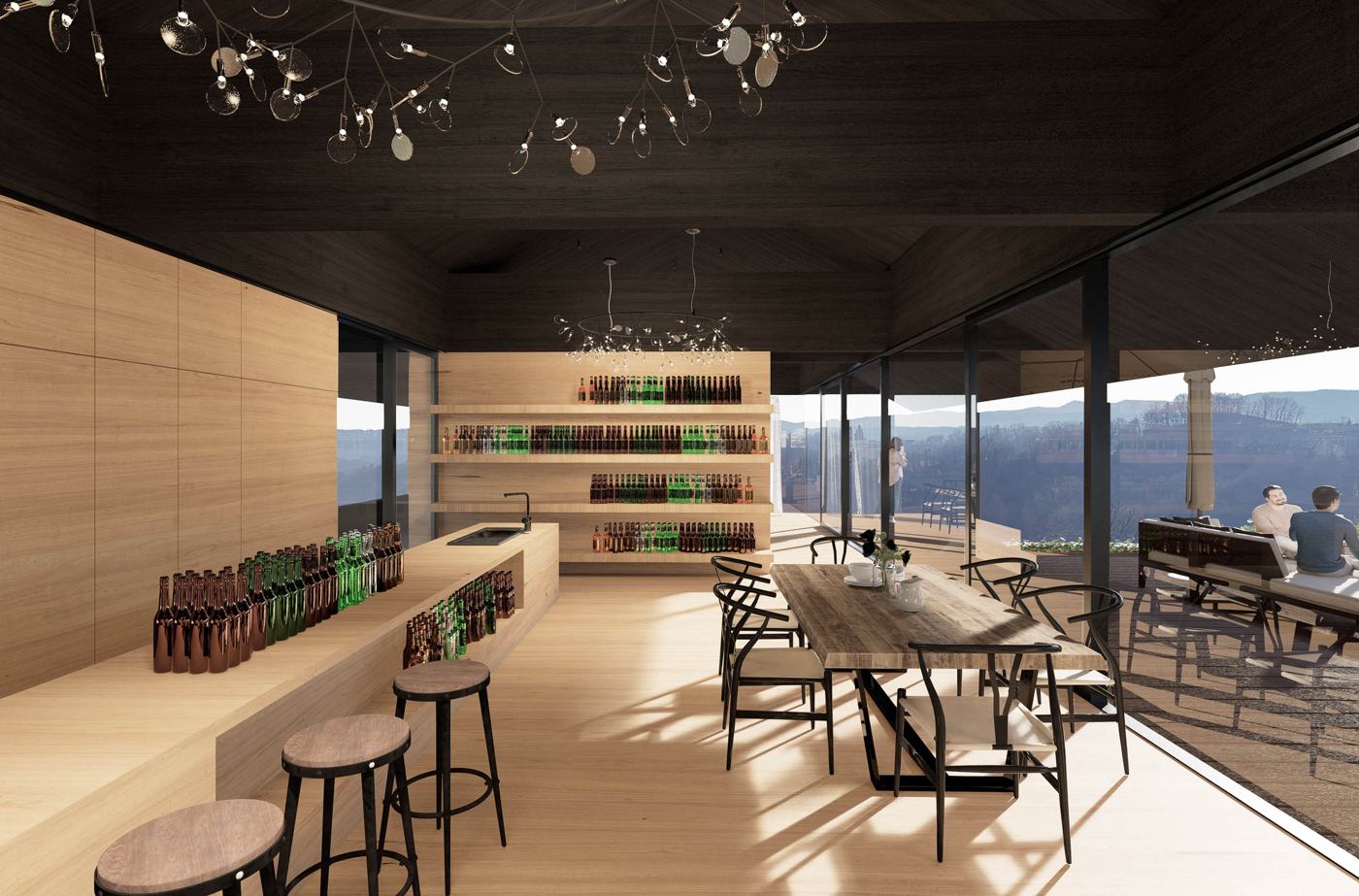
Design: tasting room with wooden shelves and a view of the hills
Tasting room
Design: courtyard view with a tractor in the foreground
Courtyard side
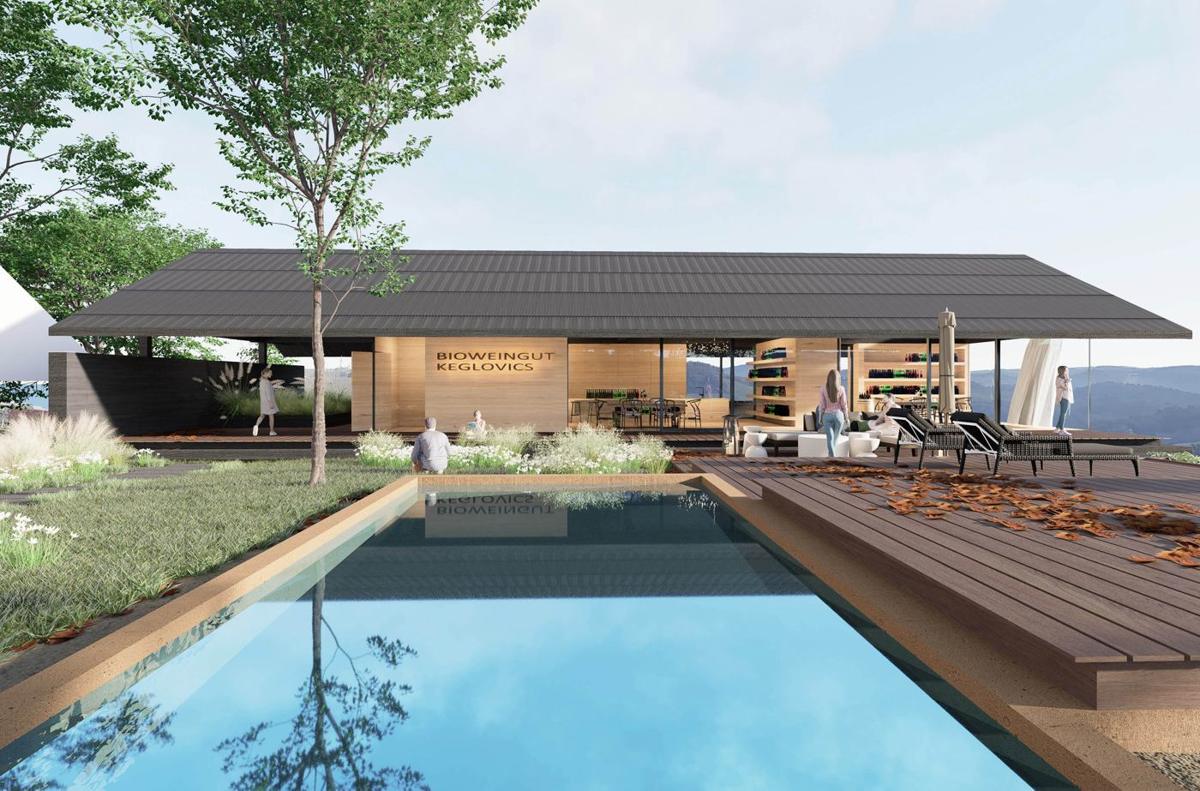
Design: terrace with pool and the Bioweingut Keglovics sign
Terrace
Farm layout today · land survey 2020

Farm layout

The farm today

The land survey shows the farm at Sulztal 37/38 with its existing buildings on plots 32/1 and 32/2, surrounded by a meadow path and vineyards. It was the basis for planning the new farmstead.

Open plan as PDF
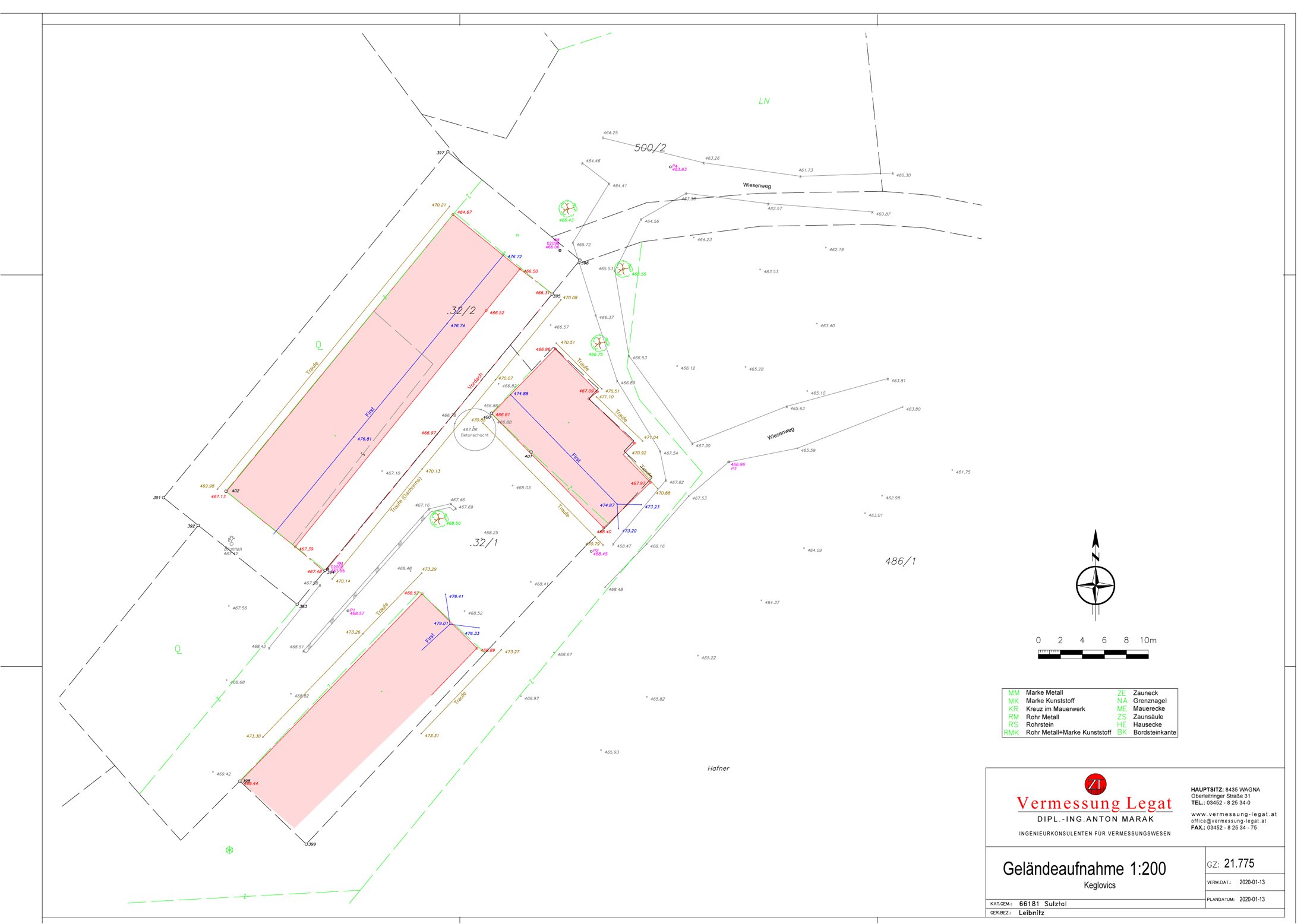
Site survey of the farm at Sulztal 37/38 with existing buildings
Land survey 1:200 · Vermessung Legat, 13 Jan 2020 · cadastral municipality 66181 Sulztal
First preliminary design Tatjana Riedel · 2021

First preliminary design · Tatjana Riedel · 15 July 2021

Dark timber, pale concrete

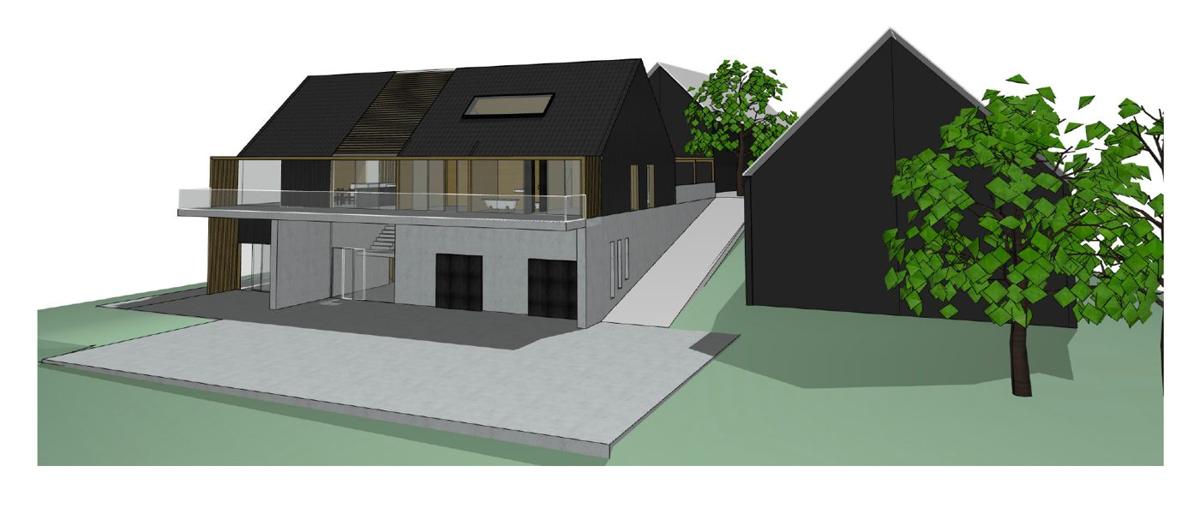
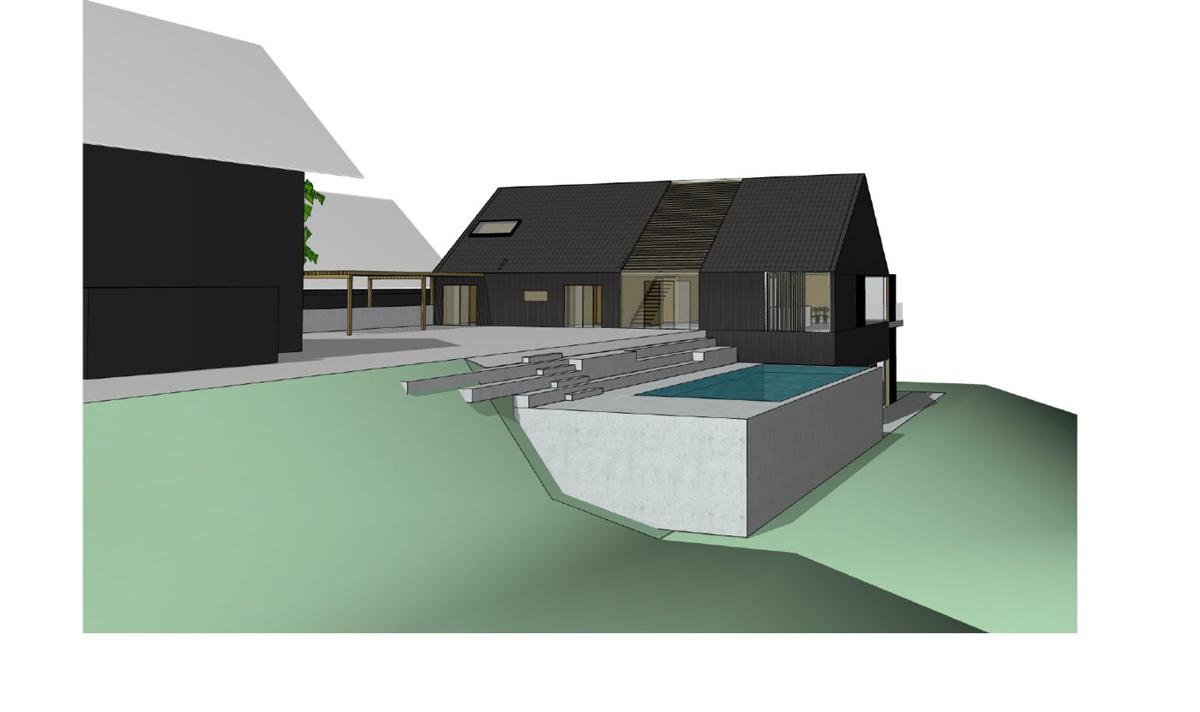
The first design plays on a light–dark contrast taken from the existing building: a house for living and work with pitched roofs and a dark timber façade, the wine cellar in pale concrete set into the slope, and a terrace and pool looking over the vineyards.
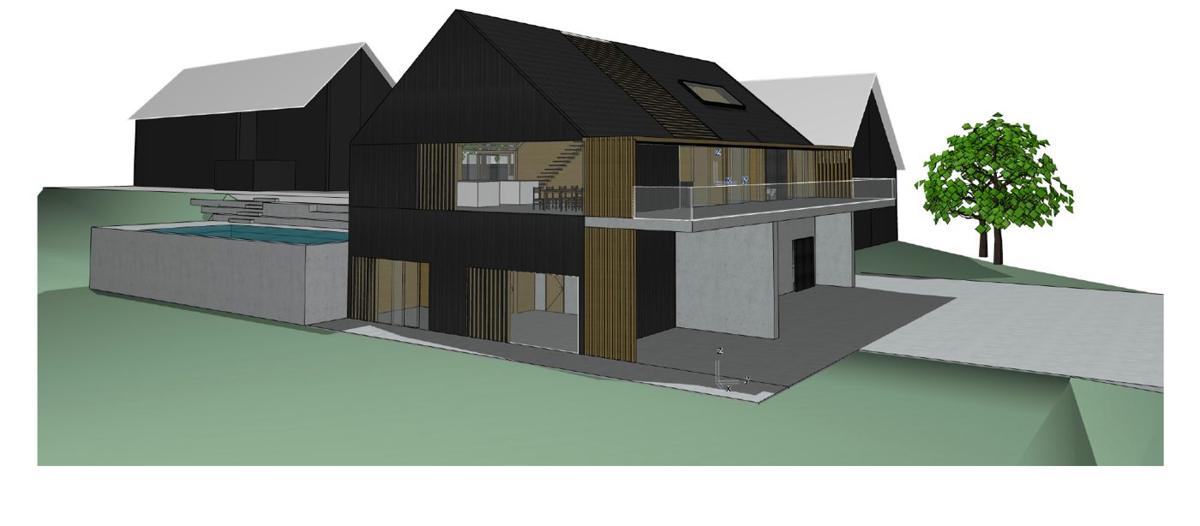
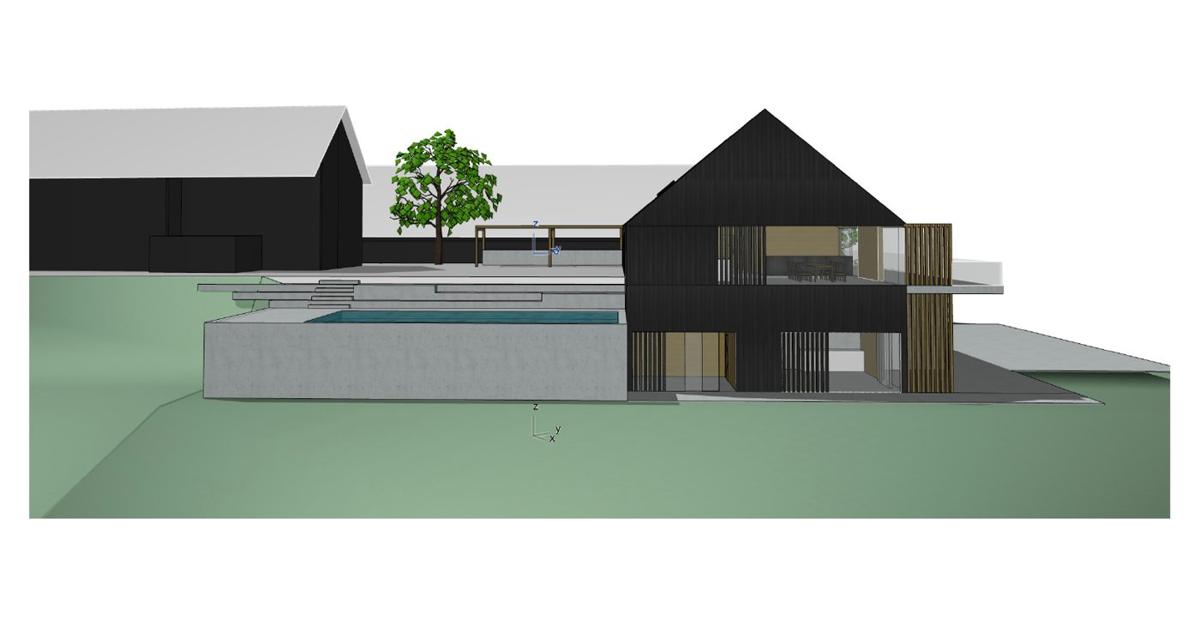
View from the valley side
Courtyard side with pool
Terrace and driveway
Wine cellar in the slope
Materials & floor plan
Façade

Timber refined by charring with the Japanese yakisugi method: natural protection against mould, rot and insects without chemicals.

Structure

Timber for living areas and interiors, pale concrete for the wine cellar.

Interior

Timber with black metal elements for railings.

Concept

Light–dark contrast, taken from the existing building.
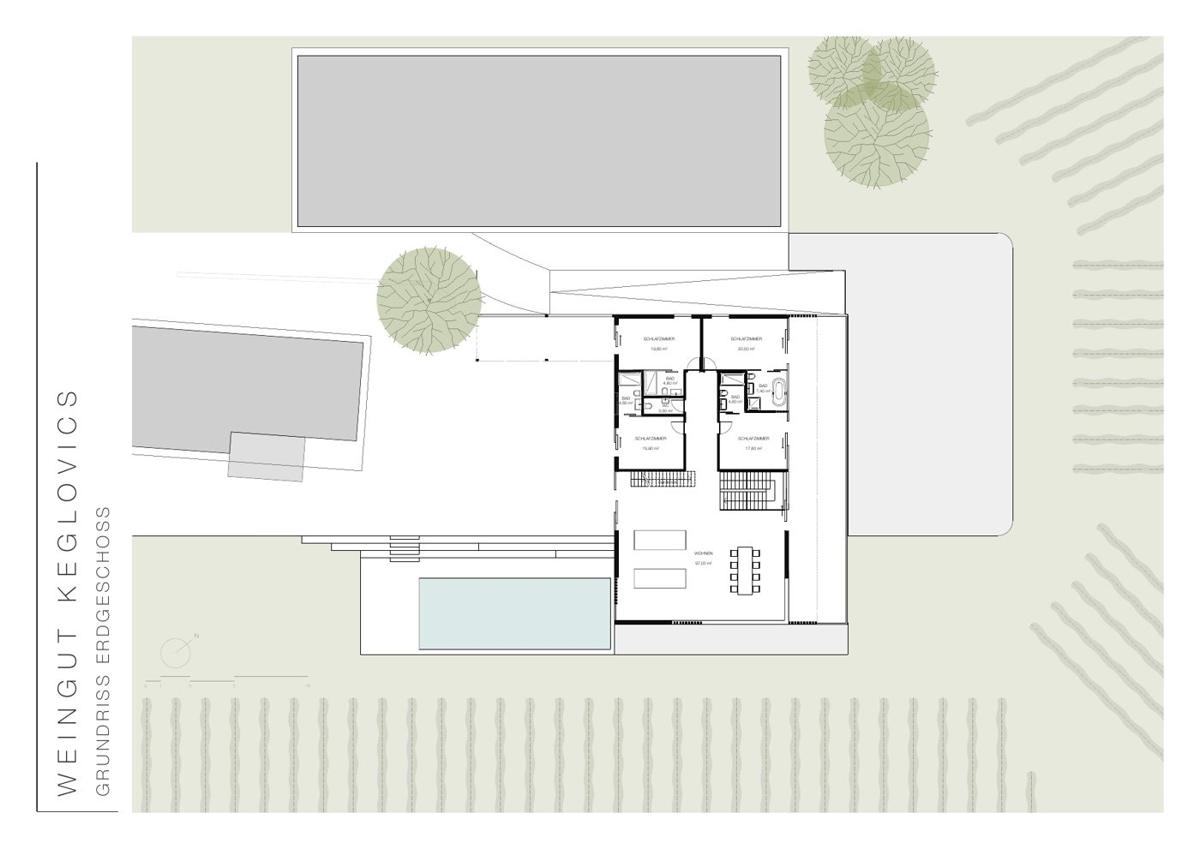
Ground floor plan
Ground floor plan
Materials
Materials

Planning continued in 2022 with the preliminary design by Atelier Thomas Pucher (above).

The building site today · video

The building site today

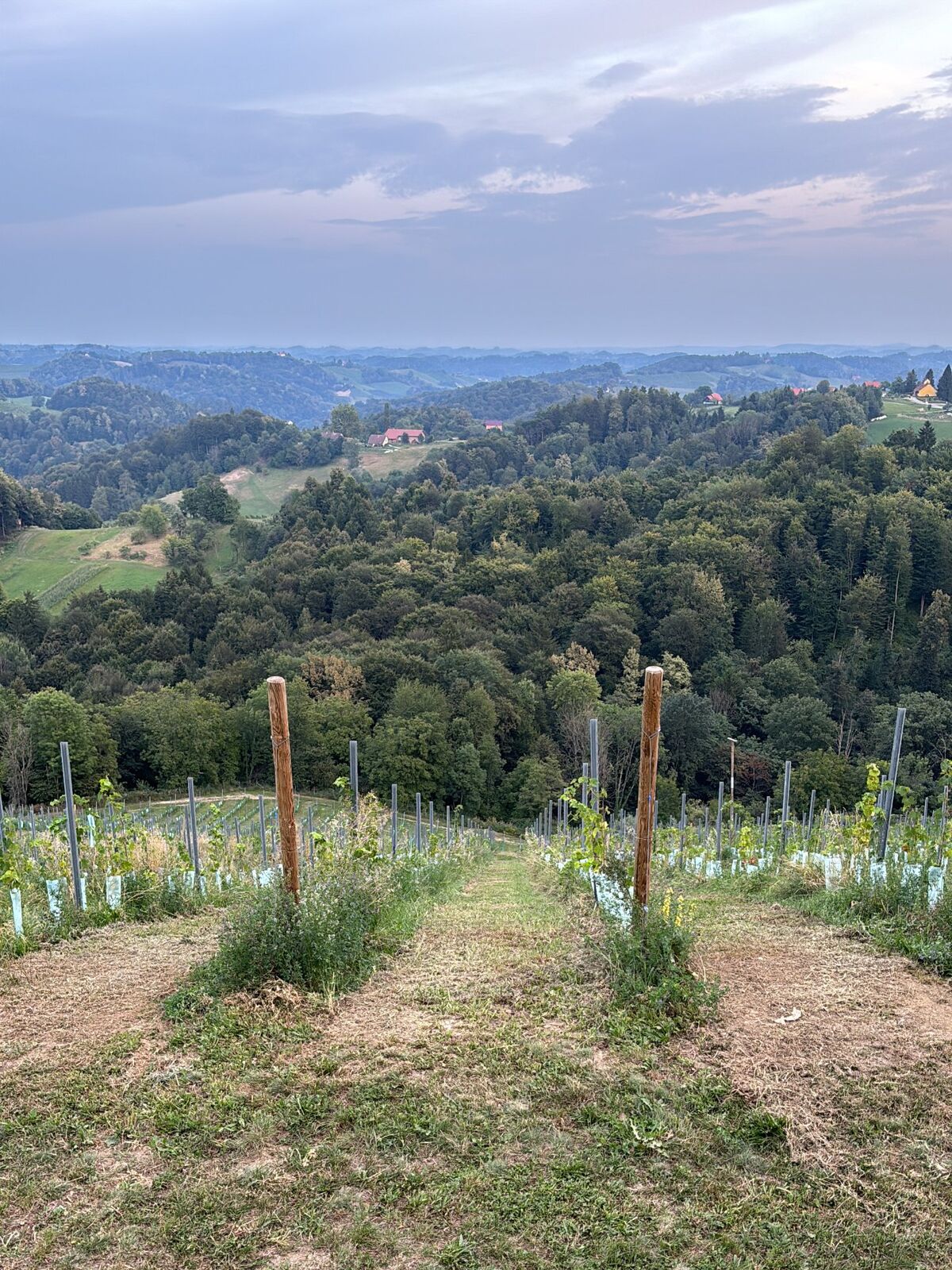
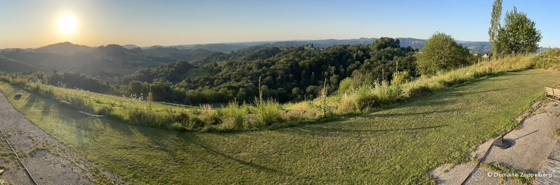
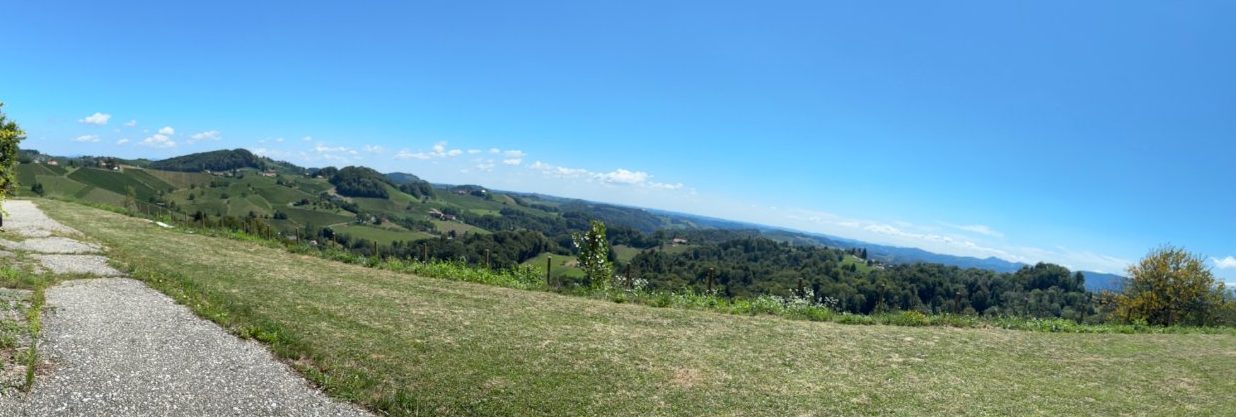
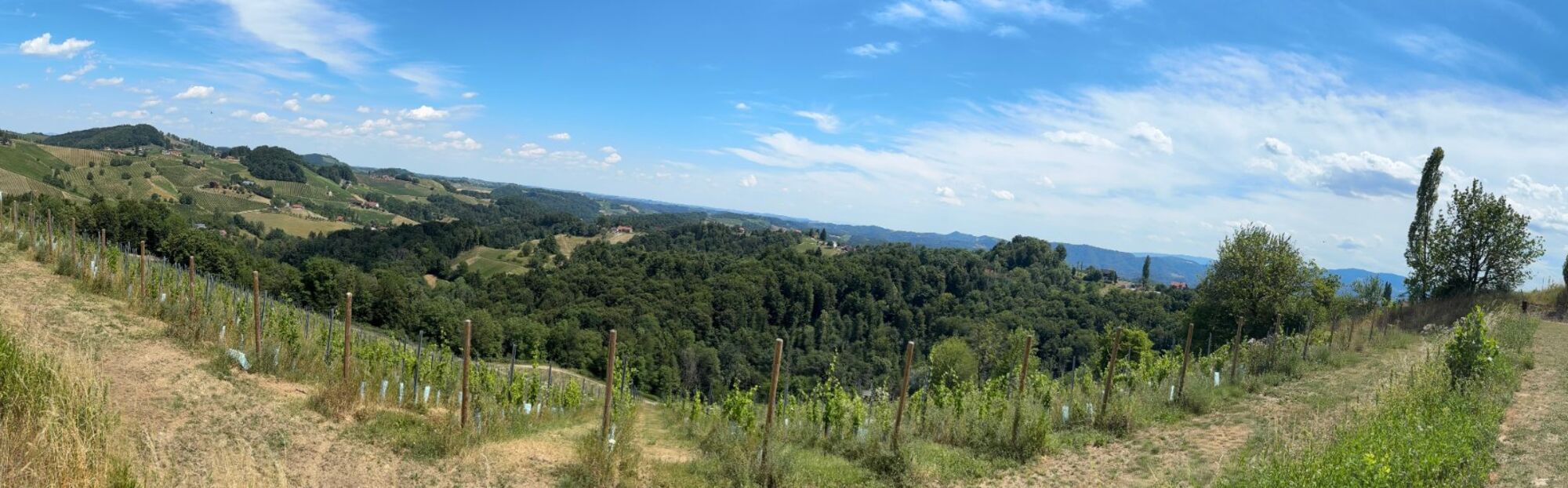
A panorama from the top of the Kogel, where the new farmstead is planned: across the vineyard and out over the hills of Southern Styria.

Panorama from the building site

Gallery & Press

123 photos

For press, partners and everyone writing about us: the photos may be used with credit.
Evening walk through the young vineyard · video
Young vineyard in summer, panorama
Young vineyard in the evening
First grapes among the lucerne
Vine row down to the woods
Green path along the young vineyard
End post under blue sky
End post and young vines
Spring with blossoming trees
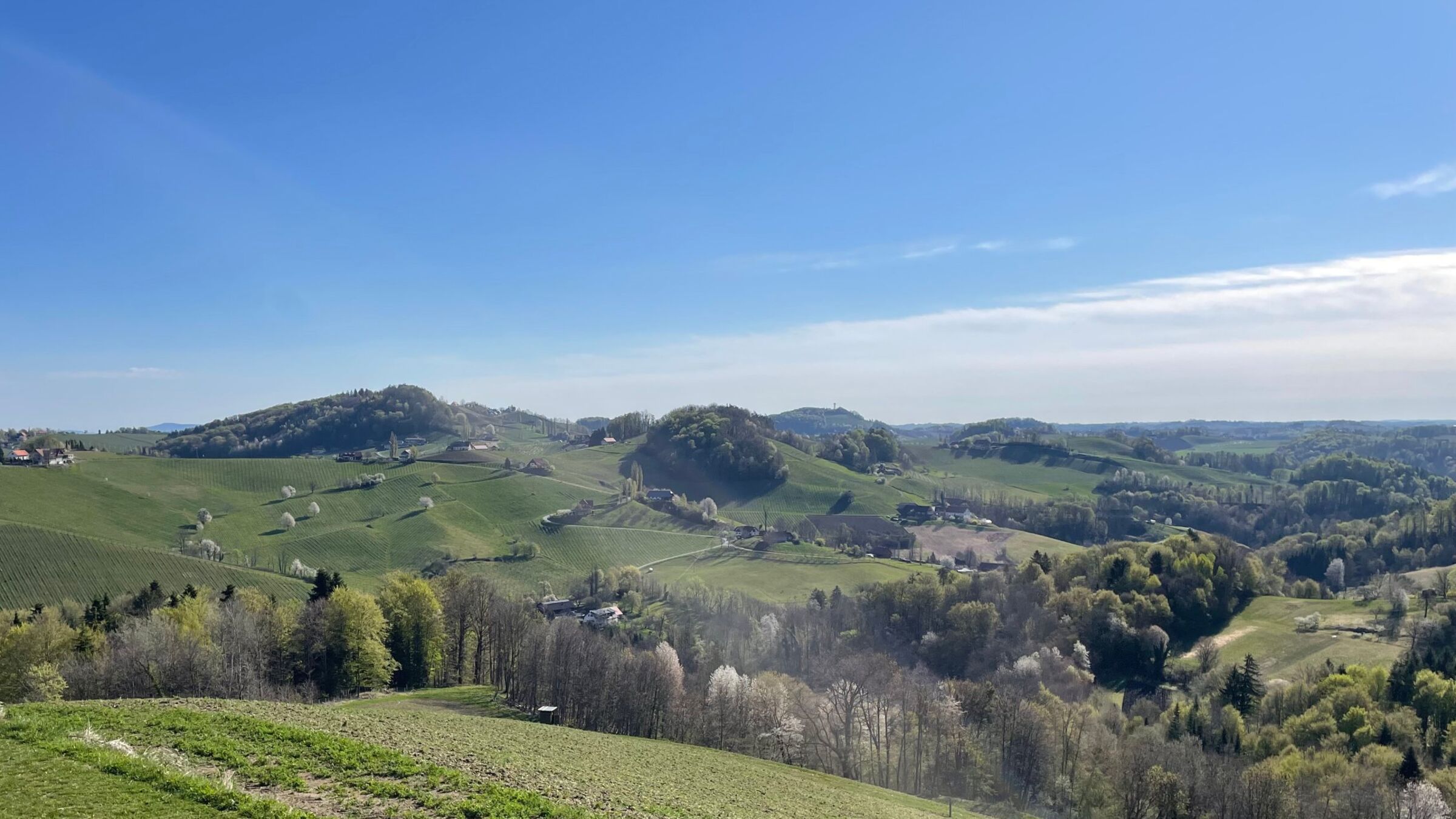
Spring panorama from the farm
Cherry trees in blossom in the valley
Summer meadow above the wine hills
Sunset over the vineyards
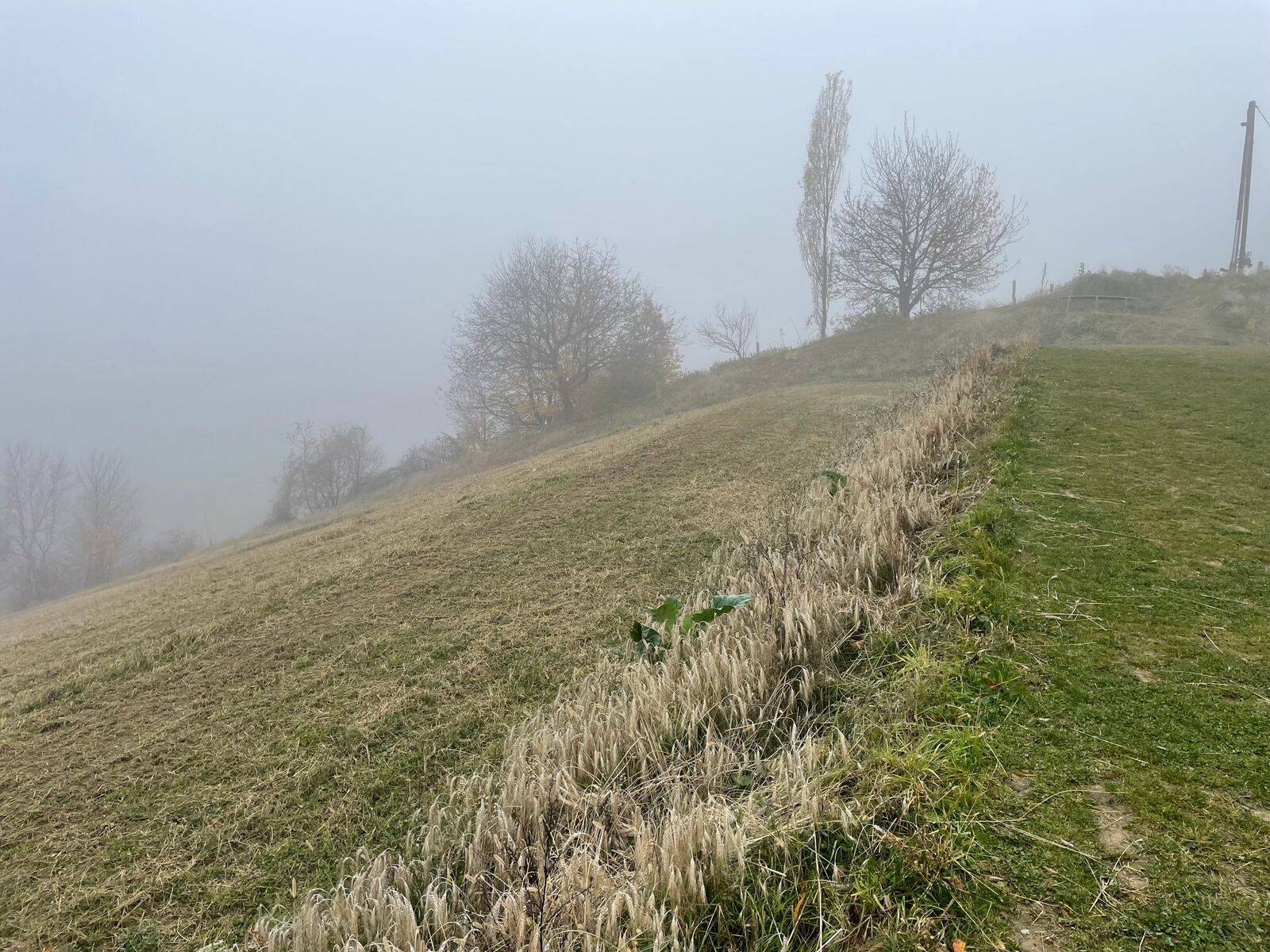
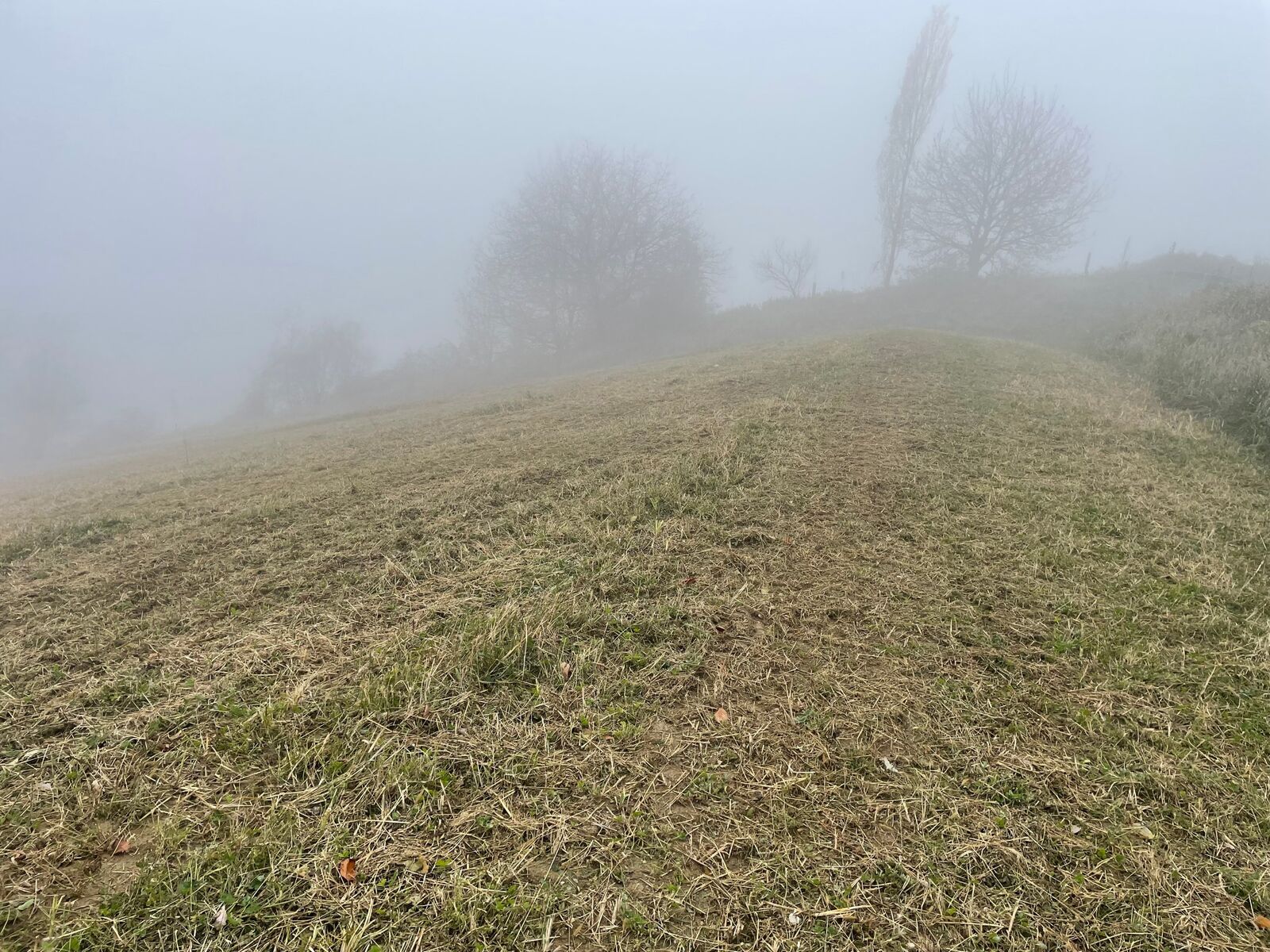
Oat strip in the autumn mist
Green-covered slope in the mist
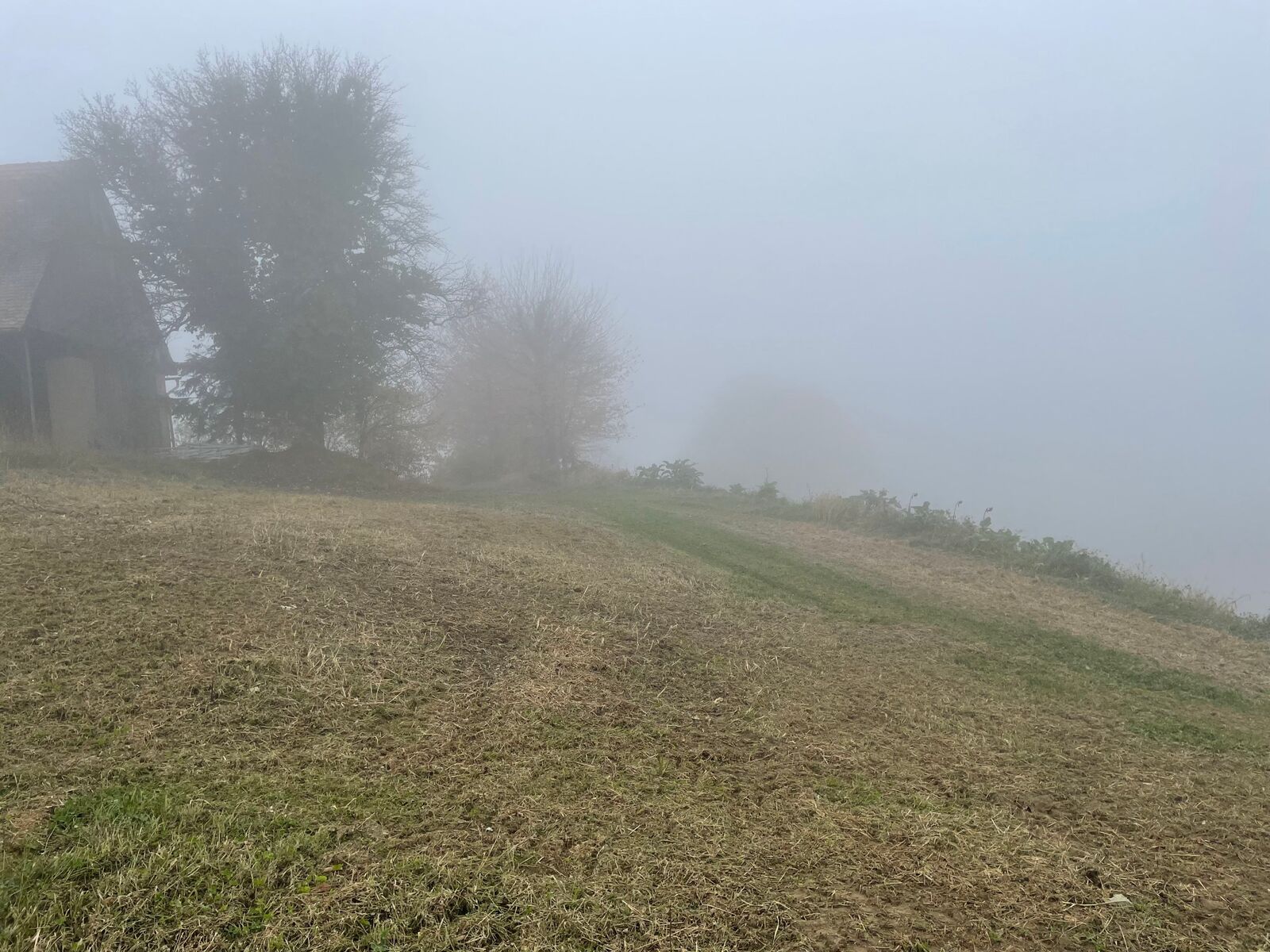
Barn and slope edge in the mist
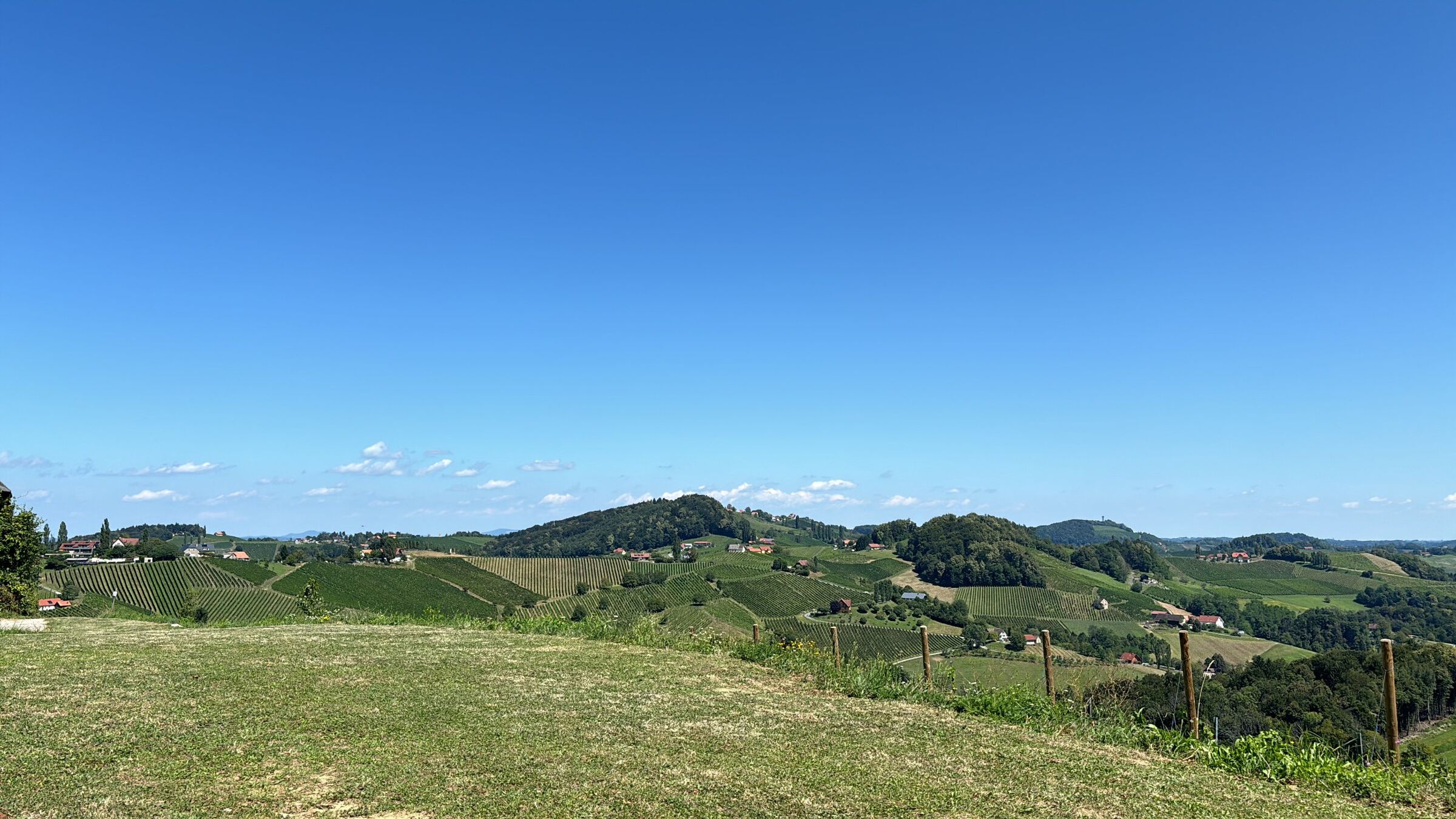
Summer view over the wine hills
Summer panorama from the farm
Slope edge with poplar in summer
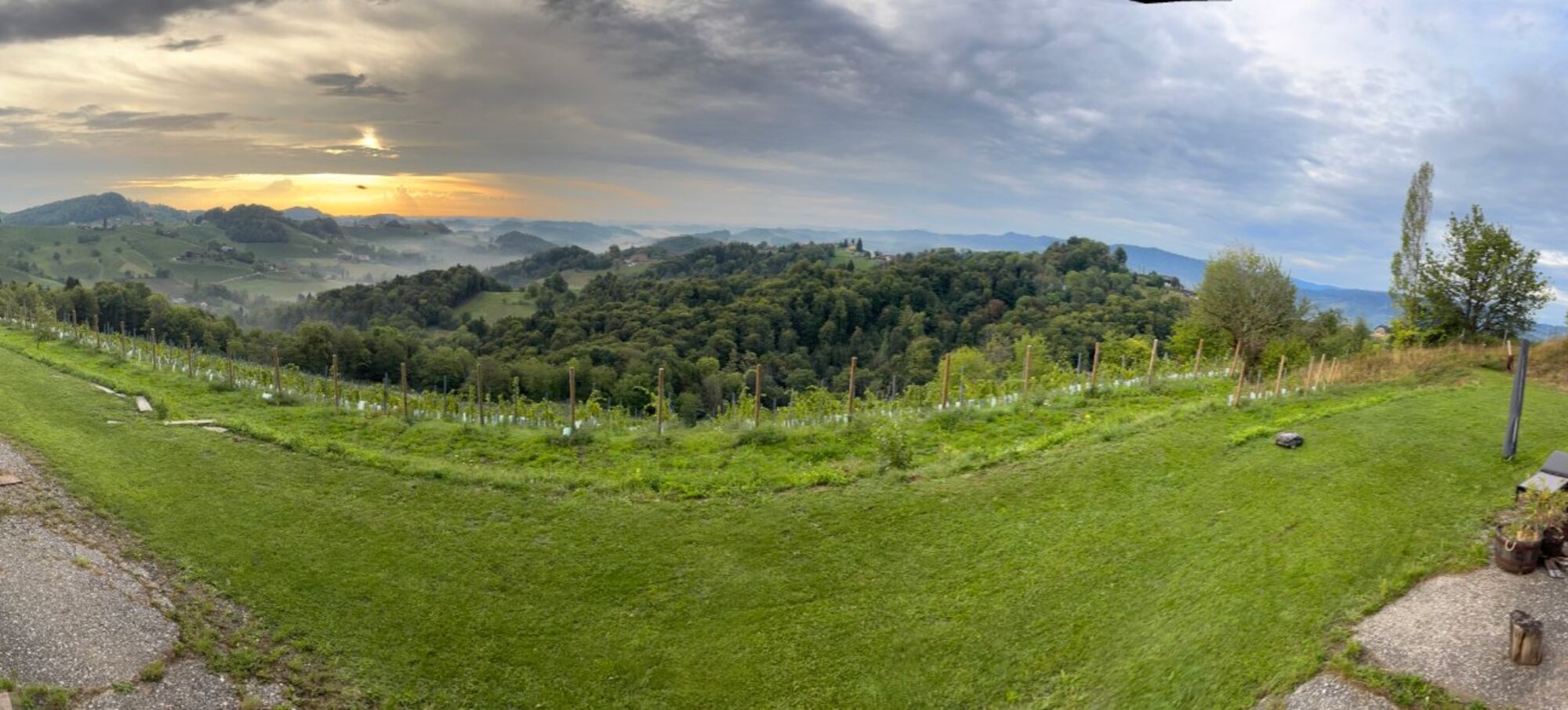
Sunrise above the mist
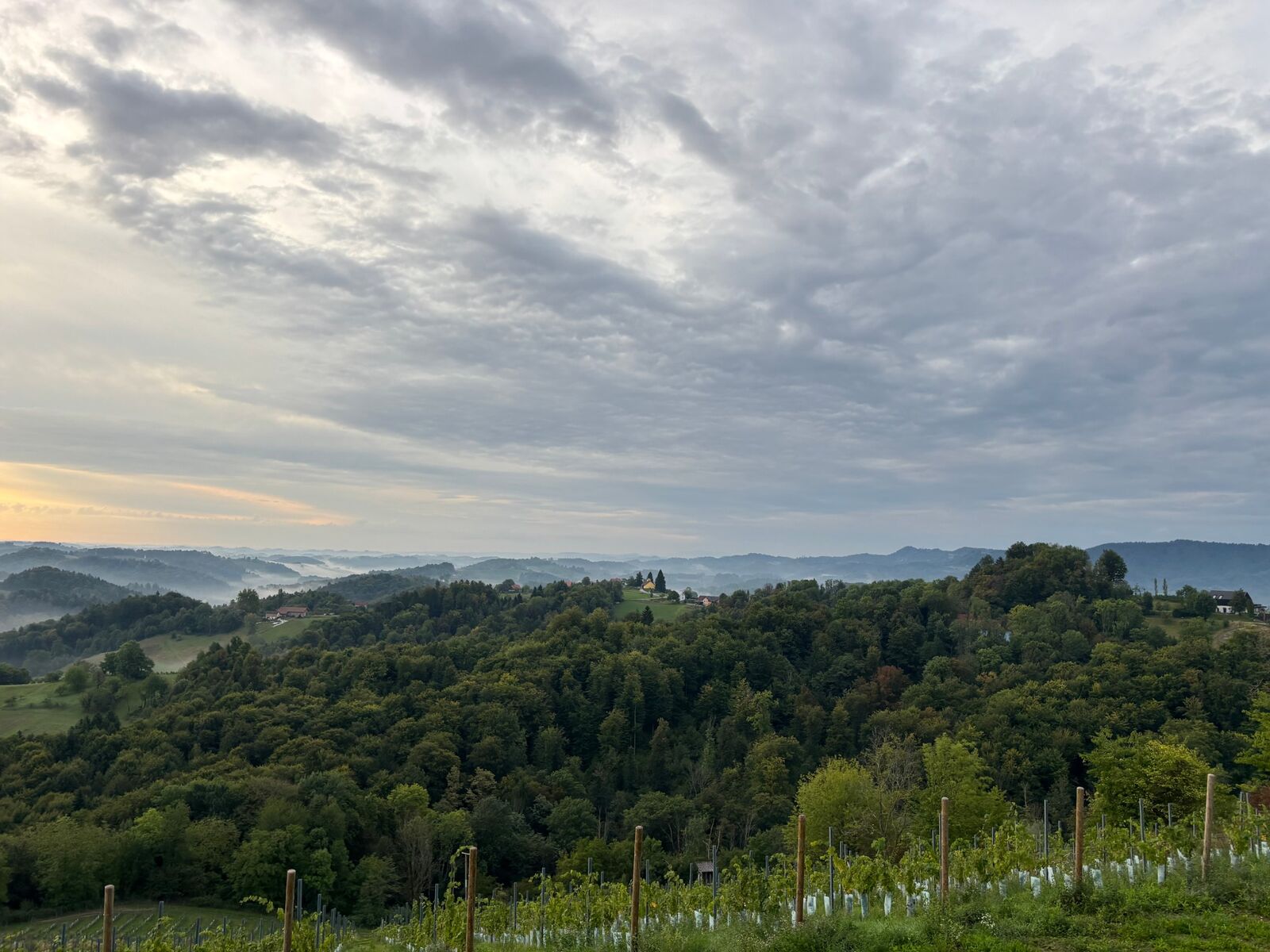
Morning mist over the woods
Evening light over the wine hills
Morning panorama from the farm
Young vineyard in the morning mist
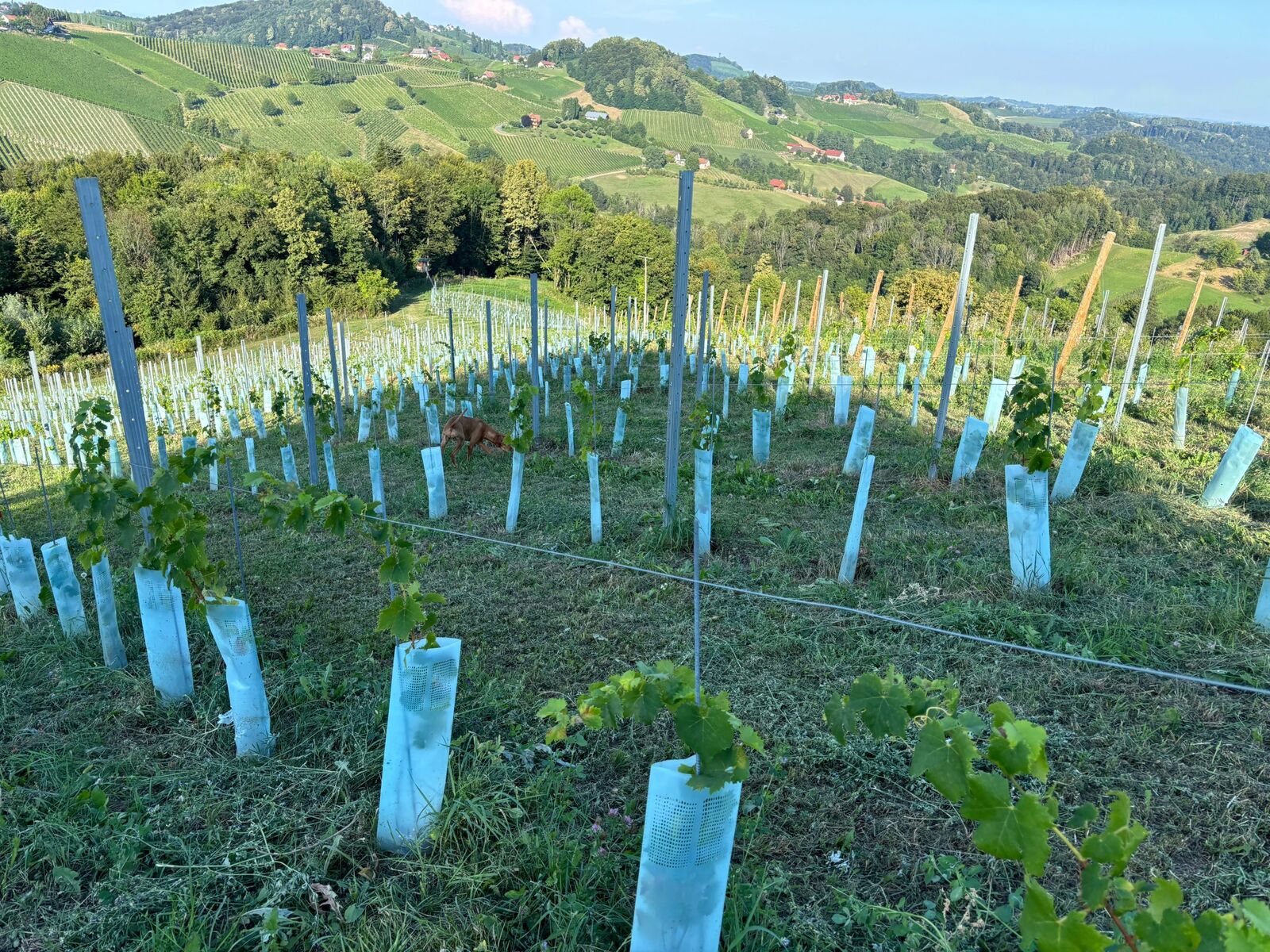
Young vineyard in summer, with cover crop
Grapes in summer
Grapes in summer
Autumn on the Kogel
Autumn on the Kogel
Autumn panorama from the farm
Poplars in autumn light
Blue hour over the Zoppelberg
Scarp of the landslide
Drainage gravel for the slope
The Zoppelberg during drainage works
Excavator and Kolar dozer
Stones from the ancient sea at the forest edge
Limestone blocks from the slope
Earthworks on the slope: loam and marl
Rock and marl exposed in the slope
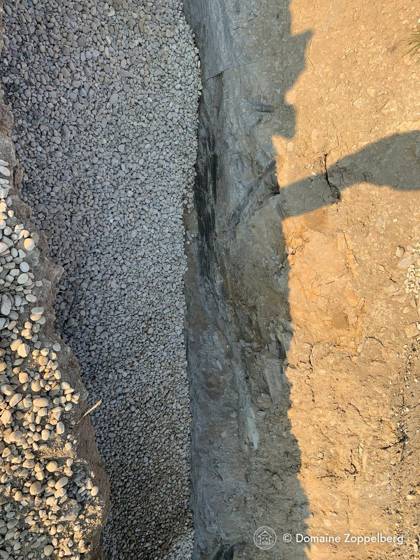
Opok layers in the drainage trench
The green slope after the restoration
Drainage pipe in autumn
Drainage shaft in the mist
The reshaped slope in autumn mist
Excavators on the slope during earthworks
Sunrise over a sea of fog
Slope restoration
Slope restoration
Excavator in the autumn fog
Excavator on the Kogel above the wine country
Farm buildings during the reshaping
Winter: view over the snowy vineyards
Main house above the reshaped slope
The Kogel after reshaping
Green oats looking over the hills
Oats sown below the main house
View from the Kogel to the vineyards
The Kogel in oats, seen from across the valley
Oats below the main house – Zobe, the oat hill
Oats with sunflowers
Lucerne as the first cover crop
Fallow in winter, the deer fence all around
Grafted vines at their stakes, lucerne in between
First shoots after planting
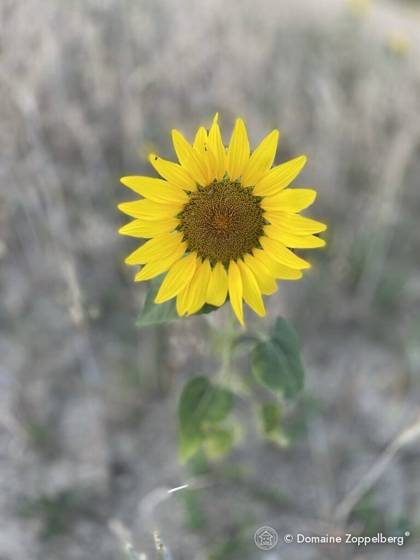
Sunflower
Sunflower
Evening cloud over the Sulztal
Winter on the Kogel looking over the hills
Planting in the morning mist
Preparing the soil with the special tractor
Planting row by row
Planting row by row
The next generation setting steel stakes
Cover crop on the steep slope
Vine guards above the Sulztal
Young vine with bird’s-foot trefoil
Sunrise over Sulztal
Red evening sky over the vineyards
Vine leaf against the light
Morning mist over Sulztal
Evening sun over the Sulztal
Blue hour over the main house
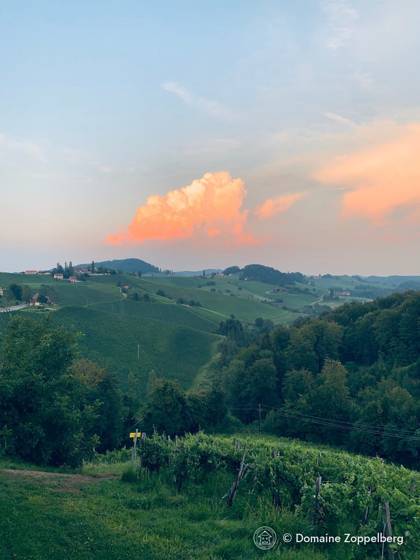
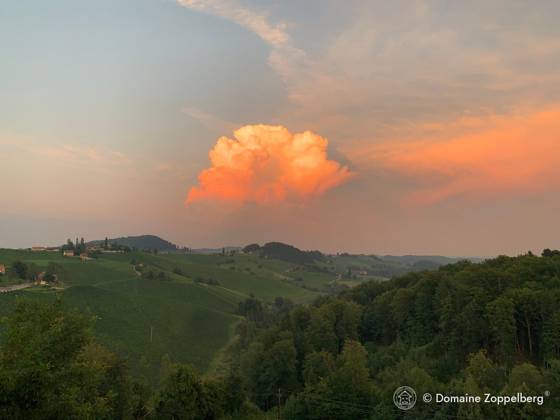
Glowing cloud over the Sulztal
Double rainbow over the Sulztal
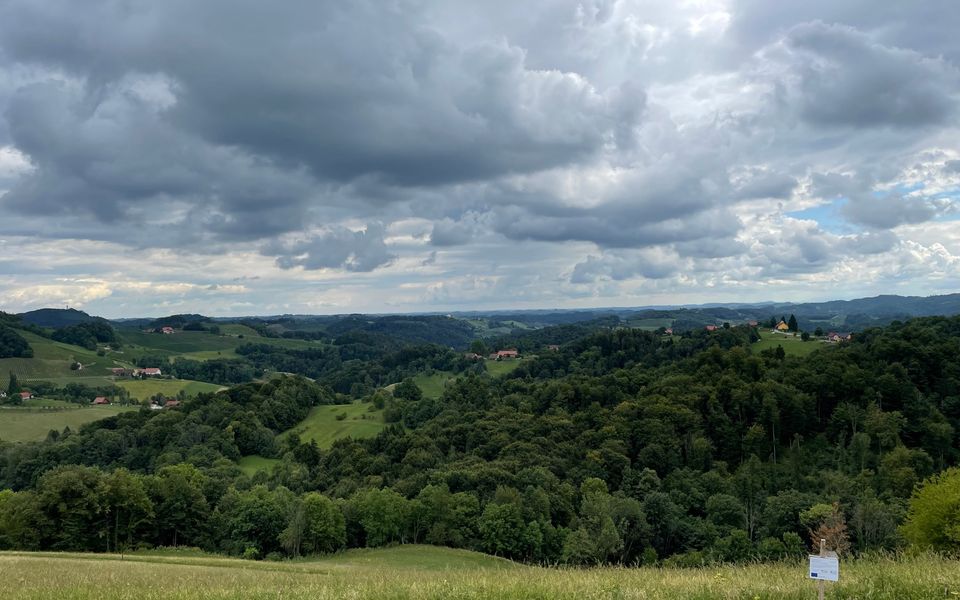
View over Southern Styria
Budburst in the young vineyard
Young vineyard below the farm
Rows with wooden posts, view over the Sulztal
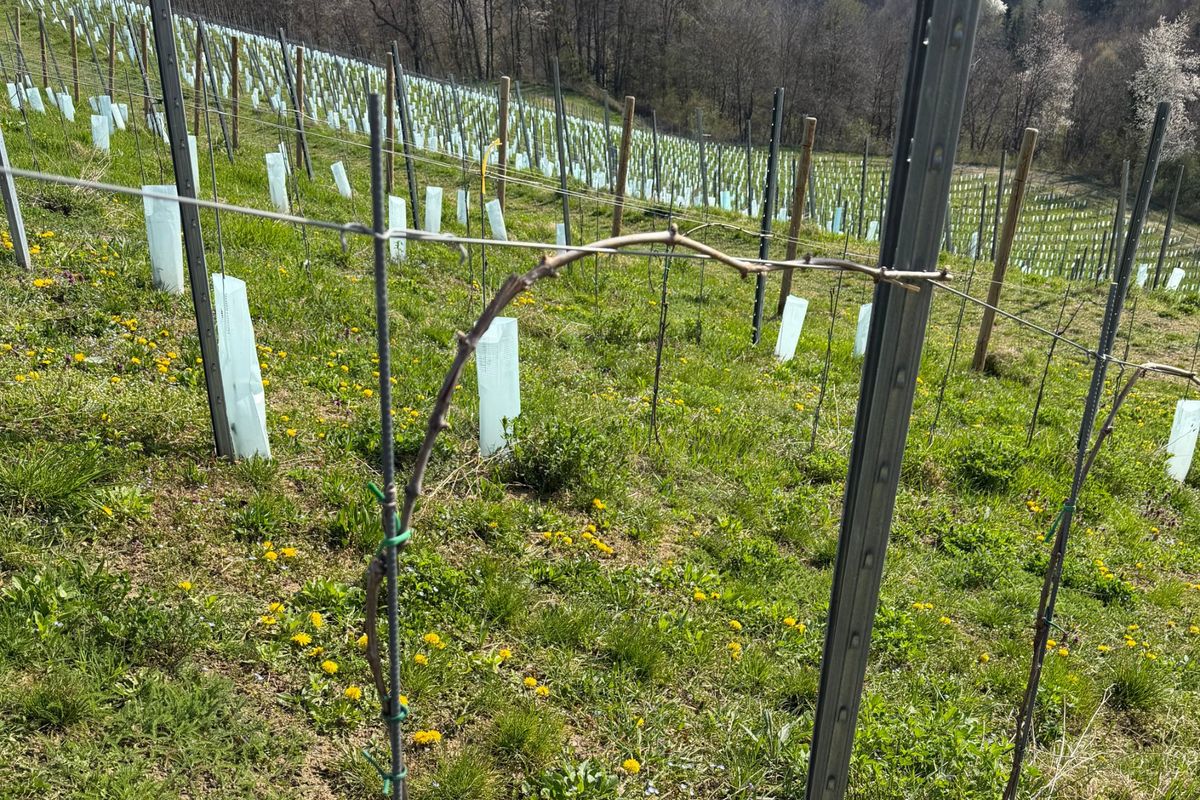
Arched fruiting cane above the Sulztal
Budbreak below the main house
The bud opens
The bud opens
A bud at budbreak
A bud at budbreak
Young vineyard in spring with dandelions
Young shoots at the stake
The young vineyard up to the farm
Young grapes and meadow flowers
The first grapes on a young vine
Morning light over the Sulztal
Posts and wires above Sulztal
Budburst
Budburst
Flower cluster
Flower cluster
Vine with daisies
Vine with daisies
Up to the farmhouse
Up to the farmhouse
Evening light
Evening light
Grapes above cover crop
Bunches in the leaves
Autumn on the Zoppelberg
Ried Zoppelberg · Batabach · Sauvignon Blanc · SSO
Autumn: young vineyard and the coloured mixed forest
Autumn: hedge, vine rows and rolling hills
Autumn panorama in the sun
The main house of 1781 in the autumn sun
Autumn forest below the young vineyard
Panorama over the young vineyard into the Sulztal
Young vines below the main house
Evening light over the young vineyard on the steep slope
Vineyards and hills in summer
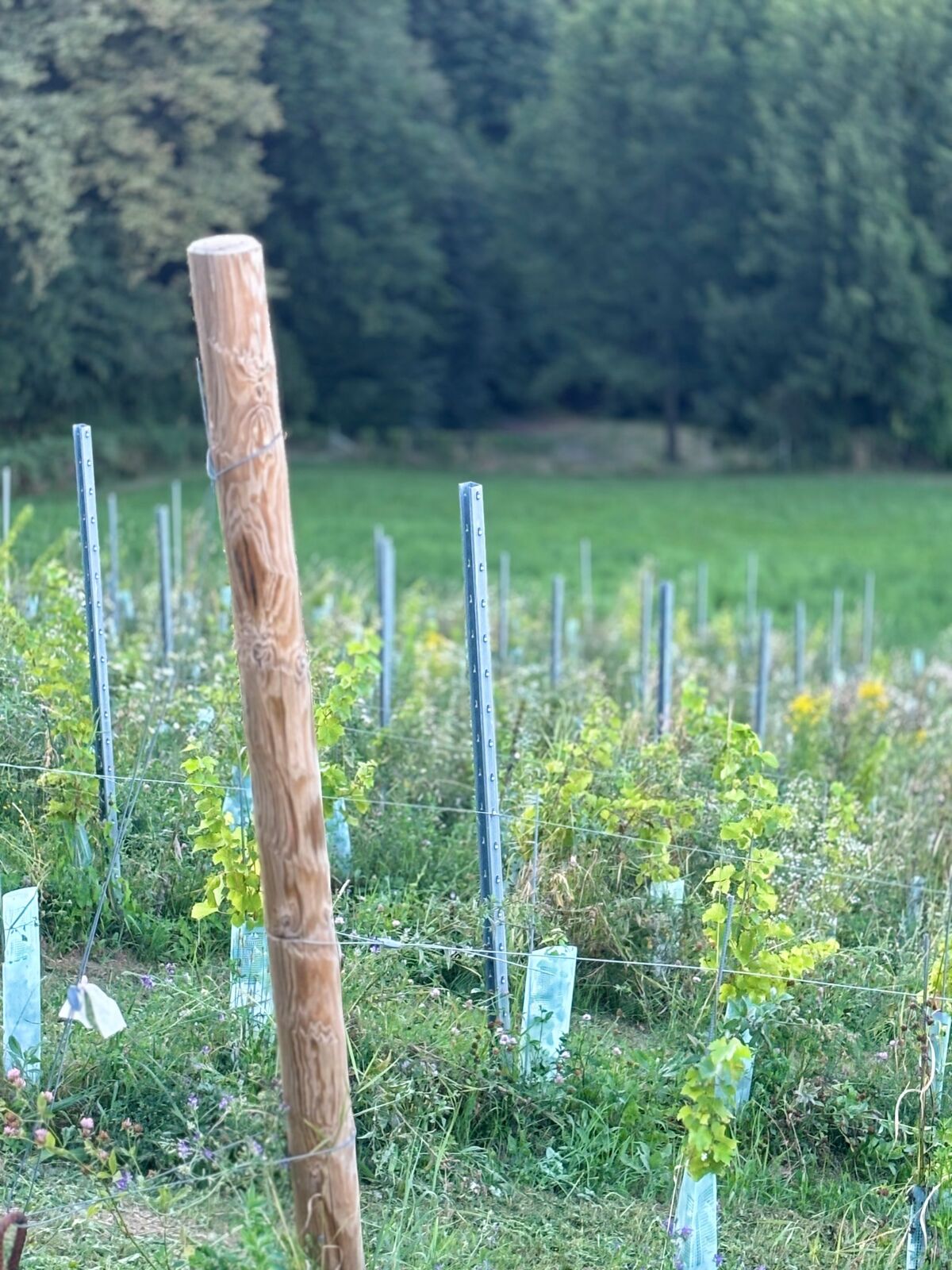
Wooden post and young vines among wildflowers
Young vine on its stake in summer
The steep slope up to the farm
Vine leaves on the stake
Vines on the slope, still from video
Vineyards under summer clouds, still from video
Wide view over the hills, still from video
Meadow at the edge of the slope with young vines and a view of the hills
Trees and poplars at the edge of the farm in summer
Panorama from the farm over the hills
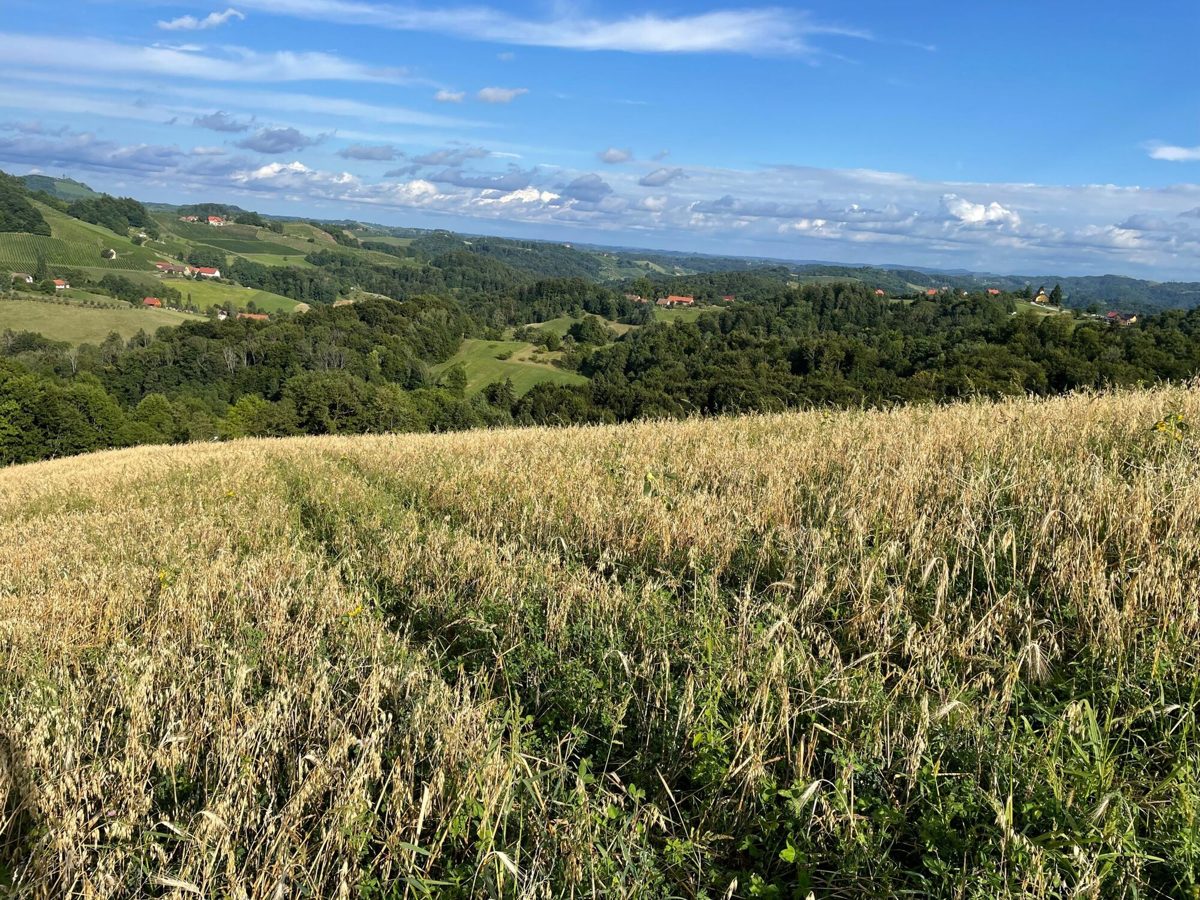
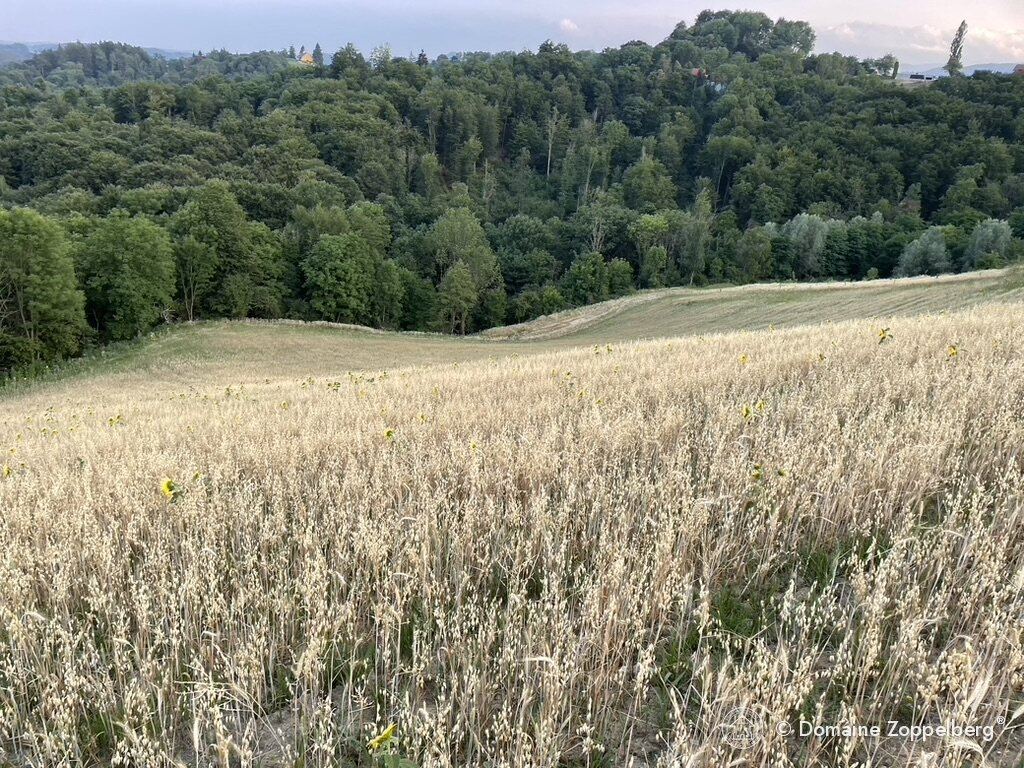
Haferfeld am Zoppelberg

To take away

Downloads

Info folders to take away, for partners, press and anyone interested. PDFs are password-protected; we send the password on request.
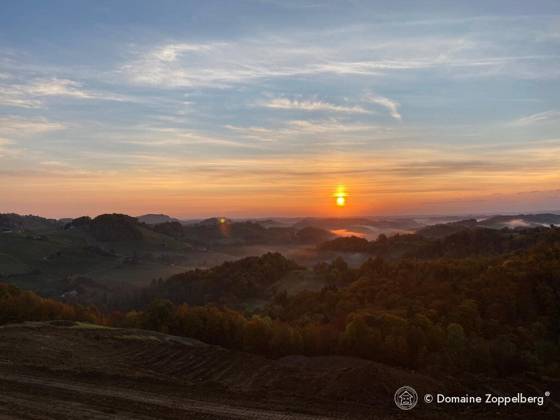
Visualisation of the tasting room at the Zoppelberg

Experience the Zoppelberg

Events & Guided Tour

Summer Splash, SunDowner in the oat field, guided walks through the Traubengarten.
To the events ↓

Events

Golden oat field on the Haferberg at sunset
Summer Splash 2027 · exclusive & inclusive

SunDowner im Haf(n)erfeld

From the oat field to the Traubengarten™

In the former oat field, deep-rooting oats prepared the soil. Where they stood, our Muskateller Traubengarten now grows – and this is exactly where the sun sets over the Sulztal. In your glass: ZoppelbergSprizz™, ZOPP Juice or ZOPP Dry, with little or no alcohol. Exclusive in a small circle, inclusive for everyone. #UbU – you be you.

No stress. · Aura-Plus vom Haf(n)erberg.

✦ exclusive & inclusive · limited placesvegetarian · vegan88.5–100 % alcohol-free
Save the Date →The whole family is welcome! Alcoholic drinks only for persons aged 18 or over, grape juice and alcohol-free drinks for everyone. Please enjoy responsibly.

Guided Tour

Join us in the vineyards, on the Opok and at the main house of 1781. We guide you ourselves, in small groups and with time for questions. Visits on request only, by confirmed appointment.

Available now

A walk through the vineyards

approx. 1.5 hours2–8 peopleDeutsch · English · FrançaisPrice on request

From the main house across the Hafner and Zoppelberg sites up to the top of the Kogel: Opok, terraces, cover crop, organic farming in practice and the view over the Sulztal.

  • The three varieties on the vine
  • Slope stabilisation and replanting since 2019
  • Wild bees, meadow and orchard
Request a walk →
From 2028/29

Tailor-made tasting

approx. 2.5 hoursfrom 2 peopleDeutsch · English · FrançaisPrice on request

A themed tasting tailored to your group. We already take requests and will get back to you as soon as the first Zoppelberg wine is ready (from 2028/29).

  • Three varieties, one signature: Sauvignon Blanc, Gelber Muskateller, Pinot Blanc
  • Opok and site: what the soil shows in the glass
  • Stainless steel and sparkling: freshness without oak
  • Wine and Styrian cuisine
Reserve a tasting →
In preparation

Vine sponsorship on the Zoppelberg

for one yearalso as a giftPrice on request

Adopt a vine in our young vineyard and follow it through the year, all the way to the first wine from the Zoppelberg. Planned:

  • Certificate with site and grape variety
  • Pictures from the year on your vine
  • Invitation to a walk through the vineyards
  • Priority for the first vintage
Register interest →

Enquire about events & guided tours

Visits are by request only, after we have confirmed a date. Write to us also to pre-register or for the newsletter.

Hill with farm in the evening light at the Zoppelberg

News from the slope

News from the Zoppelberg

What happens on the slope and in the cellar, short and honest.

Read ↓
  • Domaine: launch 2028/29

    Spritzers, wine and sparkling wine of the classic line launch one year after ZOPP.

  • ZOPP: the alcohol-free line

    Grape beverages for GenAlpha and GenZ come first: ZOPP Juice, Dry and Pop™.

  • Labels for the 2027 vintage

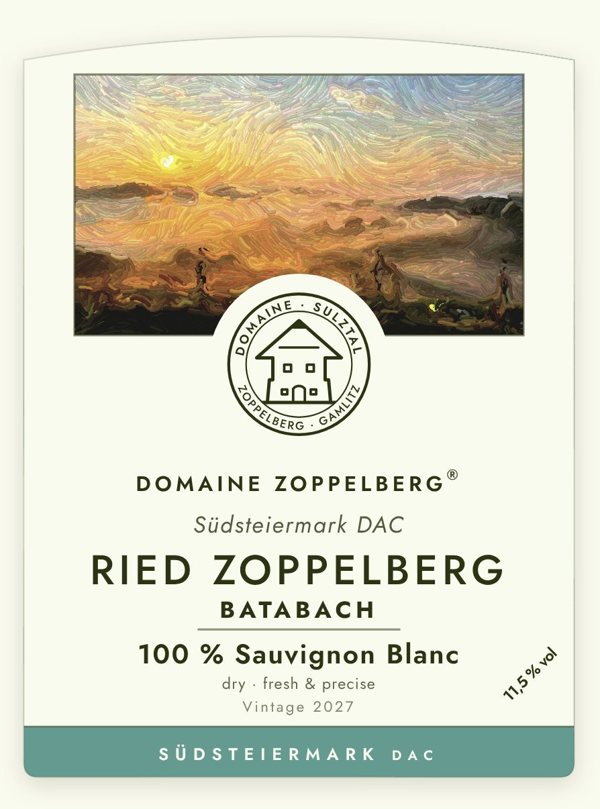
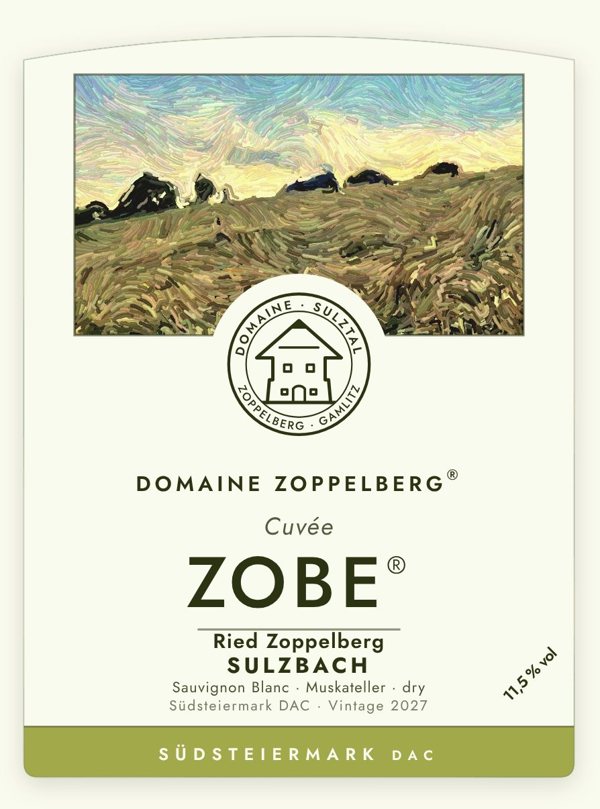
    The labels for the first vintage are done: pictures from the Zoppelberg for varietal wines, cuvées, sparkling wine and grape juice.

  • Bio-Lehrpfad

    Eight stations with boards and QR codes along our walk.

Newsletter: A few times a year we write about what is happening at the Zoppelberg: harvest, first vintage, dates. Subscribe to the newsletter

Pre-order

From abbreviation to mark

How ZOPP evolved

1The abbreviation

Zoppelberg is a long name; ZOPP is how you call it: four letters, one sound, easy to remember and easy to say. The first syllable of the hill becomes the name of the young line.

ZOPPELBERG

2The concept

ZOPP belongs to the young line for GenAlpha and GenZ and is always alcohol-free; the classic line stays with Domaine Zoppelberg. Grapes from the Zoppelberg become grape beverages that are light and lively (naturally vibrant). So the mark stays simple: only the Jost typeface, a small green dot on the last P, “ZOPPELBERG” widely spaced beneath. On the label the wordmark sits on top, the motif below, separated by a wave.

The green dot stands for the youth line and for our path to the organic grape garden™.

  • Typeface: Jost
  • Green dot
  • Wave under the mark
  • 0.00 % vol
  • for GenAlpha and GenZ

3The design

The wordmark with dot and spaced name on the new labels of the first three varieties: Pop, Juice and Dry. The mark on top, the motif beneath, behind the wave.

ZOPP Zoppelberg
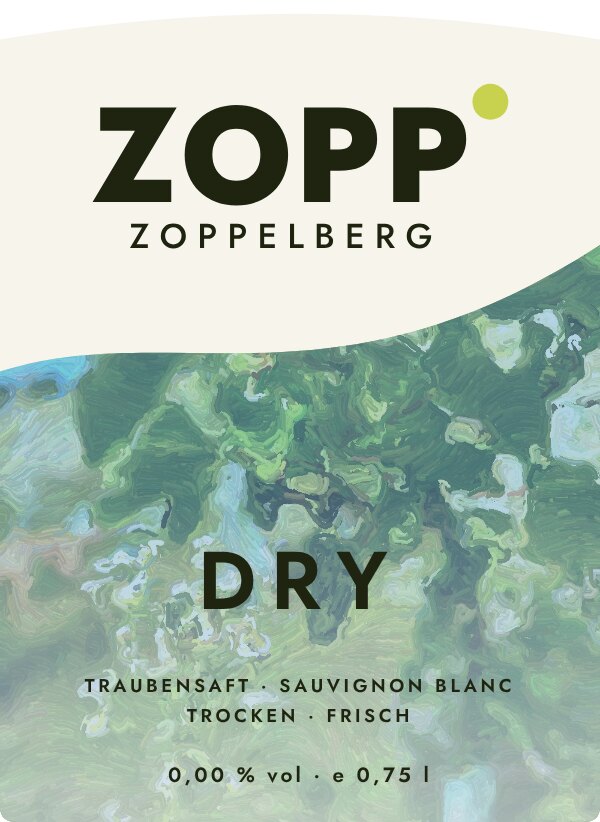
Label ZOPP PopLabel ZOPP JuiceLabel ZOPP Dry

From house to mark

How our logo evolved

1The house

The main house of 1781 is the signature building of the whole estate, its landmark. That is why it comes first, here as a watercolour. The round detail taken from it was our first mark.

Aquarell des HaupthausesErstes Logo: Aquarell im Kreis

2First strokes

The picture becomes a line. Draft 1 still shows the lean-to, chimney and curved eaves, then it is simplified step by step: chimney gone, ground line added, the roof calmer.

Fünf Entwürfe der Hauszeichnung

3Taking measure

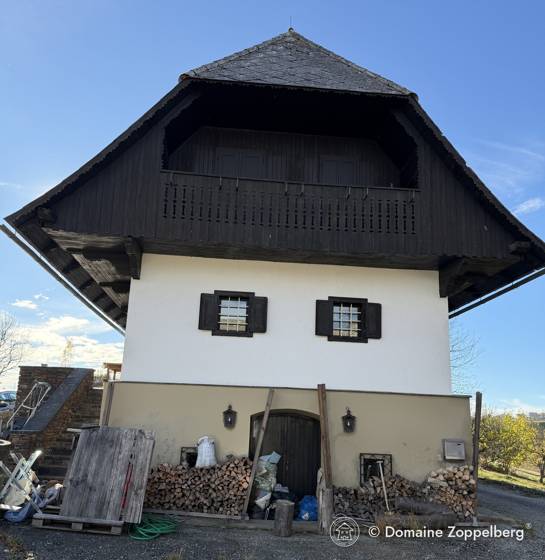
Comparison with the frontal photo: the roof makes up just under half the height (0.45 to 0.55), the eaves are a good 1.6 times as wide as the wall. The plinth projects beyond the ground floor, the ground sits where it rises behind the woodpile; hip, passage, windows, cellar window and cellar door are where they are on the house.

Frontalfoto des Haupthauses mit eingezeichnetem Logo und Maßen

4The mark

Today’s logo: the house in a circle, the roof tip filled, the ground line touching the ring.

Logo Domaine Zoppelberg